

In the halls of Congress questions of accountability often surface without warning and the latest case centers on Texas representative Lance Gooden whose conduct has come under formal review by a House ethics panel. The inquiry examines claims that Gooden has rejected outright describing them as unfounded and politically driven. Observers note that such reviews highlight ongoing tensions in how lawmakers balance personal interests with public duties and this situation places Lance Gooden ethics at the center of conversations about transparency in federal service.
Origins of the Current Review

The House Committee on Ethics began its work after receiving complaints detailing possible violations of chamber rules. Documents indicate the panel will examine financial disclosures and interactions with outside groups. Staff members have started gathering records while avoiding any rush to judgment. This measured approach reflects standard procedure for such matters yet it also underscores the gravity attached to questions of Lance Gooden ethics.
Statement from the Representative

Gooden issued a direct response through his office stating the allegations rest on misinterpretations and incomplete information. He emphasized his record of service to constituents in Texas and expressed confidence that a full review will clear his name. Supporters describe him as dedicated to policy work rather than personal gain and they view the inquiry as an opportunity to demonstrate integrity.
Function of the Ethics Committee
The panel operates as a bipartisan body tasked with enforcing standards across the House. Its members review evidence interview witnesses and decide whether further action such as hearings or sanctions is warranted. Past proceedings show the committee values thoroughness over speed which can extend timelines for months. This structure aims to protect both the institution and individual lawmakers from hasty conclusions.
Historical Precedents in Similar Cases

Ethics reviews have touched members from both parties over the decades with outcomes ranging from private admonitions to public reprimands. Analysts point to patterns where early cooperation with investigators often leads to quicker resolutions. In contrast prolonged disputes can draw extended media attention and affect legislative priorities. These examples provide context for how the present matter might unfold.
Reactions Among Texas Constituents

Voters in Gooden district have offered mixed responses with some expressing surprise and others dismissing the claims as routine political attacks. Local civic groups have called for clear updates as the process moves forward. Community meetings reveal a desire for reassurance that representatives maintain high standards regardless of party affiliation.
Effects on Legislative Work
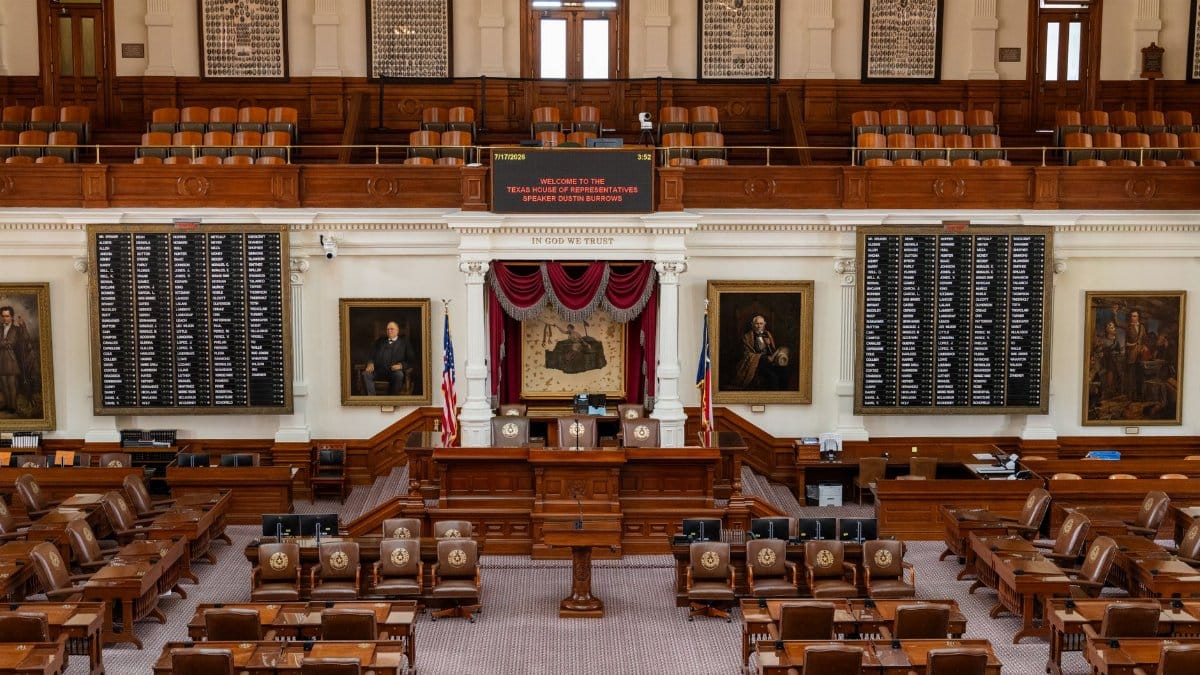
While the review proceeds Gooden continues to sponsor bills and participate in committee meetings. Colleagues report minimal disruption so far though some note an atmosphere of caution when discussing sensitive topics. Staff members focus on maintaining productivity amid the added scrutiny that surrounds questions of Lance Gooden ethics.
Media Coverage and Public Discourse
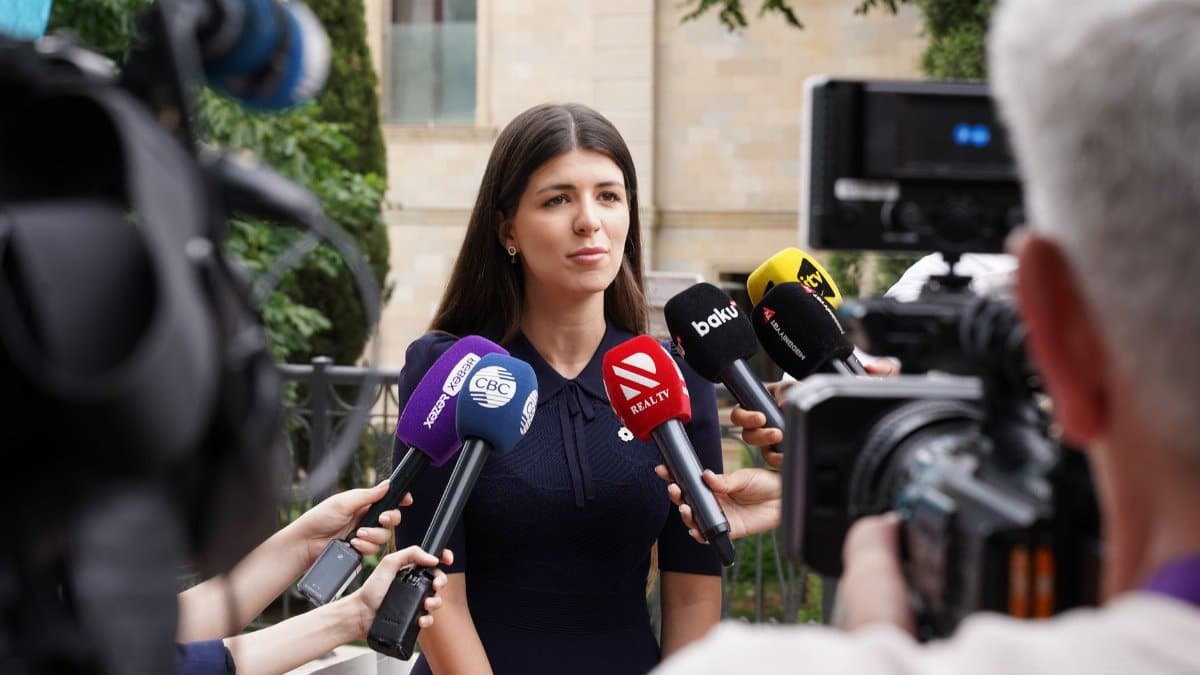
National outlets have reported on the inquiry with varying degrees of detail. Opinion writers debate whether such panels receive adequate resources to handle complex matters efficiently. Readers encounter arguments about the balance between privacy for lawmakers and the publics right to information. This coverage shapes perceptions beyond Texas.
Possible Outcomes and Next Steps

The committee could conclude its work with a finding of no violation or it might recommend additional measures. Lawmakers retain the option to appeal or provide further documentation. Observers expect updates at regular intervals though final reports often arrive after extended deliberation. Resolution will depend on the evidence presented.
Broader Questions of Congressional Standards

This case contributes to larger discussions about how Congress polices itself. Reform proposals include greater use of independent examiners and clearer guidelines on disclosure requirements. Advocates argue these changes could strengthen public confidence while critics warn of added bureaucracy. The debate continues alongside the specific review of Lance Gooden ethics.
Role of Outside Advocacy Groups

Watchdog organizations have submitted materials to the panel and issued statements urging a comprehensive examination. These groups track patterns across multiple investigations and maintain databases of prior findings. Their involvement adds another layer of visibility to proceedings that might otherwise remain internal.