
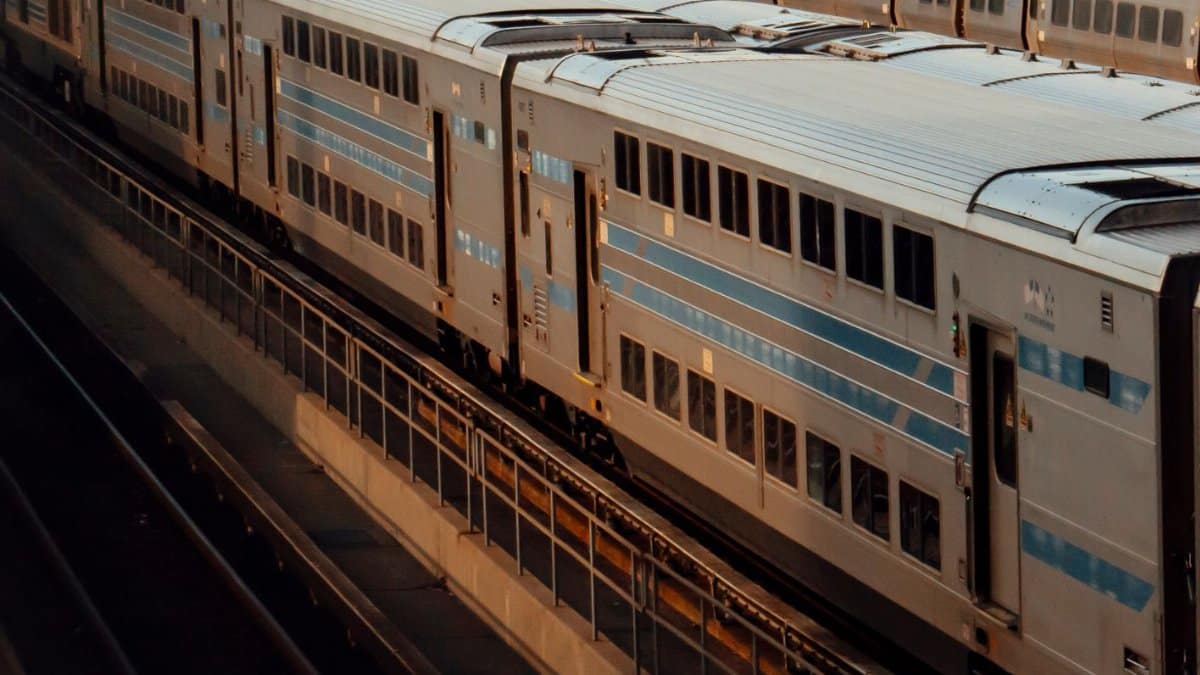
As tensions build over rail service reliability in the Northeast, discussions between transit officials and employee representatives have taken on fresh urgency. With millions of daily riders dependent on consistent schedules, the focus now centers on LIRR strike talks set to begin on Monday. These sessions aim to address longstanding pay disputes and operational guidelines that could otherwise lead to widespread halts in service across Long Island and into New York City. Observers note that both sides appear motivated to find common ground before any escalation occurs, yet the path forward remains uncertain amid competing priorities from management and labor groups.
Background on Recent Labor Developments

The Metropolitan Transportation Authority has faced repeated calls from unions representing conductors, engineers and other staff to adjust compensation packages in line with inflation and comparable roles elsewhere. Past agreements have often involved extended negotiations, reflecting the complex nature of public transit contracts that involve taxpayer funding and regulatory oversight.
Key Issues Driving the Discussions

Wages stand at the forefront, with unions seeking raises that exceed initial offers from the authority. Work rules covering scheduling, overtime and rest periods also feature prominently, as employees argue current terms contribute to fatigue and safety concerns while officials emphasize efficiency needs for a busy network.
Potential Effects on Daily Commuters

Any interruption in Long Island Rail Road operations would ripple through the broader economy, affecting workers traveling to Manhattan offices and businesses reliant on timely deliveries. Past near misses have prompted alternative travel planning, though many riders lack viable options beyond the rail lines that serve suburban communities.
Role of State Officials in Mediation

Governor and legislative leaders have urged both parties to prioritize continuity of service, recognizing the rail system as a vital artery for the regional workforce. Their involvement often includes private meetings to encourage compromise without public posturing that might harden positions.
Comparisons to Prior Transit Agreements

Similar talks at other agencies have produced settlements after marathon sessions, sometimes with federal mediators stepping in to bridge gaps. Lessons from those cases suggest that incremental concessions on secondary matters can unlock progress on core demands related to pay and conditions.
Economic Stakes for the Region

A prolonged standoff risks job losses in sectors tied to reliable transportation, from retail outlets near stations to freight handlers who coordinate with passenger trains. Local chambers of commerce have voiced support for swift resolution to maintain confidence among employers considering expansion in Nassau and Suffolk counties.
Union Perspectives on Worker Safety
Representatives highlight data showing elevated stress levels among crews handling peak hour crowds, calling for rule changes that would limit consecutive shifts. They frame their stance as essential to retaining experienced personnel amid competition from other industries offering more predictable hours.
Authority View on Budget Realities

MTA leaders point to fixed revenue streams and rising costs for infrastructure upkeep as constraints on what can be offered without seeking additional state subsidies. They stress the importance of sustainable contracts that avoid future shortfalls affecting service quality over time.
Outlook for Monday Session and Beyond

Participants expect the initial meeting to set an agenda rather than yield immediate breakthroughs, with further rounds likely in the weeks ahead. Success will depend on willingness to explore creative solutions that balance employee needs with the public interest in uninterrupted mobility.