

In the bustling city of Dallas preparations for large scale events often bring unexpected financial pressures to local budgets and resources. Recent discussions around hosting a major political gathering have highlighted the complexities of managing Dallas convention costs leaving city officials to navigate uncertain terrain with organizers who propose support but stop short of firm commitments. This situation reflects broader challenges in balancing public safety needs with fiscal responsibility during high profile national events.
Examining Security Expenses for Urban Gatherings
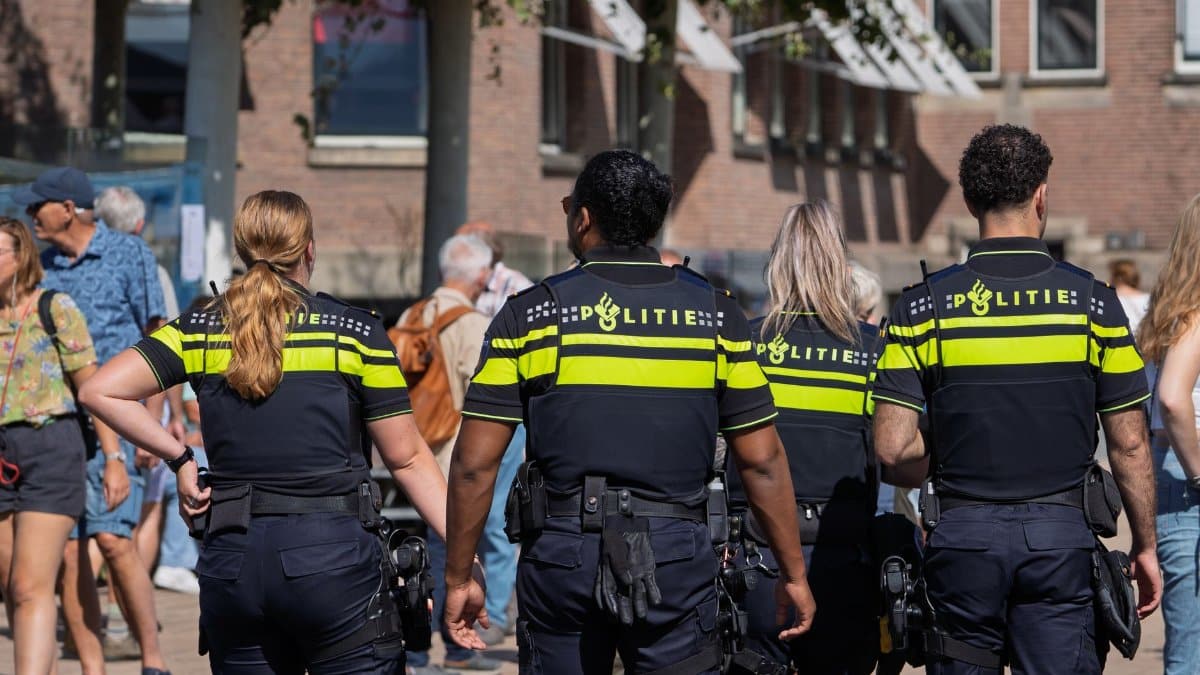
City planners in Dallas face substantial outlays when preparing for crowds that can number in the tens of thousands. Estimates place the security bill near one point eight million dollars with contributions from police overtime traffic control and emergency services. Without clear agreements on reimbursement these figures create strain on annual municipal allocations forcing reallocations from other community projects.
Negotiations Between Organizers and Local Leaders
Talks have progressed slowly as both sides review terms for any financial assistance. Organizers have signaled willingness to offset portions of the burden yet details remain unresolved as of late August. This hesitation stems from differing views on what qualifies as reimbursable under standard event hosting protocols.
Impact on Municipal Budget Planning

Dallas officials must incorporate potential convention related outlays into their forward looking financial models. Uncertainty around final Dallas convention costs complicates efforts to forecast revenue shortfalls or surpluses. Departments across the city adjust spending patterns in anticipation of possible shortfalls that could affect services for residents.
Historical Precedents in Convention Hosting
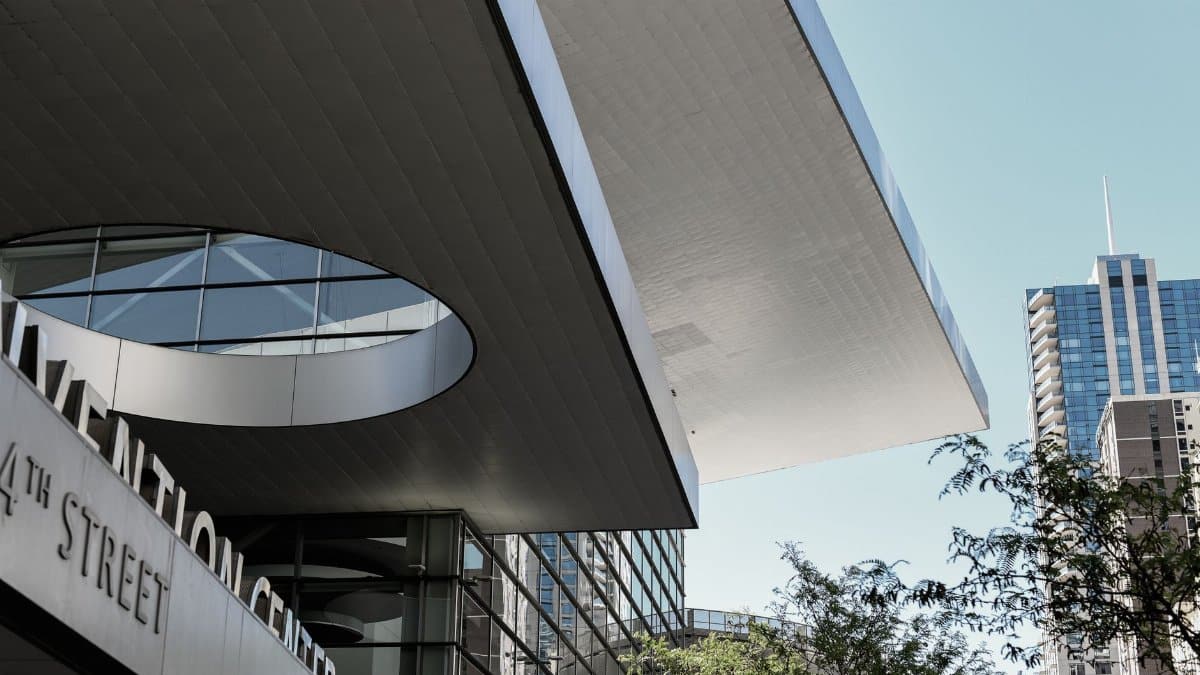
Past events in other major American cities provide context for current discussions. Similar gatherings have required extensive coordination between national committees and host municipalities resulting in varied outcomes for cost recovery. Lessons from those experiences inform how Dallas approaches its own arrangements.
Public Safety Considerations During Events
Ensuring orderly proceedings demands robust measures that extend beyond routine operations. Additional personnel training and equipment purchases add layers to the overall expenditure profile. Residents express interest in maintaining high standards of protection while questioning the allocation of taxpayer funds.
Economic Ripple Effects on Surrounding Areas

Businesses near convention venues anticipate increased activity yet also confront disruptions from road closures and heightened security zones. The net benefit depends heavily on how Dallas convention costs are ultimately distributed among stakeholders. Local economies monitor developments closely for signs of positive or negative influences.
Future Implications for Event Selection Processes

Decisions made now could shape which cities pursue large conventions in coming years. If reimbursement mechanisms prove unreliable some municipalities may opt out of bids altogether. This dynamic encourages national organizers to refine their approaches to partnership with host communities.