
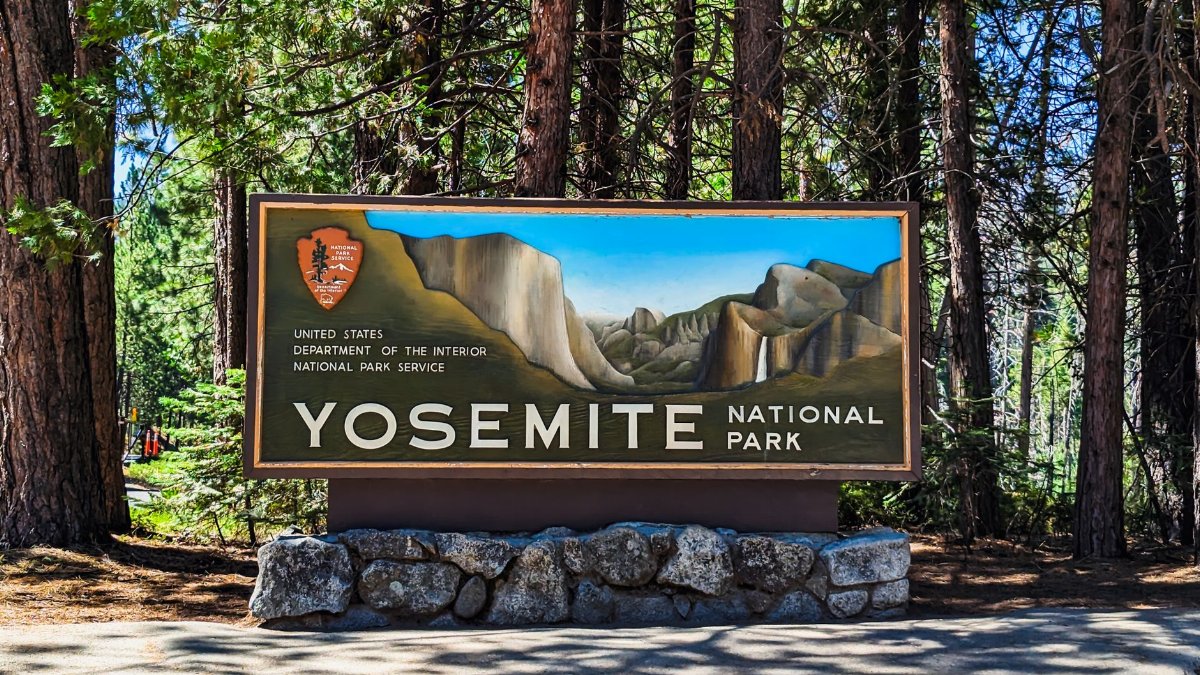
Officials in Washington are weighing a plan to exchange federal holdings near Yosemite National Park with property controlled by a company linked to a political backer. The aim centers on allowing a new direct route that would cut across terrain now protected under park rules. Conservation advocates say the move raises questions about how public lands are managed when private interests enter the picture. This Yosemite land swap would mark a notable shift in policy toward one of the nations most visited natural reserves.
Origins of the Exchange Concept

The idea surfaced during talks between agency staff and the firm seeking faster visitor access to distant park sections. Supporters claim the change would shorten trips for many travelers and give the park better consolidated property elsewhere. Records show similar past deals have occurred in other federal areas though none matched the scale proposed here for Yosemite.
Key Players Involved in Discussions

Agency leaders from the interior department have met with representatives of the developer on several occasions. The firm in question has ties to individuals who backed recent political campaigns at the national level. Park service personnel have been asked to review maps and assess potential boundary adjustments under the terms of the Yosemite land swap.
Environmental Concerns Raised by Experts

Biologists note that the proposed route passes through zones home to sensitive plant species and wildlife corridors. Any construction could fragment habitats already under pressure from rising visitor numbers. Groups focused on park protection argue that even limited development risks long term damage to the ecological balance that draws millions each year.
Public Response and Local Views

Residents in nearby communities have voiced mixed reactions during recent meetings. Some see economic gains from improved roads while others fear increased traffic and loss of quiet natural settings. Petitions opposing the Yosemite land swap have circulated online and gathered thousands of signatures in the first weeks after news emerged.
Legal Framework Governing Such Deals

Federal statutes allow land exchanges when they serve a clear public purpose and involve equal value properties. Reviews must include environmental assessments and opportunities for public comment. Critics contend the current process may move too quickly without full study of all effects tied to the Yosemite land swap.
Comparisons With Earlier Park Transactions
Past exchanges in western states often involved mining claims or small inholdings rather than major road projects. Those cases typically required years of negotiation and multiple revisions. Observers point out that the Yosemite proposal stands apart due to its direct link to a single private development goal.
Potential Outcomes for Park Visitors

If approved the new route could ease congestion at main entrances during peak seasons. Yet it might also open previously remote areas to greater use and require additional maintenance funding. Park officials would need to balance access gains against preservation duties under existing mandates.
Broader Policy Implications Ahead

The outcome could influence how future administrations approach similar requests involving national parks. It may set precedents for weighing donor connected projects against conservation priorities. Watchers in the capital say the Yosemite land swap serves as an early test of shifting attitudes toward public land management.