
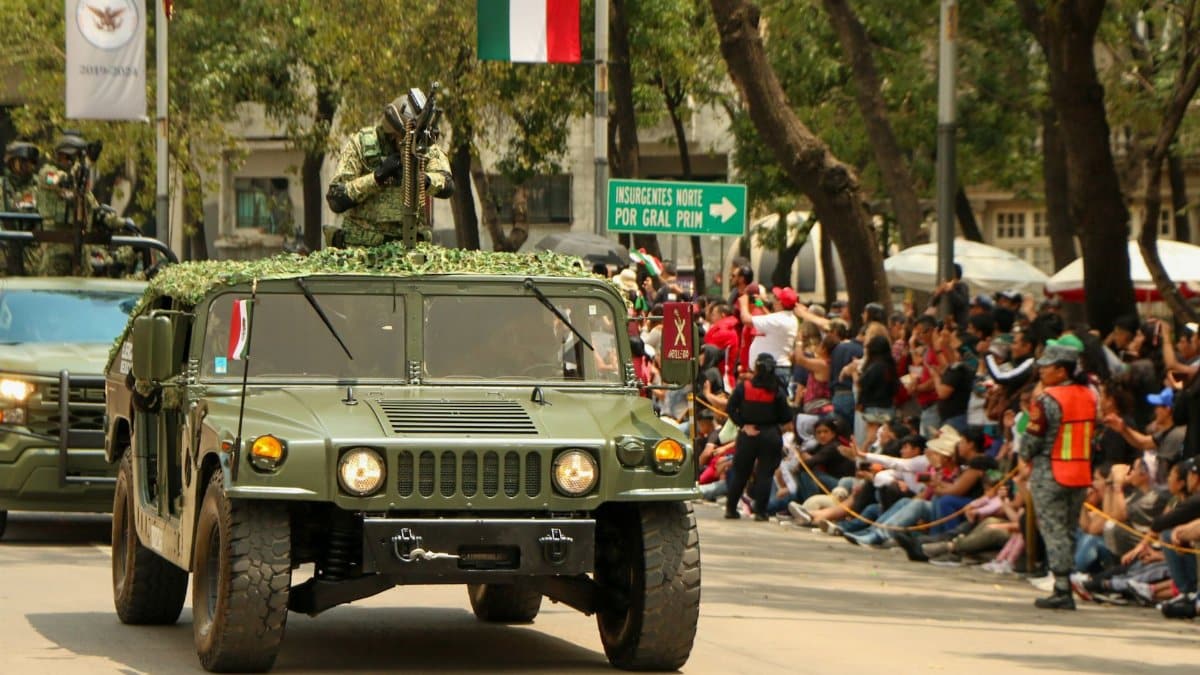
On a warm evening in Asuncion, a rally crowd waved national colors beside caps stamped with a slogan first popularized in the United States. Speakers talked about crime, prices, and a promise that strength at home begins with friends in Washington. The scene was local, yet it belonged to something larger. The Latin America MAGA wave, visible from the Southern Cone through parts of Central America and the Andes as of October 25, 2026, is widening President Trump’s political and military reach. Governments that once kept Washington at a distance are seeking deals on security, trade, and migration. The shift is uneven, contested, and easy to overread. It is also concrete enough to change how power moves in the hemisphere.
What the shift looks like from the plaza to the palace
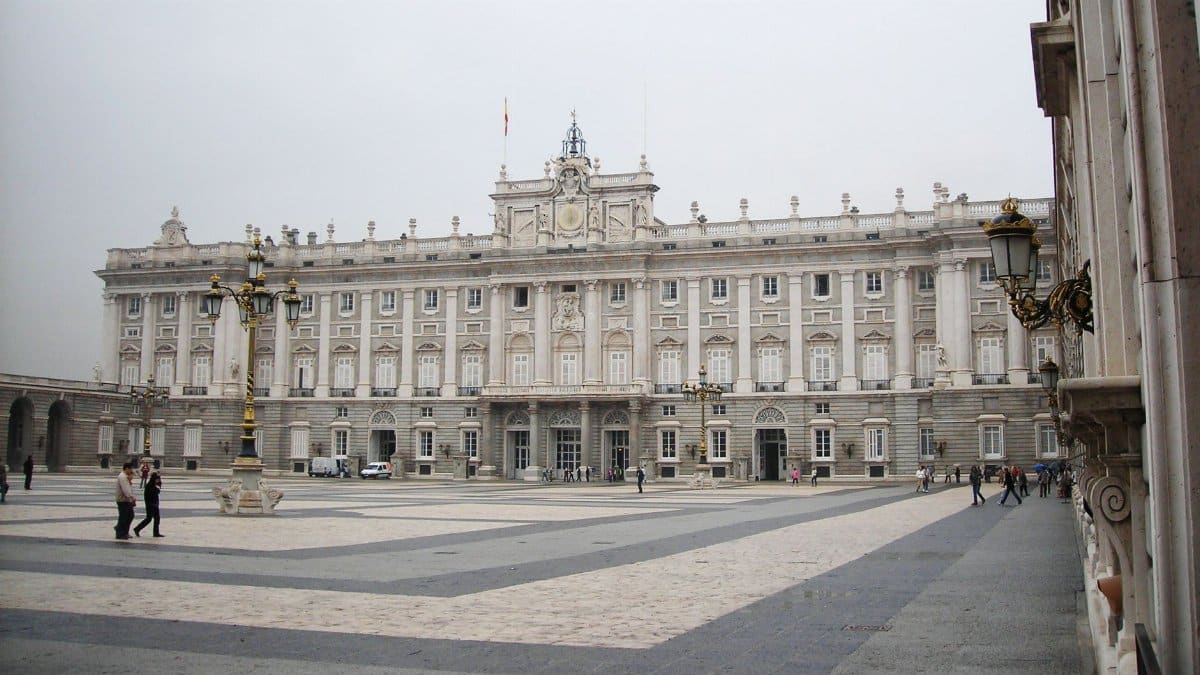
The pattern is not a single party or a copied script. It is a family of campaigns that borrow the same emotional grammar: order over process, sovereignty over multilateral lectures, and a claim that elites in capital cities have failed ordinary people. In some countries the vehicle is a new movement. In others it is an older conservative party that has learned the language of grievance and spectacle. Cabinet lists tell part of the story. Defense ministers speak more often about joint exercises. Foreign ministers book earlier meetings in Washington. Opposition figures who once treated alignment with Trump as a liability now treat distance as the risk.
Voters do not experience this as ideology first. They experience it as a mood. Streets feel less predictable. Remittances and food prices set the weekly budget. When a candidate says the state will be harsh with gangs and generous with workers who play by the rules, the applause is not theoretical. That applause is the raw material of the Latin America MAGA wave, even when the local slogan never mentions the United States at all.
Why voters are moving right without becoming identical
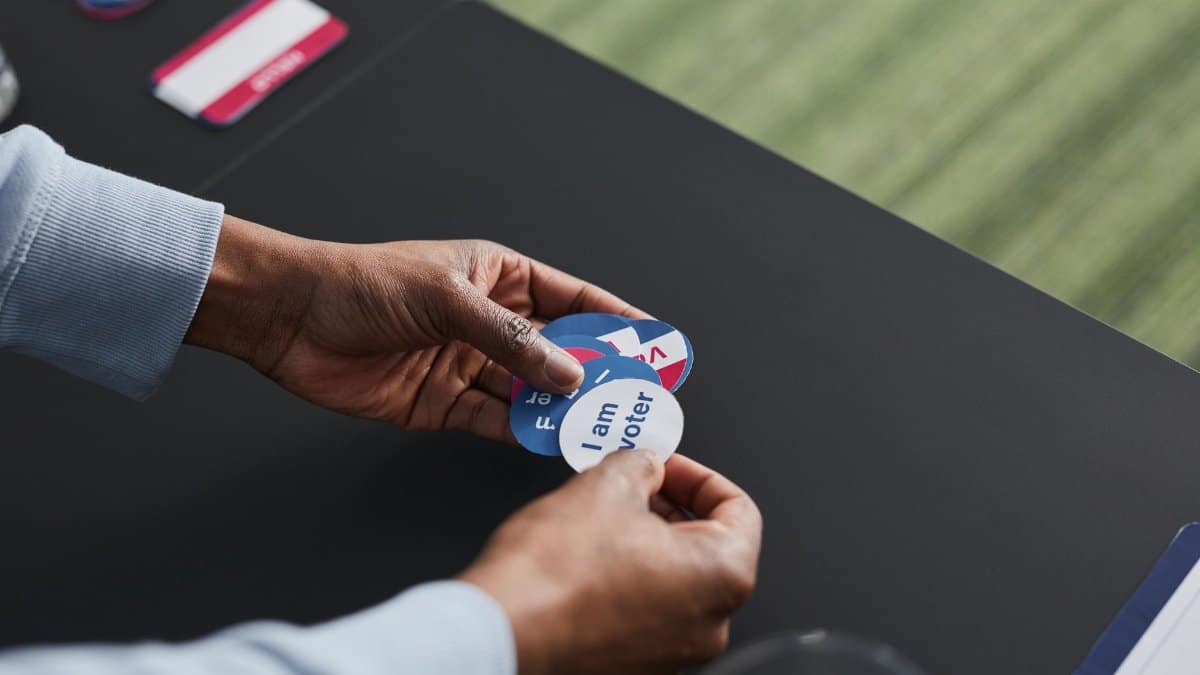
Inflation scars last longer than any campaign ad. Pandemic years, supply shocks, and uneven recoveries left households convinced that technocratic promises arrived late. Crime compounds the distrust. Where homicide or extortion touches daily life, arguments about institutional balance sound abstract. Candidates who offer visible force, quicker courts, and fewer apologies find an audience that crosses old class lines.
There is also fatigue with corruption stories that never seem to end. A rightward pitch does not need a clean record to win that fatigue. It needs a villain and a timetable. The villain may be a left government, a business cartel, a foreign lender, or a migration route that locals blame for disorder. The timetable is always short. Deliver security now, growth next, accountability later. That sequence has worked before in the region, and it is working again in places where the center could not hold a coalition.
Security ties and a wider military footprint
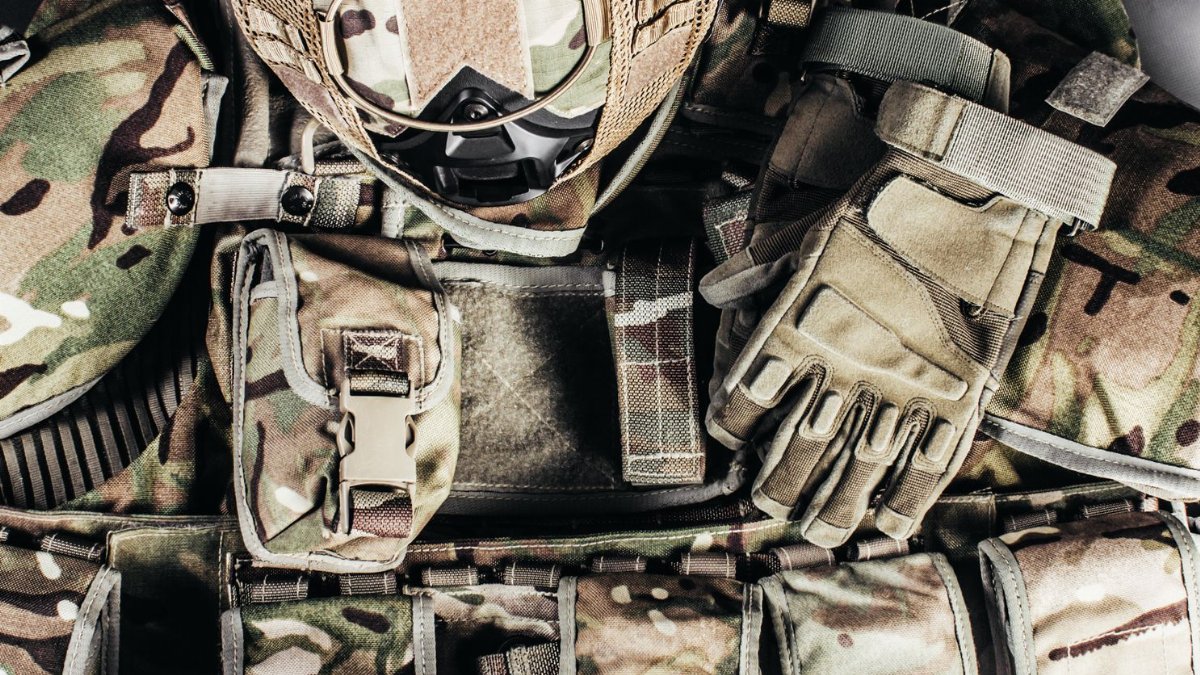
Political sympathy becomes strategy when it touches bases, training, intelligence sharing, and arms sales. Friendly capitals are more willing to host exercises, approve overflight, and treat U.S. Southern Command as a partner rather than a guest to be managed. Coast guard cooperation against trafficking expands more easily when presidents share a public line on gangs and drugs. Equipment requests that once stalled in legislative committees move when the executive frames them as sovereignty, not dependence.
None of this is a formal alliance on the model of Europe. Latin American constitutions, histories of intervention, and domestic politics still limit permanent garrisons. What is widening is access: port calls, special forces exchanges, radar and maritime domain awareness, and quiet coordination on Venezuela policy or Caribbean interdiction. Military reach here means habits of cooperation, not occupation. Those habits matter in a crisis because they are already practiced.
Trade, minerals, and the price of friendship
Alignment has an economic face. Governments courting Washington talk up nearshoring, critical minerals, and rules that favor trusted suppliers. Lithium, copper, and agricultural exports become bargaining chips in a contest with China that most voters never see in full. A president can denounce Beijing in a speech and still need Chinese buyers the next morning. The practical result is hedging with a louder American accent: more memorandums with U.S. firms, slower approvals for rival infrastructure, and tougher rhetoric on debt terms.
Trade peace is not automatic. Trump’s own tariff instincts can collide with exporters who voted for his ideological cousins. Beef, steel, fruit, and auto parts do not become patriotic because a foreign minister wears the right lapel pin. The political wave creates an opening for deals. It does not repeal interests. Where those interests clash, even friendly governments will push back in public and bargain in private.
Migration as the bargain Washington wants most

For the White House, the most valuable currency in the hemisphere is control of people on the move. Partners who adopt tougher asylum rules, accept return flights, or police the Darien gap gain leverage on visas, aid, and security kit. That exchange is the quiet engine of influence. It is also the most explosive at home for those partners. Communities with relatives in the United States hear enforcement as family policy, not foreign policy.
Campaigns inside the Latin America MAGA wave often promise both: respect for their own diaspora and a hard line against irregular flows that destabilize neighbors. Holding both promises is difficult. When Washington demands visible results, local leaders face protests, court challenges, and accusations that they have rented sovereignty. The governments that manage the tension keep the relationship. Those that cannot will discover that ideological kinship does not survive a migration crisis on camera.
Pulpits, platforms, and a shared cultural style

The affinity is cultural as well as strategic. Pentecostal and Catholic conservative networks share talking points on family, gender, and education with U.S. activists who already orbit Trump. Pastors do not take orders from a campaign in Florida, but they amplify a moral frame in which left governments look decadent and disorderly. Parallel media ecosystems do the rest. Clips travel faster than embassy cables. A rally line in Spanish becomes a proof point on English language shows within hours.
This is not spiritual news in the sense of doctrine. It is political news with a religious infrastructure. Faith communities provide turnout, volunteers, and a language of renewal that secular parties struggle to match. Critics call it importation. Supporters call it recognition. Either way, the style lowers the cost of alignment. A voter who already trusts a preacher may extend a measure of trust to a foreign president who sounds like that preacher’s guest.
China, Venezuela, and the map Trump wants redrawn
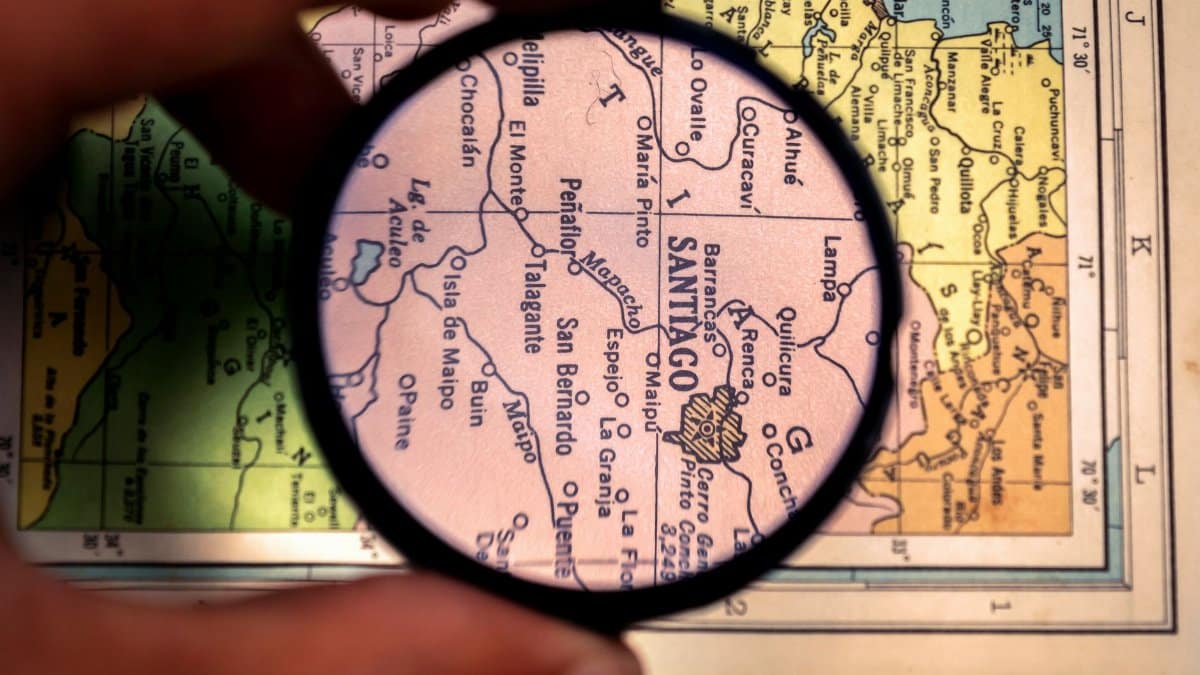
Strategic competition gives the wave its Washington audience. Every government that cools on Chinese telecom deals, questions port concessions, or joins statements on Caracas is read in the White House as a recovered vote in a long rivalry. Venezuela remains the sharpest test. Pressure, recognition fights, and sanctions policy are easier to coordinate when neighboring capitals are not defending the status quo out of ideological solidarity.
Mexico sits in a category of its own. No regional wave matters if the bilateral relationship with Mexico is hostile, because geography outranks ideology. Elsewhere, smaller states can punch above their weight by offering votes in international bodies and staging grounds for interdiction. Trump’s reach expands less through grand treaties than through a stack of these practical yeses. Stack enough of them and the hemisphere’s default setting shifts, even if no one signs a single charter.
Backlash, courts, and the half life of a mood

Rightward victories create their own opposition. Students, unions, indigenous organizations, and urban professionals mobilize when security policy curbs protest or when social spending is cut to please markets. Constitutional courts remain a brake in several countries. Term limits and coalition math punish overreach. A wave can crest in one election and break in the next if prices rise or scandal sticks.
There is also the risk of imitation without capacity. Promising Bukele style order or Milei style shock without the institutions, the mandate, or the luck to sustain it produces disappointment. Disappointment is fertile ground for the next swing. Analysts who treat the present moment as a permanent realignment are repeating an old regional mistake. Pendulums here have long memories and short patience.
What Washington gains, and what it should not assume
The gains are plain. More partners will take the call, share the intelligence, and frame China and organized crime in language the White House prefers. Military to military familiarity will deepen. Diplomatic isolation of adversaries will be cheaper. For a president who measures foreign policy in loyalty and leverage, that is a widening of reach in the most literal sense.
The assumption to avoid is ownership. These governments are not subsidiaries. They will use Trump’s brand when it helps and discard it when tariffs, deportations, or a careless remark about sovereignty land badly. Civil society will keep score. So will China, with financing that does not ask for rally photos. The Latin America MAGA wave can enlarge American influence and still leave Washington surprised by the invoice.
A hemisphere that is choosing, not converting

By late October 2026 the evidence is in the itineraries, the exercises, and the election maps, not in a single speech. Leaders are choosing a style of politics that rhymes with MAGA and a set of bargains that give the United States more room to operate. They are not converting into a bloc with one mind. Crime, prices, pulpits, and great power rivalry explain more than any imported hat.
Readers in the United States should watch the fine print: who accepts return flights, who hosts the next exercise, who slows a Chinese contract, who loses the following vote. That fine print, more than the rallies, will show whether the Latin America MAGA wave is a lasting change in the balance of the hemisphere or another loud season that recedes when daily life does not improve.