
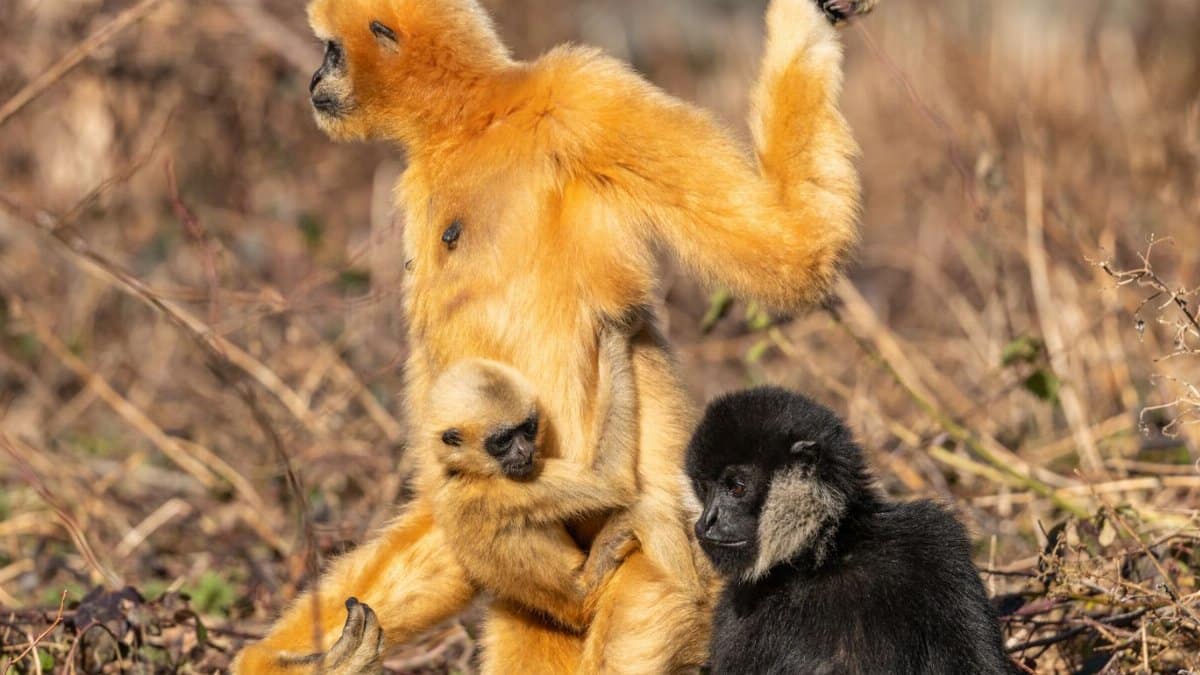
In the rolling hills north of Los Angeles a quiet refuge has stood watch over some of the rarest primates on earth for five decades. Founded in the early nineteen seventies by a small group of primatologists and animal advocates, the site now known as Gibbon Sanctuary has grown into a model of long term care for animals that face near certain extinction in the wild. Here white handed gibbons and siamangs swing through tall enclosures that mimic the canopies they once called home in Southeast Asia. The center operates without fanfare yet its influence reaches far beyond California through breeding programs and public education.
Origins in a Changing Landscape
The story begins when habitat loss and the exotic pet trade threatened gibbon populations across Asia. A handful of rescued animals arrived in Southern California with little prospect of return. Local veterinarians and volunteers improvised housing on a modest parcel of land. Over time the operation secured permits and expanded, always guided by the principle that every individual deserves a stable life even when release is impossible.
Daily Rhythms Inside the Enclosures
Caregivers begin before dawn preparing fresh fruit and leafy greens that match the natural diet of each species. Gibbons receive regular health checks that include dental work and blood tests. Keepers also monitor vocalizations because the loud morning calls serve as important indicators of social well being. Enrichment items such as ropes and puzzle feeders keep the animals active and reduce stress.
Breeding Success and Genetic Planning

With fewer than a few thousand individuals left in the wild the sanctuary plays a measured role in maintaining genetic diversity. Staff consult international studbooks before any pairing. Births are celebrated quietly because each healthy offspring represents years of careful observation. Yet managers emphasize that captive breeding is only one part of a larger conservation picture.
Training the Next Generation of Caregivers

Internships draw students from universities across the country. Participants learn everything from record keeping to behavioral observation. Many later join zoos or field projects in Indonesia and Thailand. The sanctuary views this education component as essential to sustaining interest in primate welfare over the coming decades.
Public Visits and Quiet Advocacy

Weekend tours allow small groups to watch the animals from designated paths. Guides share facts about deforestation and the illegal wildlife trade without graphic images that might alienate visitors. Proceeds from these programs help fund veterinary supplies. The approach reflects a belief that steady public awareness matters more than dramatic campaigns.
Partnerships Across Borders

Staff members collaborate with researchers in Malaysia who track remaining wild groups. Data on diet and social structure gathered at the sanctuary sometimes informs field studies. In return the California team receives updates on habitat conditions that help shape future planning. Such exchanges illustrate how a single facility can contribute to global efforts.
Challenges of Aging Residents

Several gibbons have lived at the sanctuary for more than thirty years. Older animals require modified diets and additional medical attention. Arthritis and vision loss appear with frequency. The team adjusts enclosures with lower platforms and softer flooring to keep seniors comfortable while preserving their dignity and independence.
Funding Realities and Future Hopes

Like many specialized centers the sanctuary relies on private donations and modest grants. Rising costs for imported produce and specialized veterinary care create constant pressure. Leaders continue to explore sustainable revenue streams that will not compromise the animals quality of life. Their goal remains steady operation for another fifty years and beyond.