

On a warm July evening the lights of a storied Los Angeles stadium illuminated a gathering unlike any other in recent memory. Families and friends filled the stands as the sounds of American music echoed across the field marking two hundred fifty years since the nations founding. The America250 LA Coliseum Concert served as both a tribute to the past and a lively expression of the present with artists whose work has shaped the cultural landscape for decades.
The Historic Stadium as a Stage for Reflection
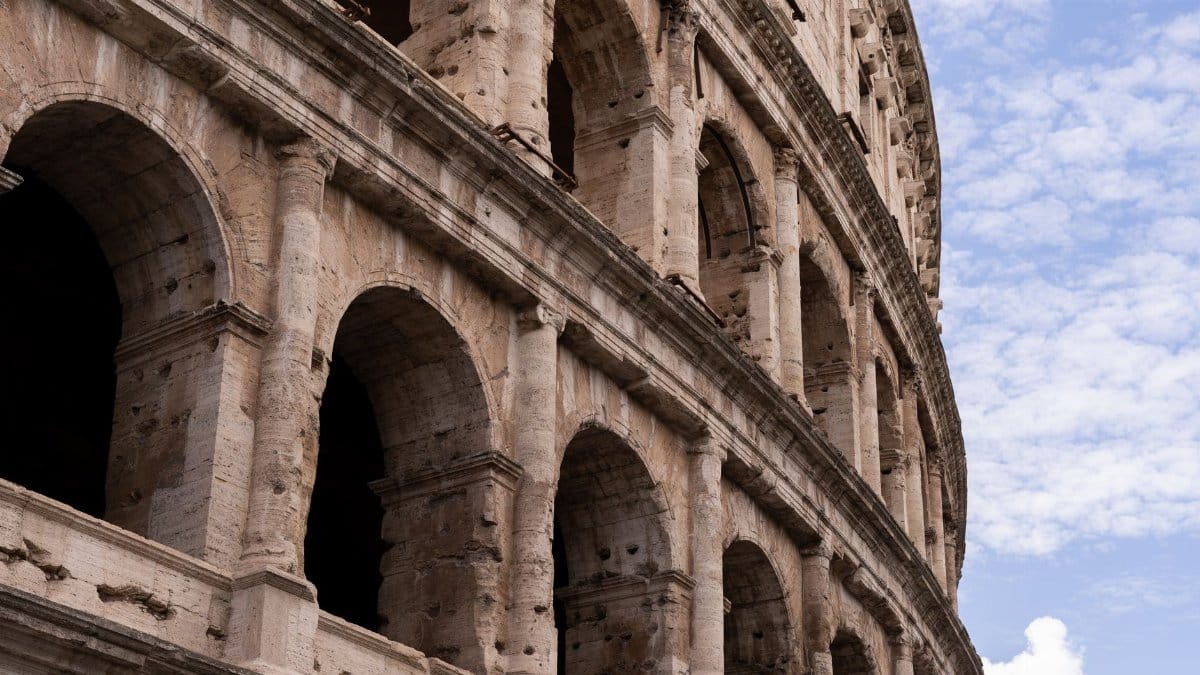
The Los Angeles Memorial Coliseum has long stood as a site of national moments from Olympic games to political addresses. Its arches and vast seating offered a fitting backdrop for this musical commemoration. Attendees moved through the concourses sharing stories of how their own families arrived in the country generations ago. The setting invited quiet contemplation amid the growing excitement for the performances ahead.
Chris Stapleton Opens with Soulful Country Sounds
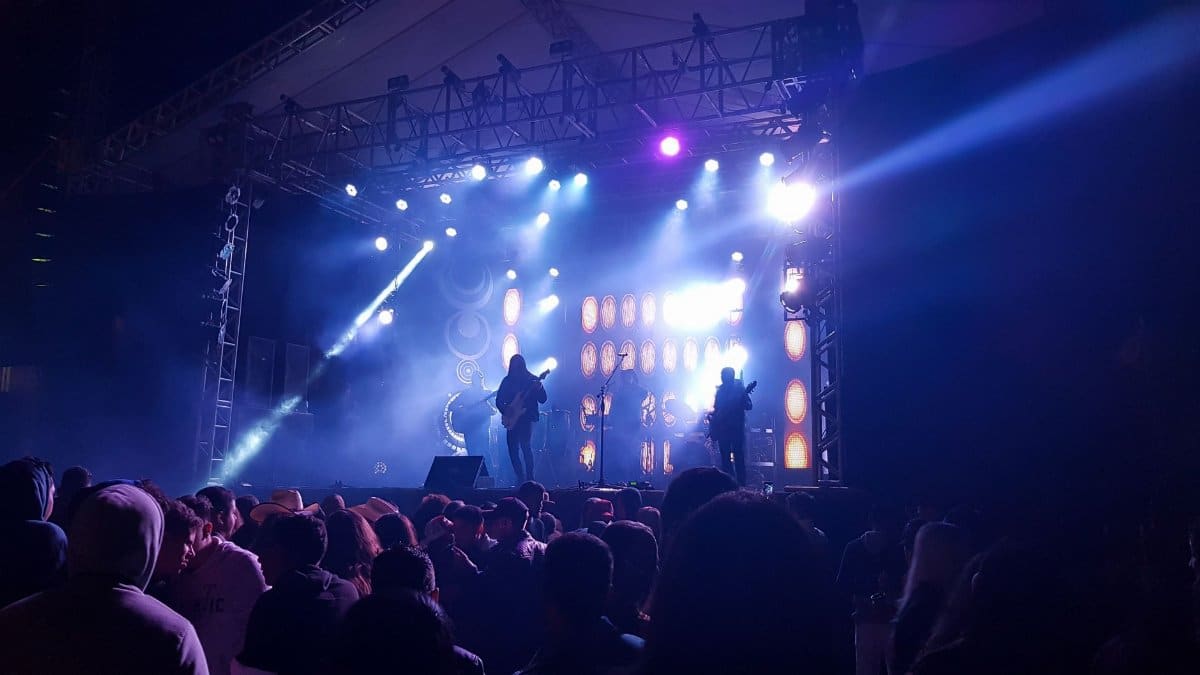
Chris Stapleton began the evening with a set that drew from deep wells of American musical tradition. His gravelly voice filled the arena as he moved through songs about struggle and resilience. Fans who had followed his career for years sang along while newcomers discovered the depth of his catalog. The performance set a tone of sincerity that carried through the rest of the night.
Smashing Pumpkins Bring Alternative Rock Energy

Following the opening act the Smashing Pumpkins took over with their signature blend of loud guitars and introspective lyrics. Billy Corgan led the group through classics and newer material alike. The shift in sound energized the crowd prompting many to stand and move to the rhythm. This portion highlighted how rock music has evolved while remaining a voice for personal and collective experience.
Chaka Khan Delivers Timeless Soul Performances
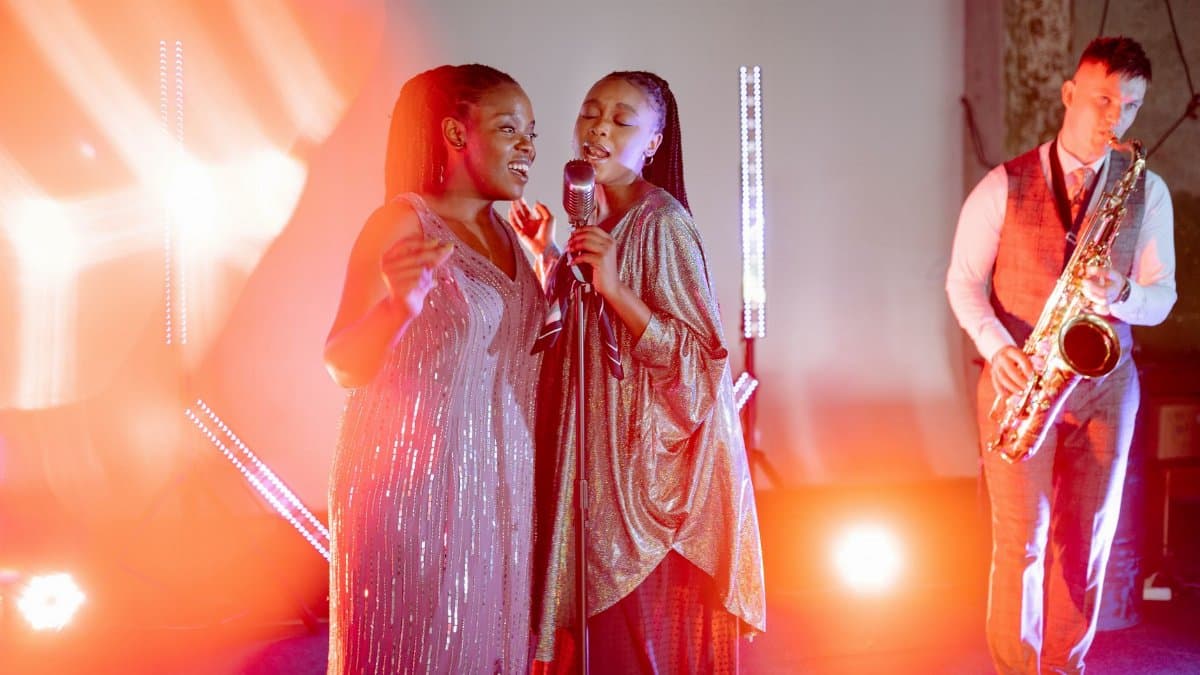
Chaka Khan appeared later in the program offering a master class in vocal power and stage presence. Her selections spanned funk soul and rhythm and blues creating moments of pure joy for listeners of all ages. Longtime admirers recalled her influence on generations of singers while younger audience members witnessed why her reputation endures. The set felt like a bridge connecting different eras of popular music.
How the Program Balanced Genres and Eras

Organizers crafted a lineup that moved smoothly between styles without losing coherence. Country rock and soul each received dedicated space yet the transitions felt organic rather than forced. This approach reflected the diverse ways Americans have expressed identity through song over the past two hundred fifty years. The result was an evening that honored variety rather than forcing a single narrative.
Audience Stories from Across the Region

People traveled from inland valleys coastal towns and neighboring states to attend. Some described the concert as a rare chance to celebrate with strangers who shared only a love of music and a sense of national occasion. Conversations in the stands touched on everything from local politics to favorite childhood records. These personal exchanges added another layer to the communal experience.
Technical Production That Enhanced the Evening
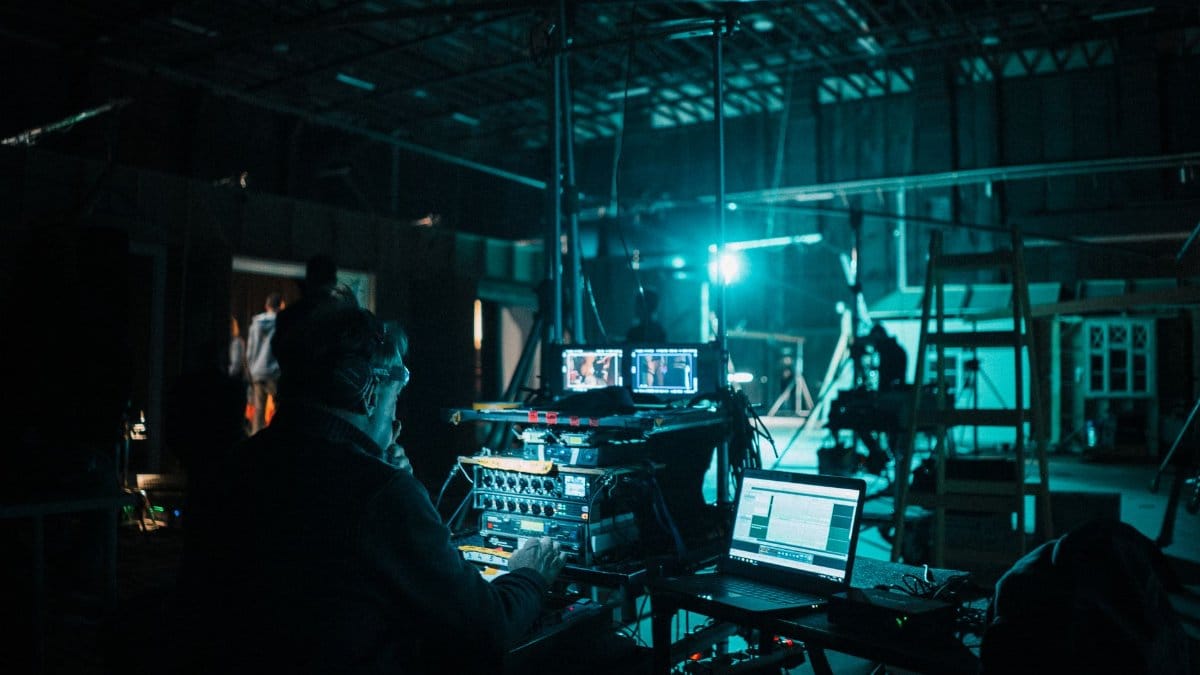
Lighting designers and sound engineers worked to match the scale of the stadium with clarity and drama. Large screens displayed archival images that complemented the music without overpowering it. The technical choices supported the emotional arc of the show rather than distracting from it. Attendees noted how the production respected both the music and the significance of the date.
Connections to Broader National Observances

This concert formed part of wider efforts to mark the semiquincentennial across the country. Cities from Boston to Honolulu hosted their own events yet the Los Angeles gathering stood out for its emphasis on live performance. Planners drew inspiration from earlier centennial celebrations while updating the format for contemporary audiences. The result felt both rooted in tradition and forward looking.
After the Final Notes What Remains

As the last song faded and the crowd began to exit many lingered to take in the view of the empty field. The evening offered no simple conclusions about the nations next two hundred fifty years. Instead it provided space for music to do what it often does best: hold contradictions and hopes in the same moment. People left with new memories layered onto old ones.