
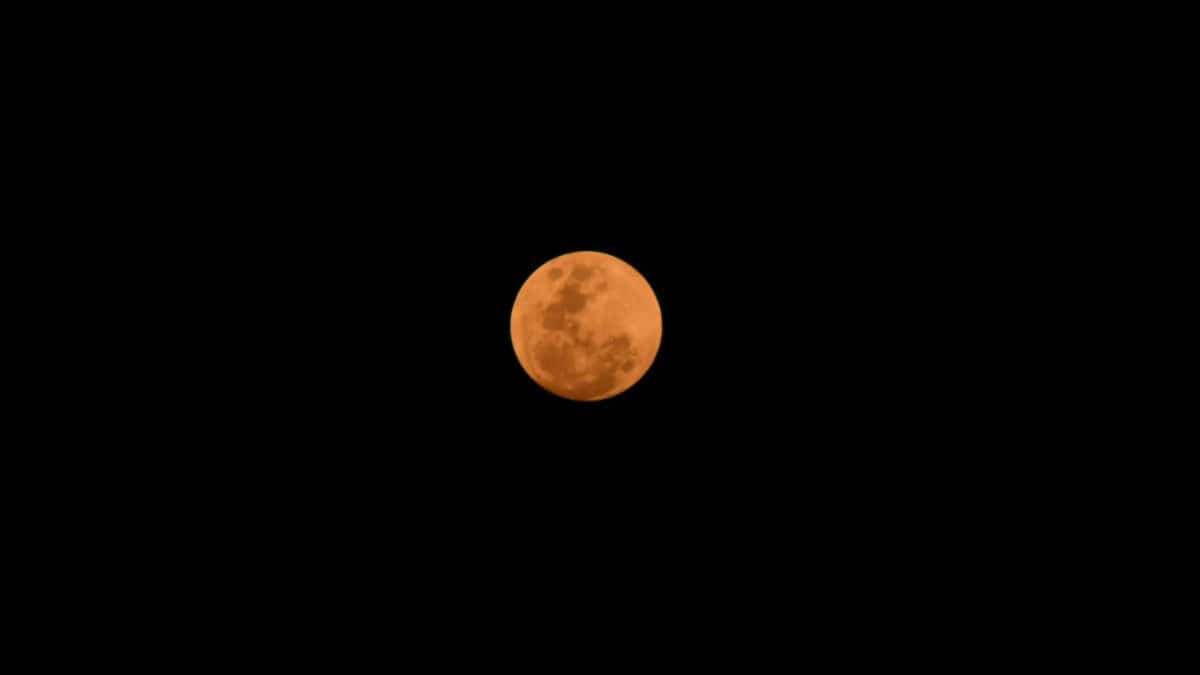
On a warm Saturday in late September, the eastern horizon over Dallas can look ordinary until it does not. Traffic thins, porch lights blink on, and a broad disk lifts out of the haze with a color closer to brick than to silver. Local reporting places moonrise near 7:12 p.m. on September 26, only minutes before sunset on the opposite side of the metro. For people on a lake shore, a downtown sidewalk, or a cul de sac in the northern suburbs, Harvest Moon Dallas 2026 is not a slogan. It is a short overlap of daylight and moonlight, easy to miss if you are still inside.
A name tied to work, not romance
The harvest moon is the full moon that falls closest to the autumn equinox. In 2026 that equinox arrives a few days before Saturday, so the late September full moon carries the old farm name. The label is practical. Before electric light, crews racing frost needed every extra minute of evening visibility they could get. A moon that rose near sunset extended the workday without a lantern. Songs and postcards added the romance later. The original point was grain, wagons, and the risk of a wet field if you waited. North Texas is not a portrait of nineteenth century New England, yet the name still travels because the sky event is the same: a full moon set beside the turn of the season.
The clock for Dallas on Saturday
Saturday is the night that matters most for anyone who wants the classic picture, moon up while the west is still bright. Harvest Moon Dallas 2026 lines up with a reported moonrise near 7:12 p.m., which means the disk clears the horizon while office towers still hold a little sun on their glass. The trick is the eastern view, not the western one. Sunset color will pull eyes the wrong direction. If you are downtown, look toward Mesquite, Garland, or the open country past Interstate 30. The moon will look largest in those first minutes, an illusion created by trees, tanks, and rooflines rather than by any real change in distance.
Why the moon seems to linger near sunset
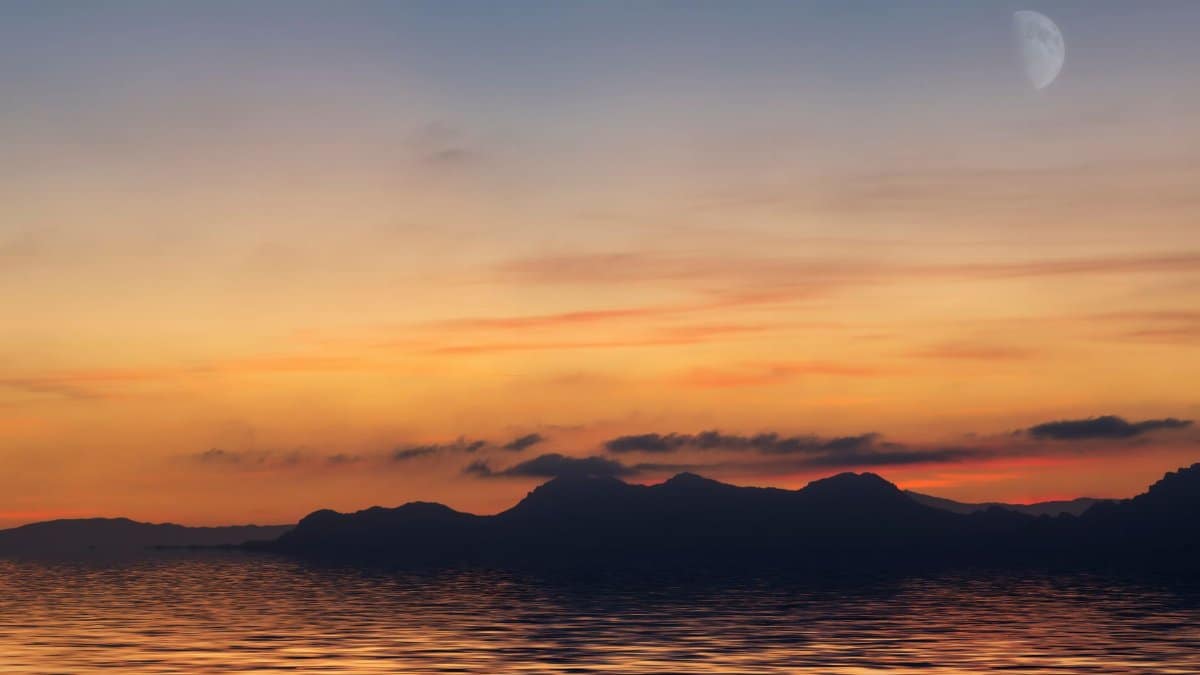
On most nights the moon rises about fifty minutes later than it did the evening before. Around the harvest moon that gap shrinks. The path of the moon relative to the horizon, and the angle of its track in autumn, stack so that successive moonrises come closer together in clock time. Farmers noticed the result before anyone drew the geometry: several evenings in a row with a bright moon available at dusk. You do not need a textbook to see it. Step outside Saturday, Sunday, and Monday near the same hour, and the moon will still be usefully placed, rather than absent until the late news. That clustering is the whole reputation.
Latitude changes the famous effect
The textbook version of this moon is strongest at higher latitudes, where the geometry squeezes the nightly delay even more. Dallas sits nearer the Gulf than the northern prairie. The effect does not vanish here. It simply becomes less extreme. Expect a helpful moon at dusk, not a suspension of ordinary rules. A lot of seasonal writing promises a sky that only truly behaves that way much farther north. North Texas gets something better suited to its own latitude: a full moon that meets the weekend, a warm evening, and a horizon often soft with humidity. The science is the same. The experience is local, and that is enough.
Where the eastern sky stays open
A good seat is any place with a low eastern rim. White Rock Lake works when trees do not wall off the water. The Dallas Arboretum can be lovely and also crowded. Flagpole Hill gives elevation without much fuss. Farther out, a county road east of the city often beats a famous park, because billboards and stadium lights steal less of the first ten minutes. Harvest Moon Dallas 2026 will not require a wilderness permit. It will require you to arrive before the stated moonrise and to face the unfashionable direction. Bring a chair. The first appearance is the show. Ten minutes later the disk is higher, smaller to the eye, and easier to ignore.
Heat, haze, and the chance of storms
Late September in Dallas is not sweater weather by right. Highs can still sit in the upper 80s or low 90s, and the air often holds Gulf moisture. That moisture is what paints the rising moon orange. It is also what builds evening storms. No honest account can lock in a cloud forecast for a Saturday far ahead, and this one will not pretend otherwise. Check the sky to your east in the late afternoon. A line of cloud along the horizon can hide the moon for twenty minutes and then release it, suddenly clean. If storms fire, wait. The moon does not follow your schedule, but it also does not leave after one missed glance.
Meaning people bring to the same light
Spiritual readers have as much claim on this night as farmers once did, which is a human claim, not a scientific one. Harvest language shows up in church suppers, in the Jewish season of repentance that often falls in this stretch of the calendar, in pagan gratitude rites, and in family tables that have no doctrine at all. Harvest Moon Dallas 2026 will not settle whose reading is correct. It offers a shared object. People who pray and people who do not can stand on the same curb and agree that the sky did something noticeable. In a city that argues easily, that small agreement is not nothing. Attention itself has become rare, and attention is where most practices worth keeping begin.
Families, phones, and a shared pause
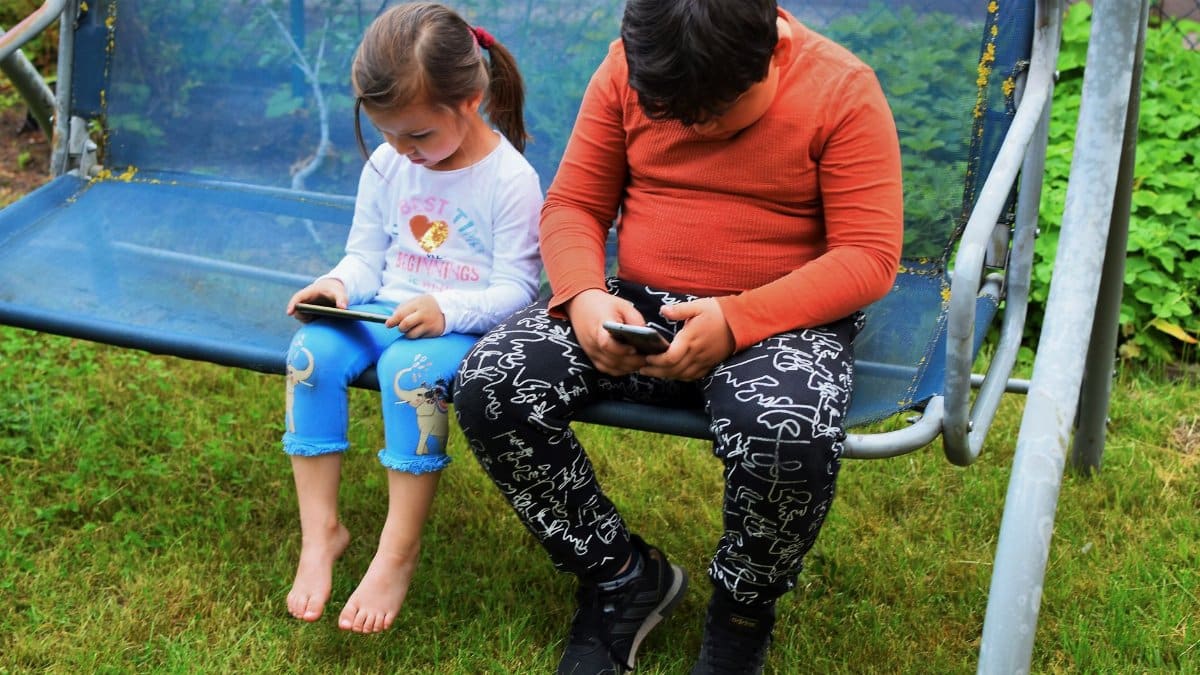
Watch a parking lot at White Rock or a school field in Plano and you will see the modern rite. Someone holds a phone at arm length. A child asks why the moon is orange and receives a half right answer about dust. A couple argues mildly about dinner. None of this is lesser than a silent vigil. The harvest moon became folklore because groups noticed it together. Dallas still does that, only with group texts and a cooler in the trunk. If you want the night to feel like more than a notification, put the phone down for the first two minutes after the disk clears whatever stands in front of you. You can photograph it after. The deep color fades once it climbs.
What astronomers actually mean by full
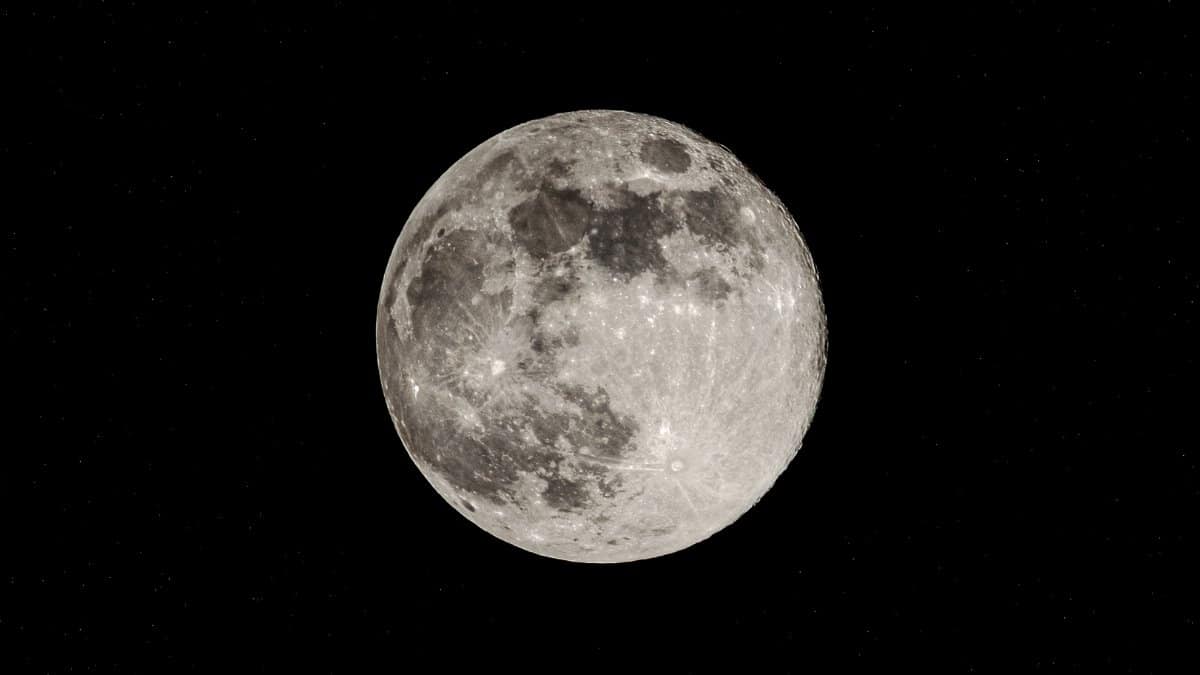
Full means the moon sits opposite the sun, so the side that faces Earth is lit. It is a moment, not a whole night, though the eye cannot tell the difference for many hours on either side. The moon is not closer merely because it is full. Distance depends on where it sits in its oval path. Some full moons are modestly nearer, some farther. The huge look at moonrise is a trick of perception. The brain compares the disk to buildings and trees and decides it must be enormous. Overhead, with nothing to measure against, the same moon looks plain. Knowing that does not ruin the view. It keeps a false fact from getting repeated at the dinner table.
The nights just after Saturday
Sunday and Monday deserve a mention because the harvest moon is a run of evenings, not a single postcard. The rise time shifts later, but less than you may expect if you only know the usual fifty minute rule. That is the practical gift. People who work Saturday can still catch a strong moon at a civilized hour on Sunday. Apartment dwellers who miss it behind a neighboring roof can try a different street the next night. The name attaches to one full moon, yet the useful light spills across the weekend. Treat Saturday as the headline and the following nights as the part you can actually schedule around soccer, shifts, and the long drive back from a lake house.
A quiet practice that does not require belief
I have stood in a grocery parking lot and watched a full moon come up over a sign for motor oil, and it still worked. You do not need a circle, a chant, or a correct belief to mark the night. A simple practice is enough: name three things from the year that actually fed you, in money or in friendship or in health, and one thing you are ready to set down. Say them aloud if you are with people you trust, or not at all. The point is not magic. The point is to borrow an old agricultural pause in a city that rarely pauses. If that feels too staged, skip it and just look. Attention was the original tool.
Why this one still matters in a bright city
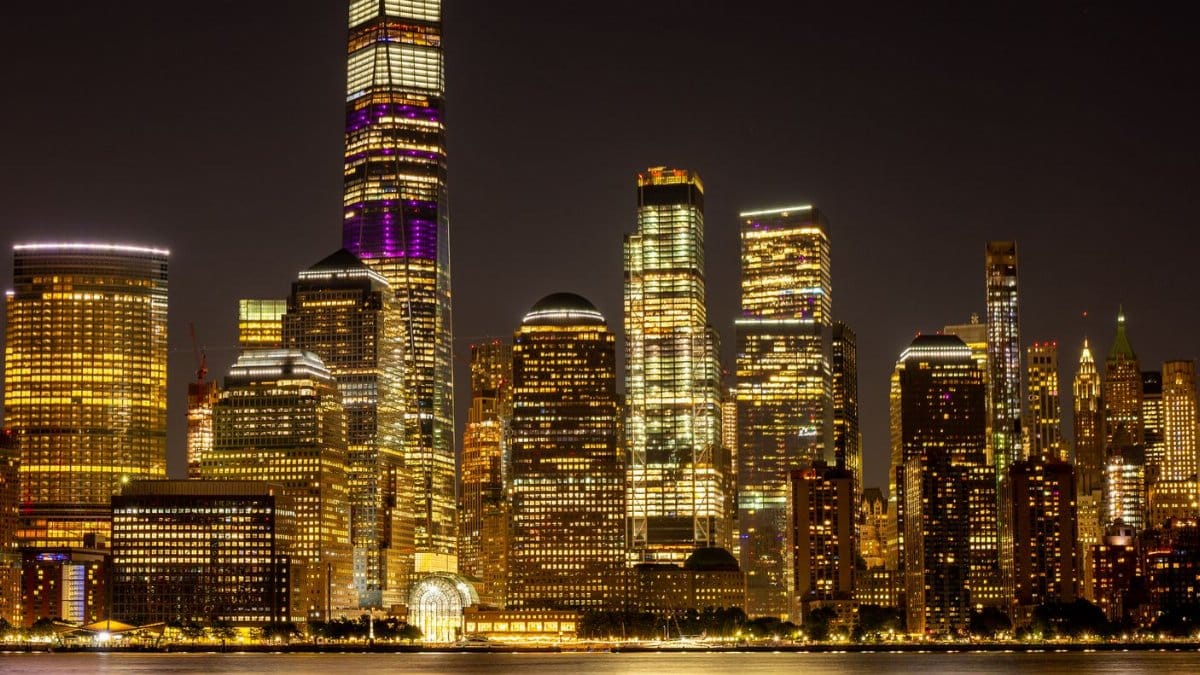
Dallas is not dark. Stadiums, refineries, porches, and highway lamps wash out faint stars. A full moon does not need darkness to announce itself. That is why it still cuts through a metro of more than a million households. Harvest Moon Dallas 2026 arrives on a Saturday evening, near 7:12 p.m., with the sun not yet gone. You can see it from a balcony if the building next door allows, or from the end of a block if it does not. No ticket and no perfect weather are required, only an eastern gap and a few unscheduled minutes. In a season when the calendar fills itself, an event that asks so little and still changes the color of the sky is worth walking outside for.