
The waters off Florida’s east coast have drawn scientists and conservationists for decades as they track the condition of vital reef systems amid growing coastal pressures. When assessments revealed greater than expected harm from an ongoing sand movement initiative at a major port facility, federal officials made the call to stop work temporarily. Observers note that such pauses reflect the delicate task of maintaining navigation channels while safeguarding marine habitats. Attention has now turned to recovery prospects and future planning for these ecosystems, including the Fort Lauderdale corals that help anchor local biodiversity.
Background on the Port Initiative

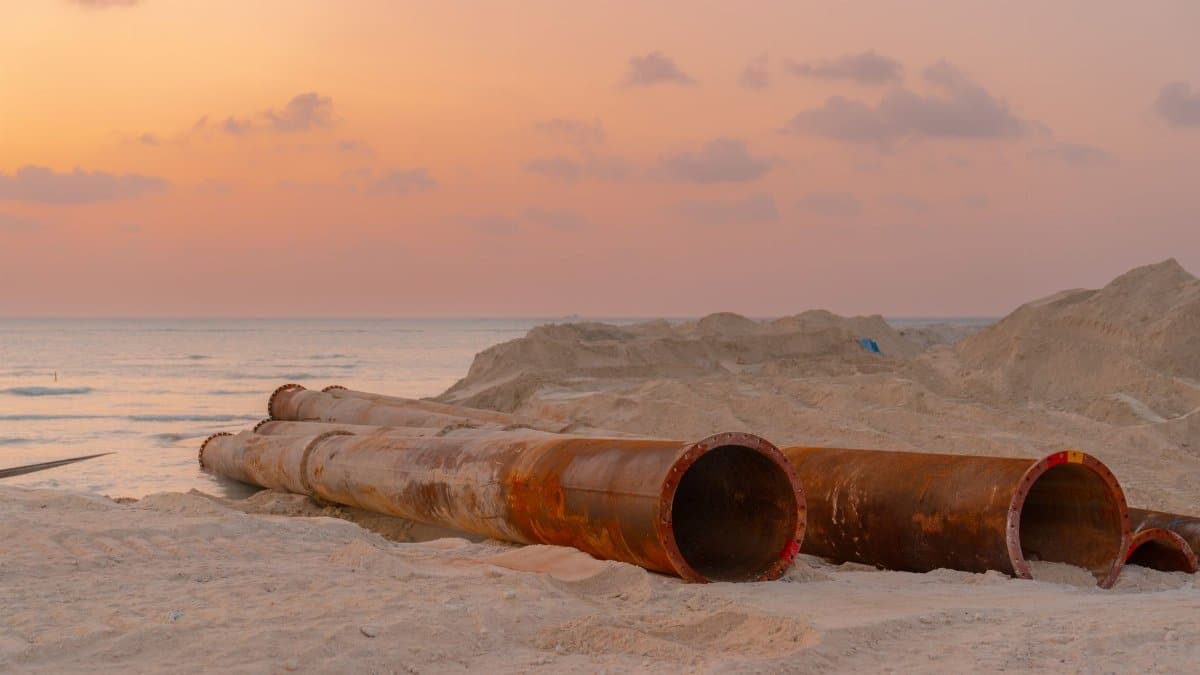
The Army Corps of Engineers had been advancing a sand bypass effort at Port Everglades to replenish nearby beaches and sustain shipping access. Surveys conducted during the work detected elevated levels of physical disturbance to reef structures. Officials determined that continuing without adjustments would risk further setbacks for protected species. The pause allows time for revised methods and additional monitoring to limit future effects.
Details of the Survey Findings

Teams documented scattered fragments and displaced colonies across targeted zones. These observations exceeded initial projections for acceptable impact during the bypass operations. Experts emphasize that even limited harm can disrupt the slow growth patterns typical of reef building organisms. The findings prompted immediate consultation with wildlife agencies to assess compliance with existing protections.
Ecological Value of Local Reefs
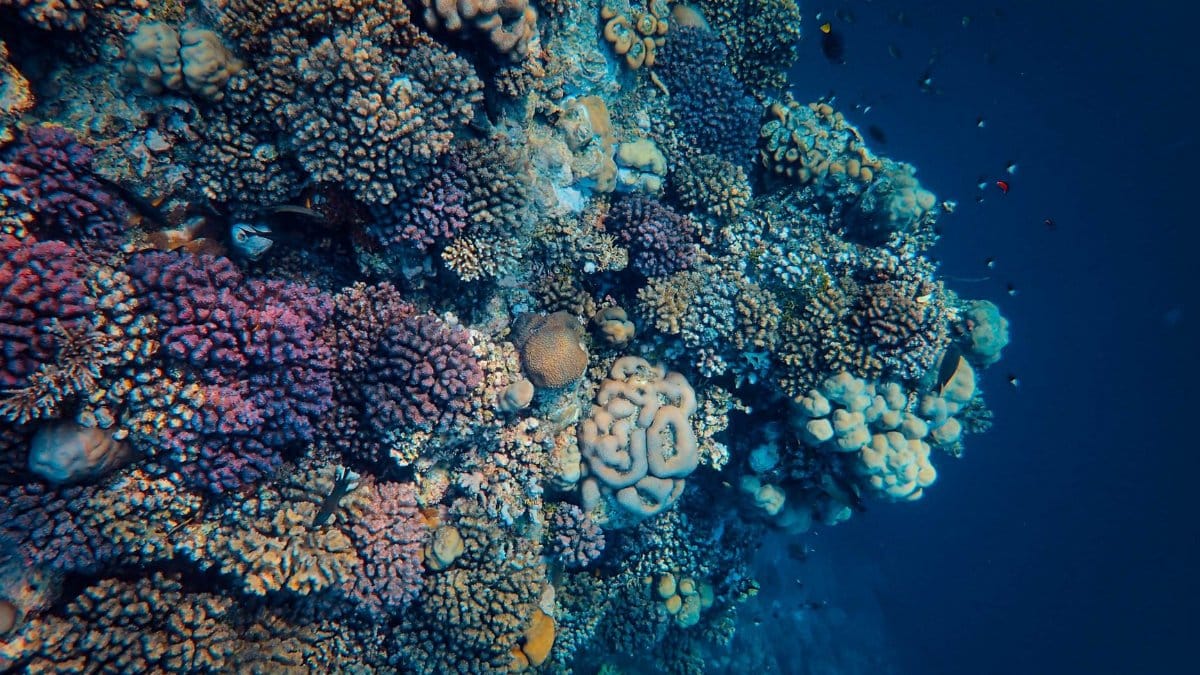
Reef communities in this region support numerous fish populations and contribute to shoreline stability against wave action. They also serve as indicators of broader ocean health in subtropical environments. Damage here can ripple outward, affecting tourism economies and recreational fishing that many residents rely upon. Preservation efforts gain urgency as water temperatures fluctuate and other stressors accumulate.
Regulatory Framework at Play

Federal rules require consultation when projects intersect with protected marine life. The recent halt stems from those procedural safeguards rather than a complete project cancellation. Agencies will now review operational plans to incorporate stricter buffers around sensitive areas. This process illustrates how environmental statutes shape infrastructure timelines in coastal zones.
Community and Economic Ripple Effects

Local businesses tied to beach tourism expressed concern over extended delays in sand placement. At the same time many voiced support for measures that protect the natural assets drawing visitors year after year. Discussions in public forums reveal a shared desire for solutions that accommodate both commerce and conservation. The episode has sparked renewed dialogue about sustainable coastal development strategies.
Recovery Approaches Under Consideration
Restoration specialists suggest techniques such as careful fragment stabilization and outplanting of resilient strains. These methods require precise timing and ongoing observation to improve success rates. Partnerships between government bodies and research institutions could accelerate implementation once the pause lifts. Long term monitoring will determine whether such interventions restore previous coverage levels.
Broader Lessons for Coastal Projects
This situation underscores the need for thorough pre project mapping in areas with known reef presence. Adaptive management allows teams to respond quickly when new data emerges during construction. Similar initiatives elsewhere may adopt enhanced protocols based on lessons from this case. Collaboration across disciplines remains essential to navigate the competing demands of development and habitat integrity.
Future Monitoring and Adaptation

Continued surveillance of the Fort Lauderdale corals will guide any adjustments to the sand bypass schedule. Data collected over coming seasons can inform whether modified equipment or altered timing reduces incidental contact. Public updates from the Corps are expected as reviews progress. Such transparency helps maintain trust among stakeholders invested in both economic and ecological outcomes.