
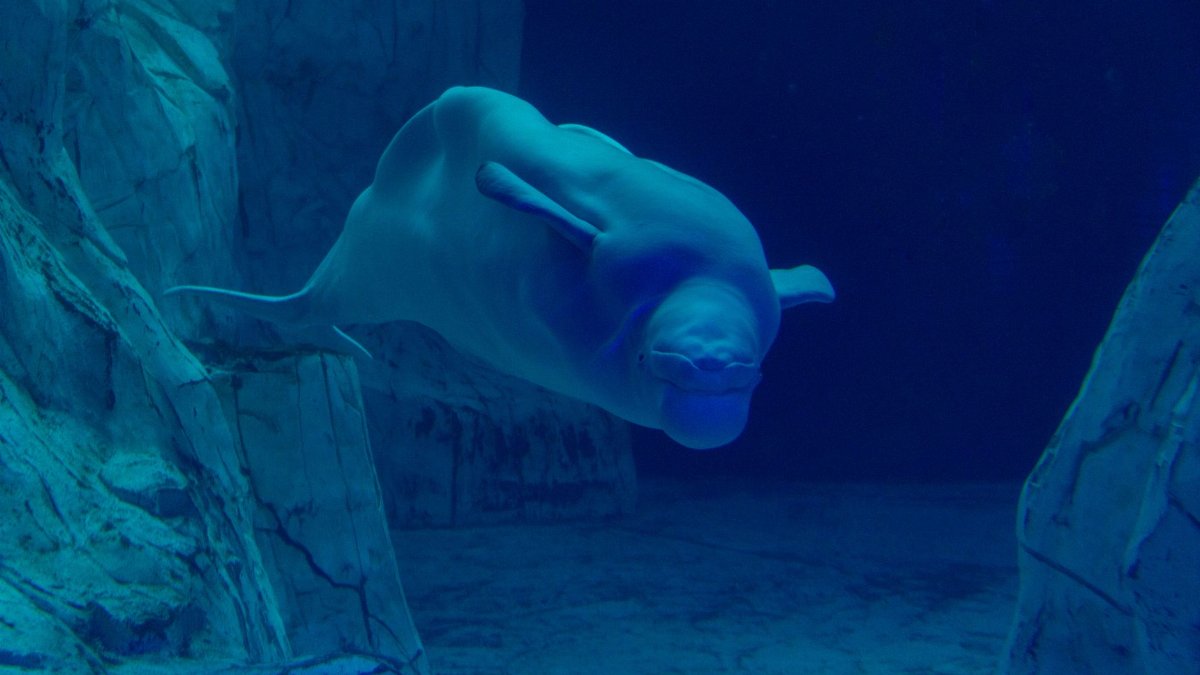
On a quiet weekday morning along Chicago’s lakefront, visitors who had come to watch white whales arc through blue water found a notice instead of a performance. Staff spoke in low voices. Children asked why one animal was missing. The answer, stripped of ceremony, was this: Shedd beluga Caspian dies, and a rescue that had been described as a second chance ended in another death.
A rescue that could not outrun frailty

Caspian was a 27 year old female beluga who had been moved from Marineland in Canada to Shedd Aquarium. She died Wednesday after days of intensive veterinary care. Aquarium officials said teams worked around the clock. They monitored her breathing, her appetite, her bloodwork, and the small signs that tell keepers whether a whale is slipping. None of it was enough.
The loss is the fourth among belugas brought south from the Canadian park. Each death has landed harder than the last, because the transfers were meant to be an act of mercy. Animals living in a facility slated for closure were offered larger pools, more specialized medicine, and a staff that has cared for belugas for decades. Mercy, it turns out, does not guarantee survival.
Who Caspian was beyond the headline

To most Chicagoans she was a name on a sign and a pale shape under the surface. To the people who fed her and logged her behavior, she was an individual with habits. Belugas are social, vocal, and oddly expressive. They chirp, click, and whistle. They lean into familiar hands. They notice when a companion is gone.
Caspian arrived carrying the history of a life spent in human care, not in the Arctic seas where her species evolved. That history matters. A whale can be physically present and still be medically fragile. Age, prior conditions, the stress of transport, and the shock of a new social group can converge in ways no checklist fully captures. When Shedd beluga Caspian dies, the public hears a single sentence. The keepers hear the end of a long, particular relationship.
The road from Niagara to Chicago

Marineland, the Ontario park that held Caspian and other belugas, has been winding down its marine mammal operations under public and governmental pressure. Moving large whales is not like moving furniture. It requires custom slings, temperature control, veterinary escorts, and a route planned to the minute. The animals are sedated only as needed. They are kept wet. They are watched for every change in heart rate.
Shedd agreed to receive several of those whales, joining a small group of accredited aquariums willing to take animals that might otherwise have nowhere to go. Supporters called it responsible stewardship. Critics called it the continuation of a system that should have ended years ago. Both descriptions can be true at once. A transfer can be the least bad option and still be dangerous.
What the medical effort looked like
Aquarium veterinarians do not treat whales the way a clinic treats a dog. Blood draws happen in water. Ultrasound probes meet slick skin. Medications are calculated for bodies that weigh more than a car. When Caspian declined, the team escalated care. They adjusted fluids. They watched for infection, for gastric trouble, for the quiet failure of organs that do not announce themselves until late.
Officials have not released a definitive cause. That absence is not evasion so much as biology. Necropsies on marine mammals take time. Tissues go to outside labs. Findings, when they come, are often a braid of factors rather than a single villain. Until those results exist, honesty requires restraint. She was treated intensively. She died anyway.
Four deaths and a growing unease
One death can be framed as tragedy. Four deaths begin to look like a pattern, even if each animal failed for a different reason. The whales came from the same facility. They shared water, diet, and years of a particular kind of captivity. They also shared the trauma of leaving it. Separating those influences is the work of pathologists, not of social media.
Still, the count matters to the public. People who supported the transfers did so because they believed more whales would live. People who opposed them warned that transport and novelty could kill. Neither camp owns the outcome. The record now includes survival and loss side by side, and the losses are accumulating in a way that demands plain speech. Shedd beluga Caspian dies as part of that record, not as an isolated misfortune.
Why belugas are so hard to keep well
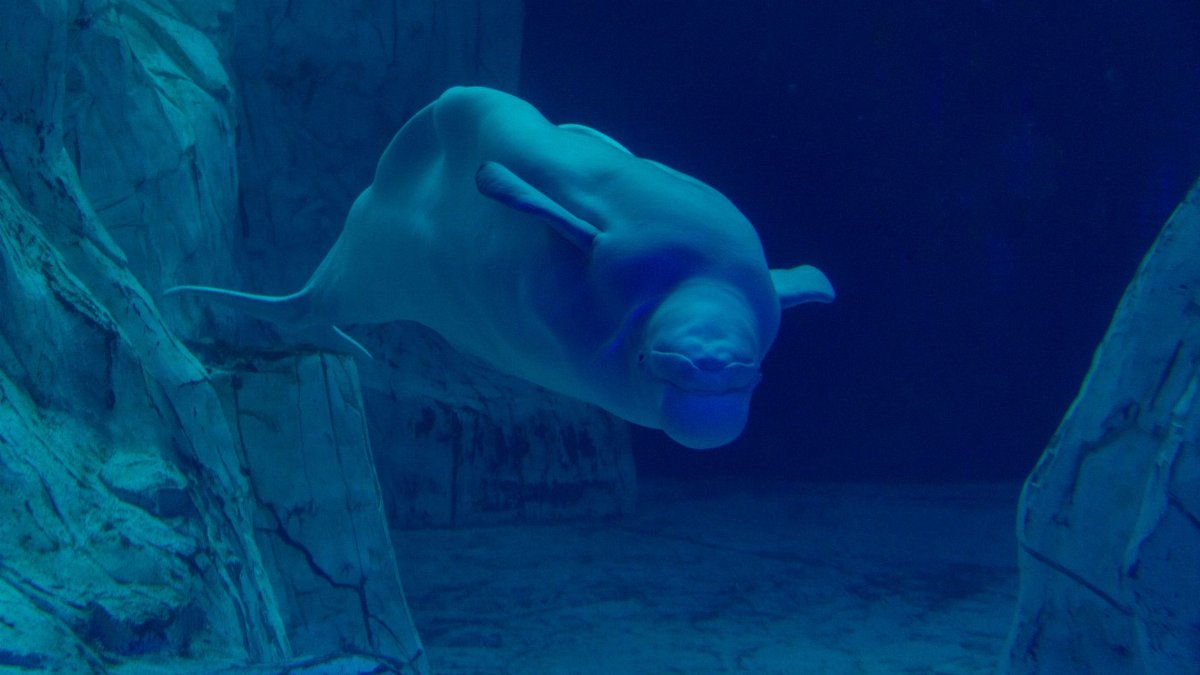
Belugas are Arctic whales built for cold, for ice, for pods that range across vast distances. In aquariums they live in filtered water, on a schedule, among a handful of companions chosen by humans. Some adapt. Some breed. Some reach ages comparable to wild animals. Others do not. The species is famous among keepers for being both hardy and mysteriously fragile. A whale can eat well on Monday and fade by Friday.
Stress is the word everyone reaches for, and it is both accurate and incomplete. Transport stress is real. Social stress is real. So are chronic conditions that predate any plane ride or truck ride. Age matters. A 27 year old female is not ancient for a beluga, but she is no calf. Reproduction, prior illness, and dental or gastric issues can sit quietly until a move exposes them.
Grief in a city that thought it was helping

Chicago has a long relationship with Shedd. Generations learned the shape of a beluga there before they ever saw a documentary. When an animal dies, the mourning is civic as much as personal. People leave notes. They argue in comment threads. They ask whether love for an individual whale can coexist with doubt about the institution that holds her.
I have stood at that glass on ordinary afternoons and felt the odd hush that falls when a whale passes close. It is easy, in that hush, to project wisdom onto an animal that is simply alive and near. The projection is not nothing. It is how a city practices attention. Attention, though, is not the same as understanding. Understanding requires us to sit with a harder fact: good intentions traveled with Caspian from Canada, and they did not save her.
The argument over aquariums, restated without slogans
The fight over captive whales is usually conducted in absolutes. One side says display is education and conservation funding. The other says no pool is an ocean and no show is a life. Caspian’s death does not settle that fight. It does narrow it. If rescues from closing parks keep ending in funerals, the moral math changes. A transfer cannot be defended only by the hope that preceded it. It has to be judged by what the animals endure after arrival.
Accredited aquariums will answer that they publish standards, employ specialists, and attempt rehabilitations the public never sees. Advocates will answer that standards did not keep four whales alive. Both answers belong in the same paragraph. Pretending the dispute is simple insults the dead and the living alike.
What the surviving whales still need
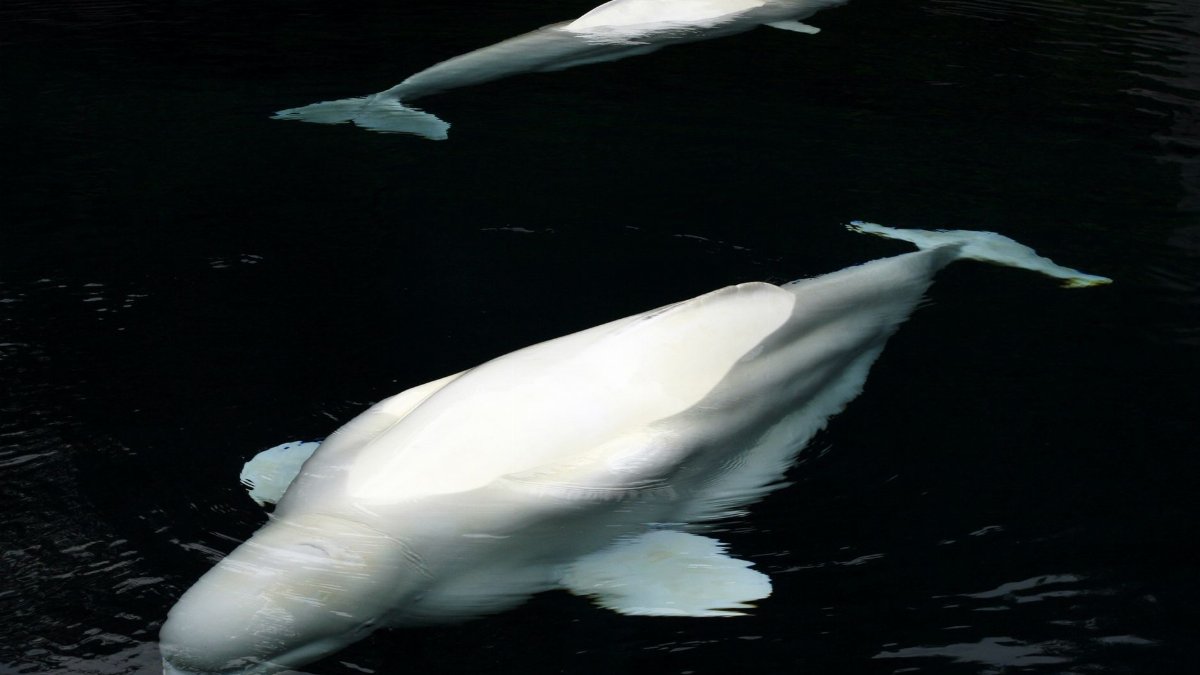
The animals that remain at Shedd did not read the headlines. They still need routine, compatible company, and keepers who notice a missed meal. Beluga pods grieve in ways scientists describe cautiously: changes in vocalization, changes in swimming patterns, a reluctance to leave a familiar corner of the pool. Staff will watch for those shifts. They will also watch their own exhaustion. Caring for a dying whale and then returning to feed the others is a kind of labor most visitors never price into a ticket.
Transparency will matter as much as medicine. Families who brought children to meet these whales deserve updates that are specific without being sensational. Other aquariums weighing similar transfers deserve the necropsy findings when they exist. Silence breeds theories. Theories, untethered from tissue and timelines, become accusations. The corrective is not spin. It is a clear account of what was tried and what failed.
A spiritual question hiding inside a news brief

This is, on its face, a wildlife story. It is also a story about how a public decides what it owes a creature it cannot fully know. Many readers will reach for religious language without meaning to preach. They will say the whale was more than a specimen. They will say a life of that size deserves mourning. That instinct is not naive. It is one of the few bridges between a laboratory report and a child at the rail.
Reverence does not require us to pretend Caspian chose her fate or that her death redeemed the system that held her. Reverence asks for accuracy. She was a female beluga of 27 years. She crossed a border because humans decided her old home was no longer tenable. She received intensive care. She died on a Wednesday in Chicago. When we say Shedd beluga Caspian dies, we are not completing a slogan. We are naming a limit.
Lessons that should outlast the news cycle

First, closing a marine park is not the end of responsibility. It is the start of a logistics problem with moral weight. Governments, parks, and receiving aquariums need shared criteria for which animals can travel and which are too compromised to move. Second, the public should be told, early, that rescue mortality is a known risk, not a surprise invented after the fact. Third, education claims have to survive contact with grief. A child who learns that whales are intelligent deserves an adult who will explain, without flourish, why this one did not live.
None of those lessons will comfort the people who knew Caspian’s particular sounds. They might, over time, spare another whale a journey she cannot finish.
What Chicago can do with the loss
The city can refuse both cynicism and consolation. Cynicism says every aquarium death proves the whole enterprise rotten, so nothing learned in the building counts. Consolation says the team did its best, so questions are ingratitude. A more adult response holds both the effort and the outcome. Intensive care was real. Death was real. The fourth loss is real.
Visitors will return to the Oceanarium. Some will feel uneasy at the glass. That unease is useful if it leads to better reporting, better transfer decisions, and a clearer account of what belugas require. It is useless if it becomes only a mood.
An ending without redemption

There is no tidy moral that restores Caspian to the pool. There is a female whale who left Ontario and did not recover in Illinois. There are three deaths before hers among the same rescue effort, and there may be findings still to come that explain pieces of the sequence. Until then, the fairest sentence remains the hardest one. Shedd beluga Caspian dies, and the people who moved her, treated her, and watched her must live with what that sentence does not fix.
If there is any offering left to make, it is attention of the unsentimental kind: names recorded accurately, medicine described without boast, and a public willing to ask whether the next transfer should happen at all. That is not a prayer. It is the minimum a city owes an animal it agreed to receive.