
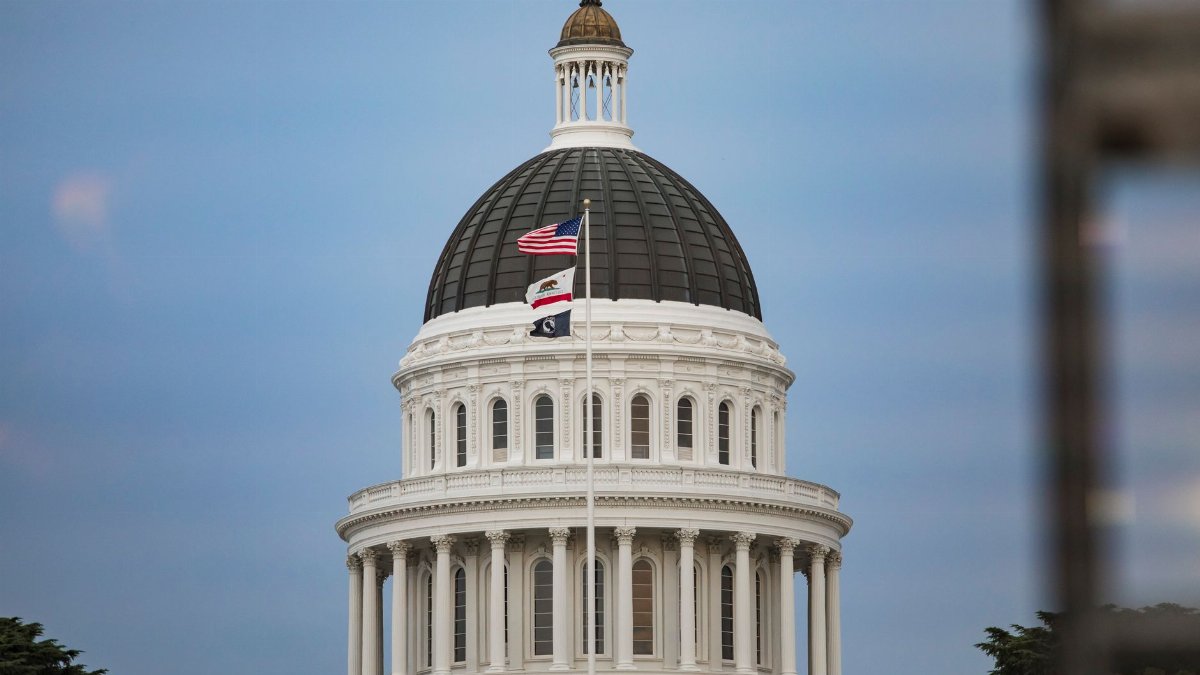
On a weekday morning in Sacramento, the talk in coffee lines still turns to who might occupy the corner office next. Readers who have followed California governor race Skelton columns for years already know the habit: measure the candidate against the job, not the slogan. George Skelton of the Los Angeles Times has watched nine governors try to steer the largest state economy in the nation. That span covers boom and bust, drought and flood, recall and return. The question he keeps putting in front of voters is simple and hard. What kind of governor does California actually want, and which problems will that person be willing to own when the cameras leave?
A column built on patience rather than prediction

Skelton writes in a register that has grown rare in political coverage. He is less interested in the daily insult than in whether a proposal can survive contact with the Legislature, the budget, and the courts. For middle aged readers who remember more than one administration, that patience is the point. A governor is not a television character. A governor is a manager of water, prisons, schools, wildfire, and a tax system that never quite matches the rhetoric used to sell it.
The value of a long column is memory. Campaigns reset every cycle and pretend the last failure never happened. A reporter who has sat through nine governorships can remind readers that housing shortages did not begin with the current occupant, that school fights recur under both parties, and that promises made in a primary often shrink once the Department of Finance opens the books. That is not cynicism. It is a public service.
Nine governors and a moving electorate

California has changed underneath those nine tenures. The state is more urban, more diverse, and more expensive than the California many longtime readers grew up in. Party registration has shifted. The old inland and coastal split still matters, but it no longer explains every vote. Suburban parents worried about rent and insurance now share a ballot with farm towns worried about groundwater and with city voters who want streets they can walk at night.
Skelton has argued, across decades of columns, that governors succeed when they respect that mix. They fail when they govern as if one region, one donor class, or one social media audience is the whole state. The office still requires a coalition. No speech can substitute for one.
What voters keep asking for

Strip away the personalities and a familiar list appears. People want housing they can afford, schools that feel competent, streets that feel safe, and a government that does not treat every crisis as a press conference. They want water policy that plans past the next wet winter. They want wildfire preparation that is more than a seasonal headline. They want a budget that does not collapse the first time capital gains taxes fall.
None of that is glamorous. It is also why the California governor race Skelton lens is useful. A columnist who has covered the office for this long tends to ask whether a candidate has ever managed anything larger than a campaign. Voters can forgive a lack of charm. They have a harder time forgiving a lack of follow through.
Housing as the test no slogan survives

Housing is the issue that now sorts serious candidates from performers. Rents and home prices shape where people live, how long they commute, whether adult children can stay near parents, and whether teachers and nurses can remain in the communities they serve. Every recent governor has talked about supply. Fewer have been willing to anger local officials, environmental litigants, and neighborhood groups at the same time.
A reader does not need a new theory to see the pattern. If a candidate promises abundance but will not say which local vetoes should yield, the promise is theater. Skelton style coverage presses that point without pretending there is a single lever in the Capitol that builds a million homes. Zoning, fees, labor rules, insurance, and interest rates all sit in the same room. A governor who understands only one of them will announce victories that families cannot feel.
Water, fire, and the climate that does not wait
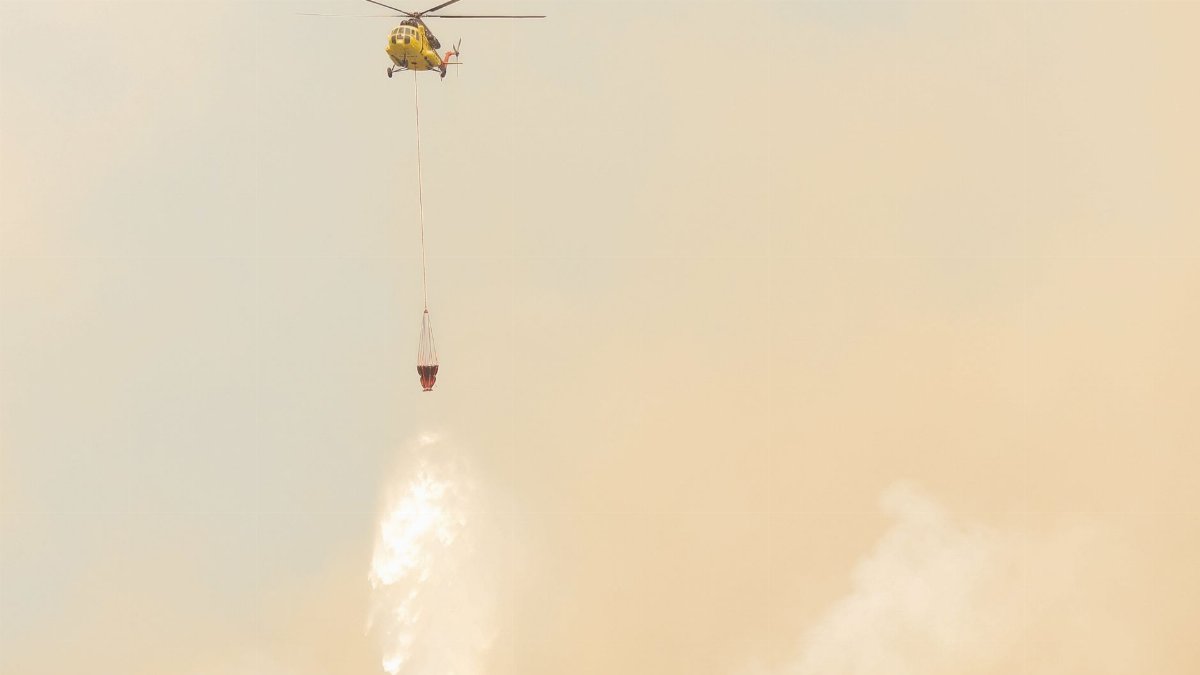
California politics has always been water politics. What has changed is the speed of the damage. Longer fire seasons, insured losses, and shrinking snowpack turn abstract climate arguments into insurance bills and evacuation orders. A governor cannot negotiate with a hillside. A governor can fund forest work, speed utility safety, and tell the truth about where building should stop.
Here the long view matters. Short administrations like to cut ribbons. The projects that protect the state, from storage to transmission lines to hardened communities, outlast a single term. Readers who have watched pledge after pledge should ask who will still be advocating for the unglamorous maintenance when the headline moves on. That question sits at the center of any honest California governor race Skelton reading of the field.
Homelessness, crime, and the loss of trust
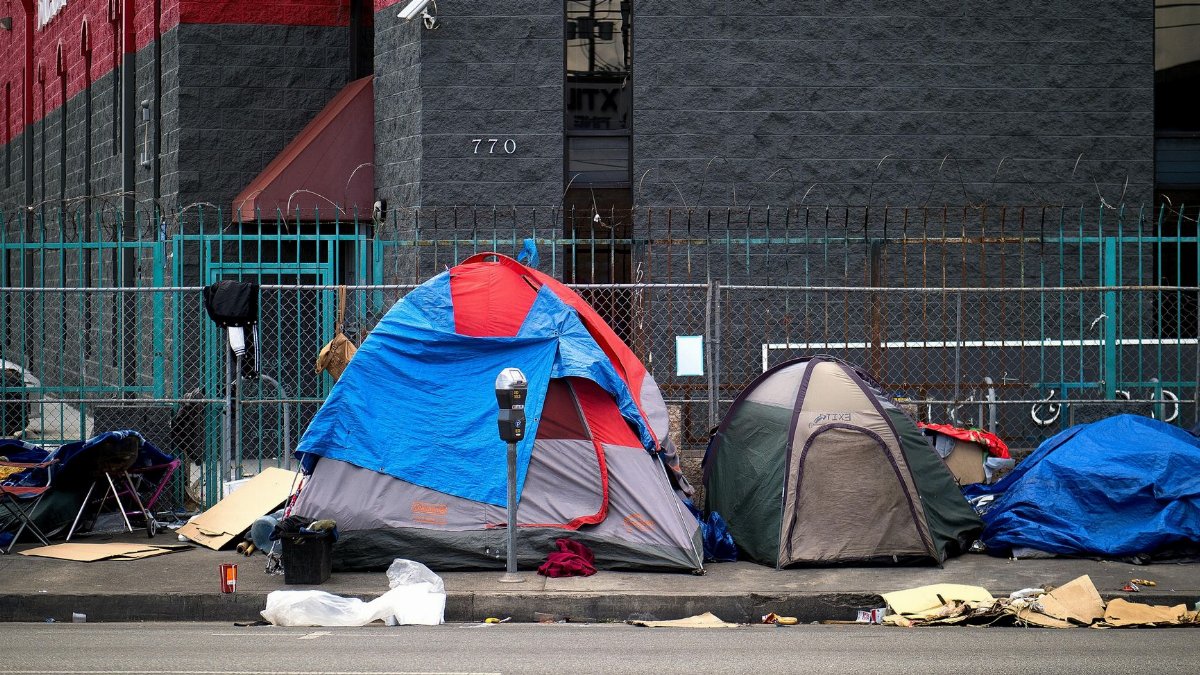
Homelessness is where compassion and competence collide in public. Voters have approved money. Cities have announced initiatives. Encampments remain, and so does a sour belief that Sacramento confuses spending with results. Crime, even where trends are mixed, feeds the same belief. People judge government by what they see on the block, not by a statewide average buried in a report.
A durable governor will have to hold two ideas at once. Mental illness and addiction are real, and so is the right to a sidewalk that is not a camp. Enforcement without housing fails. Housing without any expectation of order also fails. Columns that have outlasted several crime waves tend to be skeptical of both the tough talker and the theorist. They look for someone who will publish numbers, admit what is not working, and change course without a culture war attached.
Money, personality, and the shape of the campaign

Modern races are expensive, and California is a continent pretending to be a media market. Television still matters in some regions. Digital ads matter in others. A candidate with a famous name can raise money faster than a mayor with a real record. That imbalance is not new, but it is sharper now. Skelton has spent a career watching charisma arrive in Sacramento and then meet the Assembly. Charm helps on day one. It does not pass a budget.
Primary calendars reward early name recognition. They also punish candidates who need time to explain a complicated record. Voters who care about governing more than vibe should slow down. Ask who has balanced a city budget, negotiated with unions, or taken a loss and stayed in the job. Ask who will tell a friendly interest group no. The answers are usually available. They are just less shareable than a clip.
What a veteran listener hears that a poll can miss

Polls are snapshots. A column built on diner conversations, Capitol hallways, and decades of election nights hears something slower. It hears fatigue with performative anger. It hears respect for competence even among people who disagree on taxes. It hears parents who have stopped believing that the next education plan will reach their child. It hears homeowners stunned by insurance cancellations and renters who have never felt the state was built for them.
That listening does not produce a neat ideology. It produces a standard. Does the candidate know the machinery? Does the candidate tell the truth when the numbers disappoint? Will the candidate spend political capital on problems that will not be solved before the next ad buy? Those are the questions a California governor race Skelton reader is trained to ask, and they travel well beyond one columnist.
The record as a better guide than the reel

Every contender will offer a reel: a crisis managed, a bill signed, a community embraced. Reels are fair. They are also edited. The fuller record includes votes that angered allies, budgets that slipped, and silence when a hard choice was required. Nine governors worth of coverage teaches a plain lesson. The office reveals people. It does not invent them.
Readers should compare that record with the life of the state, not with the life of the campaign. A district attorney, a mayor, a legislator, and a private executive bring different scars. None is automatically qualified. The test is whether those scars produced judgment. Judgment shows up in small choices: whom they hire, which critic they can stand to hear, whether they can explain a tradeoff without a slogan.
A state that wants steadiness more than spectacle

California is not short on spectacle. It is short on the feeling that someone competent is minding the store. That feeling is not nostalgia for a smaller state. It is a demand that a huge state be governed as if results matter more than tribal applause. Housing starts, readable budgets, safer streets, reliable water, and schools that do not lurch from reform to reform are not partisan property. They are the minimum.
Skelton coverage, at its best, refuses to treat that minimum as boring. Boredom is a luxury for people who can buy their way around failure. Most readers cannot. They live with the commute, the premium, the classroom, and the camp on the corner. They are entitled to a governor who finds those facts more interesting than a feud.
How to read the race from here

As the field forms, the useful habit is repetition. Return to the same questions every month. What did the candidate do when in power, not merely what did the candidate say when seeking it? Who pays for the campaign, and what do those payers expect? Which region is being flattered, and which is being ignored? Where is the plan specific enough to anger someone?
There will be debates, ads, and endorsements. There will also be a budget revision, a fire season, and a housing report that will not care who is ahead in a poll. A reader who keeps those documents beside the speeches will see the race more clearly than any single column can. Still, the California governor race Skelton tradition offers a model: stay long enough to remember, write plainly enough to be checked, and judge leaders by the condition of the state they leave behind.
The kind of governor the moment requires

If the last several decades teach anything, it is that California rewards governors who can disappoint their friends in service of a larger public. The state does not need a savior. It needs an executive who can count, who can hire adults, who can tell regions the truth about water and growth, and who can stay interested in the work after the inauguration glow fades.
That is a high bar. It is also a fair one. Nine governors have shown what the office can do and what it cannot. Voters who keep that history in view are less likely to be sold a mood. They are more likely to hire someone for the unphotogenic labor of governing. In a state this large, that labor is the whole job. The campaign is only the interview.