

Public payroll is a quiet contract between residents and the people who serve them. When that contract breaks, the damage is rarely limited to a single paycheck. In recent days, attention in North Texas has turned to Dallas fire marshal double-dipping, after a former Dallas County fire marshal chief was arrested on a theft charge tied to accusations that he collected pay he should not have received. For many readers, the details of county compensation are obscure. The principle is not. A person entrusted with public safety is also entrusted with public money.
What the arrest has put in public view
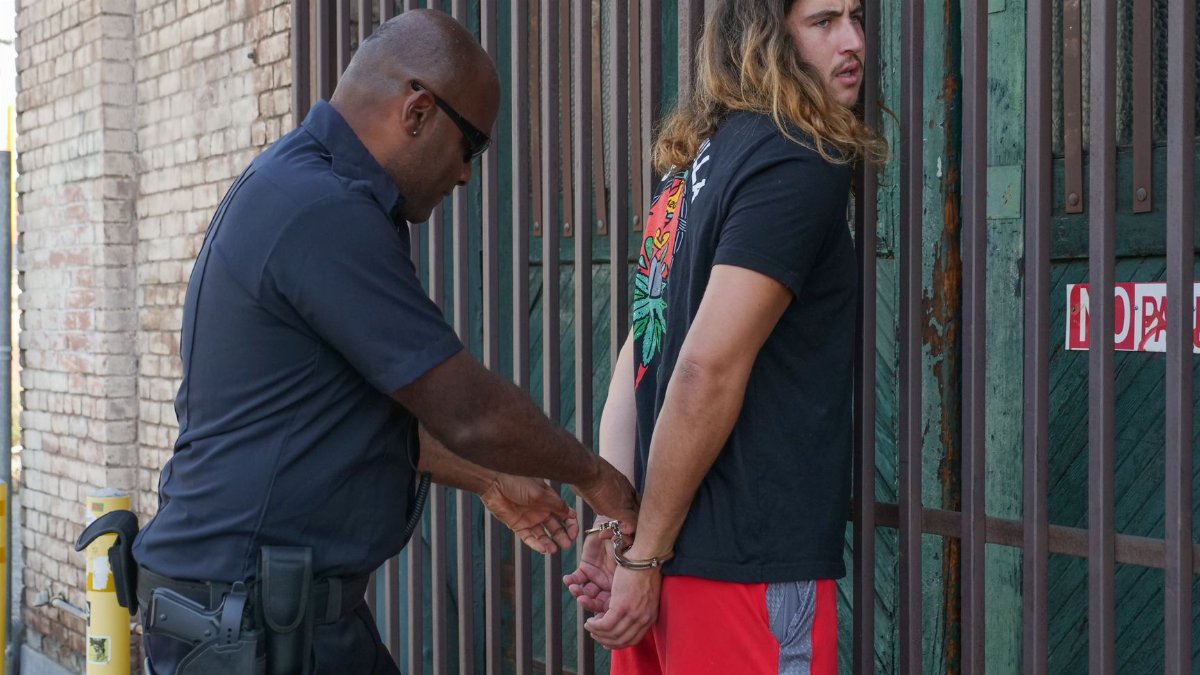
The case, as described in local reporting, places a former chief of the Dallas County fire marshal operation under arrest for theft. The accusation in plain language is that he was paid more than once for work that should have produced a single claim on the public purse. Prosecutors will have to prove that claim in court. An arrest is not a conviction, and every defendant retains the presumption of innocence until a judge or jury says otherwise. Still, the filing of a criminal case against a former public safety leader is itself a civic event. It tells residents that someone in authority believed the evidence was strong enough to take a person into custody.
Readers who follow county government will recognize the setting. Fire marshal offices inspect buildings, investigate fires, and enforce codes that keep strangers safe in places they will never see. The chief of such an office sits at the junction of technical judgment and administrative power. That person signs off on schedules, approves time, and models what the rest of the staff may treat as normal. If the person at the top treats recorded hours as flexible, the culture below can bend with them.
How a county paycheck is supposed to move

County pay looks simple from the outside and complicated from the inside. An employee is assigned to a post. Hours are recorded. A payroll office releases funds that come, ultimately, from taxes, fees, and other public revenue. Some public safety workers also hold secondary duties, teach classes, or respond to emergencies that fall outside a standard shift. Those arrangements can be lawful when they are disclosed, approved, and paid under written rules. They become a problem when the same hour is sold twice, or when leave, overtime, or outside work is hidden from the people who authorize it.
That distinction matters here. The phrase Dallas fire marshal double-dipping is a blunt description of an alleged practice, not a legal term of art. In ordinary speech it means taking two payments for one period of work, or drawing a public salary while also collecting another public payment for time that was not actually given. Payroll auditors look for overlapping time stamps, missing approvals, and patterns that repeat across weeks. They also look for whether supervisors knew, and whether the person accused had the authority to approve his own exceptions.
Why fire leadership raises the stakes

A payroll dispute in a back office can be serious. A payroll dispute involving a fire marshal chief carries extra weight because the job is built on credibility. Inspectors ask business owners to spend money on alarms, exits, and suppression systems. Investigators ask witnesses to trust that a finding about a fire is honest. When the public learns that the person who led that work is accused of stealing from the same public, the doubt does not stay inside the finance department. It spills into every inspection report that bears the office name.
I have watched similar stories land in other cities, and the pattern is familiar. The technical facts of the charge take weeks to explain. The emotional fact arrives in an afternoon. People who already feel distant from government hear one more reason to assume that rules apply only to those without a title. That reaction can be unfair to the many fire service employees who log honest hours. It is also predictable, and leaders who care about the institution have to answer it.
What double collection usually looks like on paper

Without the case file, no outsider can say which documents investigators relied on. In cases of this general kind, the paper trail often includes time sheets, leave records, secondary employment forms, and payments from another public agency or from an overtime program. Sometimes the second payment comes from a training assignment, a mutual aid detail, or a role that was supposed to be performed on personal time. The legal question is not whether the person worked hard. Many accused officials have long records of real service. The question is whether each dollar matched an hour that was authorized and actually worked.
The culture that lets small exceptions grow

Large organizations rarely lose money in a single dramatic moment. They lose it through exceptions that become habits. A chief stays late and later decides the extra time can be billed in two places. A training day is counted as duty and also as a separate contract. A colleague covers a shift and the original name remains on the roll. Each step can be explained in the moment. Together they create a record that an auditor can read as a scheme.
Dallas fire marshal double-dipping, if the accusation holds, would fit that slower pattern more than a spectacular one. The harm is measured in wages that should have stayed in a county account, available for trucks, training, inspections, or the wages of people who were actually on the clock. It is also measured in the hours managers spend reconstructing a past that should have been clear when it happened. Cleanup is expensive even when the missing sum is modest. Trust is more expensive still.
Colleagues and the quiet damage

An arrest of this kind does not land only on the person named in the warrant. Marshal offices are small worlds. People who worked beside a chief must now answer questions from neighbors and from their own consciences about what they saw, what they signed, and whether loyalty kept them quiet. Those questions can strain a team even when most members had no part in the alleged conduct. Families absorb a different shock. A title that once brought pride becomes a line in a news brief. None of that erases a public loss if the county proves it was cheated. It does remind a reader that criminal cases are lived by more than one household.
What residents are entitled to ask

Taxpayers do not need a law degree to ask useful questions. Who reviews time for senior public safety officials, and is that reviewer independent of the person being paid. How often does an outside auditor sample fire service payroll. What happens when two agencies both claim the same employee for the same afternoon. Are secondary jobs disclosed in a form the public can see, at least in summary. Those questions are not hostile to the fire service. They are the ordinary maintenance of a system that spends money belonging to other people.
Stewardship and the moral weight of office

This subject often raises a spiritual question, and this story has one if we keep it concrete. Public office is a form of stewardship. The money is not the official money. The time is not a private asset to be rented twice. Religious traditions and secular ethics meet on that point. A person who accepts a badge accepts a limit on personal gain. The limit is not a decoration. It is the job. That framing does not require a sermon, and it does not require us to decide a case that belongs in court. It asks readers who have supervised a budget or a crew to recognize the temptation.
What the court cannot finish alone
From here the path is procedural, and the presumption of innocence remains. County leaders can still publish clearer rules for outside work and separate the person who logs an hour from the person who certifies it. Dallas fire marshal double-dipping should be hard to hide and easy to explain. Readers can follow the case without assuming the ending.