

On a warm evening in North Carolina, the kind of Saturday that still smells like cut grass and concession popcorn, a ranked visitor tried to prove that early season polish could survive a hostile conference road. The Miami Hurricanes Wake Forest score landed at 33 to 20, a result that looked tidy on a phone screen and messier if you watched the stalled drives, the penalties, and the stretches when the home side refused to fold. Fifth ranked Miami left with a win. Wake Forest left with proof that it can bother a team expected to contend.
What a ten point margin actually means

A final of 33 to 20 is not a blowout and it is not a scare that belongs in the last minute either. It sits in the middle ground that coaches both celebrate and distrust. Miami did enough to control the night. Wake Forest did enough to keep the building loud and the visitors honest. For a program carrying a top five label, that middle ground is where reputations get tested. Style points travel poorly. Wins on the road travel well.
Readers who only glance at a final often treat the larger number as a verdict on talent. Talent mattered. So did field position, third down luck, and the simple fact that one mistake in the red zone can swing a game that never feels decided until the clock agrees. Miami won the argument. It did not end the conversation.
A first real conference test

The Herald framed the night as Miami first real Atlantic Coast Conference examination of the season, and that framing fits. Nonconference Saturdays can flatter a roster. Conference Saturdays ask different questions. The opponent knows the schemes. The crowd knows the cues. The officials, the travel, the hotel sleep, and the unfamiliar turf all get a vote.
Wake Forest is not a decorative opponent on a soft schedule. The Demon Deacons play with enough discipline to punish sloppy visitors, and their stadium can turn a routine snap into a noisy event. Miami arrived as the favorite and left as a favorite that had to earn the boarding pass home. That is the useful version of a road win. It teaches without humiliating.
How Miami kept the night in hand

From the outside, the winning formula looked familiar for a ranked club that trusts its athletes. Miami found enough explosive plays to build a cushion, then enough ordinary plays to protect it. Explosive plays win highlight reels. Ordinary plays win conference games. A run that gains four yards on second down is not glamorous. It is how a staff avoids the desperate down and distance that invites a turnover.
The visitors also appeared to manage the emotional swings that undo young teams away from home. A bad series did not become a bad quarter. When Wake Forest answered, Miami answered back before the deficit story could take root. That pattern is what separates a team that is ranked on reputation from a team that can carry a ranking into November. One night does not prove a season. It does suggest a group that can reset between possessions.
Wake Forest and the cost of missed chances

For the home side, 20 points against a fifth ranked opponent is not nothing. It means the offense moved the ball in moments that mattered and the defense created enough resistance to keep donors and students from heading to the exits. It also means the margin came from plays that slipped away. Drops, penalties, and failed fourth downs have a way of adding up to exactly the difference between a statement and a respectable loss.
Wake Forest can take a specific kind of confidence from the film. The Deacons were not overwhelmed for sixty minutes. They competed in the trenches often enough to suggest that future visitors will not stroll through this place. Moral victories are a tired phrase, and coaches hate them. Competitive losses still contain information. The useful question in Winston Salem is which missed chances were talent and which were correctable detail.
Reading the Miami Hurricanes Wake Forest score beyond the headline

The Miami Hurricanes Wake Forest score will live in standings, in résumé arguments, and in the group chats of people who treat September like a preview of January. A 33 to 20 road win against a conference opponent is a clean line for a selection committee months from now, if Miami remains in that conversation. It is also a line that hides the nervous stretches. Committees watch the film. Fans remember the feeling. Both matter, and they do not always agree.
Numbers invite overreading. Twenty points allowed on the road is a respectable defensive evening, not a masterpiece and not a collapse. Thirty three points scored is enough to win most conference games, not proof that the offense is unstoppable. The healthiest reading is modest. Miami is good enough to win an uncomfortable game. Wake Forest is good enough to make a favorite uncomfortable. That is a fair summary until the next Saturday rewrites it.
Ranking pressure after a road win

A top five label is a compliment and a burden. Every opponent circles the date. Every close call becomes a national talking point. Miami did not need style to keep its place in the conversation, but it did need to avoid the kind of loss that resets a season narrative in a single evening. The Hurricanes avoided that. They also reminded everyone that the label does not quiet a stadium.
Poll voters like road wins in league play because they are harder to fake. A team can look flawless against an overmatched visitor at home and then look ordinary when the snaps get louder. Miami looked ordinary in spots and authoritative in others. That mix is common for contenders in September and October. The programs that last are the ones that shrink the ordinary parts without pretending the authoritative parts were inevitable.
What coaches will study when the noise fades
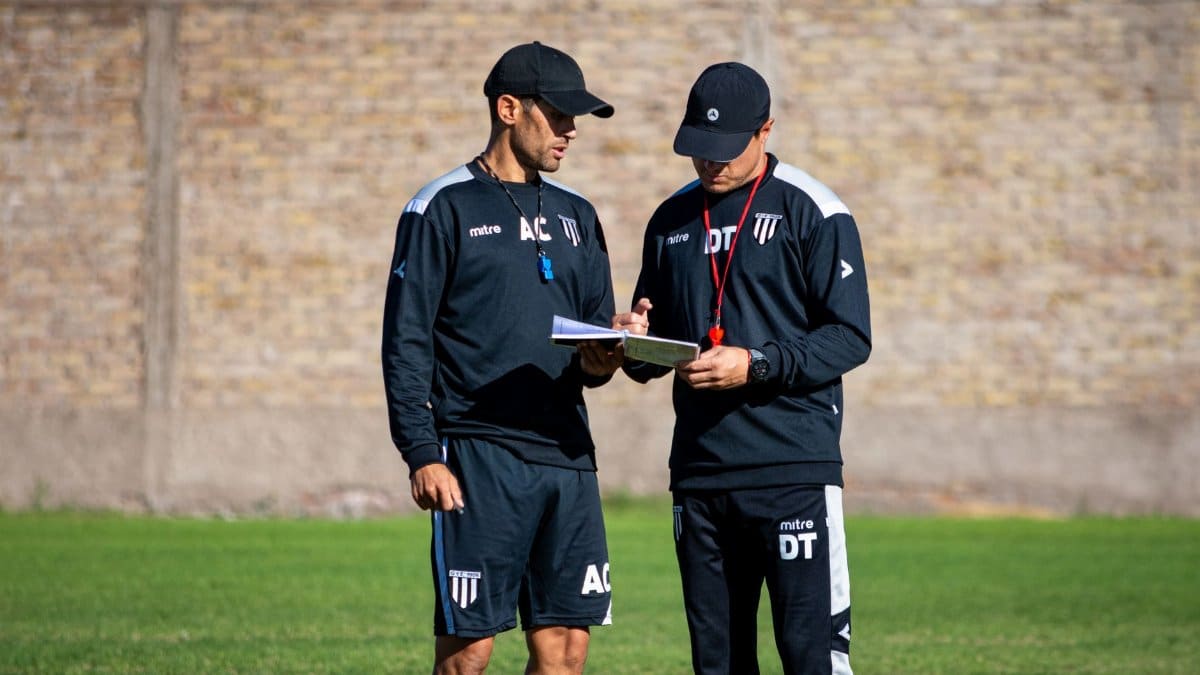
Monday film does not care about the ranking graphic. It cares about leverage, eyes, and whether a protection call arrived on time. Miami staff will hunt the series where Wake Forest created hesitation. Wake Forest staff will hunt the snaps where a lane opened and a tackle was missed by a step. Those details decide whether 33 to 20 becomes a foundation or a warning.
Special teams often hide in recaps and then decide the next game. Field position is a quiet author of finals like this one. A punt pinned inside the ten can be worth as much as a highlight throw. If either side won hidden yards, that edge will show up again when the opponent is better or the weather is worse. Smart programs treat those yards as a skill, not a footnote.
The crowd, the trip, and the texture of the night

Road games have a texture that box scores cannot carry. There is the bus ride, the walk through a tunnel that is not yours, the way a student section finds a chant and refuses to let it die. Miami players who have been in big rooms before still have to perform the small disciplines: communicate through noise, avoid the late hit that flips field position, snap the ball when the silent count is right.
For Wake Forest, home nights against ranked visitors are recruiting evenings as much as football evenings. A competitive showing tells a prospect that the program will not shrink. A loss still stings, especially when the home crowd believed a swing was available. That belief is not foolish. It is what keeps a stadium from becoming a museum.
Where this sits in the ACC picture

Conference races are not won in a single September or October night, but they are shaped by who steals road wins before the schedule hardens. Miami banked one. Wake Forest did not, and the Deacons will need answers soon if they want a path back into the upper half of the league conversation. Every other ACC staff watched the result with a private question: was Miami vulnerable, or was Miami simply experienced enough to survive vulnerability?
The answer can be both. A team can be beatable in theory and still be very hard to beat in practice. That is often what a 13 point margin means. The favorite was touched. The favorite was not toppled. Opponents will file the tape and look for the touches. Miami will file the tape and try to remove them.
Fans and the temptation to declare a season
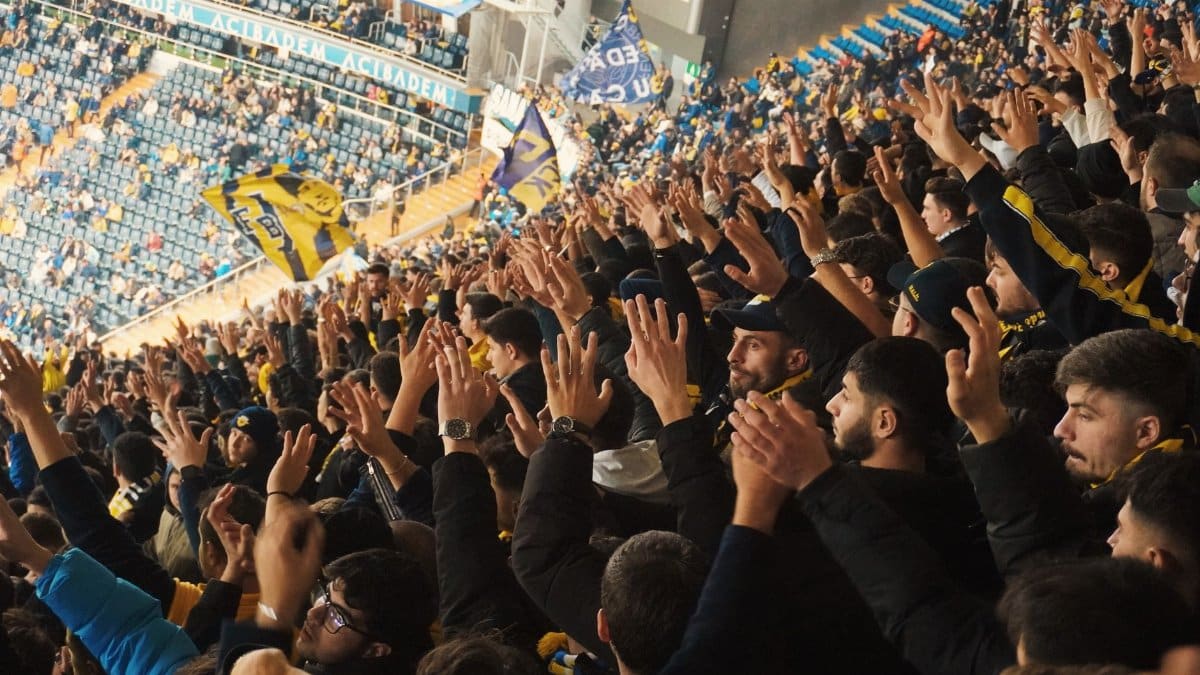
College football culture struggles with patience. A win becomes a coronation. A loss becomes a crisis. The healthier habit is to place this night beside the next one and refuse to let either become scripture. Miami supporters can enjoy a road win without pretending the roster is finished. Wake Forest supporters can be frustrated without pretending the season is empty.
There is also a civic pleasure in these games that has little to do with playoff math. Families drive in, students stand for three hours, and a city briefly organizes itself around a kickoff. The Miami Hurricanes Wake Forest score will be forgotten by some of those people and remembered by others as the night a parent explained a coverage or a kid saw a ranked team up close. Sports writing sometimes skips that layer. It is still the reason the lights are on.
What the result does not prove

It does not prove Miami is the best team in the country. It does not prove Wake Forest cannot win a big one later. It does not prove that the next opponent will fold, or that injuries will stay kind, or that a quarterback will have the same pocket he had on this Saturday. One game is a sample, not a law.
What it does prove is narrower and more useful. Miami can win away from home against a conference opponent that competes. Wake Forest can score and linger against a team with national ambitions. Those are facts with a shelf life. They expire if either program ignores the details that produced them.
The week that follows a satisfying and incomplete win

For Miami, the job now is boredom of the productive kind. Recovery, correction, and another scouting report. Ranked teams get hurt when they inhale a win and exhale focus. The staff that treats 33 to 20 as a finished painting will be surprised by the next canvas. The staff that treats it as a draft will be harder to surprise.
For Wake Forest, the job is emotional accuracy. Do not romanticize a loss. Do not discard the stretches that worked. Identify two or three fixable leaks and spend the week on those, not on a speech about pride. Pride is already in the building. Execution is the variable.
A final that will travel farther than the night

By Monday morning the stadium is quiet and the number remains. People who never saw a snap will still repeat it. The Miami Hurricanes Wake Forest score of 33 to 20 becomes a credential for one side and a spur for the other. Credentials fade if they are not renewed. Spurs only matter if a team runs toward the next kickoff instead of the last one.
That is the modest glory of a conference Saturday. Nobody outside the sport needs the result to make sense of the week. Inside the sport, it rearranges a little of the map. Miami keeps its claim. Wake Forest keeps its argument. The season, inconveniently, continues.