
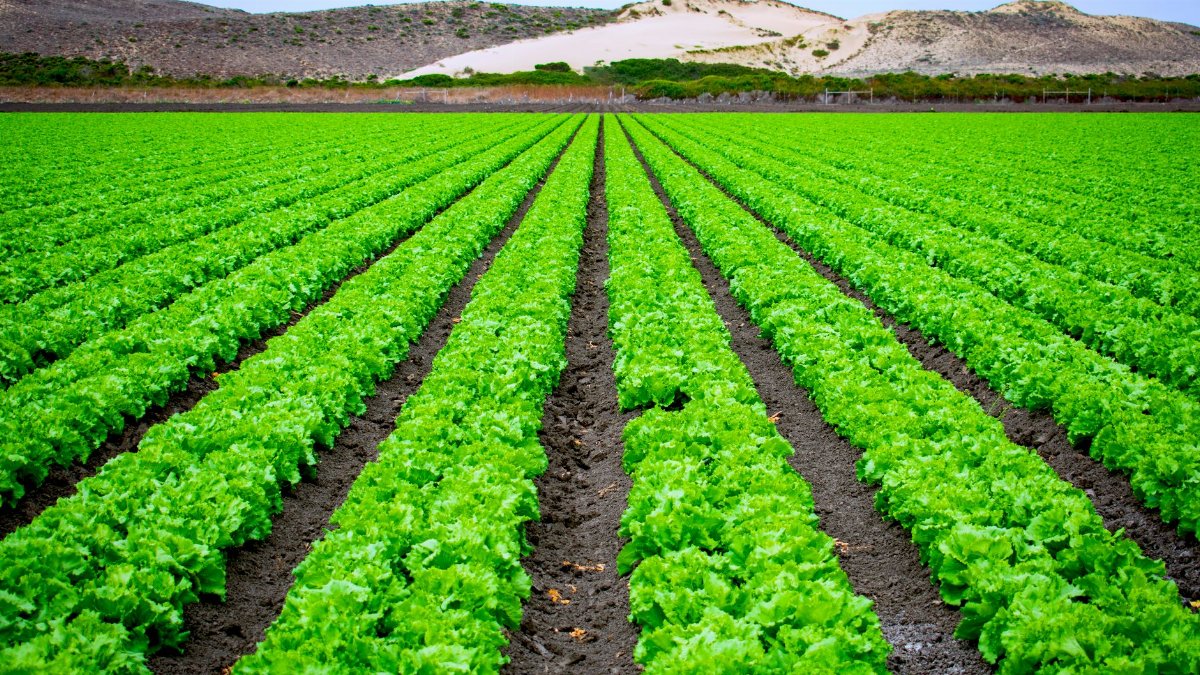
Recent reports from federal health authorities have spotlighted a parasitic contamination issue tied to produce grown in the western United States. Investigators traced the problem to a specific batch of greens distributed by a major California based company. This situation has prompted renewed scrutiny of supply chains that deliver fresh vegetables to tables nationwide. Public health experts note that such incidents underscore ongoing challenges in ensuring the safety of items commonly found in grocery stores and restaurant kitchens. The focus remains on understanding transmission patterns and protecting consumers from illness linked to cyclosporiasis lettuce.
Tracing the Source of Contamination
Officials with the Food and Drug Administration conducted tests on samples collected from distribution centers. Results pointed directly to lettuce originating at facilities operated by Taylor Farms. The company maintains extensive operations in the Salinas Valley region known for high volume vegetable production. Investigators examined growing fields irrigation systems and handling procedures to identify potential entry points for the parasite. Early findings suggest the contamination likely occurred before the product left the farm. Such details help narrow the scope of the recall and guide future preventive steps.
Impact Across Multiple States

Cases of illness have surfaced in several regions with Michigan among the areas reporting confirmed infections. Patients describe symptoms including prolonged fatigue digestive distress and weight loss that can last for weeks without proper treatment. Medical professionals advise anyone experiencing these issues after consuming fresh salads to seek testing. The Centers for Disease Control and Prevention continues to monitor the situation and coordinate with state level agencies. Distribution records show the affected lettuce reached stores and eateries far beyond the production site.
Understanding Cyclosporiasis Transmission

The parasite responsible spreads through contaminated food or water and thrives in warm environments. Once ingested it invades the small intestine causing inflammation that disrupts normal digestion. Unlike some bacterial threats this organism requires specific laboratory methods for detection. Public awareness campaigns emphasize thorough washing of produce though experts caution that rinsing alone may not eliminate all risks. The current episode highlights how even established suppliers can encounter lapses in quality control.
Company Response and Industry Standards

Taylor Farms issued statements affirming cooperation with regulators and a commitment to enhanced safety protocols. The firm has halted shipments from the implicated lots and initiated additional testing at its processing plants. Industry groups stress that such events remain rare yet they prompt calls for stricter oversight of water sources and worker hygiene practices. Growers rely on a combination of filtration systems and regular audits to maintain compliance with federal guidelines. These measures aim to restore consumer confidence in widely available greens.
Broader Implications for Food Supply
Incidents involving cyclosporiasis lettuce serve as reminders that vigilance must extend throughout the agricultural sector. Retailers have begun reviewing their sourcing agreements to prioritize suppliers with robust traceability programs. Consumers meanwhile face decisions about whether to avoid certain brands or prepare items differently at home. Policymakers may consider additional funding for inspection teams to keep pace with expanding production volumes. The episode also draws attention to climate factors that could influence parasite survival in fields.
Public Health Recommendations

Health departments urge individuals to stay informed through official channels rather than relying solely on social media reports. Those diagnosed with the infection typically receive antiparasitic medications that speed recovery when administered promptly. Prevention strategies include buying from reputable outlets and storing produce at proper temperatures. Restaurants and cafeterias receive guidance on separating raw vegetables from other ingredients during preparation. Ongoing surveillance helps detect clusters before they expand into larger problems.
Looking Ahead to Preventive Measures
Future efforts may incorporate advanced genetic sequencing to pinpoint contamination origins more rapidly. Partnerships between government agencies and private farms seek to develop better detection tools for use in the field. Education programs for farmworkers focus on recognizing signs of water quality issues that could introduce parasites. While complete elimination of risk proves difficult continuous improvement remains a shared goal across the food system. The lessons from this investigation will likely shape practices for years to come.