
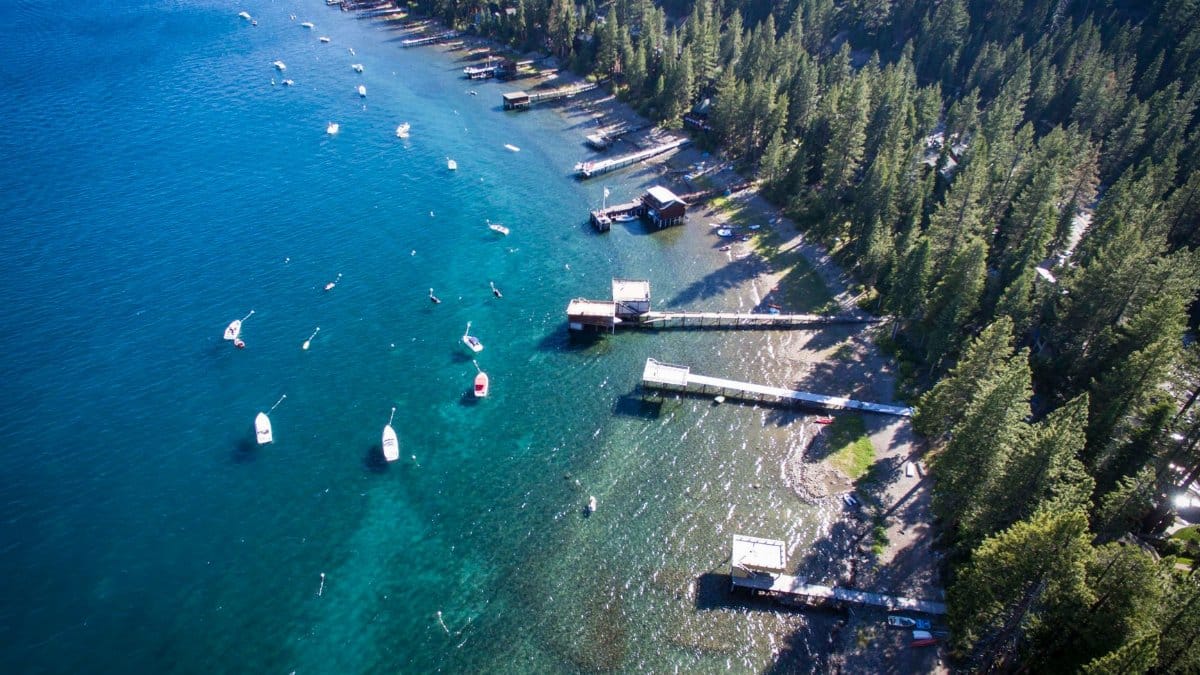
On a bright morning along the Nevada side of Lake Tahoe, the pines do not all look alive. Some crowns have gone the color of old straw. Needles drop in soft drifts onto decks built for a view of blue water. Residents in Incline Village have stopped treating the damage as a mystery of drought alone. They are funding a search, and the Lake Tahoe tree poisoner reward now stands at $147,000, posted by neighbors who want a name attached to years of quiet killing.
A canopy turning the wrong color
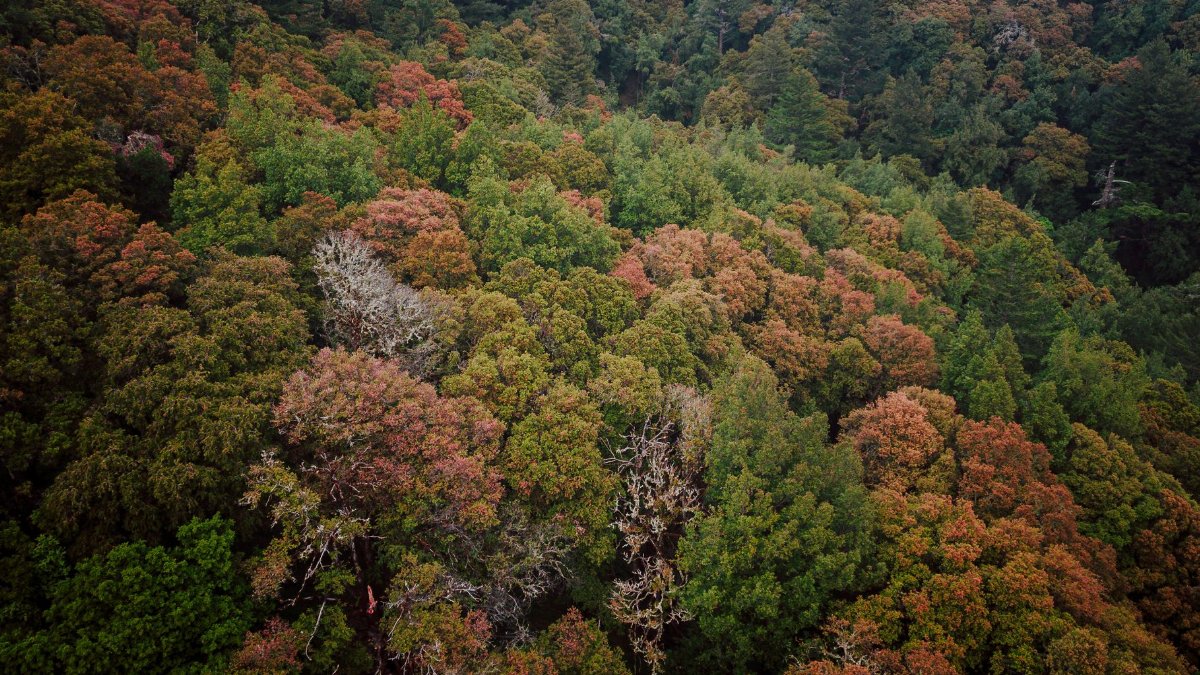
Walk the north shore and the injury is easy to miss at first. Jeffrey pines and other conifers still hold their shape. Only the color is wrong, a dull rust where green should hold through summer. In places the dead wood stands in a loose line behind houses, as if a single hand had chosen which trunks would stay and which would fail. Foresters have said for years that drought, beetles, and a warming basin can kill trees without any human plot. This pattern does not match that story. Healthy trees beside sick ones, holes near the base, and a chemical signature in the wood point to poison, not weather.
The basin has always sold a picture of permanence. Postcards show dark forest meeting pale granite and a lake so clear it looks invented. When that picture frays tree by tree, people who live inside it notice before visitors do. A dead pine is not only a lost screen against wind. It is a signal that someone treated a shared landscape as private inventory.
How a tree is killed without a saw
Cutting a mature pine on a lot in this basin is not a casual Saturday chore. Rules on the Nevada side, and oversight from the Tahoe Regional Planning Agency, limit what a property owner may remove. A chainsaw is loud. A permit leaves a record. Poison is quieter. Investigators and arborists have described small holes drilled into trunks, sometimes plugged afterward, and herbicide introduced so the tree dies from the inside. The work can be done in minutes. The crown may not brown for weeks or months. By the time neighbors argue about a sudden view, the person with the drill can be long gone.
That delay is part of the cruelty and part of the investigative problem. A dying tree does not point to a calendar day. It does not point to a face. Soil, sap, and wood can hold traces of the chemical, and those traces can narrow the list of products someone might have bought. They rarely produce a receipt with a name. The method is simple enough that almost any adult with access to a hardware aisle could attempt it, and patient enough that suspicion spreads through a whole block.
The view as a motive

Nobody has proved in court why these particular trees were chosen. The geography suggests a theory that residents repeat because it fits the map. Many of the damaged pines stood between houses and the water, or between houses and a slice of open sky. In a market where a clear sightline can add hundreds of thousands of dollars to a sale, a tree is not only habitat. It is an obstacle with a price.
That theory can also be unfair. Not every homeowner who gains a view poisoned a trunk. Not every dead tree was a target. Still, the incentive is real, and it is old. People have always edited land to match a desire: drain a marsh, straighten a creek, top a hedge that blocks a window. What feels new here is the combination of extreme property value, strict tree rules, and a method that hides the editor. The basin asked residents to accept limits in exchange for a lake that still looks like a lake. Someone appears to have declined the bargain in secret.
Neighbors pricing a name

Rewards in cases like this usually start small and grow when official leads stall. Incline Village did not wait for a single agency check. Homeowners, local groups, and people who simply hate the sight of browned crowns put money into a pot. Reporting on the north shore has put the community figure at $147,000, a sum large enough to change a life and specific enough to signal impatience. The Lake Tahoe tree poisoner reward is not a slogan on a poster that nobody funded. It is cash pledged by people who share fences, trails, and the same ruined skyline.
Money does not solve a case by itself. It changes the math for anyone who saw a truck at an odd hour, heard a drill after dark, or watched a neighbor haul bags of something that was not mulch. A friend, a former employee, a spouse who has gone quiet: those are the witnesses a reward is built to reach. Investigators still need evidence that can survive a courtroom. A tip is a door, not a verdict. Even so, the pledge matters as a public sentence. The people who live here are willing to pay to learn who treated their forest as disposable.
What investigators can and cannot promise
Law enforcement around the lake has treated the poisonings as a crime, not a landscaping dispute. That framing matters. Destroying trees on another person’s land, or on land held in common, can bring theft, vandalism, or environmental charges depending on ownership, the chemical used, and the scale of the loss. Proving it is harder than naming it. There is often no camera on a dark lot, no forced door, no stolen goods leaving in a sack. The evidence is a hole the width of a finger and a laboratory result.
Agencies can collect samples, compare chemicals, and ask retailers about unusual purchases. They can walk the same streets residents walk and listen for grudges that have lasted years. They cannot, in public, describe every suspect interview or every brand of herbicide under review. That silence frustrates people who want a villain by name. It also protects a future prosecution. A reward campaign and a careful investigation have to live side by side: one loud enough to draw a tip, the other quiet enough not to spoil it.
A lake town living with suspicion
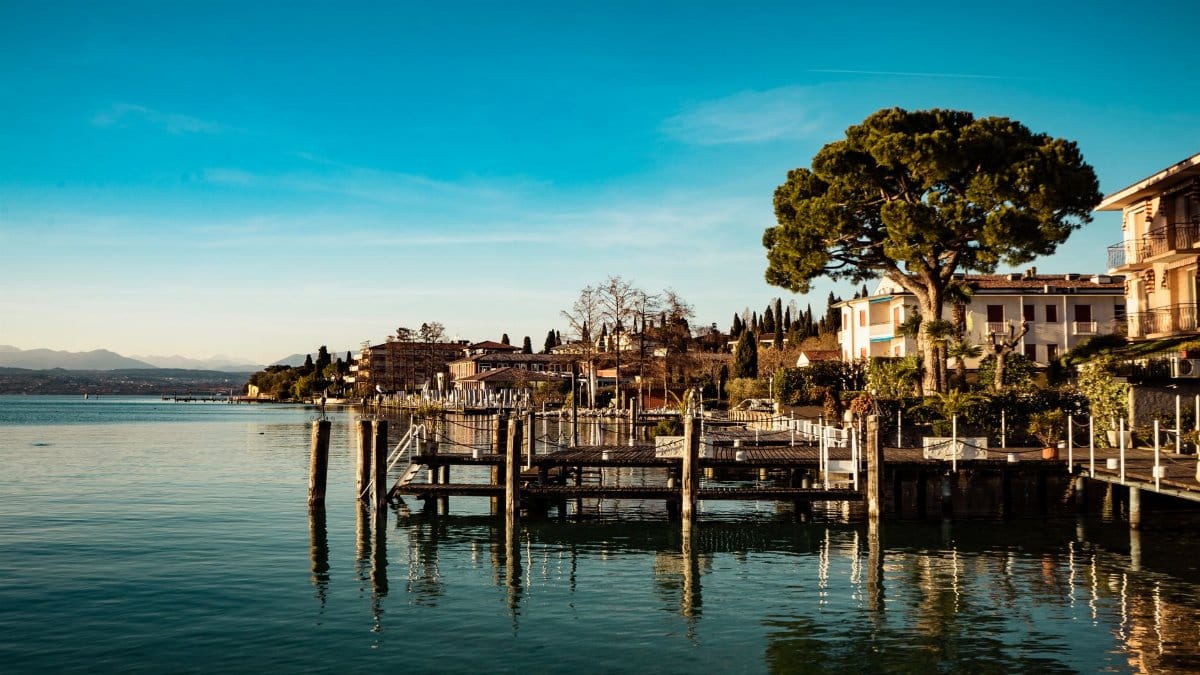
Incline Village is not a metropolis. People recognize trucks. They know who remodeled last spring and who complained about shade. In a place that small, an unsolved poisoning becomes a social weather system. Neighbors measure their words at the market. A browned tree behind a newly listed house starts a rumor before any fact arrives. Some of that talk is useful. Some of it is poison of another kind, aimed at people who did nothing worse than inherit a view.
The healthiest communities under this kind of strain do two things at once. They keep the factual standard high, and they refuse to pretend the harm is minor. A dead pine is not a personality conflict. It is a loss of shade, habitat, slope stability, and the particular beauty that drew people here. Children who grew up under those crowns will not get them back on any human schedule. Replacement plantings, when they are allowed and when they survive, take decades to matter.
What the forest was holding
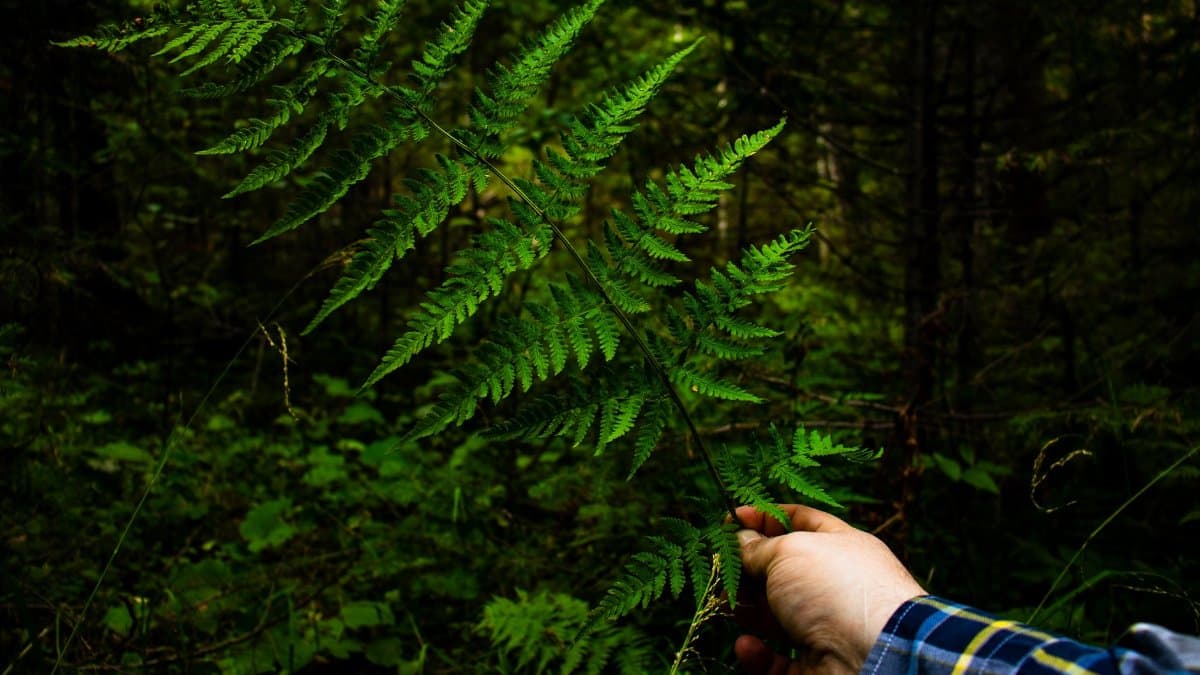
It is easy, from a distance, to treat this as a property story with evergreen scenery. Stand closer and the trees are infrastructure. Roots hold thin soils on steep ground above a lake that cannot absorb endless sediment. Shade keeps snow and moisture from flashing off in a single hot week. Birds, squirrels, and insects use the same trunks that block a picture window. When herbicide kills a tree, it does not negotiate with those uses. The chemical is chosen to end a life efficiently. Whatever else depended on that life is collateral.
Residents who talk about the damage often reach for language that sounds older than real estate. They speak of stewardship, of a debt to a shoreline they did not create, of the indecent feeling of watching a living thing fail because someone wanted a cleaner postcard from the deck. That is not mysticism for its own sake. It is a plain description of what it means to belong to a place that is larger than a lot line. The category of care here is moral before it is legal. The law is trying to catch up to a harm people already recognize in their bodies when they look up and see brown where green was.
The Lake Tahoe tree poisoner reward and its limits
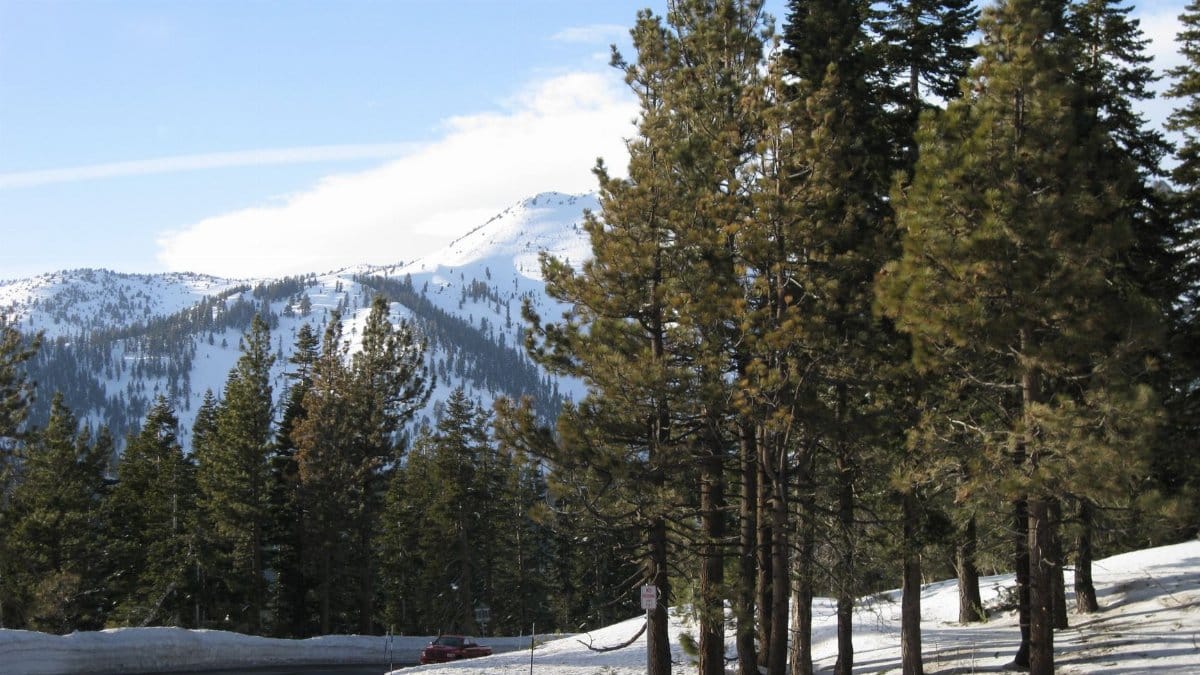
A sum like $147,000 can flush a secret. It can also distort one. People invent certainty when money is on the table. Investigators will have to separate grudges from recollection, and recollection from proof. Anyone tempted to play detective in public should remember that a false name can wreck a neighbor and can also train the real actor to be more careful. The useful act is still the unglamorous one: write down what was seen, when it was seen, and who else might confirm it, then give that account to the people who can test it.
There is another limit worth saying aloud. Even a perfect tip does not replant a decade of growth by Friday. Justice, if it comes, will look like accountability, restitution, and a record that this method is not a clever workaround. It will not look like the original forest. That gap is why the reward feels both necessary and insufficient. Necessary, because impunity invites a copy. Insufficient, because the thing that was taken does not return when a case file closes.
A shoreline that keeps score
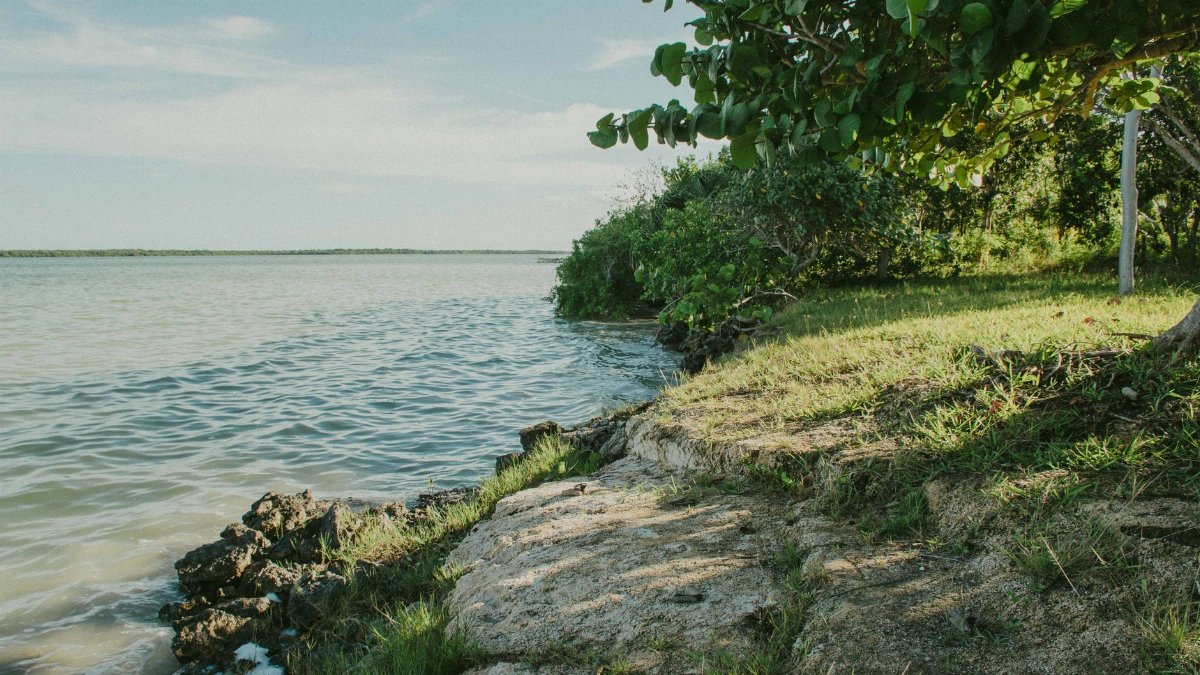
Lake Tahoe has survived worse stories than a drill and a bottle of herbicide: logging booms, sewage, runaway building, fires that turned ridges black. Each recovery depended on people deciding that the lake was not a backdrop for private appetite. The poisoned pines are a smaller chapter with the same plot. Someone calculated that a hidden cut was cheaper than a denied permit. A town answered with a public price on that calculation.
Whether the Lake Tahoe tree poisoner reward produces an arrest is still unknown. What it has already produced is a record of refusal. Incline Village has said, in dollars, that a stolen view is not a victimless upgrade. The needles on the ground will keep falling until wind and time take them. The question left on those streets is simpler than the chemistry. Who thought the rest of us would not notice, and who, among the people who did, is ready to speak.