
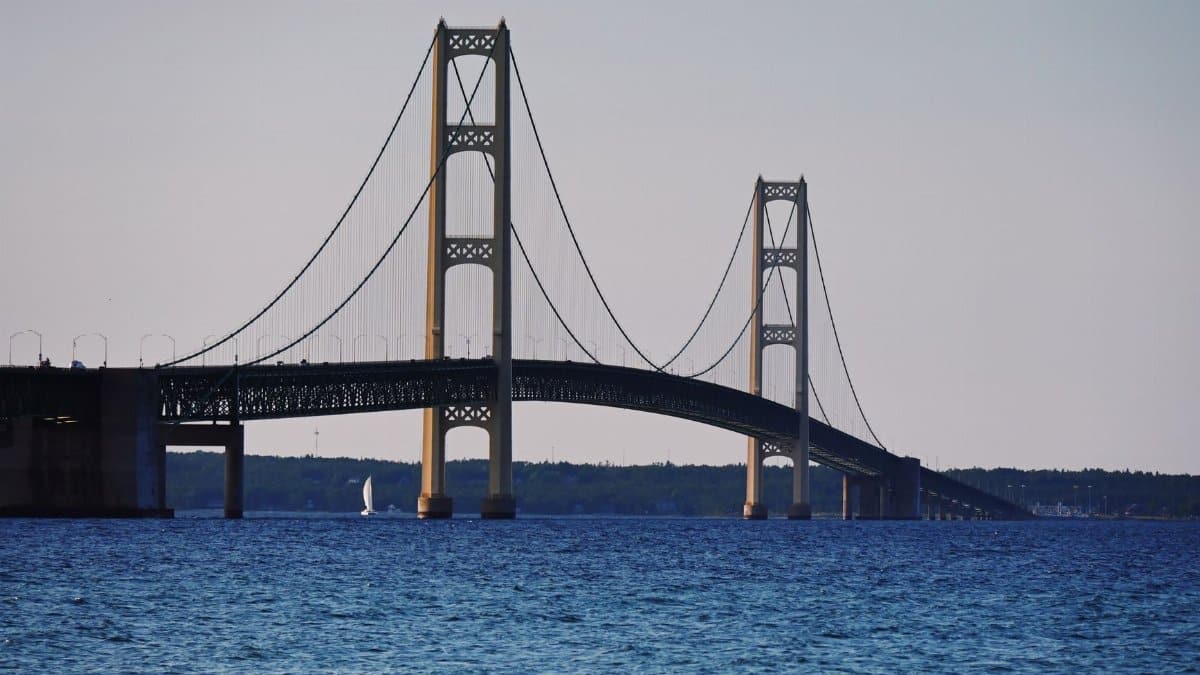
The approval of a major infrastructure project under the Straits of Mackinac has stirred discussions across the Midwest. Federal engineers have given the green light to an ambitious plan that aims to secure oil transport while addressing long standing concerns about leaks in the existing system. This development involving the Line 5 tunnel represents a significant step in balancing energy needs with environmental protection in a sensitive waterway.
Background on the Existing Pipeline System
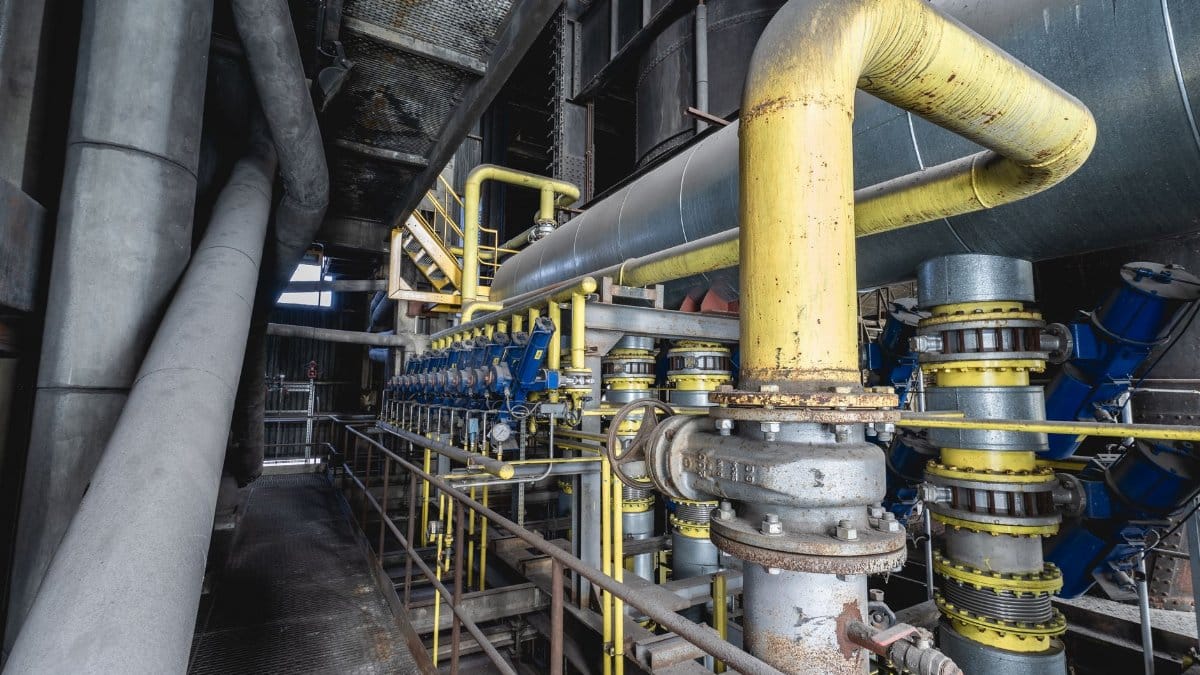
The current pipeline has operated for decades carrying crude oil across the region where Lake Michigan and Lake Huron converge. Over time officials have noted risks from shifting lakebed conditions and potential damage from anchors or storms. Replacement ideas emerged years ago as a way to reduce those vulnerabilities without halting energy deliveries that support refineries and jobs in several states.
The Recent Federal Decision Details

On August 12 2026 the United States Army Corps of Engineers issued its permit for the tunnel construction. The project carries an estimated cost of eight hundred million dollars and would encase a new pipeline segment in a protective concrete structure beneath the lake bottom. This step followed extensive reviews of engineering designs and risk assessments submitted by the company.
Engineering Plans for the Tunnel Structure
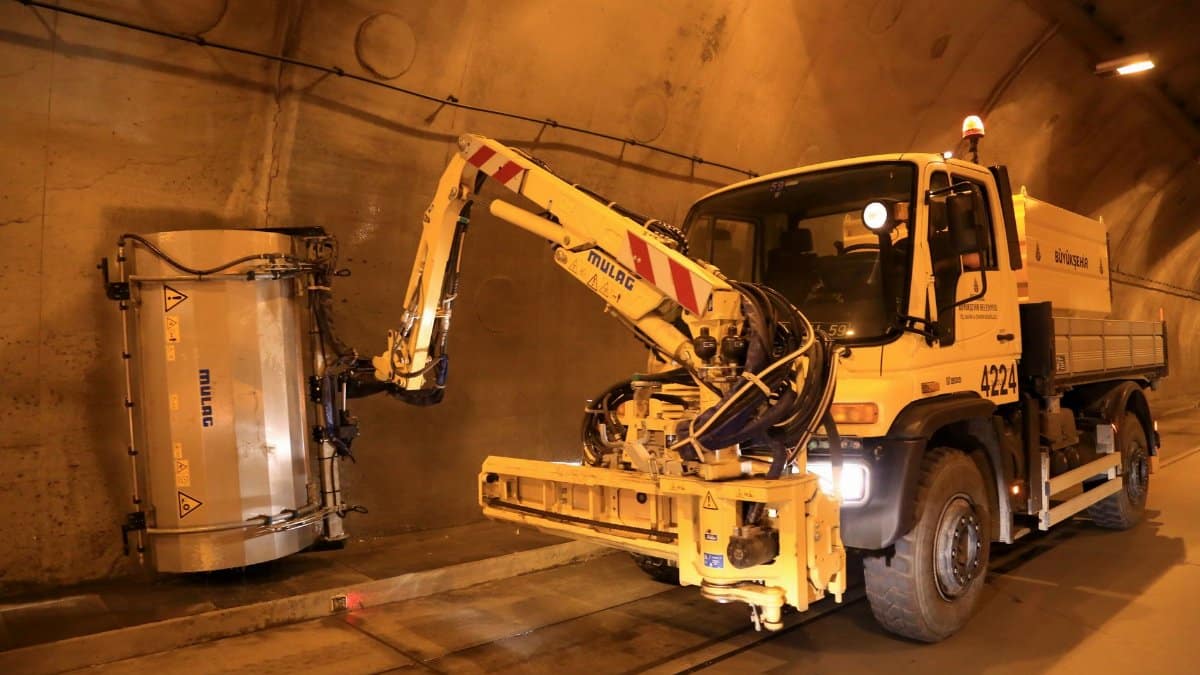
Designers propose a tunnel roughly twenty feet in diameter and several miles long. It would sit deep enough to avoid surface disturbances while allowing regular inspections and maintenance access. Construction would rely on tunnel boring machines similar to those used in urban transit projects though adapted for underwater geology. Workers would remove excavated material by barge to limit local disruption.
Environmental Review Findings

Agency documents highlight measures to contain any spills and to monitor groundwater during and after construction. Studies considered potential effects on fish populations and water quality in the event of an incident. Proponents argue the enclosed design offers better safeguards than the current exposed segments resting on the lake floor.
Economic Effects for Nearby Communities

Supporters point to continued supply reliability for industries that depend on the pipeline capacity. The construction phase could create temporary positions in skilled trades and support services around the straits area. Longer term the project is expected to sustain tax revenues that fund local schools and infrastructure without requiring new above ground facilities.
Views from Opponents and Advocates

Environmental groups have raised questions about whether the approval process fully accounted for climate goals and the possibility of shifting to other energy sources. Some tribal nations whose lands border the water have expressed worries over cultural sites and treaty rights. Meanwhile industry representatives and certain state officials emphasize the safety upgrades and the need for steady fuel supplies during the transition period.
Next Steps in Project Development

With the federal permit secured the company must still obtain additional state level authorizations and complete detailed construction planning. Public comment periods may continue on specific aspects such as traffic management during building. Timelines suggest several years before operations could begin once all clearances are obtained.