
In the quiet hush of a Seattle tasting room, a glass of amber liquid catches the slanting afternoon light. One sip reveals unexpected depth: notes of ripe cherry, warm baking spices and a whisper of Northwest rain-soaked earth. This is not a storied single malt from Islay or a bourbon drawn from Kentucky limestone springs. It is a Washington whiskey, and two such bottles have now been declared among the finest spirits produced in the 21st century.
This recognition arrives at an opportune moment. As American drinkers increasingly seek alternatives to the usual lineup of Scotch and bourbon, the Pacific Northwest has stepped forward with quiet confidence. The inclusion of two Washington whiskeys best on an elite list compiled by an international panel of judges affirms years of patient work by local distillers. Their achievement is more than a regional triumph. It signals that serious whiskey no longer requires a passport to Scotland or a drive through bluegrass country.
A List That Carries Real Weight
The ranking in question surveyed whiskeys distilled since 2001, drawing on tasting notes from masters who have spent lifetimes evaluating spirits. Only 50 bottles earned a place. That two came from Washington surprised even some longtime observers. The Seattle Times first broke the news to local readers, detailing how these Pacific Northwest entries outperformed hundreds of celebrated names.
Judges cited technical precision, ingredient transparency and distinctive regional character. They were not handing out participation trophies. In a category long dominated by a handful of countries, Washingtons sudden appearance among the elite has forced the industry to reconsider its assumptions about where great whiskey can be made.
What Sets Washington Whiskey Apart
The states distillers benefit from a rare combination of factors. Cool, damp winters slow the aging process, allowing more gentle extraction from oak barrels. Abundant pure water flows from the Cascades. Local barley varieties thrive in the maritime climate. These elements produce whiskeys that often display brighter fruit notes than their Kentucky counterparts and more restrained smokiness than many Scottish examples.
Distillers here also show willingness to experiment. Some incorporate rye grown in the Palouse hills. Others finish their spirits in barrels that once held local wines. This openness to innovation, grounded in respect for tradition, has helped Washington whiskeys best develop identities that feel both fresh and authentic.
Westland Distillery and the Sherry Cask Masterpiece
One of the honored bottles comes from Westland Distillery, located in an unassuming industrial corner of Seattle. Their American single malt, finished in oloroso sherry casks, earned high praise for its balance of dried fruit, toasted nuts and subtle malt sweetness. The distillery has long championed the idea that Washington can create its own whiskey style rather than imitate existing ones.
Westland sources barley from farms within a few hours drive. Their approach emphasizes terroir, the belief that place matters as much in whiskey as it does in wine. The recognition validates their philosophy and gives the entire American single malt category a significant boost.
Woodinville Whiskey Company Finds Its Voice
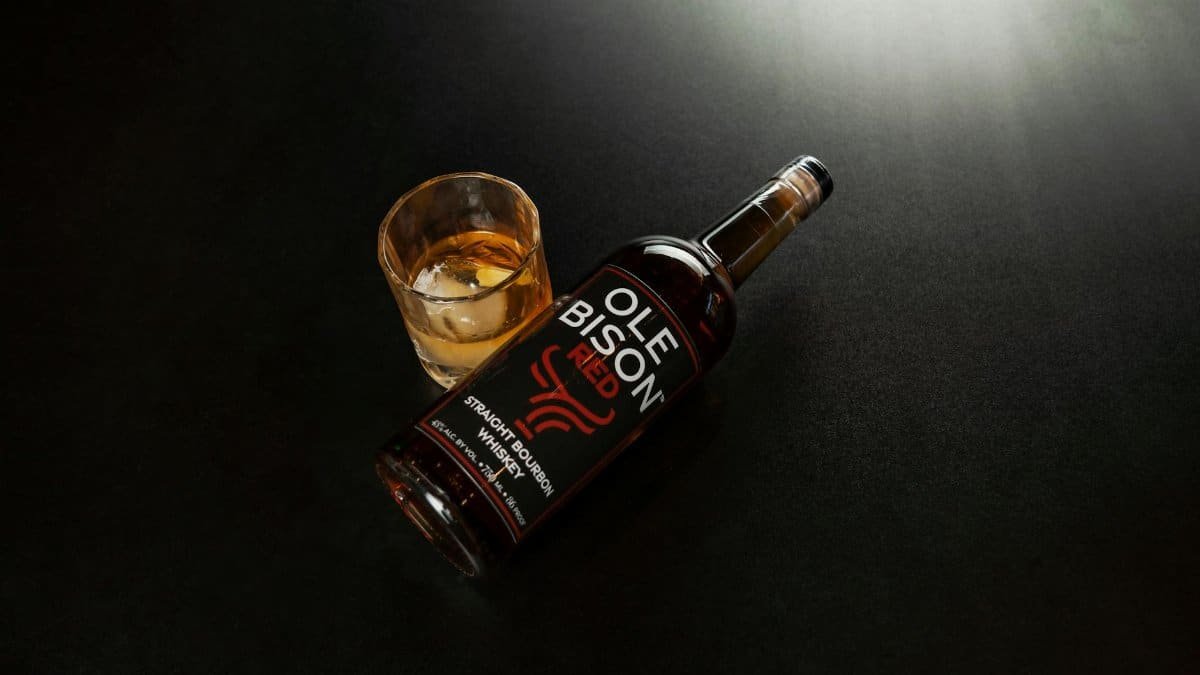
The second Washington selection comes from Woodinville Whiskey Company, situated in the heart of the towns historic district. Their straight bourbon, crafted from a high rye mash bill, impressed judges with its bold spice, caramel depth and remarkably smooth finish for its age. The distillery began in a small garage operation before growing into a regional force while maintaining hands on production standards.
Like their Seattle counterparts, the Woodinville team ages their spirits in climate controlled warehouses that take advantage of the natural temperature swings of the Pacific Northwest. The result is accelerated yet refined maturation that contributes to the whiskeys complexity.
The Terroir Advantage Few Discuss
Visitors often expect Washington whiskey to taste like rain, but the reality is more nuanced. The states geography creates natural air conditioning for barrel houses. Summer days may reach the 80s while nights drop into the 50s, allowing the wood to breathe without pushing alcohol evaporation too aggressively. This gentle interaction produces elegant rather than aggressive oak influence.
Meanwhile, the regions obsession with quality ingredients extends to distilling. Many producers maintain close relationships with farmers who grow specific barley and rye strains suited to the cool, wet climate. That attention to raw materials translates into cleaner, more expressive spirits that stand up proudly next to more famous names.
These natural advantages do not guarantee success. They simply provide the foundation upon which skilled distillers build. The two honored producers have clearly maximized what nature offered them.
How These Bottles Compare Globally
Placing Washington whiskeys alongside century defining examples from Scotland, Ireland, Japan and Kentucky invites direct comparison. The Westland single malt shares some DNA with Speyside whiskies yet displays brighter acidity and less heavy sherry character. The Woodinville bourbon offers the familiar warmth of Kentucky but with a more pronounced herbal quality that speaks to its Northwest grain.
Neither tries to be something it is not. That authenticity may explain their success with the judging panel. In an era when consumers crave genuine regional expression, these whiskeys deliver a clear sense of place without sacrificing balance or approachability.
The Broader Craft Distilling Movement
The two standout bottles represent only the most visible part of a thriving ecosystem. Washington now claims more than 80 distilleries, many focused on whiskey. From small operations in Walla Walla to larger facilities near Spokane, producers are exploring everything from traditional single malts to unusual grain bills incorporating quinoa or heirloom corn.
This diversity strengthens the entire category. When one Washington whiskey earns international acclaim, it raises expectations and opportunities for all. The states distillers regularly share knowledge, equipment and even barrels, creating a collaborative spirit that contrasts with more competitive whiskey regions.
What the Experts Actually Say
Spirits writers and master distillers have taken notice. Many describe Washington whiskeys best as the most interesting development in American whiskey since the rise of craft bourbon in the early 2000s. They praise the restraint shown by local producers who resist the temptation to chase trends or overly aggressive barrel finishes.
One prominent Scotch whisky maker who served on the judging panel privately admitted surprise at the quality. The structural integrity of these whiskeys, their ability to maintain poise across multiple sips, reminded him of well established distilleries rather than newcomers.
Building a Washington Whiskey Trail
For enthusiasts eager to experience these spirits firsthand, the state offers an increasingly sophisticated whiskey tourism circuit. Woodinville has developed a genuine distillery row where visitors can taste multiple producers in a single afternoon. Seattle offers urban distilleries with sophisticated cocktail programs. Further afield, smaller operations in the Skagit Valley and Columbia Gorge provide more intimate experiences.
Many distilleries have added inviting visitor centers that rival those found in more famous whiskey regions. Tours often include walks through malting floors or barrel warehouses, offering direct connection to the production process that created these award winning bottles.
Economic Impact Beyond the Bottle

The success of Washington whiskey translates into tangible benefits. Distilleries create jobs in agriculture, manufacturing, tourism and hospitality. They support local farmers growing specialty grains that command premium prices. Tax revenue from spirit sales helps fund community programs across the state.
Perhaps most importantly, these whiskeys enhance Washingtons reputation as a place where serious craftsmanship happens. The image of innovation paired with respect for ingredients resonates with the states broader identity and attracts both talent and investment to the industry.
Challenges That Remain

Notable achievements do not erase every obstacle. Scaling production while maintaining quality remains difficult. Supply chain issues for premium barrels persist. Competition for shelf space in a crowded market requires constant attention. Yet the two recognized distilleries have shown that these challenges can be met with creativity and patience.
Younger producers now entering the field benefit from the trailblazing work of establishments like Westland and Woodinville. The path to recognition, while still narrow, has been meaningfully widened by the recent accolades.
The Next Chapter for Northwest Spirits
The inclusion of two Washington whiskeys best on a list of the centurys finest marks a beginning rather than an endpoint. As these distilleries continue to refine their craft and new voices emerge, the region seems poised to claim an enduring place among the worlds great whiskey producing areas.
For drinkers, this development offers something genuinely new to explore. These are not novelty spirits designed to shock the palate. They are carefully conceived, beautifully executed whiskeys that happen to come from a part of the country better known for apples and aircraft than alcohol.
The next time you consider your whiskey options, look beyond the familiar. A glass from Washington might surprise you with its poise, its sense of place and its quiet claim to belonging among the best spirits of our time.