
On a warm September evening, Philadelphia did not offer a single destination so much as a stack of them. Stadium lights, riverfront stages, and a familiar harmony group all claimed the same stretch of days, and the phrase that kept circulating among fans planning rides and late dinners was Philly music weekend Sheeran. The draw was not only one visiting superstar. It was the rare sense that the city had booked several versions of itself at once, from pop spectacle to festival wandering to songs people already knew by heart.
A weekend that refused to thin out

Most cities can absorb one large concert without rearranging the week. This one asked for more. From September 18 to 20, the calendar carried Ed Sheeran, the XPoNential Music Festival, Making Time, and Boyz II Men, a mix that cut across age, volume, and habit. Some listeners wanted a night built around a single voice and a loop pedal. Others wanted to drift between sets, eat between bands, and treat the grounds as the show. Still others wanted the particular pleasure of hearing Philadelphia voices return a catalog that has lived on local radio for decades.
The practical result was a weekend with little empty space. Friends compared start times the way commuters compare train schedules. Parents negotiated which night belonged to the teenagers and which belonged to them. None of this is unusual in a city with a deep venue map, but the density was. A music weekend becomes a civic event when the choices start talking to one another.
Ed Sheeran at the center of the noise

Sheeran remains an unusual stadium figure because his reputation was built on smallness. The songs travel as if they were written in a room with one chair, then they fill a bowl that holds tens of thousands. That contradiction is part of the appeal. Audiences come for intimacy staged at a scale that intimacy was never meant to survive, and they often leave convinced that the trick still works.
In Philadelphia, that appeal sits on top of a touring economy that already knows how to move crowds. Hotels near the sports complex fill. Restaurants time their rushes. Ride share prices tell their own story after the encore. None of those details belong to the music, yet they shape how the music is remembered. A great chorus can be inseparable from the walk back to the car.
What a stadium night asks of the city
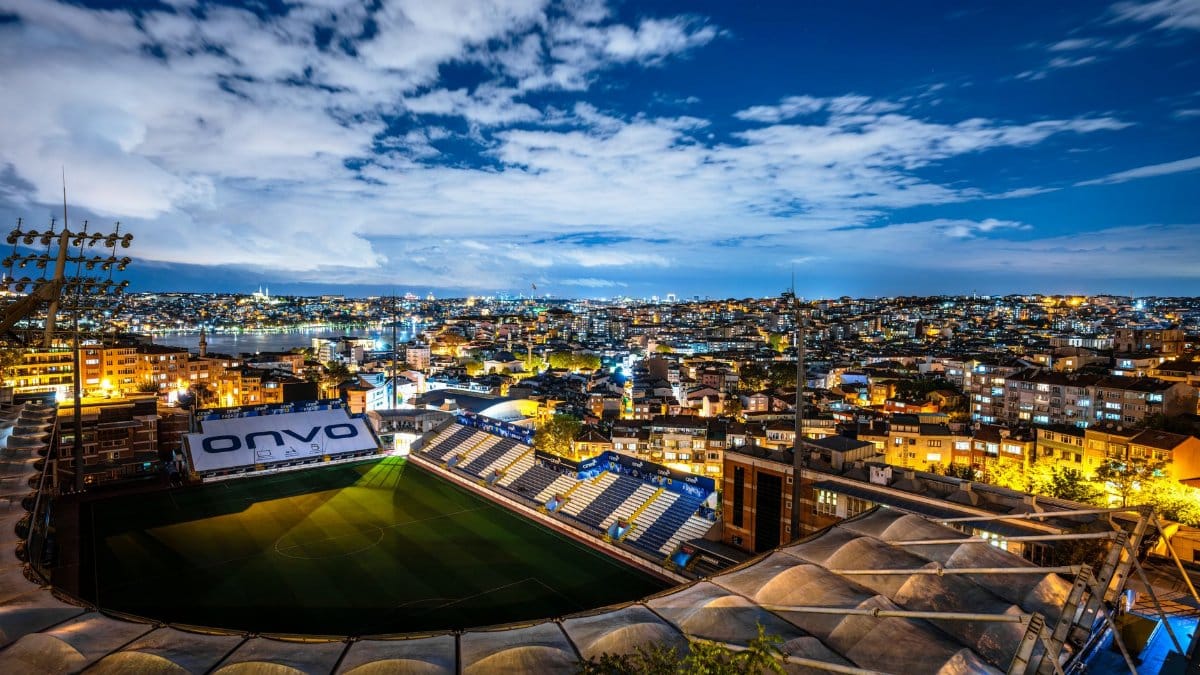
A show of this size is a logistics problem dressed as entertainment. Transit has to hold. Security has to be visible without becoming the story. Neighborhood streets absorb parking that official lots cannot. For people who live nearby, the weekend is not a poster. It is headlights, bass through open windows, and a sidewalk that suddenly belongs to strangers in matching shirts.
There is a fair argument that cities should not organize their cultural identity around whoever can sell the most tickets. There is an equally fair argument that a visiting artist of this reach puts Philadelphia on a national circuit that still matters to local workers, from stagehands to bartenders. Both things can be true. The stadium does not cancel the smaller rooms. It simply speaks louder for a night or two.
Festivals that keep their own weather
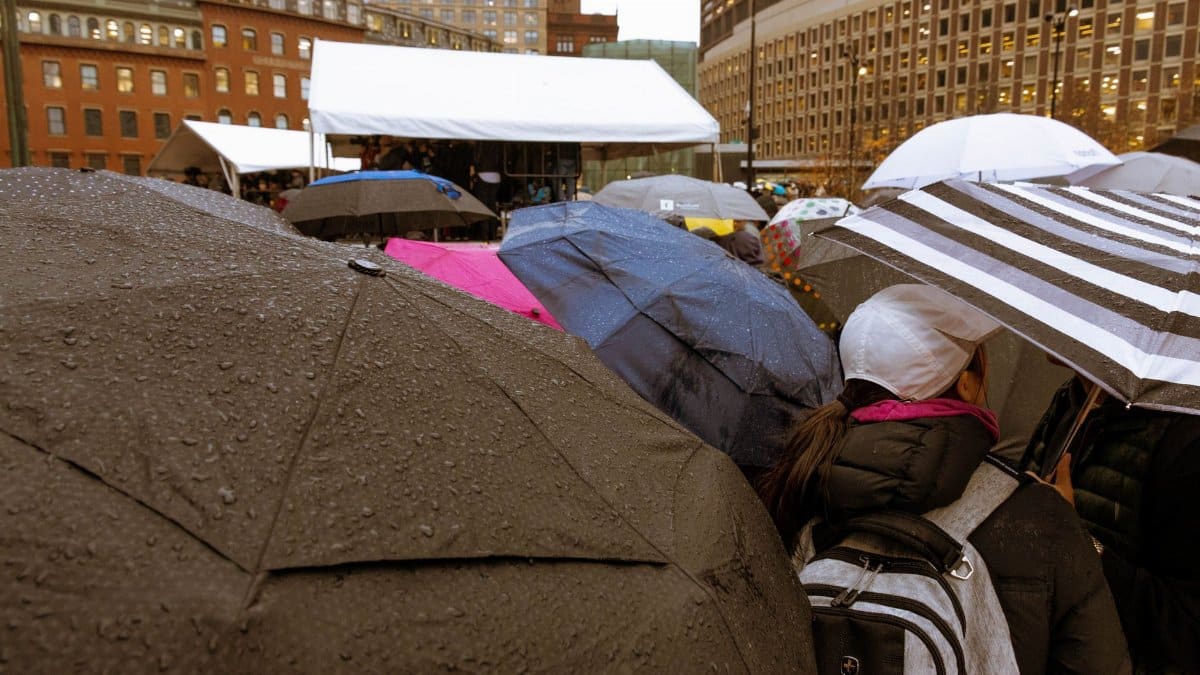
If the stadium is a single beam, a festival is weather. XPoNential and Making Time do not ask the audience to face one performer for two hours and then go home. They ask for patience, curiosity, and a tolerance for plans that fall apart. A set runs long. A friend vanishes toward another stage. The best moment of the day is often the one nobody circled in advance.
That looseness is why festivals survive in a streaming era that can deliver any song on demand. What cannot be streamed is the mild chaos of choosing badly and being glad you did. Philadelphia has enough musical memory to support that kind of wandering. People come already knowing some of the names and leave arguing about the ones they did not.
XPoNential and the river habit
XPoNential has become one of those late summer appointments that regulars describe less as a lineup and more as a place. The Camden waterfront setting, just across the river from Center City, gives the festival a geography that feels borrowed and local at the same time. You can see the skyline. You can also forget it for an hour while a band you half know turns a sunny afternoon into something sharper.
The festival’s strength has long been its middle distance. It is large enough to feel like an event and small enough that a casual listener can still find a patch of grass and stay. In a weekend already claimed by a stadium headliner, that scale matters. Not everyone wants spectacle. Some people want a day that unfolds, with room for conversation between songs.
Making Time and a different kind of crowd
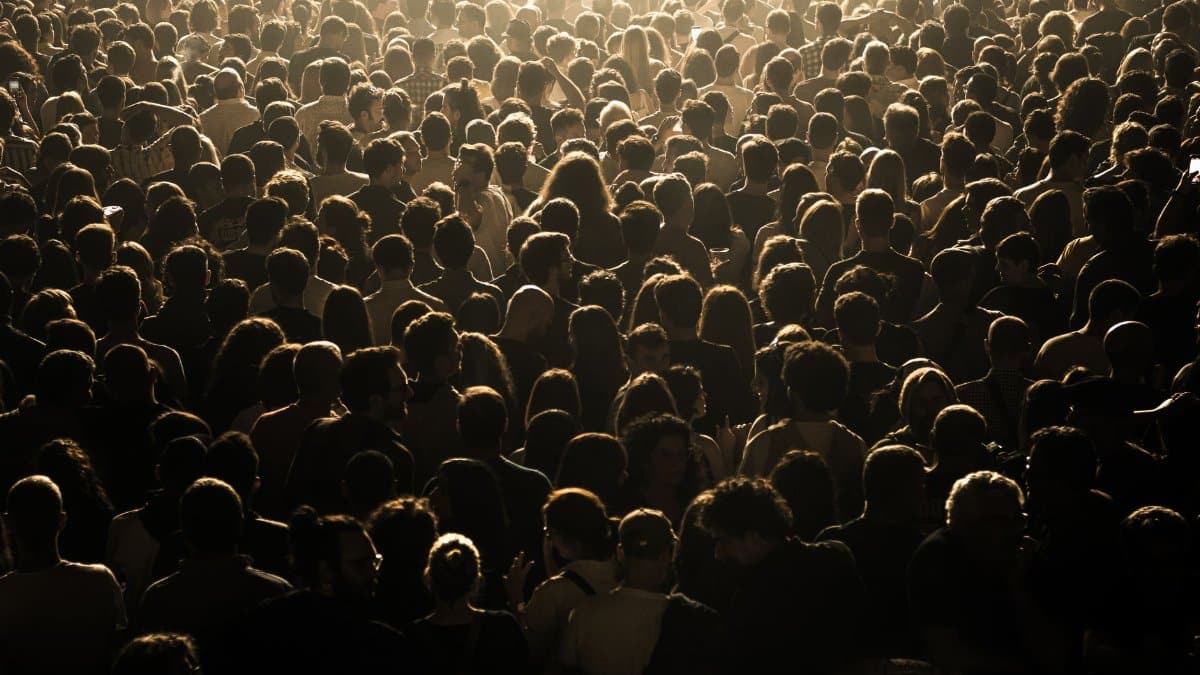
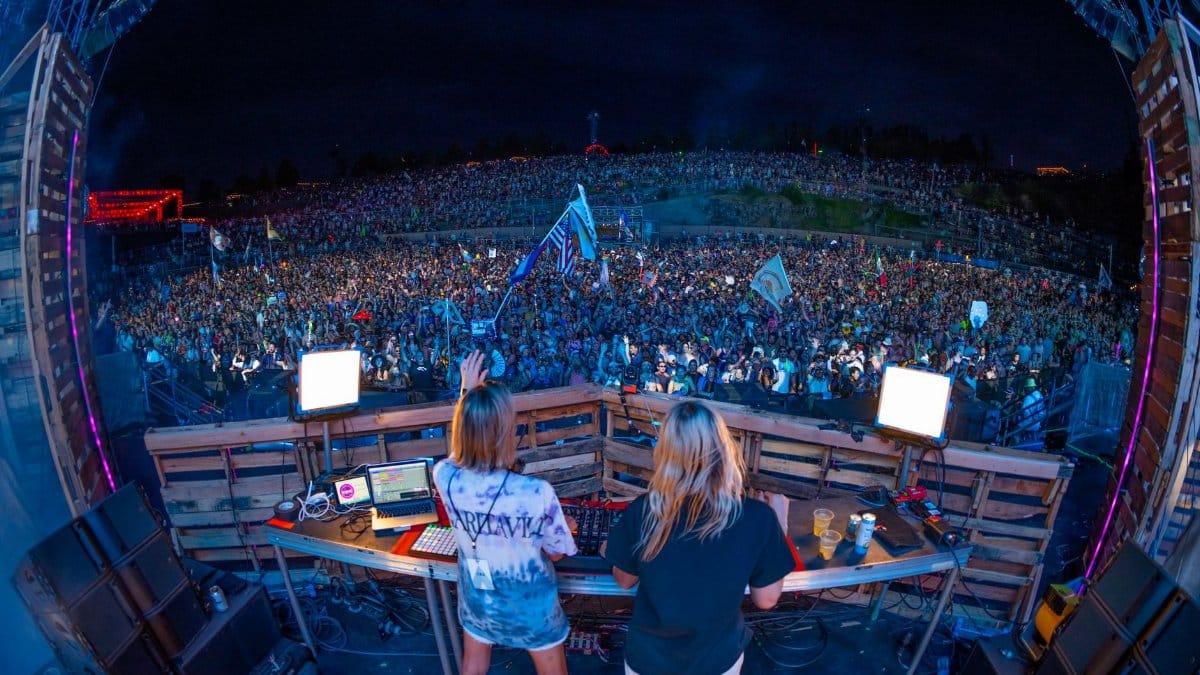
Making Time pulls toward another Philadelphia, one that treats dance music as a public art rather than a private club secret. The appeal is physical. People come to move, to stay late, and to let a DJ set rewrite the clock. That is a different contract from a songwriter standing alone under white lights, and it deserves to be described as such. Both can fill a weekend without imitating each other.
There is also a generational story here, though it is easy to overdraw. Dance floors are not only for the young, and stadium ballads are not only for parents. Still, the split in posture is real. One audience faces a stage and sings. Another faces inward, toward the people beside them, and lets the sound do the organizing. A city that can host both on the same weekend is doing something more interesting than chasing a single trend.
Boyz II Men and the local claim
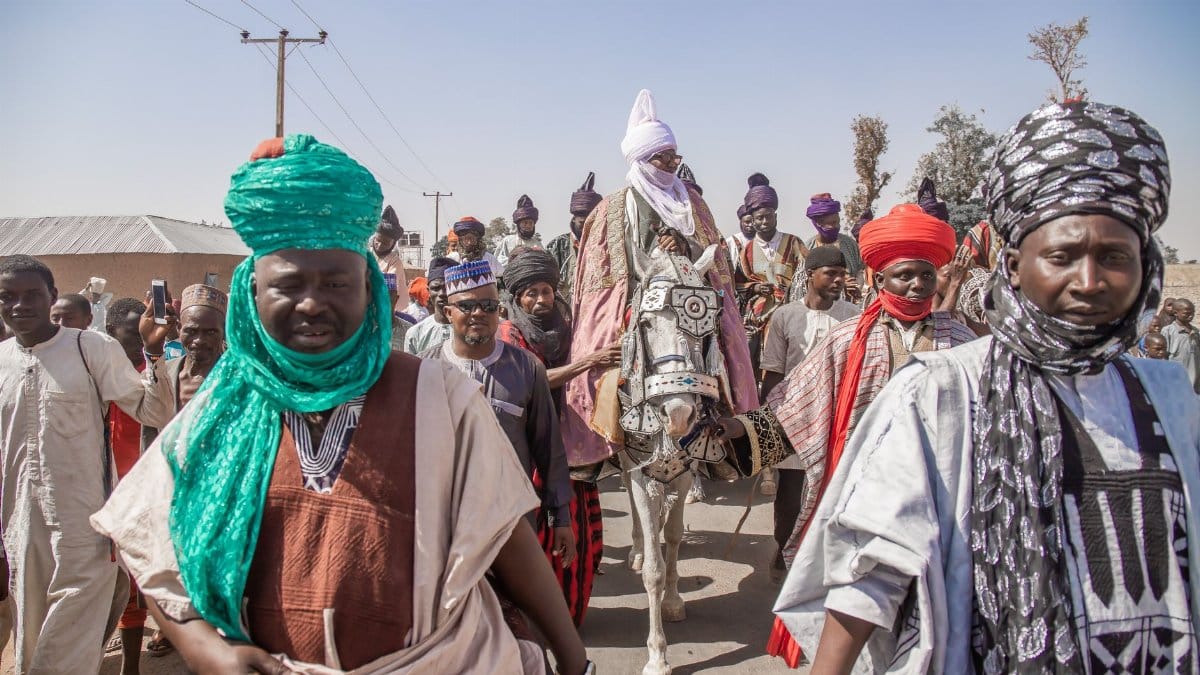
Boyz II Men return to this story as more than a nostalgia booking. The group came out of Philadelphia, and that fact still changes the temperature of a room when they sing. Fans who grew up with the harmonies hear civic pride as well as melody. Younger listeners, if they come, hear a standard of vocal blend that current pop often approximates with software and rarely matches in the open air.
Local origin does not guarantee a transcendent night. It does guarantee a different kind of listening. When the artists onstage can claim the same schoolyards, radio stations, and street names as the people in the seats, applause carries an extra note of recognition. In a weekend dominated by visitors and touring productions, that note is worth protecting.
How audiences actually choose
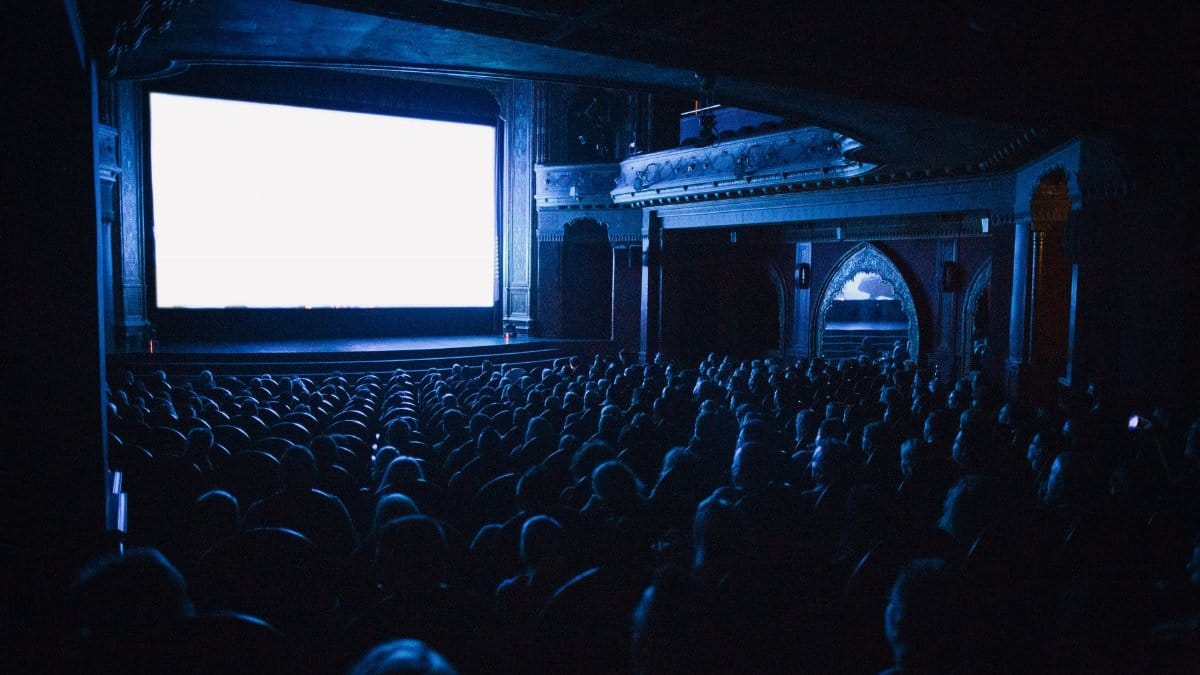
The fantasy version of Philly music weekend Sheeran is a person who sees everything. The real version is a series of tradeoffs. Tickets compete. Energy competes. Childcare competes. Someone who wants the festival lawn on Saturday may not have the patience for a late stadium exit on Friday. Someone who has waited years for Boyz II Men may treat every other option as background.
Those tradeoffs are the honest story. Cultural coverage sometimes pretends that abundance is pure gift. Abundance is also a sorting mechanism. It reveals what people will stand in line for, what they will stream later, and what they will skip without guilt. A packed weekend does not mean every room is equally loved. It means the city has given people enough chances to show their preferences in public.
Money, memory, and the walk home
Live music is a business before it is a feeling, and it is rude to pretend otherwise. Promoters price the mystery. Fans decide whether the mystery is worth the fee. Merchandise tables, premium seats, and festival day passes all translate devotion into a number. The people who cannot afford the number are part of the weekend too, even if they experience it through a friend’s video or a song leaking from a car window.
Memory works on a slower ledger. Years from now, few will recall the exact fee. They will recall whether the chorus landed, whether the lawn was kind, whether the harmonies still held. Philadelphia has a long habit of turning those private recalls into local legend. A weekend like this feeds that habit without needing to announce itself as history.
The city as curator
No single booker designed this collision. Stadium tours, destination festivals, and catalog acts follow different calendars, and sometimes they simply land together. Even so, the overlap says something about the market Philadelphia has become. It can support a global pop draw, a waterfront gathering with its own loyalists, a dance event with a distinct crowd, and a hometown vocal group whose name still opens doors.
That range is not automatic. It depends on venues that stay open, audiences willing to leave the house, and a press and radio culture that still tells people where to go. When those pieces hold, a September weekend can feel less like a list of concerts and more like a portrait. The portrait is crowded. Crowded, in this case, is a form of health.
What the songs are doing
It is tempting to sort the weekend by genre and stop there. Pop here, indie and jam adjacent sounds there, dance somewhere else, vocal group harmony in its own corner. The more useful question is what each setting asks the listener to do. Sheeran asks for attention to a single storyteller. A festival asks for browsing. A dance night asks for the body. Boyz II Men ask for memory, and for the willingness to let three and four part singing carry feelings that conversation would rather dodge.
Those are different uses of the same art form. A city that only offered one of them would be poorer, even if the ticket counts looked impressive. The point of a packed weekend is not that everyone must like everything. It is that the options exist within a few miles and a few days of each other, close enough to argue about on the way home.
After the lights come down
When the last encore ends, Philadelphia goes back to being a city with ordinary Mondays. The grass gets cleaned. The set lists fade from group chats. Someone who missed the show they wanted will say they will catch the next tour, and sometimes they will. What remains is the evidence that live music still organizes time here. People planned around it. They spent on it. They measured their weekend by it.
Philly music weekend Sheeran will not be the last time those plans collide. Another visitor will fill a stadium. Another festival will claim a lawn. Another local act will remind the room where the songs began. The useful habit is to notice the collision while it is happening, before it flattens into a single headline. For a few days in September, the headline was already too small for the map.