
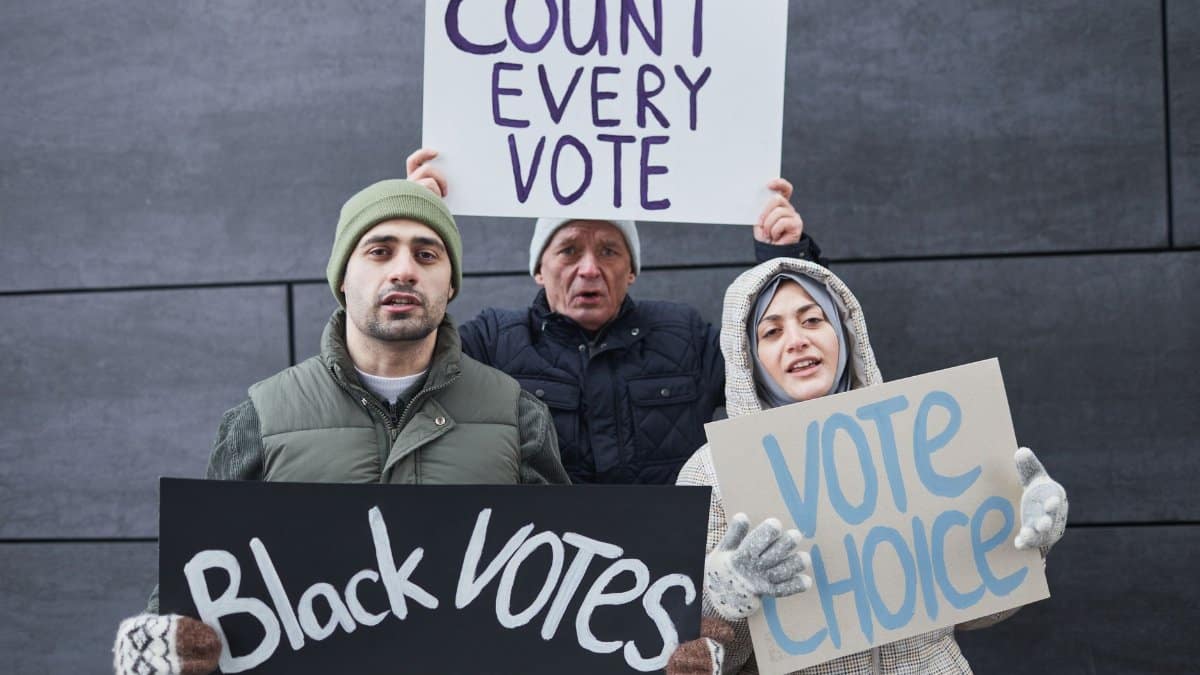
Voters in several Florida counties are encountering a new approach to selecting candidates this election cycle. The Florida Universal Primary opens participation to all registered voters regardless of party registration. This development comes as local governments adjust rules to increase turnout and reduce barriers that have long shaped primary contests. Residents in affected areas now face ballots that blend traditional options with this broader format.
The Origins of This Election Format

Local officials in Hillsborough County proposed the change after years of low primary turnout. Lawmakers argued that allowing every voter to weigh in would produce candidates who better reflect community views rather than narrow party bases. The measure passed with support from both major parties at the county level. Similar experiments have appeared in other states but remain limited in Florida overall.
How It Differs From Standard Primaries

Traditional primaries restrict voting to party members only. Under the Florida Universal Primary every registered voter receives the same ballot for those specific races. Candidates advance based on total votes received rather than separate tallies within each party. This setup removes the closed door aspect that previously kept independents and minority party members from early influence.
Impact on Hillsborough County Voters
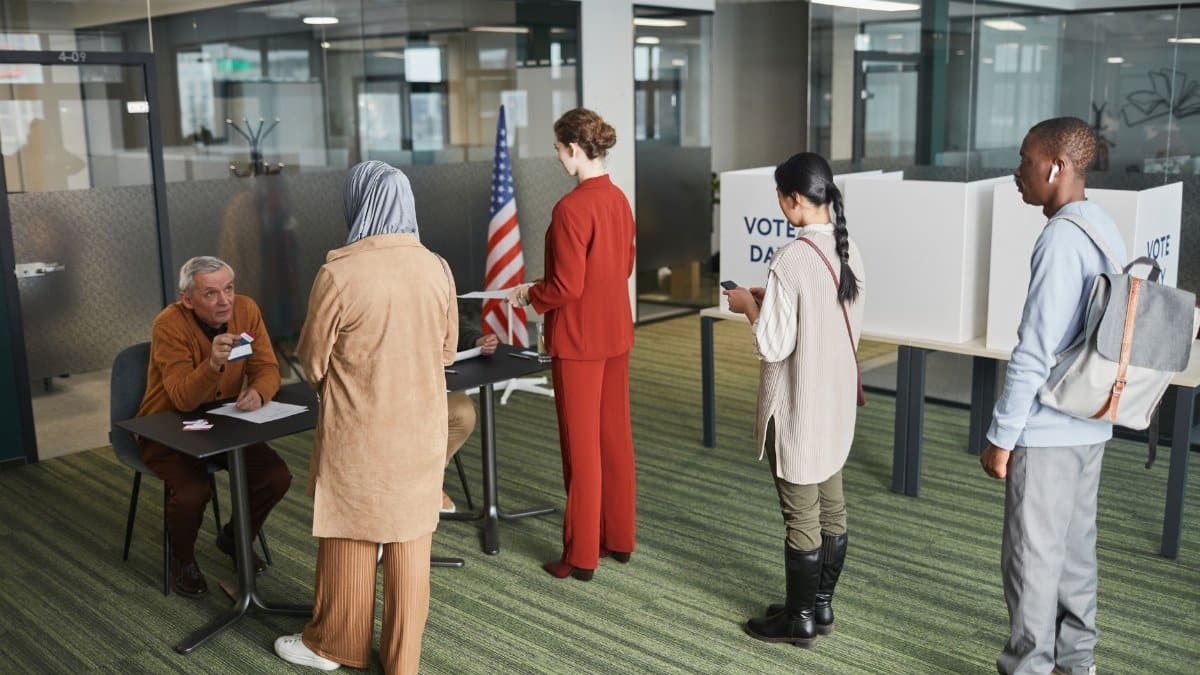
Residents there will see three such races on their ballots this year. County commission seats and legislative positions fall under the new rules. Election administrators have mailed updated instructions to clarify the process. Early reports suggest higher interest among voters who previously skipped primaries because their party affiliation did not match the dominant local group.
Benefits for Broader Participation
Advocates point to increased engagement as the main advantage. When more people vote early the eventual nominees often hold wider appeal. Data from counties that adopted similar systems show turnout gains of ten to fifteen percent in primary contests. This shift also reduces the power of small activist groups that sometimes dominate closed primaries.
Potential Drawbacks and Criticisms

Critics worry that majority party voters could overwhelm smaller party voices in the final selection. Some party leaders fear diluted influence over their own nominees. Others note added costs for printing longer ballots and training poll workers on the new procedures. These concerns have prompted legal challenges in neighboring counties considering the same model.
Comparison With Other States

California and Washington use versions of this system statewide. Those states report mixed results with higher overall participation yet occasional confusion among voters accustomed to party specific choices. Florida has moved more cautiously by limiting the format to select local races. Observers expect further expansion only if current trials produce clear gains in turnout without major disputes.
What Voters Need to Know Before Casting Ballots

Anyone registered to vote in the affected districts can participate without changing party status. Sample ballots now include clear labels for the universal primary races. Voters should review candidate statements carefully since the field may include contenders from multiple backgrounds appearing on one list. Polling locations remain the same though lines could grow longer on election day.
Future Outlook for Florida Elections

State legislators continue to debate whether to expand the Florida Universal Primary beyond its current limited scope. Proponents cite sustained interest from county officials while opponents call for more data on long term effects. The coming election cycle will serve as a test case that shapes whether other Florida communities adopt the approach in future years.