

On a weeknight when the office lights have gone dark and the ferries are still crossing the Sound, a cluster of adults in rented shoes waits for a buzzer. Nobody is here for a conference. They are here because Seattle inner child activities have quietly become a way to spend an evening that does not involve another screen or another carefully planned dinner. The rooms smell faintly of rubber flooring and popcorn. Someone laughs too loudly, then looks around to see if that is allowed. It is.
Play as a public habit, not a private joke
For years, grown play sat at the edge of city life, filed under birthday parties and corporate outings. That framing is thinning. Therapists talk about nervous system rest. Friends talk about needing a night that does not ask them to be impressive. The result is a small map of rooms, tracks, and tables where competence is optional and delight is the point. I have watched otherwise reserved people become loud within ten minutes of a shared game, not because they changed personalities, but because the room gave them permission.
That permission matters in a city that prizes competence. Seattle rewards people who can hold a meeting, debug a system, or navigate a trail in bad weather. Those skills are useful. They are also exhausting when they become the only register available after work. A night built for play does not cancel ambition. It interrupts it long enough for the body to remember other speeds.
WhirlyBall and the pleasure of controlled chaos
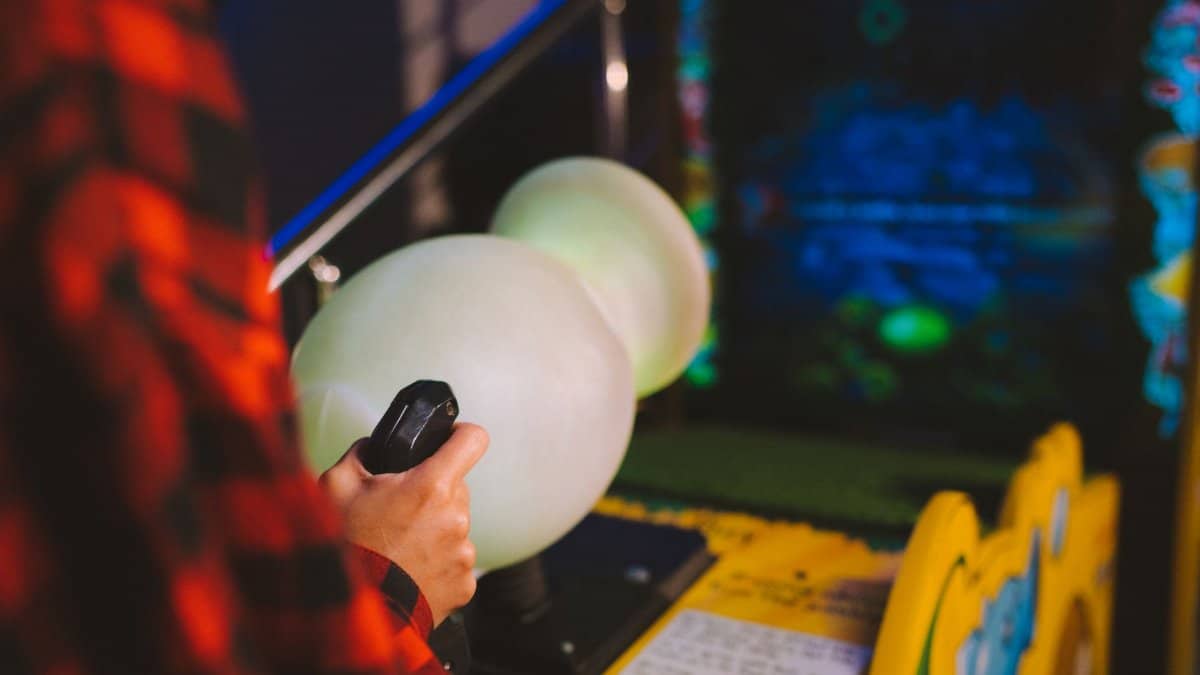
WhirlyBall remains the clearest local example of adult play that refuses to be subtle. Players sit in small electric cars, carry a plastic scoop, and chase a ball around a walled court. The sport borrows from bumper cars and from lacrosse without asking anyone to have played either one well. Scoring helps, but the real event is the near miss, the spin, the moment a careful person decides to be less careful.
The format suits groups that do not share a hobby. You do not need matching fitness levels or a shared childhood team. You need a willingness to bump into friends and to forgive the occasional wild turn. Staff explain the rules in a few minutes. After that, the court does the social work. People who arrived talking about traffic leave talking about a single ridiculous play. Among Seattle inner child activities, this one is the loudest argument that joy can be scheduled.
Kart tracks when the sky cooperates
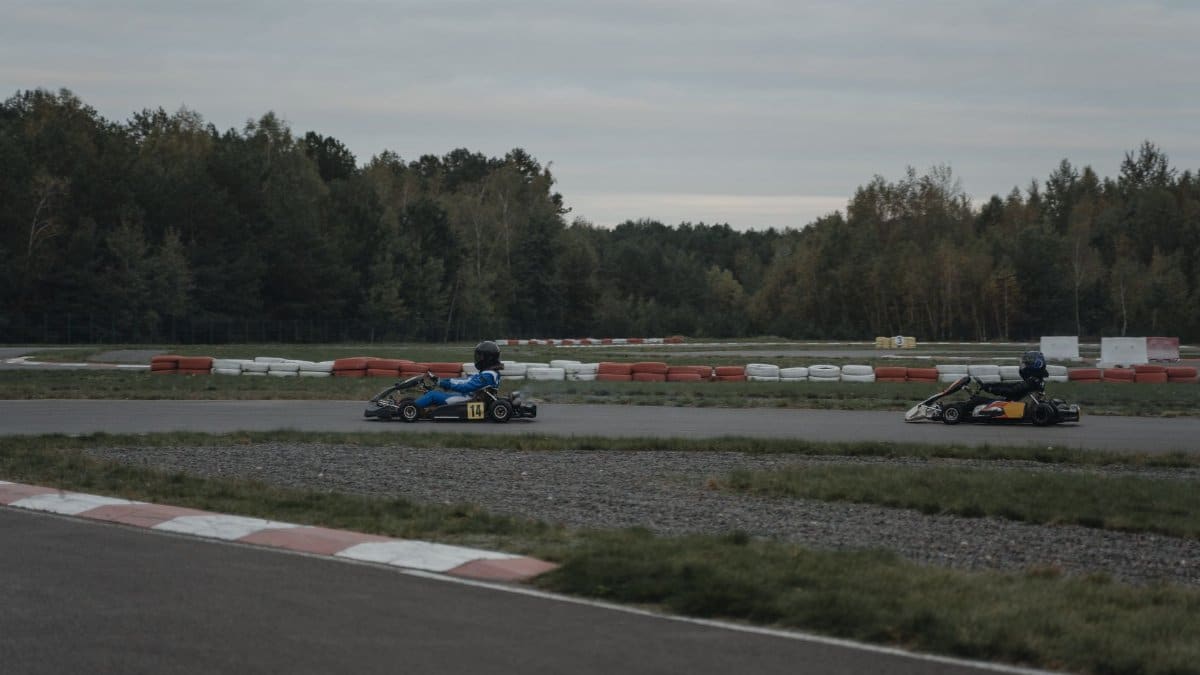
Outdoor karts ask for a different kind of attention. The Family Fun Center in Tukwila and similar tracks around the region put drivers on a looping course where the main skill is restraint. Go too hard into a corner and the kart slides. Hold a clean line and the lap feels briefly professional, even if the machine tops out far below a real race car. Helmets, briefings, and staff on the apron keep the risk in a managed range.
Weather decides the calendar. A dry September evening is ideal. A sudden shower turns the surface slick and sends people toward the indoor games next door. That dependence on the sky is part of the appeal. Unlike a reservation that can be honored in any climate, an outdoor lap still belongs to the day you showed up. Adults who spend their weeks in climate controlled rooms often notice the air first, then the speed.
Brick nights for people who never finished the castle
Lego has a second life here that has little to do with children in the room, though children are welcome at many events. Specialty shops and community builds host evenings where adults sort bricks, argue gently about color, and assemble scenes that will be taken apart again. Some nights are open build. Others follow a theme, a skyline, a ship, a creature that never existed. The work is absorbing in the way a good puzzle is absorbing, with the added fact that your hands stay busy while your mind unclenches.
There is no trophy for finishing. A half built tower can be a success if the person who made it leaves lighter than they arrived. Regulars talk about the meditative quality of sorting, the small click of a brick seating correctly, the way an hour disappears. It is easy to mock that seriousness. It is harder to mock it after you have spent forty minutes hunting for one dark blue slope piece and felt, absurdly, proud when you found it.
Arcades that still reward a quarter and a grudge
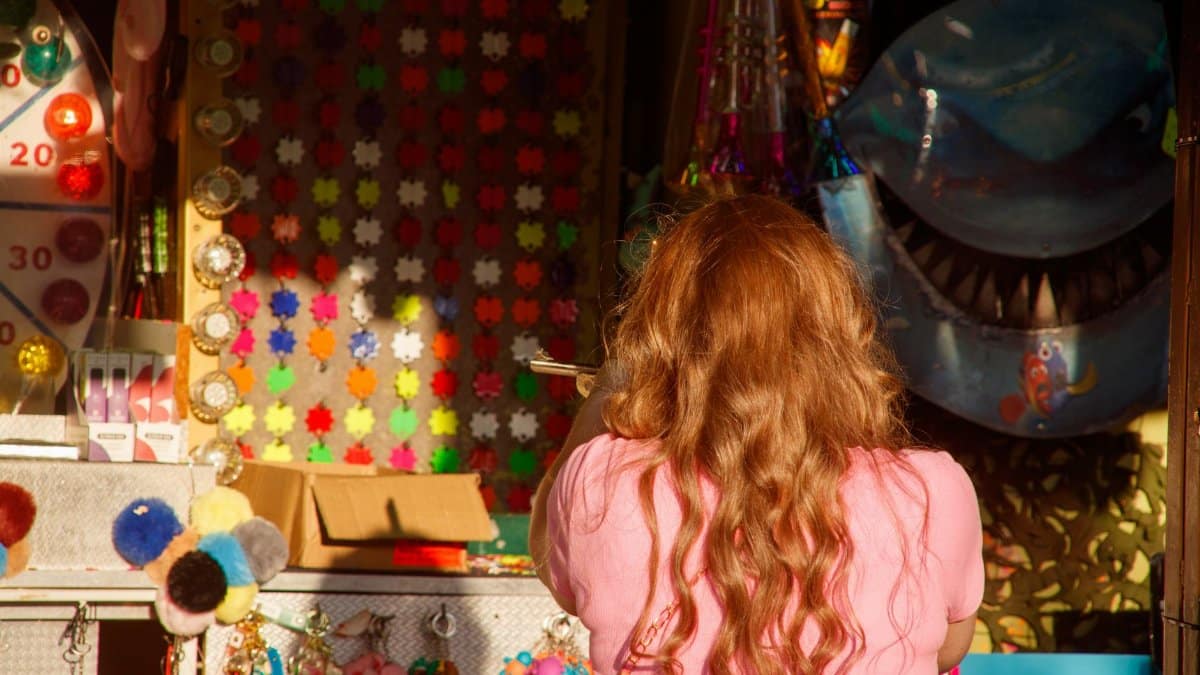
Pinball and ticket arcades give the inner child a more competitive costume. The Seattle Pinball Museum and bar side pinball rooms let players stand at a glass covered machine and chase a score that will not matter tomorrow. That futility is the feature. A good game lasts a few minutes. A bad one ends faster. Either way, you can walk to the next machine without a debrief.
Modern arcades add rhythm games, racing cabinets, and claw machines that mostly disappoint. The mix works because it offers several kinds of focus. Some people want a high score. Some want to watch a friend fail in a way that is funny rather than costly. Some want the particular nostalgia of a soundtrack they have not heard since middle school. None of those motives require an explanation at the door.
Miniature golf as a social technology
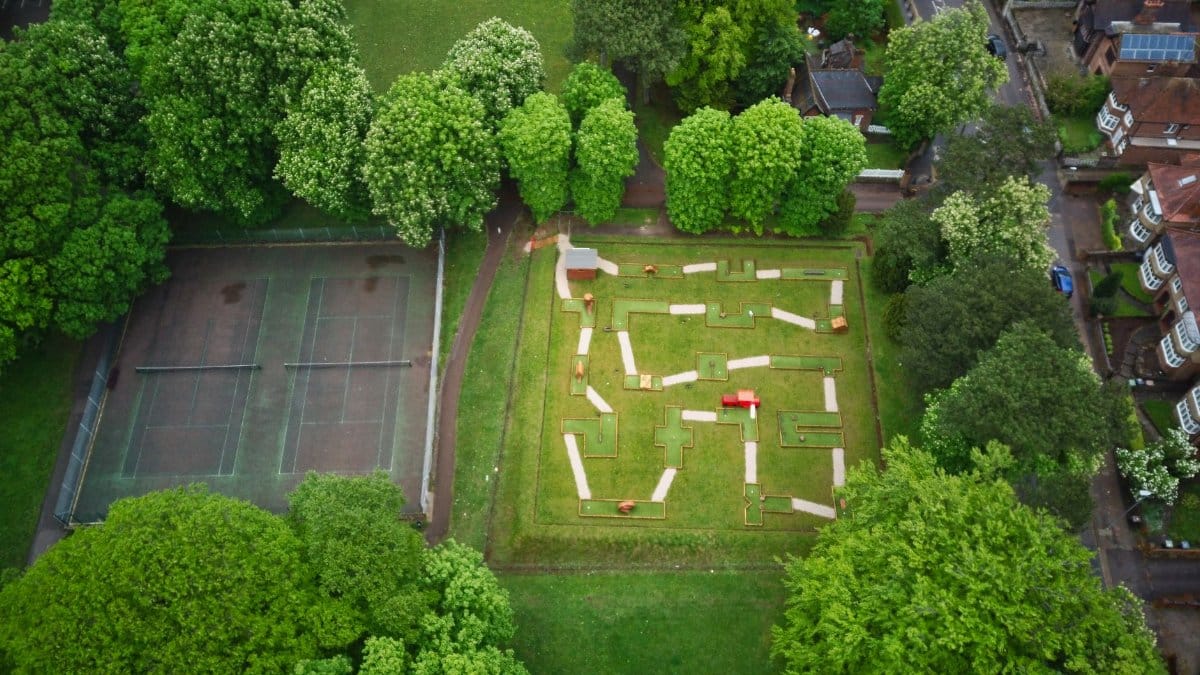
A windmill, a loop, a ramp that sends the ball back to the start. Miniature golf is engineered frustration with a punch line. Courses around the region, indoor and outdoor, gather mixed groups who would never join a league. The handicap is built into the design. A precise putter can lose to a lucky bounce. Children, if they are along, often win. Adults who can accept that tend to have a better night than adults who cannot.
The pace is slow enough for conversation and structured enough to prevent the conversation from becoming a status report. You talk between holes. You watch someone else take a shot. You move. In a city where many social plans collapse into sitting across a table and asking how work is going, a silly course is a useful third thing in the room. It gives awkward pauses a job.
Museums after the field trips leave
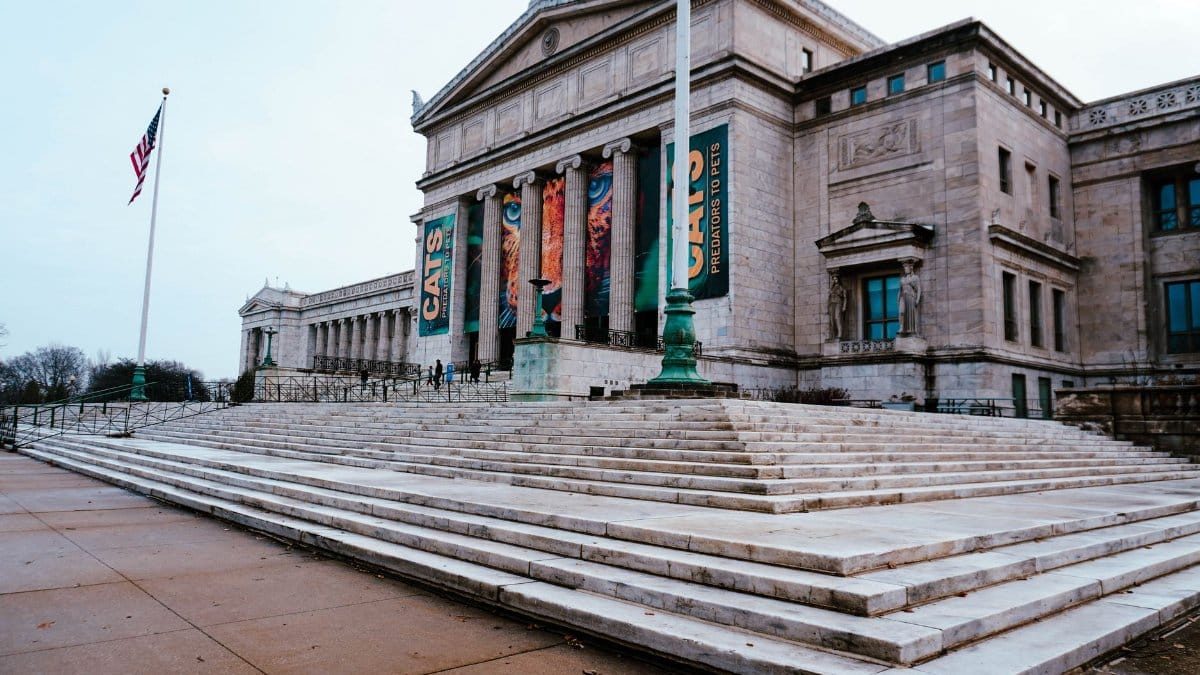
Pacific Science Center and the Museum of Flight do not market themselves as playgrounds for adults, yet both reward the same impulse. Exhibits invite touching, testing, and standing too long in front of a machine that demonstrates a simple law of physics. The flight galleries offer scale. A person can stand under a wing and feel, without saying it, the old wish to leave the ground. Science exhibits offer cause and effect. Press this, watch that. The loop is childish in the best sense. It restores a kind of attention that meetings tend to sand down.
Weekday late afternoons are often quieter than weekends. That quiet changes the experience. You can linger at a single station without negotiating a crowd of backpacks. You can read a label all the way through. You can admit, to the friend beside you, that you still do not understand how that particular engine works. Curiosity without embarrassment is a rare civic resource. These buildings keep a supply of it on the floor.
Rinks, alleys, and other rooms with rules you can learn in five minutes
Roller rinks and bowling alleys belong on the same list because they share a social geometry. You rent equipment. You occupy a lane or a loop. Music covers the gaps in talk. Skill helps, but beginners are expected. The Seattle area still has rinks and bowling houses that fill on Friday nights with a mix of leagues and drop in groups. The leagues can look intimidating from the door. They are usually not. Most regulars remember being new.
What these rooms offer, beyond the activity, is a container. A dinner with no plan can sprawl into phones. A rink has a session length. A bowling lane has ten frames. When the time ends, people are free to go home without inventing a reason. That boundary is a kindness. Play that never ends becomes another obligation. Play with a buzzer at the finish can stay play.
How a night like this actually gets planned
The practical side is simpler than the mood around it. Pick a place with a clear start time. Invite fewer people than you think you need. Six is often better than sixteen, because sixteen recreates the office. Say what the plan is in the first message, including shoes, waivers, and whether food is part of it. Ambiguity is what turns a light idea into a thread nobody answers.
Cost varies. Some museum evenings are modest. Kart sessions and private court rentals cost more, especially if you add food. Split the bill in advance if money is uneven in the group. Designate one person to handle the reservation so the night does not die in a poll. And leave room for the activity to be slightly embarrassing. If everyone arrives determined to look cool, the room will feel like a meeting with worse lighting. Seattle inner child activities work when at least one person is willing to go first and look silly.
What the research actually supports

Claims about play and mental health are easy to inflate, so the careful version is worth stating. Play researchers, including those associated with the National Institute for Play, describe play as a voluntary, absorbing activity with diminished self consciousness and a sense of possibility. A readable overview lives on the institute site at https://nifplay.org/what-is-play/. That definition fits a kart lap or a pinball game better than it fits a mandatory fun hour at work. The distinction matters. Forced play often backfires. Chosen play tends to restore energy rather than drain it.
Clinical writers are similarly cautious. They do not promise that one night at a rink will repair burnout. They do note that absorbing, low stakes activity can interrupt rumination and give the body a different task than bracing. Readers who want a mainstream summary of why unstructured play matters, even though much of that literature centers on children, can start with the American Academy of Pediatrics materials gathered at https://www.aap.org/en/patient-care/early-childhood/early-childhood-health-and-development/power-of-play/. The adult translation is not identical, but the mechanism rhymes. Attention narrows onto something immediate. The future, for a while, stops auditioning.
A spiritual angle without the costume

This category of local life sometimes gets dressed up as wellness branding. The better description is plainer. People are looking for hours that feel consecrated without a doctrine attached. A court, a lane, a table of bricks can function as a small sanctuary because phones go into pockets and status goes quiet. Nobody asks what you do. They ask whose turn it is.
That is not church, and it should not be sold as a substitute for deeper care when someone is in real distress. It is, however, a civic form of rest. Cities that only offer consumption and productivity eventually feel thin. Cities that also offer harmless competition, shared laughter, and rooms where adults may be beginners feel thicker. The spiritual content, if that word fits, is the reminder that a person is more than a role. For an hour, you are the one who missed the shot, or made it, or built a crooked tower and liked it anyway.
Who these nights leave out, and how to widen them
Not every body can bumper a car or stand at a pinball machine. Access is the part of this trend that still needs work. Some tracks and rinks have limited seating, loud sound, and rules that assume a narrow range of mobility. Museums tend to do better, with elevators, benches, and exhibits that can be enjoyed from a chair. Hosts who want a mixed group should ask about access before they book, not after someone has to decline.
Money is the other gate. A single novelty night is a treat. A habit of them can exclude friends who are covering rent. Rotating cheaper options, a museum evening, a walk with a ridiculous goal, a brick build at a kitchen table, keeps the spirit without turning play into another membership. The inner child does not require a ticket every time. Sometimes the ticket simply makes the invitation easier to accept.
A September map, lightly held
Early fall is a practical window. Outdoor karts are still plausible. Indoor courts do not depend on the forecast. Museum calendars fill with evening programs before the holiday crush. If you are building a short list, start with one loud option, one quiet option, and one that can survive rain. WhirlyBall covers the loud column. A brick night or a science hall covers the quiet one. Miniature golf or a rink can swing either way depending on the crowd you bring.
Guides like the September 18 roundup in The Seattle Times, which pointed readers toward WhirlyBall, karts, and Lego nights, are useful as prompts rather than assignments. Tastes differ. Some people want speed. Some want a table and a small plastic world. The common thread is consent. You opted in. You can opt out when the session ends. That freedom is why these plans keep spreading by text message instead of by corporate newsletter.
Leaving the building a little less armored

The test of a good night is modest. Did anyone laugh in a way they did not plan? Did the drive home feel shorter? Did a person who has been clenched for weeks unclench, even briefly? If the answers are yes, the spot did its work. If the answers are no, try a different room. Play is personal. A track that thrills one friend may bore another. A museum that restores you may feel like homework to the person beside you.
Seattle inner child activities are not a personality. They are a set of doors. Behind them, adults get to practice being beginners in public, which is a harder skill than it looks, and a kinder one than most professional training admits. The city already knows how to be serious. These rooms ask it, for a rented hour, to be less so. That request is small. On the right night, it is also enough.