
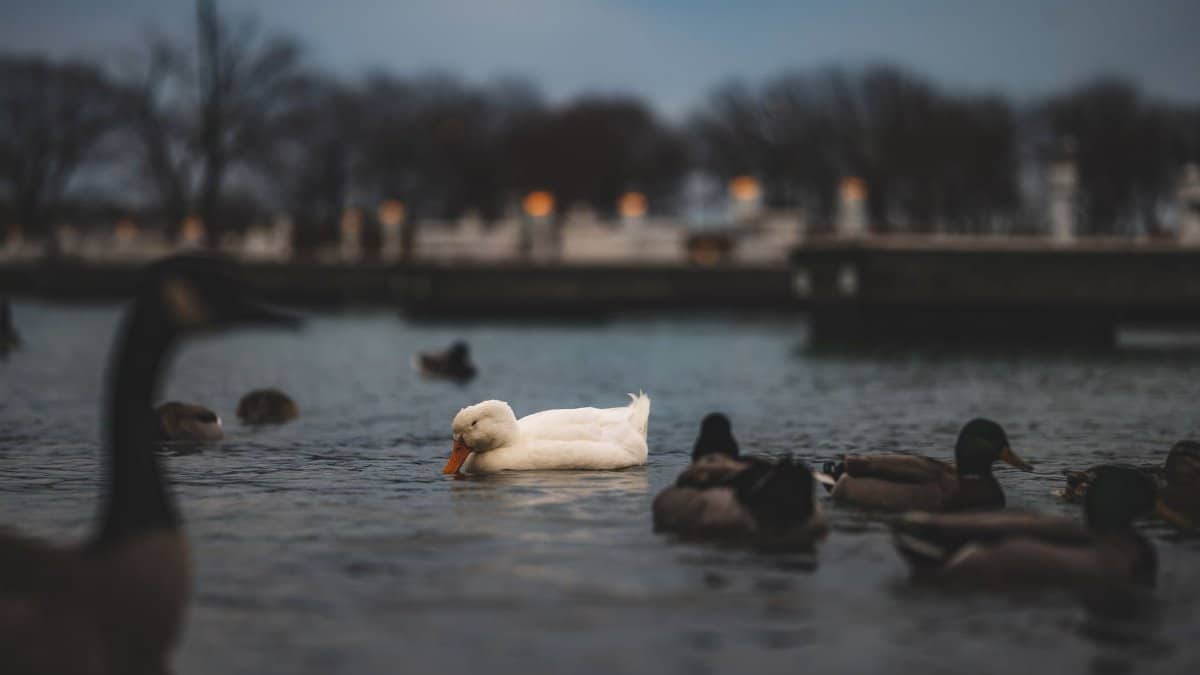
On a still September morning, walkers along the Chicago Riverwalk paused at the edge of DuSable Harbor and watched a mallard struggle to lift its head from the water. Nearby, another bird lay motionless against a pier piling. Wildlife officers later collected carcasses at Burnham Harbor as well, and the working explanation that spread through lakefront chats and neighborhood forums was Chicago harbor duck botulism. The phrase is clinical. The scene is not. For a city that treats its shoreline as a shared living room, the sight of dying ducks lands as both a public health question and a private unease.
What people are finding at the water
Reports began as they often do, with dog walkers and early anglers. At Burnham Harbor, on the south lakefront, residents described ducks that could not hold their necks upright, a posture biologists sometimes call limberneck. At DuSable Harbor, closer to downtown towers and tour boats, similar birds appeared over several days. Some were still alive and too weak to flee. Others were already dead when staff arrived.
City and state wildlife contacts have treated the cluster as a suspected outbreak of avian botulism rather than a confirmed laboratory verdict in every carcass. That distinction matters. Suspicion guides the immediate response. Confirmation takes time, samples, and a lab that can identify the toxin. Until those results return, officials are speaking carefully, and residents are filling the gap with photographs, speculation, and worry.
How the illness actually works

Avian botulism is caused by a toxin produced by the bacterium Clostridium botulinum, which can thrive in warm, stagnant, oxygen poor sediment. The toxin does not spread from bird to bird the way a virus does. Birds take it in when they eat invertebrates, or sometimes fish, that have accumulated the poison. Maggots feeding on dead birds can concentrate the toxin further, which is why prompt removal of carcasses is one of the few practical tools managers have.
Type C and type E strains are the ones most often discussed in waterfowl. On the Great Lakes, type E has a long and grim history with fish eating birds. Dabbling ducks can be affected too when conditions line up. The illness paralyzes muscles. Birds lose the ability to fly, then to walk, then to hold up their heads, and finally to breathe. There is no field treatment that reliably saves a badly affected wild duck. Supportive care in a rehabilitation center sometimes helps milder cases. Many birds never reach that door.
Why late summer is a dangerous season

Heat, low water movement, and decaying organic matter create the conditions the bacterium prefers. Harbors are not open lake in the same way a windswept beach is. Breakwaters calm the surface. Boats stir sediment. Algae and dead plants settle in corners where current barely moves. When water warms and oxygen drops near the bottom, spores that have sat quietly for years can germinate and produce toxin.
That pattern is familiar to biologists who work the Great Lakes, even if each harbor has its own mix of depth, weeds, and traffic. A dry stretch followed by a warm spell can be enough. So can a pulse of dead fish that feeds the food chain the toxin travels through. None of this requires a villain with a bucket of chemicals. It requires weather, geography, and a microbe that has always been part of the mud.
Burnham Harbor and the south lakefront
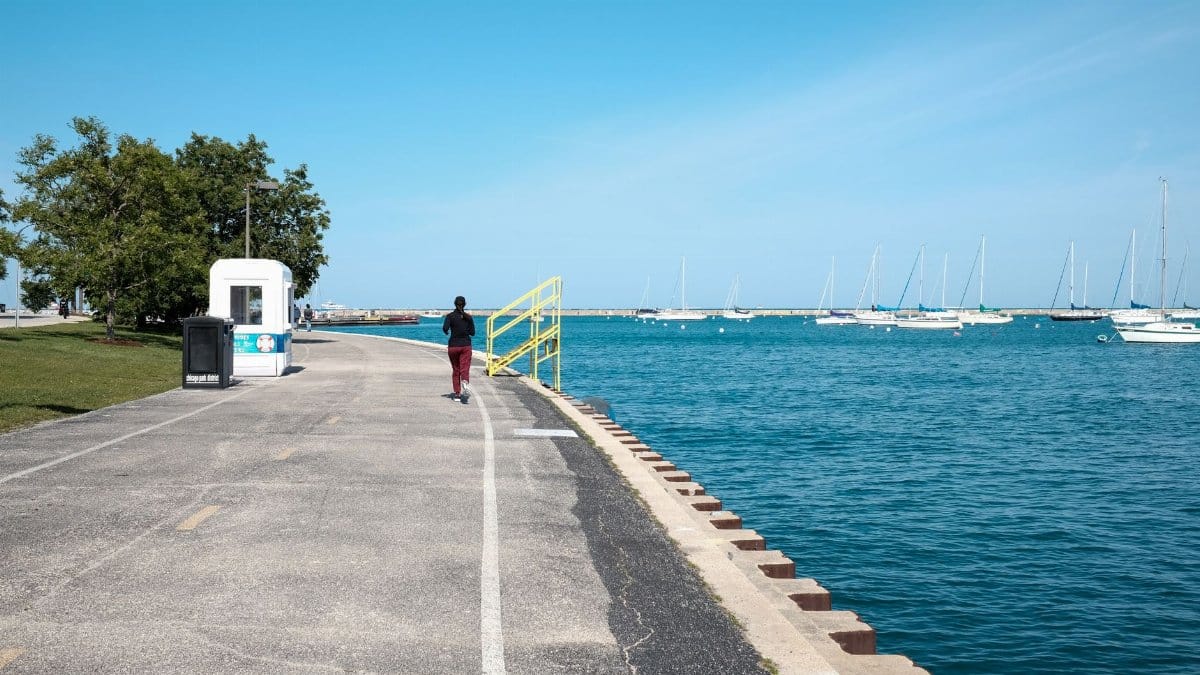
Burnham Harbor sits beside parkland that draws families, fishermen, and people who simply want a place to sit. When ducks began dying there, the audience was immediate. Children asked questions. Adults called park offices. Some tried to scoop birds into boxes, which is understandable and also risky if a person handles a sick animal without gloves or a plan.
Staff have emphasized distance. A paralyzed duck is suffering, but it is not a pet, and the toxin that felled it is not something to carry home on a sleeve. Local guidance has centered on reporting locations, keeping dogs leashed and out of the shallows, and leaving carcass removal to people with training and bags. The south lakefront has seen algal blooms and fish kills in past summers. Those episodes trained a certain vigilance. This one feels more intimate because the victims are birds people recognize by name.
DuSable Harbor under the downtown eye

DuSable Harbor is harder to ignore. It sits in the sightline of museums, high rises, and the daily parade of people who cross the river for work. A dead duck beside a yacht slip reads differently than the same bird in a quieter marsh. It becomes a civic image. Photographers frame it against steel and glass. Social feeds amplify it before any lab slip is signed.
Officials suspect the same process at both harbors, not two unrelated plagues. Shared late summer conditions, connected lake water, and similar bird traffic make a common cause more plausible than coincidence. Still, harbors are not identical. Depth, flushing, and the amount of decaying material differ. What looks like one event from a phone screen may be two pockets of the same environmental logic.
What officials can say and what they cannot

Wildlife agencies are practiced at this kind of uncertainty. They can describe symptoms. They can recommend carcass pickup. They can warn that cooking does not make a poisoned bird safe to eat, a point aimed less at urban duck hunters than at anyone tempted by bad folklore. They cannot, on the first day, promise that every death belongs to one diagnosis.
Other illnesses can stagger waterfowl. Trauma from boats, lead fragments in old sediment, and severe parasites all appear in case files. Botulism rises to the top of the list when many birds show progressive paralysis without obvious wounds, especially in warm slack water. Laboratory tests for the toxin are the standard that turns suspicion into a finding. Until those tests speak, the honest headline is the one officials are already using: suspected, not sealed.
Readers searching for Chicago harbor duck botulism will find a phrase that captures the moment more than a finished scientific paper. It names a place, a victim, and a likely mechanism. It should not be mistaken for a completed case file.
The Great Lakes record behind this week
This is not the first time the lakes have killed birds with a toxin born in their own sediments. Outbreaks along Lakes Michigan, Erie, and Huron have, in bad years, claimed thousands of loons, gulls, and ducks. Type E botulism has been tied to rounds of dead fish and to invasive mussels that altered how energy and decay move through the food web. Scientists at federal wildlife health centers have spent decades mapping those die offs, and the public record is sobering even when a single harbor week looks small beside it.
Chicago is not a remote research site. It is a dense city whose harbor mud is also a recreational floor. That proximity does not change the biology. It changes the witnesses. When the same toxin that has emptied remote beaches shows up beside a downtown slip, the abstract history becomes a morning commute. Chicago harbor duck botulism, as residents are now saying it, is local speech for a regional vulnerability.
What boaters, anglers, and dog owners can do

Practical steps are plain and worth repeating without drama. Do not handle sick or dead birds with bare hands. Keep pets from mouthing carcasses or drinking from stagnant harbor corners. Report clusters rather than single feathers, and give a precise location so crews are not guessing which pier. If you boat, avoid stirring obvious mats of decaying weeds when you can, though no skipper can sanitize a harbor with better manners alone.
Eating fish from the lake remains governed by existing consumption advisories that have nothing to do with this week and everything to do with older contaminants. Avian botulism is primarily a bird story. Humans are not catching it by walking the path. The risk worth respecting is contact with sick wildlife and the false comfort of trying to nurse a wild bird in a kitchen sink.
A city that measures itself by its shore

Chicago sells the lake as relief. In summer the water is a public good as real as a park bench. When ducks die in the harbors, that good feels conditional. People who do not think of themselves as environmentalists still flinch. The flinch is not only about one species. It is about whether the edge of the city is as clean, as managed, and as trustworthy as the postcards suggest.
Some of that reaction slips into a quieter register. Volunteers who walk the same path every dawn speak about the birds as neighbors. A few leave flowers, which will not help a lab and may not help a duck, but which mark the fact that a death was seen. In a news lane usually reserved for trends of the spirit, that small gesture is the relevant one. Care, here, is not a doctrine. It is a person stopping, calling the right office, and refusing to scroll past.
What would actually lower the risk

No mayor can order a bacterium out of harbor mud. Managers can remove carcasses quickly so the toxin does not cycle through maggots. They can watch temperature and oxygen. They can limit, where feasible, the piles of decaying plants that feed low oxygen pockets. Longer work sits upstream of any single outbreak: nutrient pollution that feeds algae, shorelines hardened so water cannot flush, and a climate that delivers longer stretches of heat.
None of those projects will comfort the mallard that cannot lift its head this week. They are the difference between treating each September as a surprise and treating it as a season the city plans for. Funding for wildlife response is rarely glamorous. It becomes visible only when the bags come out and the public wants answers faster than a culture test can travel.
How to read the next update

The next useful sentence from officials will be narrower than the rumor. It will say whether toxin was detected, which type, which species, and whether deaths are slowing. If tests come back negative, the city will need another explanation and should say so plainly. If they come back positive, the label Chicago harbor duck botulism will have earned its clinical weight, and the work will shift from mystery to management.
Until then, the responsible posture is attention without panic. The harbors are not closed to human life. They are, for the moment, a place where wild birds are paying for conditions we helped shape and weather we do not control. Watching carefully, reporting accurately, and resisting the urge to invent a simpler villain are the adult responses available on a gray morning by the water.
A modest kind of stewardship

Cities reveal their values in small operational choices. Whether a carcass is left for a day because no one owns the call. Whether a harbor master and a wildlife biologist share a phone tree. Whether the public is told what is known and what is not, in language that respects both science and grief.
Ducks dying near Chicago harbors will not reorder the skyline. They will test whether the lakefront is only a view or also a responsibility. Suspected botulism is a hard teacher. It offers no single culprit and no quick absolution. It asks for cleaner habits, faster field response, and a public willing to hear a complicated answer. That is a modest demand. It is also the one that fits the evidence in front of us, and the only one that treats both the birds and the people who love this shore as worth the trouble of getting the story right.