
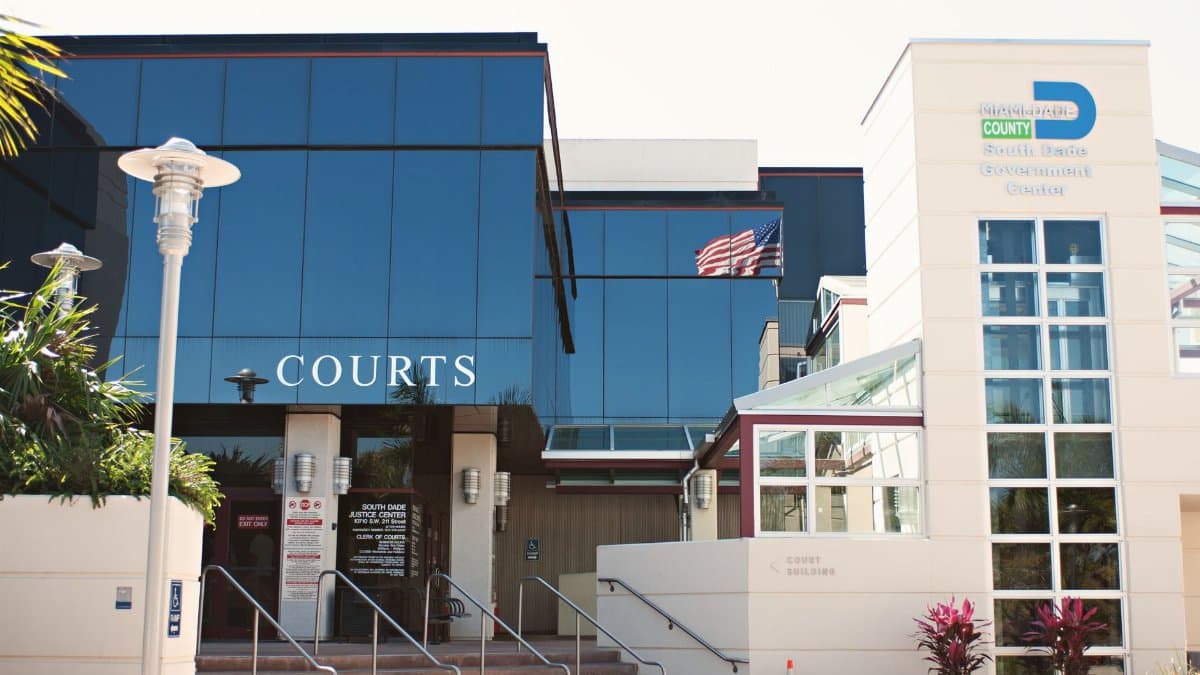
The recent announcement from Miami Dade County Public Schools has set a new tone for how the district handles difficult decisions about its facilities. Families worried about the future of their neighborhood institutions now have additional time to voice concerns and understand the implications. The new superintendent’s choice to pause the review of 27 schools flagged for possible closure comes at a critical moment when enrollment trends and budget constraints weigh heavily on administrators. This approach to Miami-Dade school closures emphasizes transparency over haste.
The Superintendent Brings Fresh Perspective to Leadership

The district welcomed its new leader earlier this year with hopes that a different approach might ease long standing tensions around facility planning. Parents and teachers alike described the previous process as rushed and lacking sufficient community dialogue. By stepping back from immediate action the superintendent has signaled a willingness to listen first and decide later.
Why Certain Schools Drew Attention During Initial Review

District data showed several buildings operating well below capacity for years. Lower birth rates combined with families moving to neighboring areas contributed to the imbalance. Officials noted that maintaining under utilized spaces strains maintenance budgets and diverts resources from classrooms that remain full.
How Families React to the Sudden Pause

Relief spread quickly through parent groups once news of the delay reached them. Many had feared abrupt announcements with little chance to relocate children or adjust after school care. The extra time allows households to gather facts and prepare thoughtful responses rather than reacting in the moment.
Budget Pressures That Complicate Every Closure Discussion

Even with the pause in place financial realities continue to shape conversations. Declining state funding per pupil forces tough choices about which programs to protect. Advocates argue that closing buildings alone will not solve broader shortfalls without additional support from Tallahassee.
Public Input Sessions Planned Across Multiple Regions

The superintendent has directed staff to schedule open forums in each affected area before any further steps occur. These gatherings will include maps showing enrollment shifts over the past decade and projections for the years ahead. Residents will be invited to share stories about what their local school means to the surrounding neighborhood.
Potential Impact on Teachers and Support Staff

Educators assigned to the 27 buildings under review wonder how a closure timeline might affect their careers. Seniority rules and transfer policies offer some protection yet uncertainty lingers. Union representatives have welcomed the pause as an opportunity to negotiate smoother transitions if changes become necessary.
Comparisons With Other Large Districts Facing Similar Issues

Across the country urban systems have experimented with consolidation in response to shifting populations. Some cities moved quickly and later faced community backlash while others extended timelines and preserved more trust. Miami Dade leaders appear to be studying those examples closely before committing to any single path.
Role of Enrollment Trends in Long Term Planning

Demographers project continued slow decline in student numbers over the next decade unless new housing developments attract young families. The district must weigh those forecasts against the desire to keep small schools open as community anchors. Balancing both goals requires careful data analysis paired with resident feedback.
Next Steps After the Current Review Window Closes

Once the pause ends the superintendent will present updated recommendations to the school board. Any final proposals will include detailed transition plans for students and staff. The emphasis remains on giving families clear calendars so they can plan without last minute surprises.