
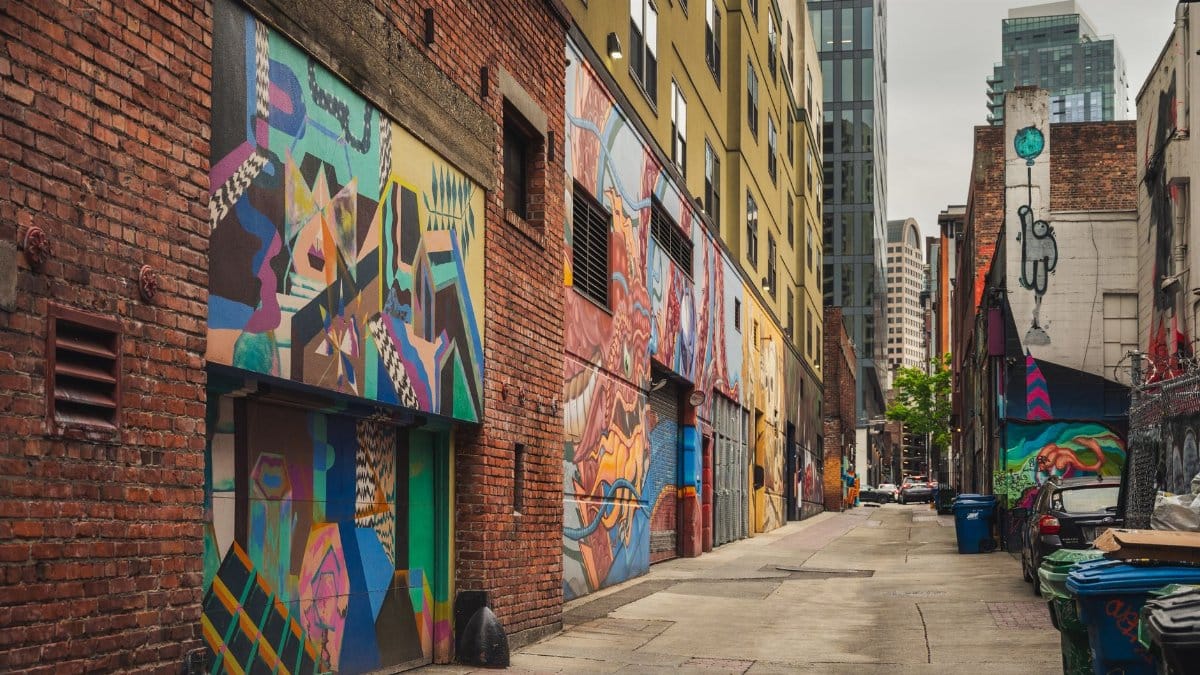
On a clear Saturday the usual advice in downtown Seattle is to keep moving, eyes forward, phone ready, errand finished. This weekend the counsel flips. WALKDONTRUN Seattle asks people to slow the whole length of the core, from the brick canyons of Pioneer Square up toward the glass and neon of Belltown, and to treat the sidewalk as a stage rather than a shortcut. More than 200 artists are expected to occupy corners, alleys, windows, and the thin strip of curb where a city usually hurries past itself. The gathering is free. The distance is walkable. There is no medal at the end, only the odd relief of having looked.
A marathon measured in attention
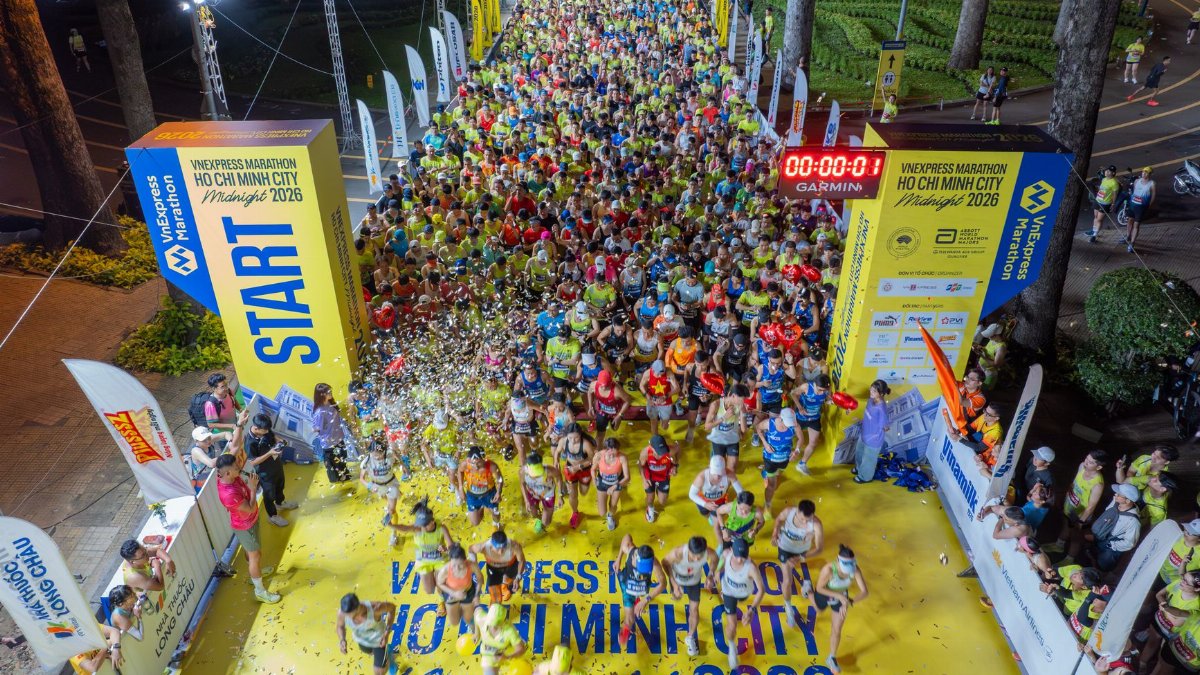
Most downtown events sell speed. A parade has a pace. A sports crowd has a clock. Even a festival, for all its stalls and music, often becomes a checklist: eat, photograph, leave before the bridge traffic thickens. This one borrows the language of a race and then refuses the race. The name is a joke with a rule inside it. You are not supposed to optimize the route. You are supposed to miss things, double back, stand too long in front of a dancer who has claimed six feet of concrete, and accept that someone else will see the poet you skipped.
That inversion matters in a city that has spent years arguing about what its center is for. Offices emptied and partially returned. Storefronts went dark and some of them lit again. Visitors came for games and left before dusk. A walking arts day does not solve any of that. It does something smaller and, for a few hours, more exact. It fills the street with reasons to remain.
From Pioneer Square toward Belltown
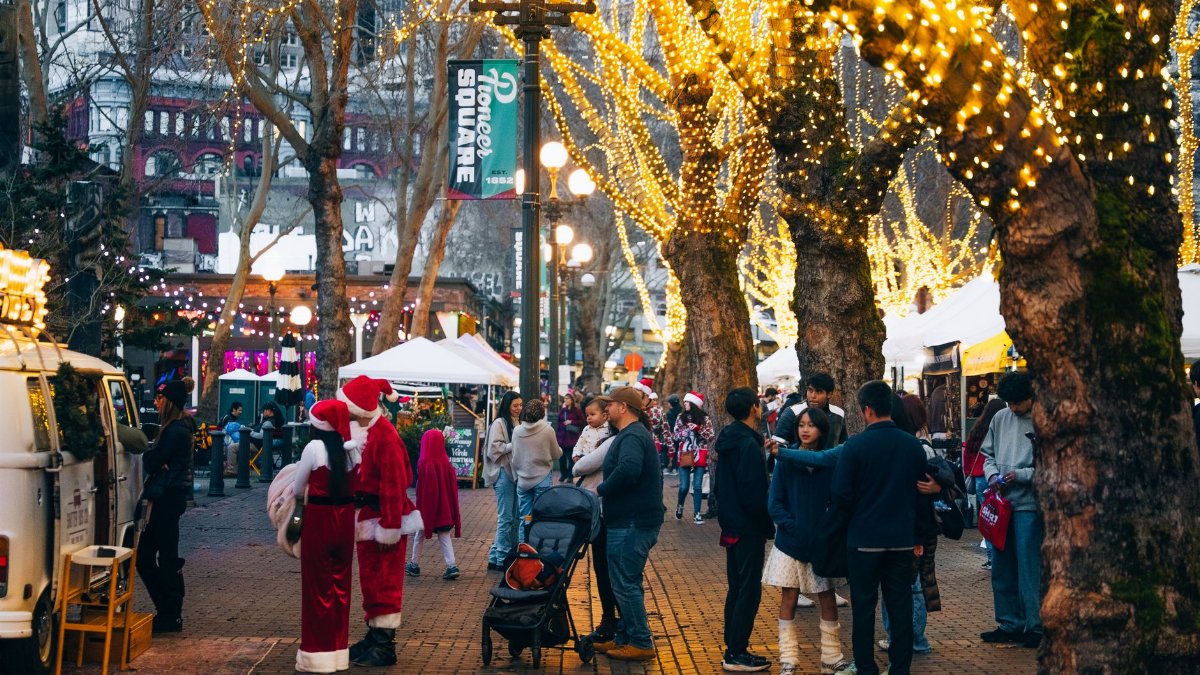
The geography is not neutral. Pioneer Square still carries the weight of old brick, iron columns, and the memory of a city rebuilt after fire. Belltown, farther north, reads as newer glass, tighter apartments, restaurants that turn over with the rent. Between them sit government buildings, a retail core that has been anxious about foot traffic, and blocks where the afternoon can feel either lively or abandoned depending on the hour and the weather.
Stringing those neighborhoods into one walk turns a map into a sentence. You begin among galleries and historic facades. You pass corners where office workers once formed a lunch river and where, more recently, the river thinned. You end nearer the water and the condos, where the light hits differently and the crowd, if it holds, has been on its feet for a while. The artists are the punctuation. Without them the route is just a commute done slowly. With them it becomes a public reading of the city as it actually is, scuffed and ambitious at once.
What two hundred artists are asked to do
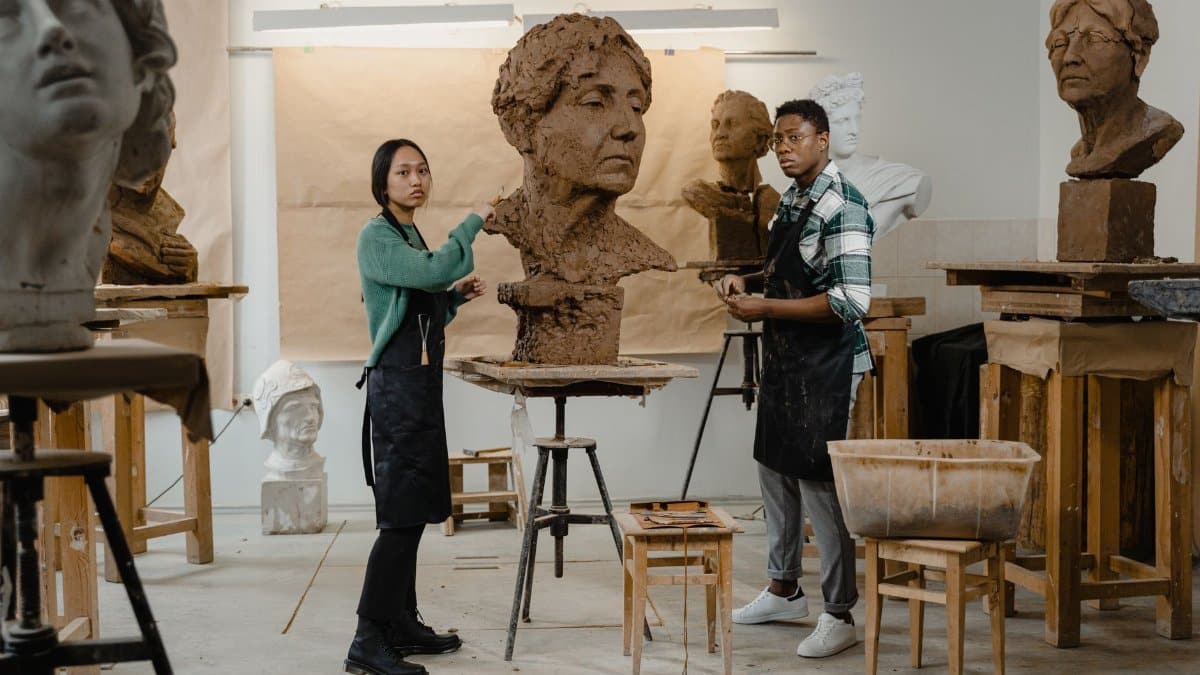
A number like 200 can sound like a poster claim. On the ground it means something plainer: enough performers, makers, and small ensembles that a person walking at an unhurried pace should keep meeting work, not empty pavement between official stops. Some will use voice. Some will use bodies. Some will use objects small enough to pack in a car and strange enough to stop a stranger. The point of scale is density. A single installation can be admired and forgotten. A corridor of them changes how you hold your shoulders.
Organizers of WALKDONTRUN Seattle have framed the day as an occupation of ordinary space rather than a retreat into ticketed rooms. That choice has consequences. Street work is interrupted by buses, sirens, and people who did not come for art and do not owe it their silence. The good pieces will not fight the city. They will use it. A horn becomes a downbeat. A waiting pedestrian becomes, for a minute, an audience. A window becomes a frame whether the building owner intended a gallery or not.
Why the instruction is to walk
Running would turn the afternoon into a dare. Walking turns it into a practice. There is a long tradition, religious and secular, of treating a slow path as a way to arrange the mind. Pilgrims do it. Mourners do it. People who cannot pray in a building sometimes do it along a waterfront because the repetition steadies them. I do not think this event is a church, and it would be a mistake to drape it in language it did not request. Still, the bodily instruction is cousin to those older walks. You place one foot, then the other. You let the next block arrive instead of skipping to a highlight reel.
For readers who come to news of the spirit looking for trends, this is one: public life borrowing the tempo of contemplation without requiring a creed. No one will ask what you believe at the curb. The demand is milder and, for some, harder. Put the phone away often enough that a stranger’s work can finish a sentence.
A free afternoon and who it admits
Price is a moral fact in a downtown that has become expensive to enter even when the attractions are nominally open. A museum ticket, a garage, a sit down meal: each one sorts the crowd. A free walk does not erase those barriers. Transit still costs. Time still costs. People with caregiving duties cannot always give a Saturday to wandering. But removing the door fee changes the first question from whether you can afford the culture to whether you can stand to be among it.
That shift also changes the artists’ contract with the public. In a theater, the audience has already consented. On a sidewalk, consent is provisional. Someone may stop for thirty seconds and leave. Someone may stay for the whole piece because they were waiting for a bus and discovered they cared. The work has to earn the pause. That pressure can make street performance sharper than work protected by a lobby and a program note.
Merchants, noise, and the city that was already there
Any large cultural day downtown is also a negotiation with people who were using the street for something else. Cafes want lingering customers and fear a clogged doorway. Residents want life on the block and not a drum line under a bedroom window at the wrong hour. Delivery drivers want a curb. The honest account of an arts walk includes that friction. A beautiful crowd can still be an obstacle if no one planned for wheelchairs, for rest, for the simple need to cross against a knot of spectators.
The better version of this Saturday treats merchants and residents as part of the route, not as scenery. A performer who understands a doorway is doing civic work as well as aesthetic work. So is an organizer who publishes where the densest clusters will be, so that a person who needs quiet can choose another block. Generosity in public art is not only the gift of the piece. It is the gift of a path around the piece.
Attention as a civic habit

Seattle has no shortage of arguments about safety, emptiness, and the story it tells about its center. Those arguments will not be settled by dancers on a Saturday. What a day like this can do is restore a habit that arguments tend to sand away: looking at a specific corner long enough to see who is actually there. Not a symbol of decline. Not a symbol of revival. A violinist. A teenager filming a friend. A man in a work jacket who stops, frowns, and then smiles because the joke in the performance finally landed.
Spiritual trends in American cities often show up far from pulpits. They show up as people hungry for shared time that is not a feed and not a purchase. WALKDONTRUN Seattle sits in that hunger without having to announce it. The ritual is informal. You walk. You witness. You keep going. If something moves you, you do not have to explain it to a group. You carry it to the next block, which is a kind of privacy inside a crowd.
What to carry and what to leave
Practical sense is part of respect. Downtown in any season can turn wet, windy, or suddenly bright. Comfortable shoes matter more than a clever outfit. Water matters. A plan for where you will sit matters, because a route from Pioneer Square to Belltown is not long by car and is long enough on foot if you stop often. Families should know that street art is unpredictable in volume and subject. That is not a warning against bringing children. It is a reminder that this is not a curated kids’ hour behind a closed door.
Leave the urge to complete the map. You will not see every artist. Completeness is the running impulse in disguise. Choose a stretch. Stay for a full piece instead of sampling ten openings. If you are moved to pay an artist directly, do it without turning the exchange into a performance of your own generosity. Then walk on. The next block does not know what the last one did to you, and that ignorance is a mercy.
After the last block
When the artists pack up, the street returns to its weeknight self. Buses resume their ordinary authority. The windows go back to being windows. It is tempting to measure the day by whether it “saved” downtown, a verb too large for any festival and too small for the people who live and work there all year. A fairer measure is whether a few hundred or a few thousand people practiced a different speed and found the city still capable of surprise.
WALKDONTRUN Seattle will be judged, if it is judged well, on that modest standard. Did the work meet the pavement without contempt for the pavement. Did strangers share a block without being managed into cheer. Did anyone who arrived tired leave slightly less sure that the center of the city is only a problem to be solved. If the answer is yes, the marathon did what a race cannot. It ended where attention begins, which is always the next step, taken slowly, in public, with no prize but the looking.