
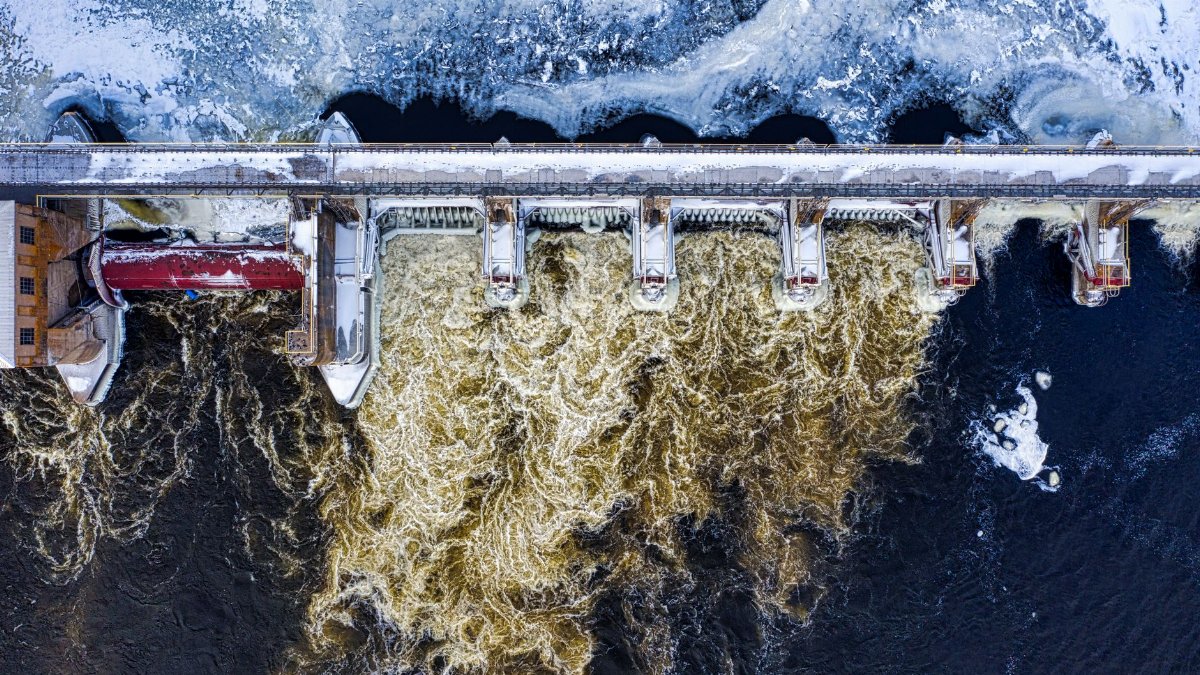
The first cold rain of the season does not look dangerous from a kitchen window. It beads on eucalyptus leaves, darkens the shoulders of rural roads, and sends a thin shine across reservoirs that spent summer looking tired. Yet for engineers who walk the crests of aging barriers, that rain is a clock. State reviews have placed dozens of structures in poor or unsatisfactory condition, and the work gathered under the plain label California dams repair has moved from technical memos into civic worry as another wet winter pattern gathers over the Pacific. Residents downstream do not need a lecture on climate cycles to understand the stakes. They need to know whether the walls holding back their water will hold when the sky opens for days at a time.
A season that arrives with a deadline

Forecasters have spent months describing a Pacific pattern that can shove moisture into California in long, soaking trains. The name El Niño is familiar enough that it sometimes dulls the ear. What matters on the ground is simpler. Saturated hillsides shed water faster. Spillways that sat idle through drought years must suddenly carry volume they have not practiced. Operators who managed scarcity last year may be asked to manage surplus before repairs they requested are finished.
That mismatch is the quiet crisis inside the louder weather story. A dam is not a single wall. It is a system of embankments, gates, outlets, instruments, and people who read those instruments at odd hours. When any piece lags, the whole promise of the structure thins. Winter does not wait for a budget hearing.
What poor condition means in plain language
Regulators sort dams by how well they meet modern expectations, not by how dramatic they look from a boat ramp. Poor or unsatisfactory does not always mean collapse is imminent. It can mean seepage that has not been fully explained, a spillway whose concrete has cracked and spalled, an emergency plan that no longer matches the towns below, or instruments that no longer tell a clear story about pressure inside an embankment.
Those distinctions matter, and they are also easy to hide behind. A structure can be legally standing and still be a poor neighbor to the people who live in its shadow. The public hears a grade and imagines a report card. Engineers hear a list of deficiencies that each require time, access, and money. Between those two readings sits a political problem: how urgently to treat a risk that is serious without being theatrical.
Fifty seven names and a long silence on penalties

California has identified 57 dams in poor or unsatisfactory condition. That figure is large enough to startle and specific enough to demand a follow up question. Who owns them, and what happens if the owner does not act? On the second point the record is strikingly thin. Regulators have never penalized an owner for the deficiencies. The absence of a penalty is not the same as the absence of concern. It does reveal a system that prefers negotiation, schedules, and technical letters over consequences that would be visible to the public.
Owners range from local districts and cities to larger agencies and private parties. Some are capable and merely slow. Others are small operations with limited staff, inherited structures, and ratepayers who already feel squeezed. A uniform scolding misses that variety. A uniform absence of enforcement misses it too. When every case is handled as a conversation, the public cannot tell diligence from delay.
The geography of who lives below
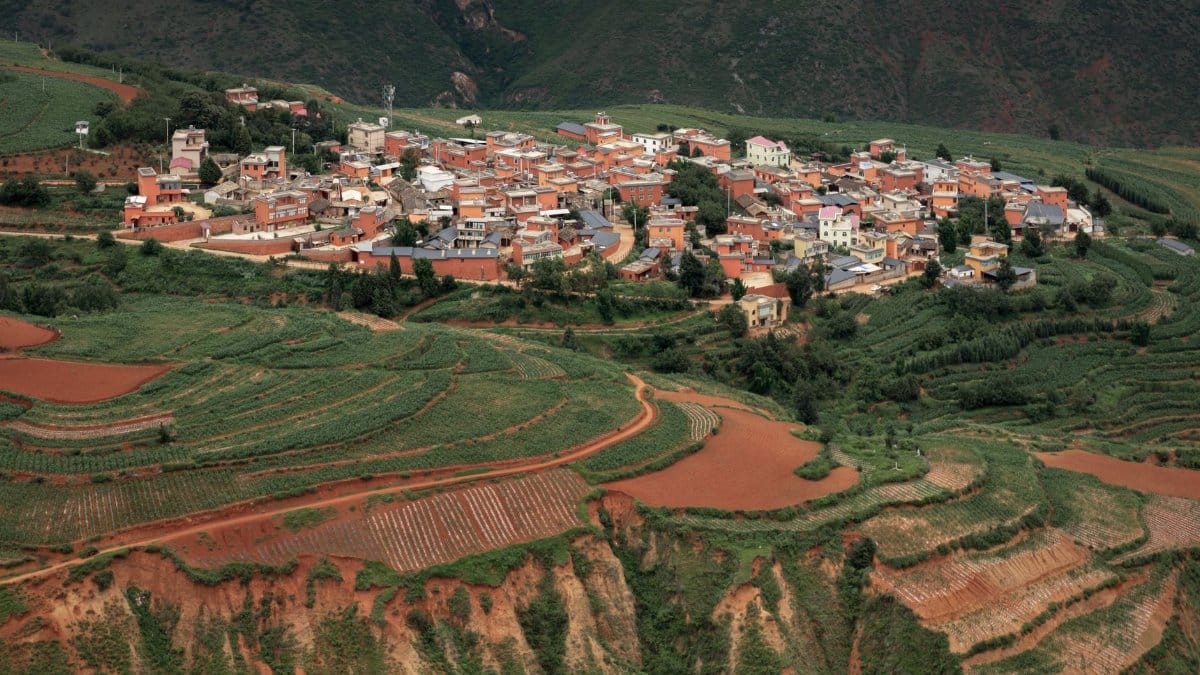
Risk is not distributed evenly across a map of blue reservoirs. It concentrates where older dams sit above growing towns, where evacuation routes share the same valleys as creeks, and where people who moved in during dry decades have never seen the structure tested at full throat. Agricultural districts may depend on the same water that threatens a subdivision if a gate fails. That dual identity, lifeline and hazard, is why dam debates in this state never stay technical for long.
Language fails here if it stays abstract. A deficiency on paper is a neighborhood that would have minutes, not hours, if something went badly wrong. It is a school that might need a plan more current than the one filed years ago. It is a highway that doubles as an escape route and a bottleneck. Repair is an engineering task. Warning, shelter, and honest mapping are civic tasks that should not wait for the concrete to be poured.
Why the repairs keep slipping

California dams repair is expensive in the unglamorous way that does not photograph well. Much of the cost sits in investigation before a shovel moves: drilling, modeling, emptying a reservoir enough to see what the water usually hides, and designing a fix that will satisfy reviewers who remember past failures. Environmental review, water supply contracts, and the simple fact of a short construction season in the mountains all stretch calendars.
Money is the other stretch. A local district cannot conjure tens of millions from a rate increase without a fight. State and federal programs exist, yet they arrive with applications, matches, and queues. Meanwhile a deficiency letter ages on a shelf. None of this is an excuse. It is an explanation of how a known problem becomes a recurring headline instead of a completed project. The political reward for finishing invisible safety work is smaller than the reward for announcing a new supply project. That imbalance should embarrass anyone who claims to govern for the long term.
Memory of a spillway that failed in public
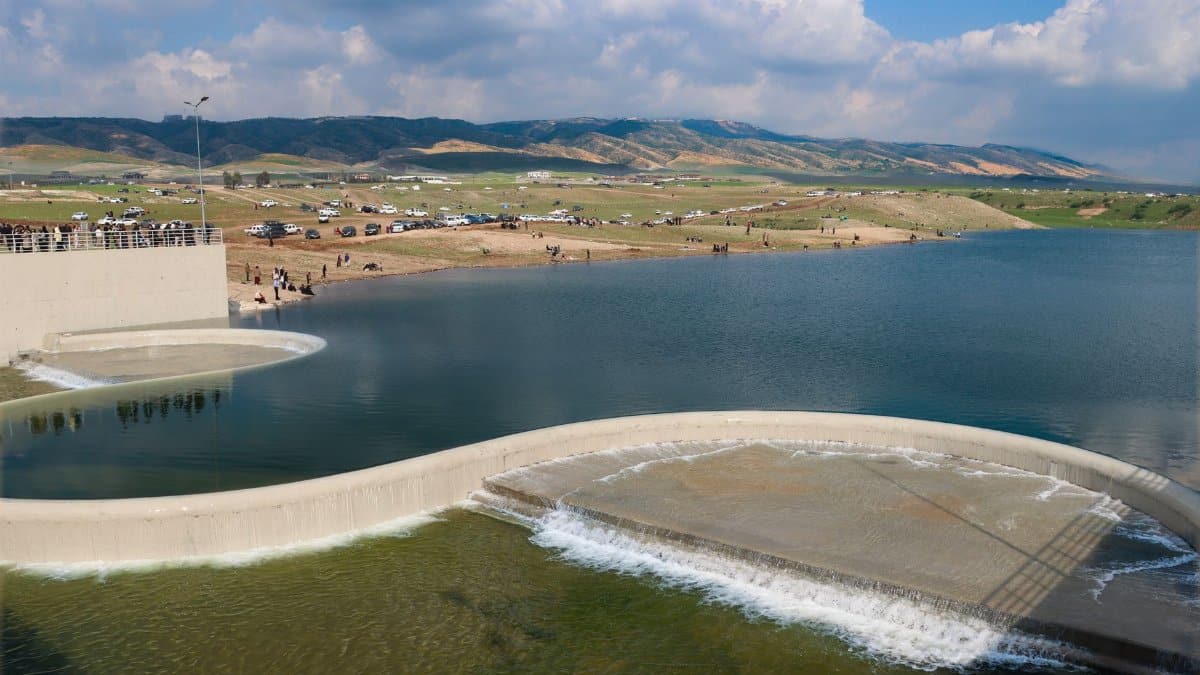
Californians do not have to imagine what a damaged water structure looks like on television. The Oroville crisis showed a state how quickly a spillway problem can empty downstream communities into gyms and parking lots, and how little comfort a vast reservoir offers once the path for excess water starts to tear itself apart. The lesson was not that every aging dam is Oroville. The lesson was that deferred maintenance on a piece the public rarely sees can dominate the news for weeks and reorder trust for years.
Since then, agencies have inspected more carefully and spoken more candidly about inventories of concern. Candor is progress. It is not the same as steel, concrete, and a signed construction schedule. A public that remembers helicopters over a failing chute will not be soothed by a promise that the next letter is in draft.
How a repair actually proceeds
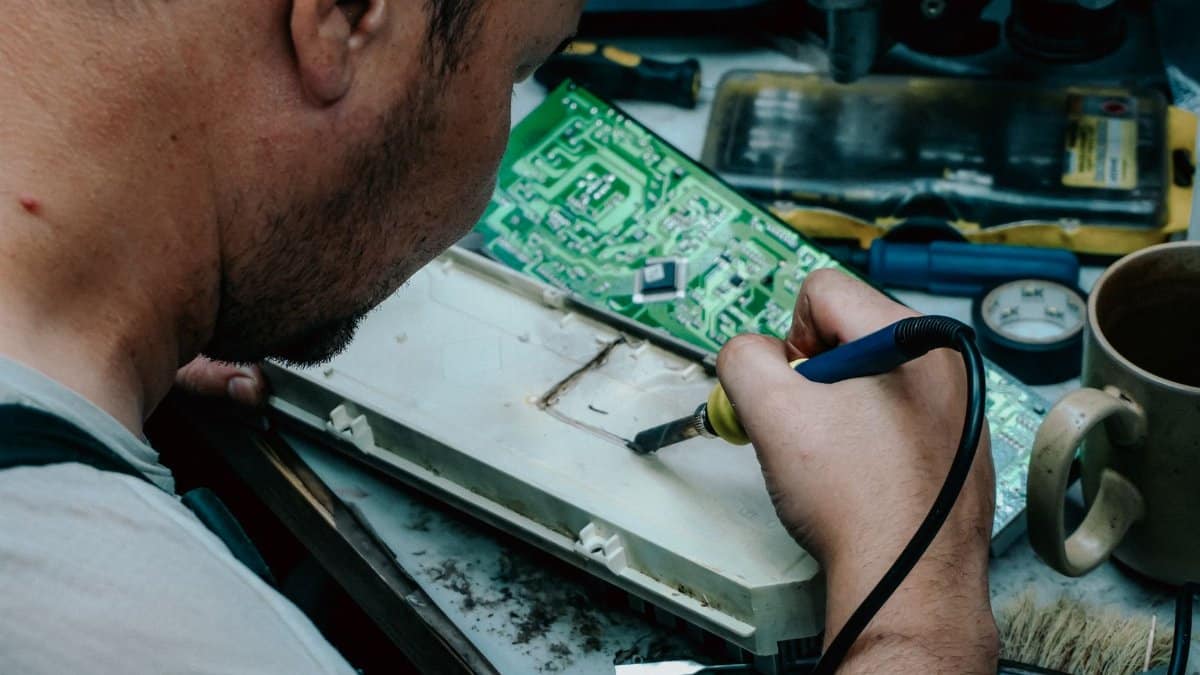
On a working site the romance drops away. Crews lower the pool if they can. They cut out broken concrete, grout voids, replace gates that no longer seal, and install instruments that send readings a person can trust at 2 a.m. Sometimes the fix is an enlarged spillway. Sometimes it is a filtered drain that keeps an embankment from softening in ways a visitor would never notice. Sometimes the honest answer is that the dam should be lowered or removed because the water it stores is no longer worth the risk it poses.
Removal is the option few campaign speeches mention, yet it belongs in the same conversation as reinforcement. Not every structure from an earlier century still earns its place. Where sediment has stolen storage and downstream habitat has paid the price, repair can mean retirement. Pretending every dam must be saved at any cost is its own kind of negligence.
Regulators with letters but little leverage

A safety program that can classify a dam and cannot penalize an owner for letting that classification linger is a program with a soft edge. Officials will say, with some justice, that cooperation gets more work done than a fine that a small district cannot pay. They will also say that shutting a reservoir can harm farms and cities that depend on it. Both points can be true and still leave a hole. Without a credible consequence, schedules become suggestions. Suggestions do not hold water.
Stronger leverage need not mean theatrical shutdowns. It can mean public timelines with dates that mean something, restrictions on filling until defined fixes are done, and penalties scaled to an owner’s capacity so that delay has a price. Transparency belongs in that toolkit. If 57 structures warrant concern, residents should be able to see, in ordinary language, what is wrong, who is responsible, and when the work is supposed to end. California dams repair cannot remain a phrase buried in a database.
Communities learning to ask better questions

People who live below these structures are not helpless, though they are often underinformed. A useful public meeting does not begin with a slide of peak inflow. It begins with three questions. What is the deficiency. What happens to the town if the deficiency is tested by a week of heavy rain before the fix. Who pays, and by what season will the dangerous part be closed.
Local newsrooms, water boards, and county emergency managers can carry those questions without turning every reservoir into a monster. Preparedness is not panic. It is knowing the route, the warning channel, and the agency phone number before the creek rises. Spiritual traditions in this state have long treated water as gift and judgment at once. That older language is not a substitute for engineering. It is a reminder that care for neighbors is part of the obligation, not an afterthought once the contract is signed.
The winter that will not negotiate

Weather does not read enforcement letters. If the coming months bring the kind of sustained rain that fills draws and tests outlets, some of the 57 will pass without incident because operators are careful and luck holds. Others may reveal, in seepage or in a gate that sticks, why the grade was poor to begin with. Either outcome should change the politics. A quiet winter is not proof that delay was wise. It is borrowed time.
The work ahead is specific. Finish the investigations that have drifted. Fund the fixes that engineers have already described. Give regulators a penalty they are willing to use. Tell downstream towns the truth in words that do not require a glossary. California dams repair is not a seasonal slogan. It is the difference between a reservoir that serves a valley and a reservoir that threatens it. The sky is already organizing its argument. The state still has a chance to answer with more than another unmet schedule.