

In the quiet hours after a congressional schedule ends, a phone is more than a device. It holds calendars, family messages, donor notes, and the private map of a public life. That is why a report that federal authorities have taken Rep. Ilhan Omar’s phone, and have sent subpoenas to relatives, landed with unusual force in Washington and in Minnesota. The Ilhan Omar probe, described by a person familiar with the matter to the Associated Press and carried by the Star Tribune, is said to concern possible fraud in immigration paperwork. No charges have been announced in the accounts available to the public. Still, the image of a sitting member of Congress separated from her phone is enough to reset the conversation from rumor to process, and to remind readers that investigation is not the same thing as guilt.
What investigators are said to be examining
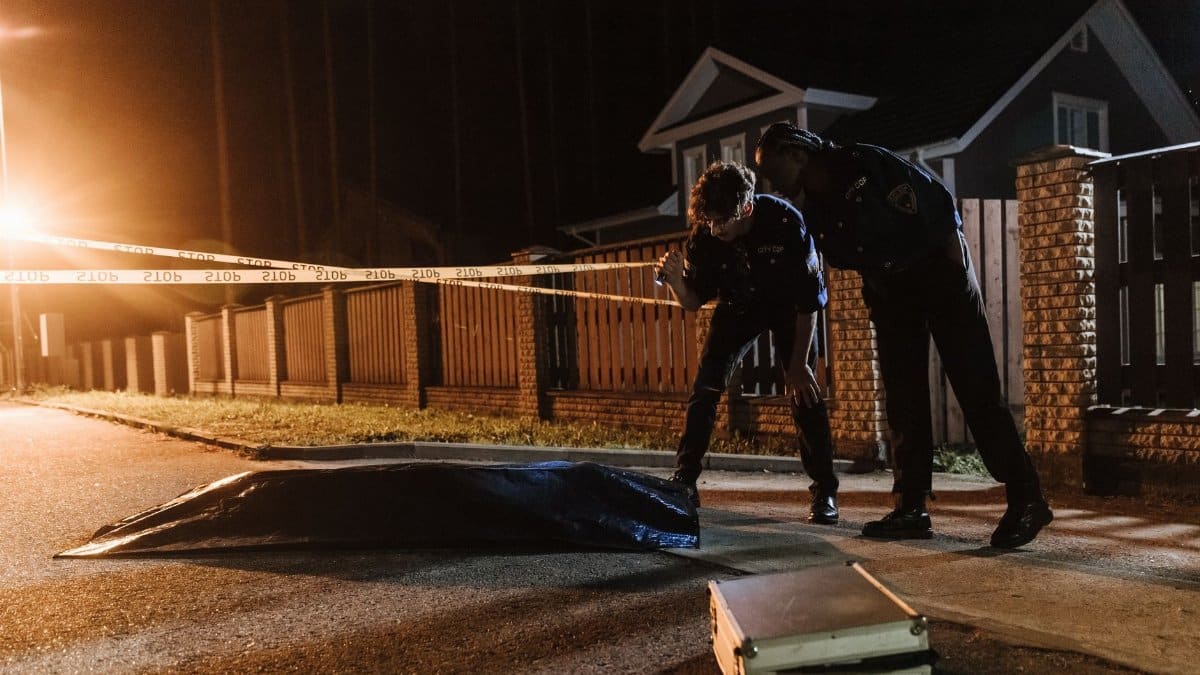
According to that reporting, the inquiry is a grand jury investigation into possible immigration paperwork fraud. The public record, as described by the Star Tribune account of an Associated Press source, does not include an indictment, a charging document, or a detailed affidavit. Readers should hold that distinction firmly. A grand jury can gather records and hear witnesses long before prosecutors decide whether any case belongs in open court.
Immigration files are dense. They can include marriage records, travel histories, sponsorship forms, and sworn statements made years earlier under pressure and with imperfect English. Fraud, if it is ever alleged in a formal charge, is a specific claim about knowing falsehood, not a synonym for a complicated family story. Until prosecutors speak, or a court filing appears, the safest description is the one the reporting already uses: a criminal inquiry focused on paperwork, not a verdict.
The original account is here: Star Tribune, reporting an Associated Press source. Anything beyond that sentence should be treated as context, not as new evidence.
A phone in federal hands
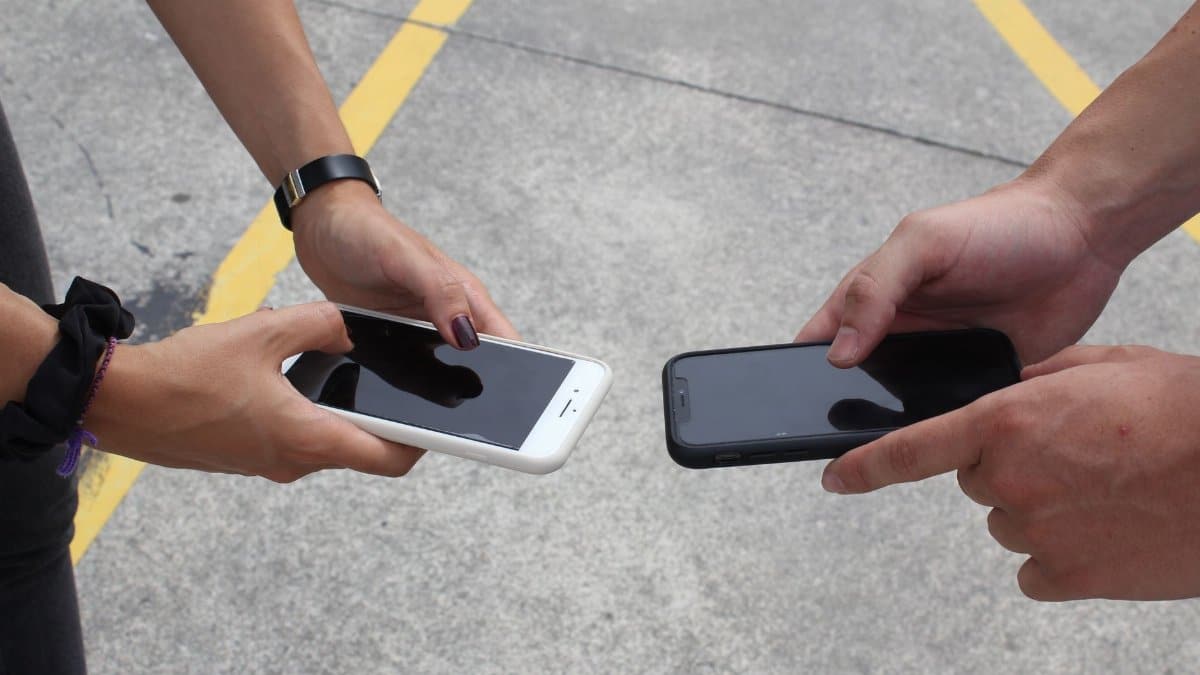
Seizing a phone is a blunt act. For most people it is also a frightening one. A modern handset is a diary, a bank, a camera, and a rolodex. When the owner is a member of Congress, it may also contain constituent pleas, staff scheduling, and messages that brush against official business. That mix is why lawyers, civil liberties groups, and congressional offices pay close attention whenever investigators take a lawmaker’s device.
The reporting does not describe a search warrant’s wording, the judge who approved it, or the protocol used to copy data. Those omissions matter. A lawful seizure rests on probable cause and on limits a court sets. It is not a license to wander through every private conversation. Defense lawyers, if a case ever forms, often fight over what agents were allowed to open and what must stay sealed. In the Ilhan Omar probe, the phone is the fact that makes the story tangible. It is not, by itself, an explanation of what agents hope to find.
There is also a practical disruption. A representative who loses a phone loses the tool constituents use to reach her. Offices can route calls through staff, but the symbolism is hard to miss. The government has inserted itself into the daily machinery of representation. That can be justified when evidence demands it. It should never be casual.
Relatives and the reach of a subpoena

Subpoenas to relatives widen the circle in a way that pure document demands do not. Family members are not public officials. They did not run for office. They may have old letters, shared addresses, or memories of forms signed long ago. A subpoena compels appearance or production of records. It does not announce that the recipient did anything wrong.
Still, the human cost is real. People who have never spoken to a reporter can find their names implied in headlines. Immigrant families, in particular, often carry a reasonable fear of any contact with federal authority, even when they have done nothing unlawful. Grand jury secrecy is supposed to limit gossip. In practice, a leak to a national wire service means secrecy has already thinned.
Journalists should name that tension without turning relatives into characters in a drama. The public interest is in whether the government is using lawful tools to test a serious allegation. The private interest is in not punishing a household for proximity to a famous name. Both can be true at once.
Immigration paperwork and the burden of proof
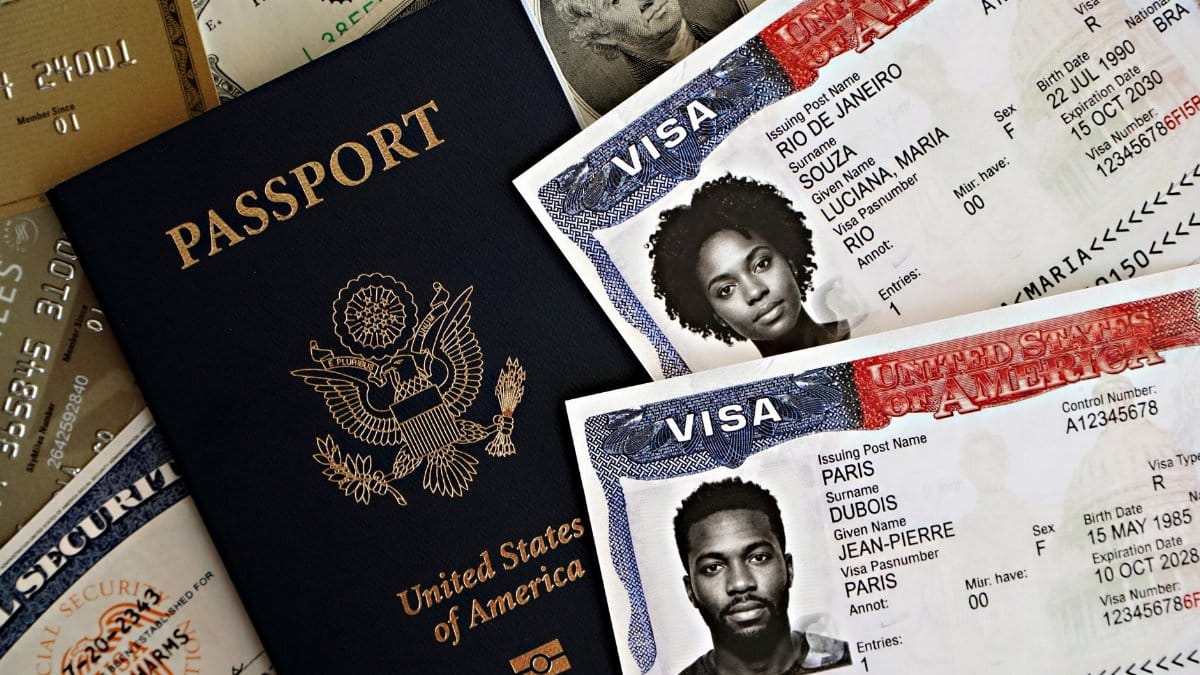
Americans argue about immigration in moral language, then discover that the actual disputes live in forms. A date of entry, a marital status, a sponsor’s income, a signature on a petition: these are the hinges on which status can turn. Errors happen. So does deceit. Courts have spent decades separating the two, because the penalty for fraud can include prison, loss of status, and collateral damage to relatives who relied on a filing in good faith.
A member of Congress is not above those rules. Nor does political unpopularity lower the standard of proof. If prosecutors believe a statement was knowingly false, they must be prepared to show intent, not merely inconsistency. Old interviews, campaign biographies, and family lore are weak substitutes for documents and testimony. Voters may judge character on a looser standard. A criminal court may not.
That gap explains why this story feels unfinished. Political media moves at the speed of outrage. Grand juries move at the speed of records, translators, and reluctant witnesses. Confusing the two produces headlines that age badly.
Years of scrutiny and a public record
Omar has been a nationally known figure since her election to the House, and she has long drawn fierce criticism from opponents who question her statements about her personal history, her finances, and her politics. Some of that criticism has been tested in public reporting. Some of it has circulated as innuendo. A criminal inquiry, if the latest account holds, is different in kind from a campaign attack. It carries the power of subpoena and the possibility of charges. It also carries the obligation to be precise.
Readers who have followed her career will bring their own conclusions into the room. That is human. It is also a bias. The fair question is not whether one likes her speeches or her votes. The fair question is whether federal investigators have a lawful basis to examine immigration filings, and whether they are applying that basis evenly. Selective silence about similar questions aimed at political allies would be its own kind of corruption. So would a probe engineered for a news cycle.
Neither motive can be proved from a single unnamed source. Both should stay on the table until more is known.
What a grand jury can and cannot do

A federal grand jury sits in secret. Prosecutors present evidence. Jurors can compel testimony and documents. They can return an indictment, or they can decline. Witnesses may invoke the right not to testify against themselves. Lawyers for targets often have little window into the room. The public has even less.
That structure protects reputations when a matter goes nowhere. It also conceals mistakes. History is full of investigations that ended without charges and still scarred the people inside them. History is also full of cases in which early secrecy looked like favoritism until an indictment made the facts plain. Patience is not naivete. It is the price of a system that refuses to try people in the press.
Members of Congress have no general immunity from criminal process. The Speech or Debate Clause shields legislative acts, not personal paperwork from years before an election. If this inquiry touches official work, courts may have to draw lines. If it stays with personal immigration filings, those lines may never arise. The reporting so far points toward the personal, not the legislative. That reading could change with the next filing.
How newsrooms should handle an unnamed source

The Star Tribune story rests on a person familiar with the matter, speaking through the Associated Press. That is a common and sometimes necessary method. It is not the same as a document. Editors who trust a wire source are making a judgment about track record, corroboration, and the risk of being used. Readers deserve to see that judgment described in plain words.
A phone seizure and family subpoenas are checkable events. Court clerks, defense counsel, and the target’s office can confirm or deny pieces of them. When they do not, silence is not proof. Omar’s office, like any office under inquiry, may say little while lawyers sort the facts. Prosecutors may say nothing at all. The vacuum fills with partisans who already know what they want the ending to be.
In the Ilhan Omar probe, the responsible sentence is still a conditional one. Authorities are reported to have taken these steps. Charges have not been announced. The allegation under examination, as described, is possible paperwork fraud. Each clause does different work. Dropping any of them turns reporting into a weapon.
Constituents, faith, and the demand for fairness
Minnesota congregations, mosques, and church basements have argued about Omar for years, often in the language of justice, hospitality, and truth telling. That argument belongs in a story like this because her district is not an abstraction. People who fled war, people who sponsor relatives, and people who distrust every federal form hear a phone seizure as something that could happen closer to home. Others hear it as a long delayed reckoning. Both reactions are moral claims. Neither is evidence.
Faith communities are good at holding two duties that politics likes to split apart. One duty is to tell the truth even when it embarrasses a champion. The other is to refuse collective punishment, rumor, and the thrill of a fallen enemy. A grand jury does not ask a congregation for a vote. A congregation can still ask its members to wait for documents before they pronounce sentence at the dinner table.
That is not softness. It is the same standard a reader would want if the name on the subpoena belonged to a politician they admire. Fairness that changes with the party label is not fairness. It is team sport.
The politics that will try to outrun the facts
Opponents will treat the report as confirmation of every prior suspicion. Allies will treat it as persecution. Cable segments will flatten a legal process into a morality play before the first witness is fully on the record. That pattern is predictable enough to be dull, and dangerous enough to watch anyway. A criminal inquiry involving a prominent Democrat will be used to question the legitimacy of her office, her voters, and, in uglier corners, her faith and her birthplace. Those leaps are not analysis. They are prejudice looking for a headline.
Congress has its own tools, including ethics reviews, that are separate from a grand jury. Mixing them on purpose confuses the public. An ethics letter is not a warrant. A warrant is not an expulsion. Expulsion is not a criminal sentence. Keeping the ladders separate is one of the few habits that still protects the institution.
Donors, primary challengers, and outside groups will also move. Money follows heat. A representative under reported investigation must decide how much to say, how to keep a district office functioning, and how to avoid statements that complicate a legal defense. Those are practical choices, not theatrical ones. Staff will feel them first.
What comes next, and what should not

The next reliable facts will not arrive as a social media thread. They will arrive, if they arrive, as a confirmation from Omar’s lawyers, a court record, a prosecutor’s statement, or a decision to close the matter without charges. Until then, the public has a reported seizure, reported subpoenas, and a described focus on immigration paperwork. That is enough to justify close coverage. It is not enough to justify certainty.
Readers can do a few useful things without pretending to be jurors. They can read the underlying account rather than a paraphrase of a paraphrase. They can notice when a commentator adds details the source never offered. They can ask whether similar tools have been used against officials of the other party, and they can ask that question without excusing anyone. They can also remember that relatives under subpoena are entitled to counsel and to silence.
The Ilhan Omar probe will be cited for months as shorthand, the way Washington turns a complicated inquiry into two or three words. Shorthand is not understanding. If charges come, the country will have documents to argue over, and those documents should be read in full. If charges never come, the country will still have to live with the fact that a lawmaker’s phone was taken and her family was pulled into a secret room. Either ending deserves a press that can describe power without worshiping it, and a public that can wait for proof without losing its nerve.