
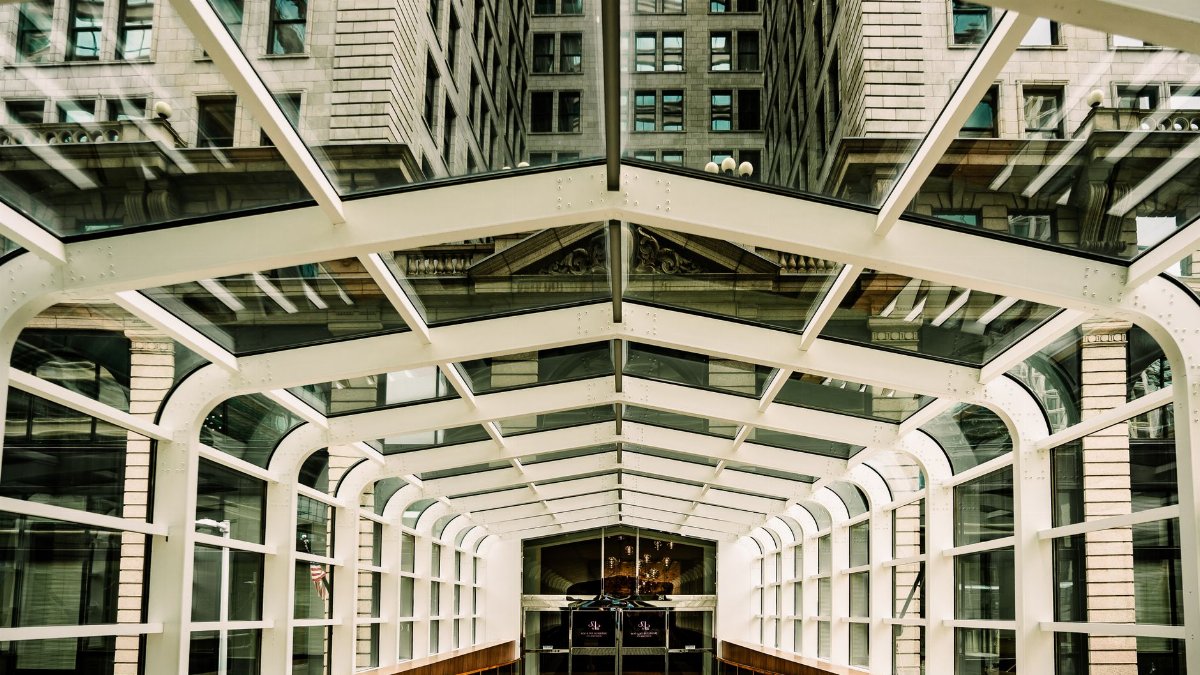
On a January afternoon, the glass corridors above downtown still carry a thin stream of office workers, students, and people pushing strollers between lunch counters and parking ramps. Below them, the sidewalks look quieter, and the storefronts that once depended on passing trade face a harder argument. As city leaders talk about a comeback built on housing, events, and street life, the enclosed network known as the St. Paul skyways has become a test of what revival should look like. Some residents treat the bridges as a civic inheritance. Others see them as a barrier that keeps people off the pavement and away from the shops the city hopes to revive.
A winter city learned to live above the street
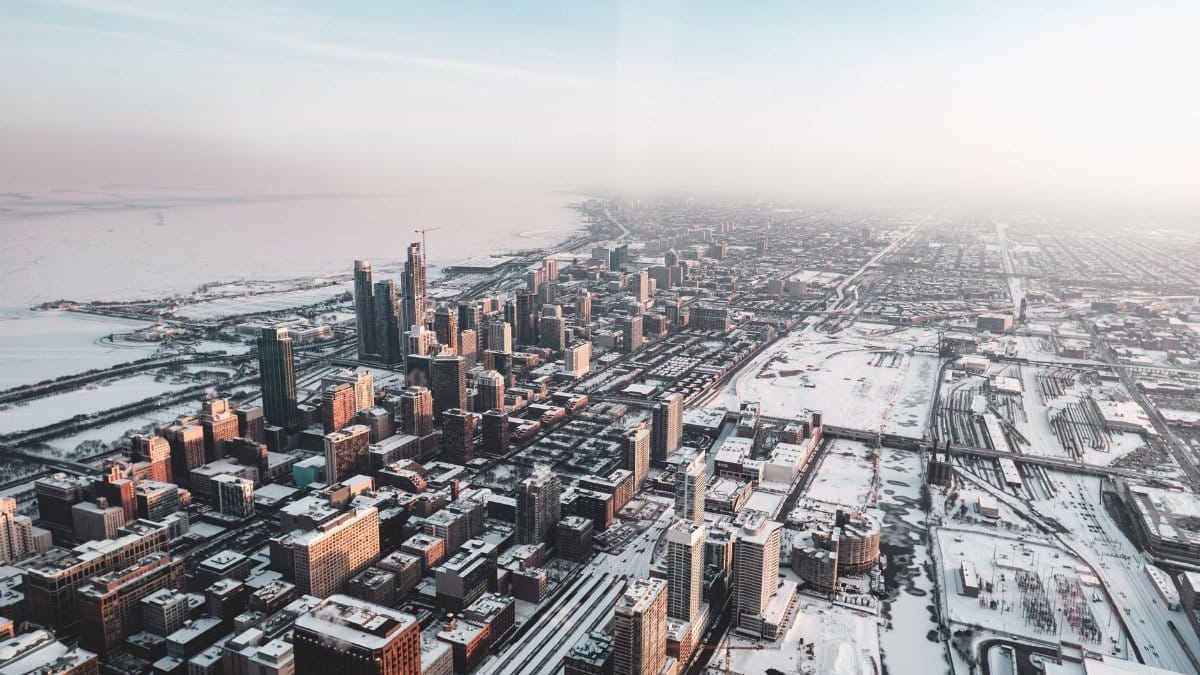
The skyway idea took hold in the later decades of the twentieth century, when downtown employers wanted a reliable way for workers to move between offices, courts, department stores, and parking without fighting ice. The promise was simple. Climate control would keep commerce moving through the long season when sidewalks turned treacherous. Over time the bridges stitched hotels, government buildings, and retail into a second map of the city, one that many people came to know better than the blocks underneath.
That second map still shapes habit. A person can cross much of the core without putting on a coat. For parents with small children, for older residents, and for anyone who has slipped on a downtown curb, the convenience is not theoretical. It is the difference between making an errand and staying home.
What the bridges actually connect
The system is not one building and not one owner. Private towers, public facilities, and older retail blocks meet at locked or open doors, with hours that do not always match. A corridor can feel busy at noon and abandoned by early evening. Wayfinding is better in some stretches than in others. Newcomers still get lost between a ramp and a food court, then emerge on a sidewalk they did not mean to find.
Those frictions matter more now that fewer people come downtown five days a week. A network designed for a dense office population has to justify itself to residents, students, weekend visitors, and the smaller weekday crowd that remains. Empty glass does not persuade anyone that a district is healthy.
The case for bringing people back to the sidewalk
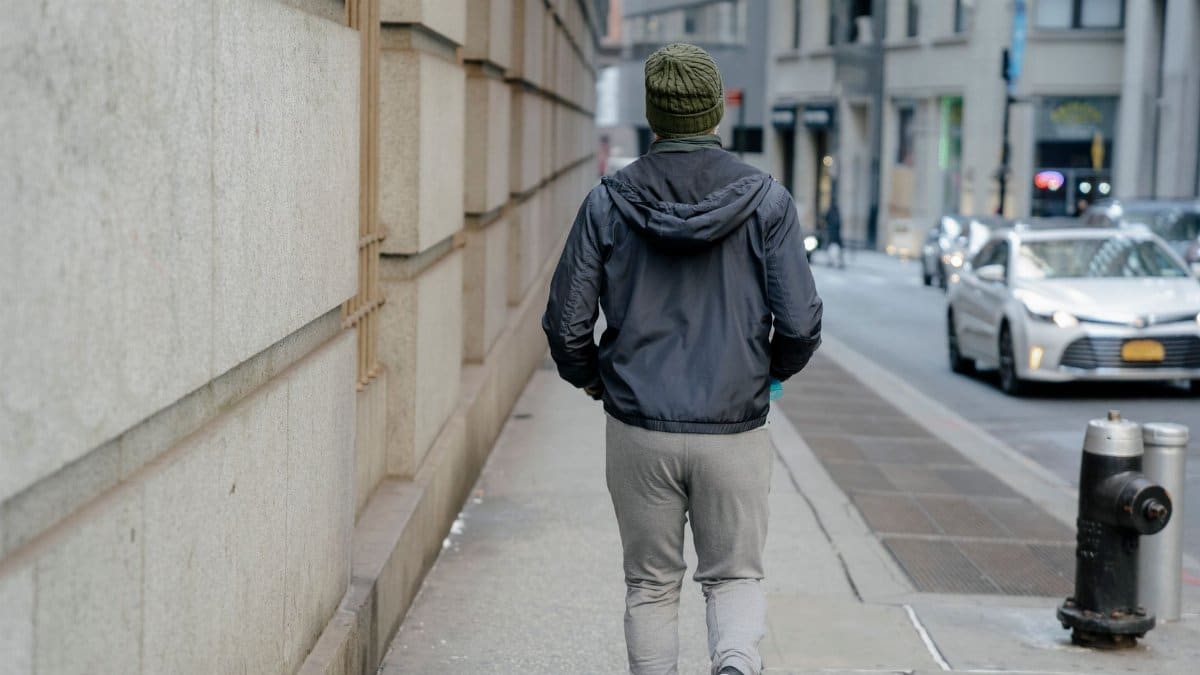
Street advocates argue that enclosed bridges siphon the very energy a recovering downtown needs. Restaurants want eyes on the door. New housing wants a walk to a cafe that feels public, not like a shortcut through someone else’s lobby. Planners who favor ground level retail say a cold city can still build a lively street if transit, lighting, and storefronts are treated as the main stage rather than a backup.
Their point is not that winter should be ignored. It is that a comeback measured only in leased upper floors will fail if the blocks themselves stay quiet. Festivals, farmers markets, and new apartments all depend on a public realm people are willing to enter from the curb.
Residents who refuse to surrender the network

A counter campaign has grown among people who use the bridges as daily infrastructure rather than as a relic. They describe the links as accessibility, not luxury. Wheelchairs, walkers, and tired knees do not negotiate icy corners with the ease that renderings suggest. For them, tearing out connections in the name of street life would trade one kind of emptiness for another.
I walked a loop on a raw afternoon and understood both tempers. The upper path was warm and a little lonely. The sidewalk had more weather and, on two blocks, more actual shops with lights on. Neither level felt like a finished city. Both felt like arguments waiting for a decision.
Merchants living between two customers
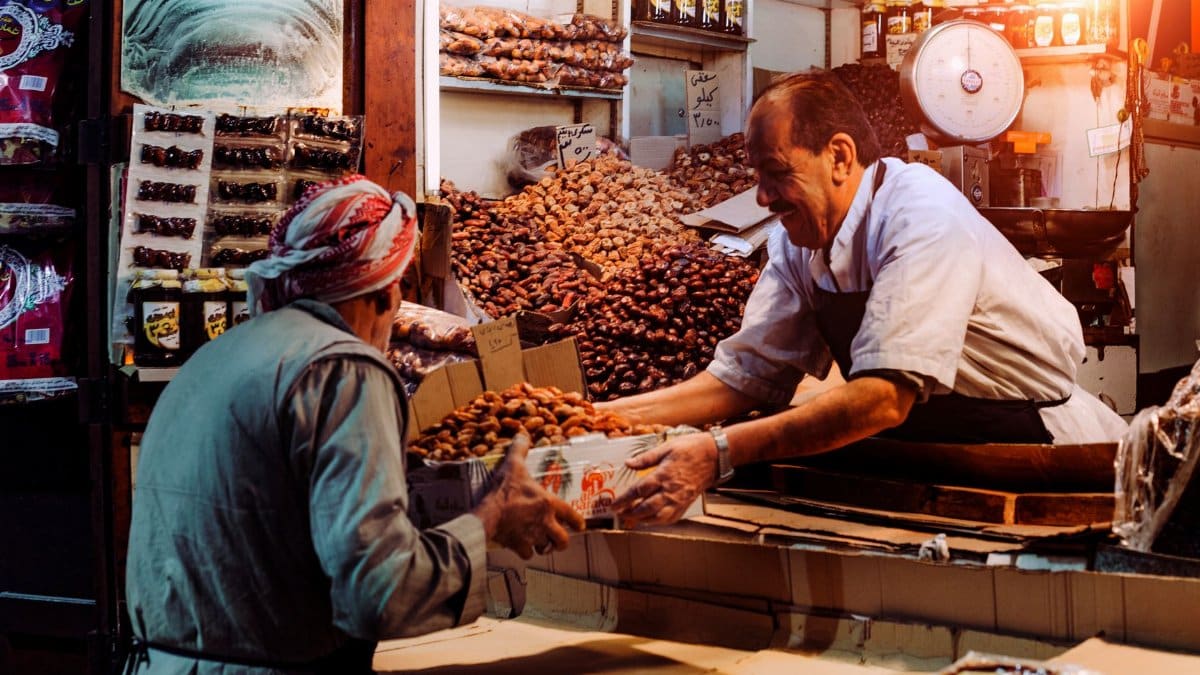
Business owners sit in the middle of the fight. A cafe with a skyway door and a street door is really running two storefronts with one kitchen. If the bridge hours shrink, the lunch rush thins. If the bridge stays primary, the sidewalk entrance can look forgotten, which discourages the evening and weekend trade that housing is supposed to bring.
Some merchants want clearer rules: predictable hours, shared cleaning, and signs that treat both levels as part of one district. Others would rather see public money spent on facades, lighting, and transit stops than on glass that mainly serves weekday offices. The St. Paul skyways debate, in their telling, is less about nostalgia than about which customer the city is willing to design for.
Safety, emptiness, and the mood of a corridor
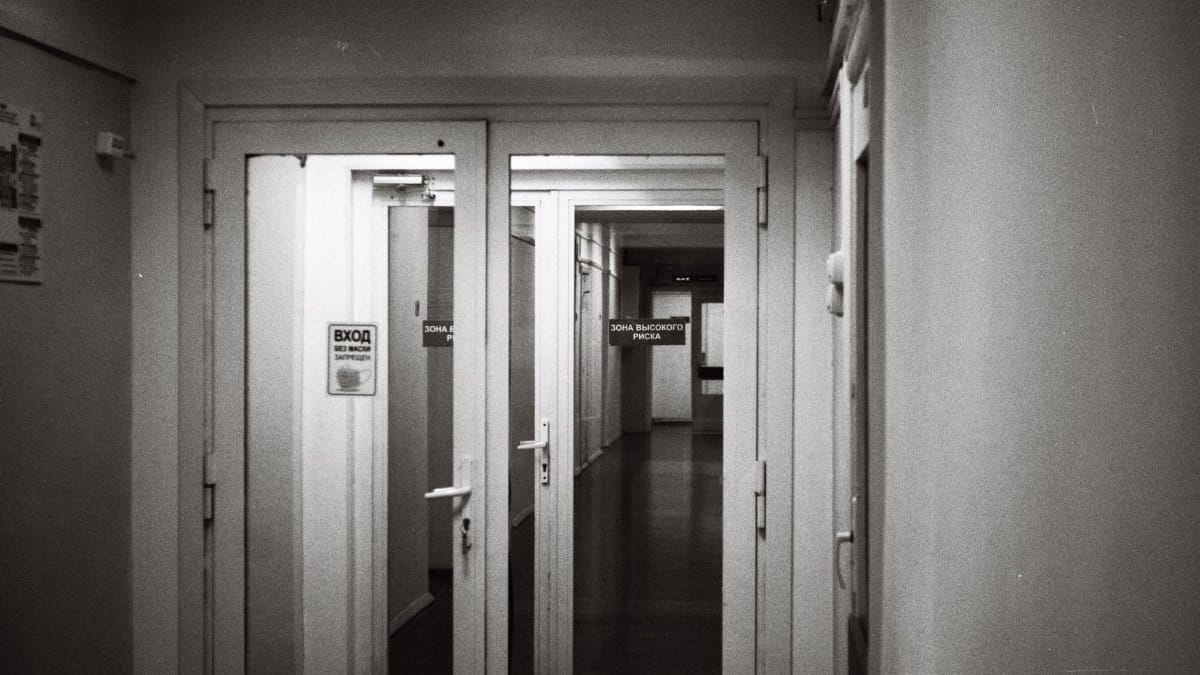
Perception does as much work as crime statistics in a place like this. A long indoor hall with few shops can feel exposed even when it is technically monitored. A dark sidewalk can feel worse. Residents who rally to save the bridges often pair that plea with a demand for staffing, lighting, and eyes on the route after the office day ends. Preservation without presence is not a plan.
Downtown recovery elsewhere has shown that people return where they feel expected. Art, music, and ordinary retail do more for a corridor than slogans about activation. The same is true at grade. A lively block makes the next block easier to believe in.
What redevelopment is really asking
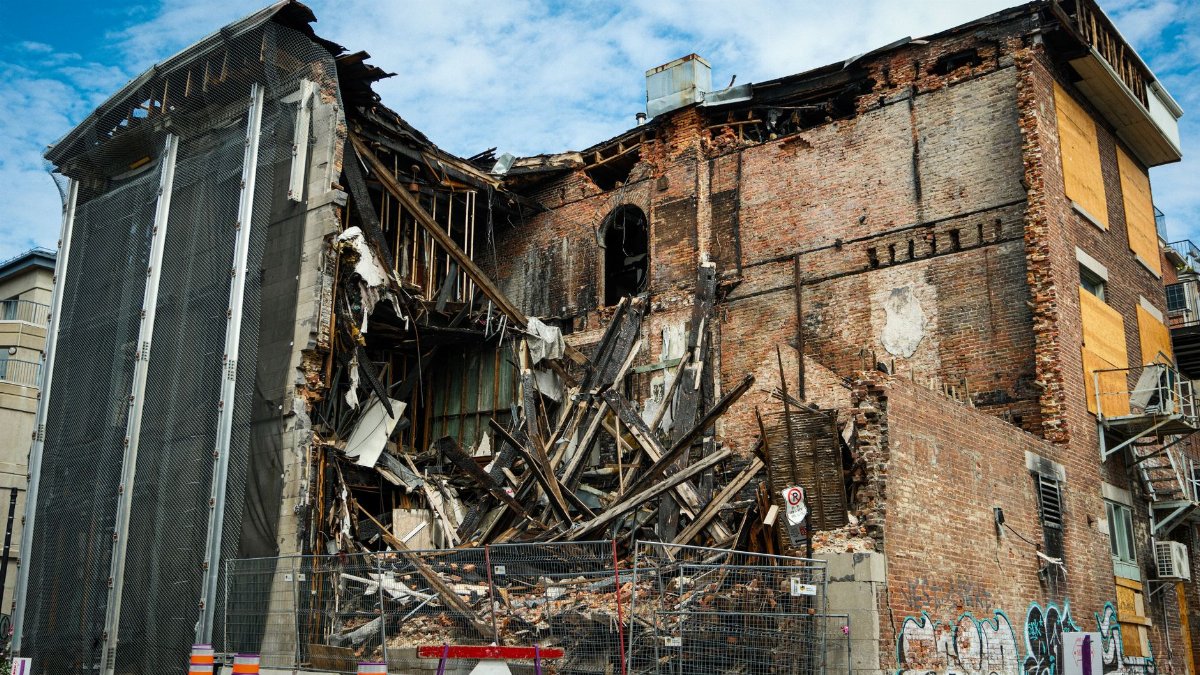
Housing conversions, hotel updates, and event programming have given downtown a more hopeful set of headlines than it had a few years ago. None of that automatically answers the circulation question. New residents need groceries, clinics, and places to walk a dog. Office workers who come in three days a week need a reason to stay past four. Visitors need a path from a train or a ramp to a destination that does not feel like a back entrance.
If redevelopment succeeds, it will be because daily life fills the gaps between projects. Bridges can be part of that life, or they can postpone it. City leaders weighing demolition, repair, or selective closure are really choosing which trips count as public.
The public bill for private comfort

Maintenance is the unromantic core of the argument. Seals fail. Glass clouds. Mechanical systems age. When a link sits partly in a private building and partly in a public right of way, the invoice becomes a political document. Taxpayers ask why they should heat a shortcut to a garage. Building owners ask why they should staff a door for a public that no longer fills their towers.
A serious debate would publish the costs in plain language: what it takes to keep each major link open, who pays, and what a closure would do to the people who rely on it. Without that accounting, both camps argue from feeling, and feeling is not a budget.
Cold cities have tried more than one answer

Other northern downtowns have mixed approaches rather than a single doctrine. Some kept short indoor links where hills, highways, or medical campuses made them essential. Some pushed retail back to the street and accepted that deep winter would be slower. The useful lesson is not imitation. It is honesty about climate, ownership, and who the district is for after the office era thinned out.
St. Paul is not required to copy a peer or to treat every bridge as sacred. It is required to notice that a network built for one economy now serves a different one, including people who never had a downtown badge.
A civic faith that is not quite religious

There is a quieter register to this fight, closer to shared habit than to theology. Public works become a kind of common trust. People believe a city will keep the path open, the light on, the door unlocked at the hour it promised. When that trust frays, residents do not only lose a route. They lose the sense that downtown is arranged for them.
That is why petitions and town halls around the bridges carry more emotion than a facilities debate usually does. The St. Paul skyways stand in for a promise about winter, access, and whether ordinary errands still belong in the center of the city.
Selective survival may be the only grown answer

A binary choice, save all or erase all, flatters neither side. Some links clearly serve hospitals, transit, courts, and housing. Some stretches mainly duplicate a sidewalk and drain it of customers. A map that distinguishes those cases would be more useful than a slogan. So would a calendar: hours that match how people actually live, not how a 1980 office tower once staffed its lobby.
Selective survival is politically harder than a clean gesture. It requires owners to cooperate, the city to spend where the public purpose is real, and merchants to stop being split between two half audiences. It also requires residents to accept that love for a system is not the same as a duty to preserve every pane.
What a comeback would have to prove

Downtown St. Paul can add apartments and still feel provisional if the walk between them is an afterthought. It can keep a famous indoor network and still feel stalled if that network is a warm detour around empty stores. The hoped for comeback will be judged on ordinary afternoons, not on renderings: whether a person can buy a meal, reach a clinic, and feel welcome without guessing which level is the real city.
Leaders who treat the St. Paul skyways as either a villain or a relic will miss the narrower truth. They are tools. Tools can be repaired, shortened, or retired. What cannot be retired is the need for a winter downtown that people can enter, at street and above it, without feeling they have wandered into the wrong decade.