
On a humid morning in Wynwood, the murals still face the same loading docks, and the coffee lines still curl past painted brick. What has changed is the owner on the deed. The Mana Wynwood sale Griffin transaction, a $1.1 billion transfer of much of Moishe Mana’s holdings to Ken Griffin, resets who will decide what those blocks become. For a neighborhood built on warehouses, street art, and weekend crowds, ownership is not a technicality. It is the quiet force behind rents, construction cranes, and which doors stay open after dark.
A warehouse district that learned to charge admission
Wynwood did not arrive fully formed as a destination. It was industrial land, then a place artists could afford, then a postcard. Galleries gave way to restaurants. Restaurants gave way to lines. The walls that once announced a scrappy scene became a backdrop for visitors who fly in for a weekend and leave with photos. That arc is familiar in American cities. What is less familiar is how completely one investor assembled the puzzle pieces, then sold most of them in a single stroke.
Moishe Mana spent years buying low buildings, vacant lots, and the kind of property other buyers treated as leftover. He talked about a district, not a single tower. The bet was that Miami’s cultural map could be redrawn north of downtown if someone held enough land to shape the streets between the murals. The sale does not erase that bet. It cashes in a large part of it and hands the next chapter to a buyer with a different kind of ambition.
What the billion actually bought

Public reporting framed the deal as a bulk sale of Mana’s Wynwood portfolio, priced at $1.1 billion, with the land destined to support a Carnegie Mellon University campus. That is an unusual buyer’s story for a nightlife district. Universities do not typically arrive by purchasing a street art economy wholesale. They arrive by leasing a floor, then a building, then arguing with a city about housing. Here the sequence runs the other way. Capital with a campus plan acquired the geography first.
Readers should be careful with the romance of a single number. A billion plus change sounds like a verdict on Wynwood’s soul. It is really a verdict on land, entitlements, and the scarcity of large contiguous holdings inside a city that has run out of easy sites. Griffin, whose Citadel empire relocated much of its center of gravity to Miami, has been willing to pay prices that reset comps. Mana, who assembled when the comps were kinder, found a buyer who needed scale more than a bargain.
Mana Wynwood sale Griffin and the man who stayed

The Mana Wynwood sale Griffin headline can be misread as an exit. Mana has signaled he is not finished with the neighborhood. Selling the bulk is not the same as selling the idea. Owners who remain with a smaller footprint often keep the pieces that carry their name, their events, or their unfinished plans. They also keep a seat at the table when the new owner starts asking what the streets should feel like on a Thursday night.
That distinction matters for tenants. A full departure can mean a clean break and a new property manager with a new lease form. A partial departure means two logics on adjacent lots. One logic may favor academic calendars, research space, and the quiet that students need after midnight. The other may still favor markets, music, and the crowds that made the brand valuable enough to sell. Neighbors will live with both.
Ken Griffin’s Miami chapter is not a hobby
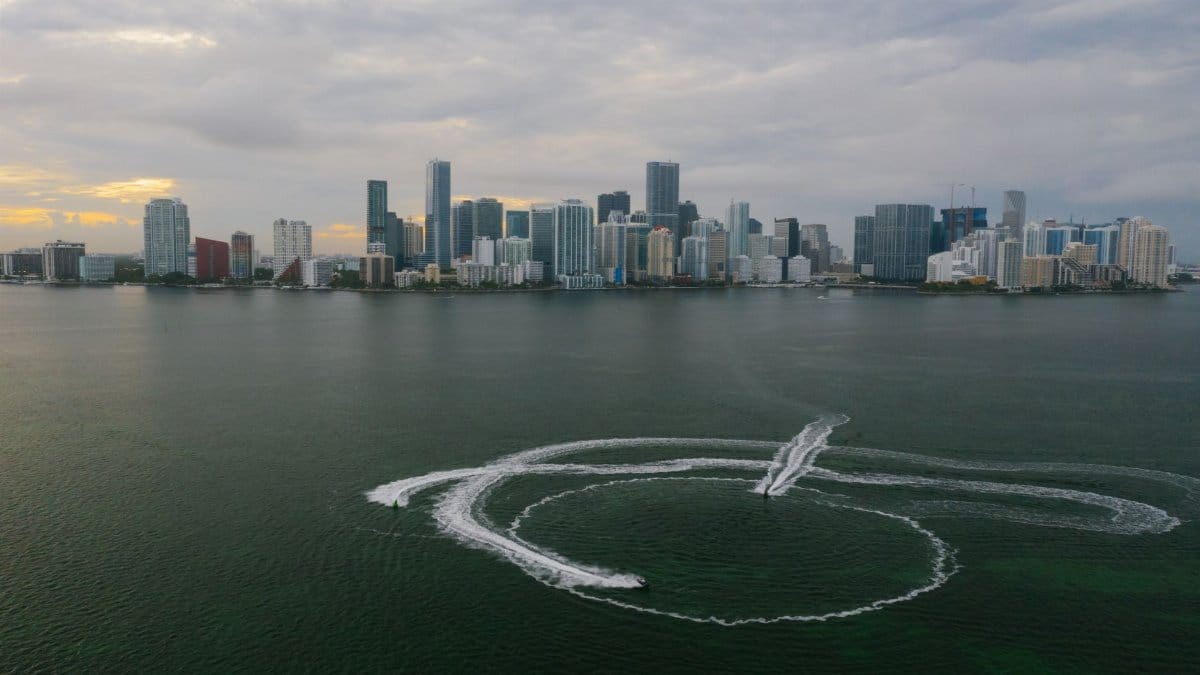
Griffin did not wander into Wynwood because he liked a mural. His move of Citadel to Miami was a statement about taxes, talent, and where a trading firm believes the next decade of American finance will sit. Real estate followed the people. Waterfront offices, residential towers, and now a large Wynwood assemblage extend that statement from headquarters into the civic map.
A campus tied to Carnegie Mellon adds a different prestige. Finance brings salaries. A university brings a pipeline, a research brand, and a reason for parents in other cities to treat Miami as more than a winter address. City leaders have wanted that mix for years. They have also learned that prestige tenants can price out the very culture used to sell the zip code. The tension is not theoretical. It is already visible in restaurant rents and in the galleries that left when the weekend economy outgrew them.
Why a campus wants this particular grid
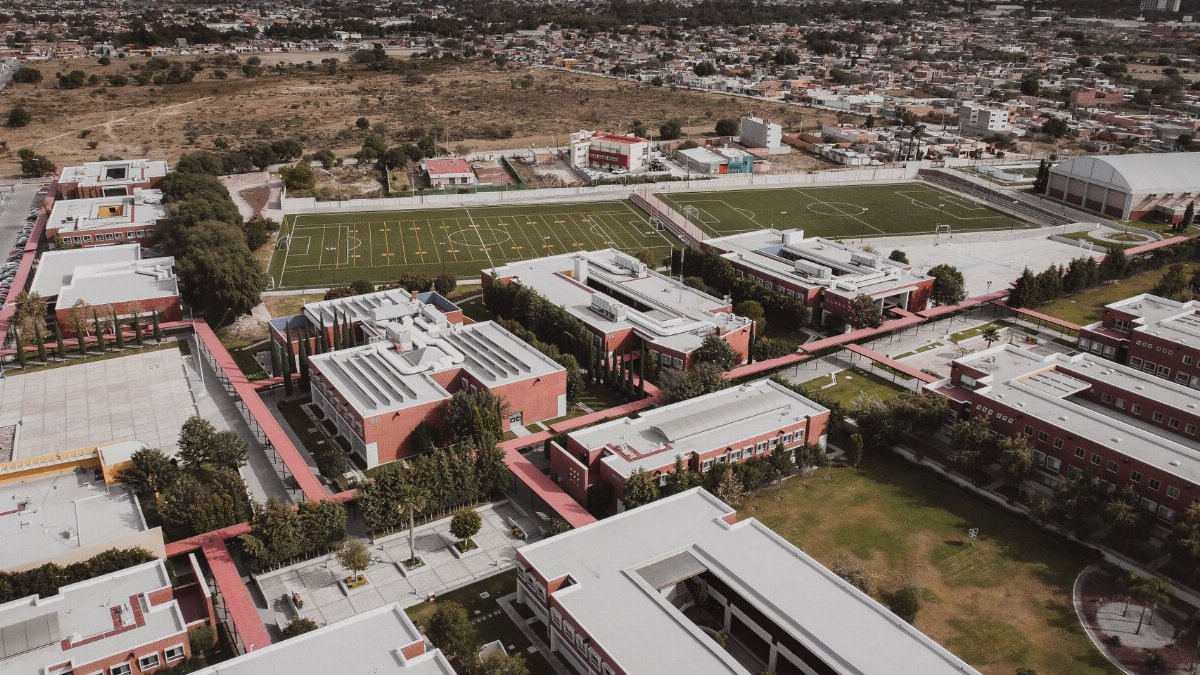
Carnegie Mellon’s reputation sits in computer science, engineering, and the practical arts of making things. Wynwood’s grid, for all its murals, is still a grid of former industrial buildings with loading logic, wide streets by Miami standards, and room to adapt floors that were never designed as classrooms. A buyer who needs labs, classrooms, and housing for a new academic outpost will look at that fabric differently than a buyer who needs another rooftop bar.
Adaptation is not automatic. Old warehouses can hold lectures. They can also hide costly surprises in structure, flood elevation, and the simple fact that students need to walk at night. Miami’s heat and storm calendar will shape any campus more than a rendering does. If the plan is serious, the next years will be about permits, elevation, and transit, not about which wall gets a new coat of paint.
Artists, leases, and the people who do not get a press release

Every large sale produces two conversations. One happens in conference rooms. The other happens among people whose names never appear in the closing documents. Muralists, small retailers, security staff, and the families who live on the edges of the district will feel the deal as a change in who answers the phone. Some leases will run their term. Some will be bought out. Some businesses will discover that a campus neighbor is a gift at lunch and a problem at 1 a.m.
I have walked those blocks on a Sunday when the paint still smelled new and on a Tuesday when the same walls looked like a set after the actors left. The neighborhood’s public face depends on a private willingness to keep letting strangers use the street as a gallery. New owners can honor that bargain. They can also decide that controlled access and institutional branding are worth more than an open wall. Nothing in the sale price settles that choice. It only settles who gets to make it.
Price as a signal, not a moral score

$1.1 billion will be cited for years as proof that Wynwood “made it.” That phrase flatters buyers and insults the people who made the place interesting before the price existed. Land can appreciate while a culture thins out. Both things can be true in the same quarter. Journalists should resist treating the closing figure as a scoreboard for civic health.
What the price does signal is confidence that Miami’s urban core can absorb another institutional user without a suburban fallback. Griffin has been willing to pay for that confidence elsewhere in the city. Extending it into Wynwood tells other landowners that assemblage, not a single trophy tower, is where the largest checks are being written. Expect more owners to hold, merge lots, and wait. Expect fewer small buyers to compete.
The neighborhood Mana is not ready to abandon

Mana’s remaining stake, however modest beside the sold bulk, keeps his name in the daily life of the district. That can be read as sentiment. It can also be read as strategy. A seller who stays nearby understands the politics of street closures, festival permits, and the informal rules that keep a destination from feeling managed to death. A buyer building a campus will need some of that knowledge even if the buyer never admits it.
There is also pride. Mana spent a career arguing that Wynwood could be more than a pass through between downtown and the Design District. Selling most of the land does not require him to surrender the argument. If anything, the sale validates the argument in the only language large capital respects. The harder test is whether what remains of his presence still serves the people who cannot afford to treat the neighborhood as a balance sheet.
Miami’s map keeps tilting toward capital with a plan
This deal sits beside a wider pattern. Finance firms, tech outposts, and universities are treating Miami less as a branch and more as a place to plant a flag that shows up on national maps. Wynwood is useful in that campaign because it photographs well and because it still has land that can be rewritten. Brickell is already a skyline. The beach is a brand with its own politics. Wynwood is the in between, which is exactly where planners like to experiment.
Experiment has a cost. Traffic on North Miami Avenue does not care about institutional prestige. Flooding does not pause for a groundbreaking. Housing for graduate students will compete with housing for service workers unless someone designs for both. A city that celebrates every billion dollar arrival without asking where the night shift sleeps is not planning. It is collecting headlines.
What the Mana Wynwood sale Griffin moment asks of the city

The Mana Wynwood sale Griffin moment asks a plain question. Can a district keep the public life that made it valuable after the owner who assembled it sells to an owner building a campus? The answer will not arrive in a single zoning hearing. It will arrive in lease renewals, in whether walls stay available to artists who are not on a sponsor list, and in whether students and bartenders can share a sidewalk without one group being designed out.
Griffin’s resources make a serious campus plausible. Mana’s decision to remain makes a total erasure less likely, at least on the blocks he still touches. Neither fact guarantees a good street. Good streets are made by rules that outlast any one buyer: limits on how completely a block can be privatized, support for small tenants, and a transit plan that treats Wynwood as a place people live, not only a place people visit.
Watch the cranes, then watch the leases
In the months after a sale this large, renderings will multiply. Some will show quads where parking lots sit now. Some will show housing stacked over old bays. Renderings are a form of marketing. The documents that matter more are quieter. Lease abstracts. Construction timelines. The list of properties that were included and the list that were not.
Residents who care about the outcome should track those lists more closely than they track the ceremony. A campus can lift a neighborhood’s reputation and still hollow out its weekday economy if the ground floor becomes a security desk. A seller who stays can be a bridge or a spectator. The next chapter of Wynwood will be written in those choices, not in the size of the check that already cleared.
A district between souvenir and institution
Wynwood has been asked to be several things at once: an art district, a mall without a roof, a brand, a neighborhood. The sale pushes it toward institution. Institutions last. They also standardize. The murals may remain because they are useful. The disorder that produced the murals may not. That is the trade embedded in the price, whether or not anyone at the closing table said it aloud.
For middle aged readers who remember when this part of Miami was a place you drove through, the transformation can look like proof that cities still reinvent themselves. For people who pay rent here, reinvention is a monthly number. Both views belong in the story. A $1.1 billion sale to a buyer building a Carnegie Mellon campus is a civic event, not only a real estate event. Treating it as only the latter would miss why the blocks matter.
Mana is not done. Griffin is just beginning a different kind of occupancy. The neighborhood, as usual, will absorb both and then show, in ordinary ways, which vision actually fits the street.