

On a morning when City Hall usually fills with families, clergy, and campaign volunteers, the chairs stayed stacked and the oath went unread. A judge has barred the city from installing the candidate many residents believed they had chosen, leaving the transition in a civic pause that feels both technical and deeply personal. The fight turns on a qualifying payment that came up short by eighty cents, a sum small enough to invite disbelief and large enough, in the eyes of the court, to stop a ceremony. For now the North Miami mayor remains the incumbent, while lawyers argue over whether a missed detail should freeze the will of the voters.
A ceremony that never began
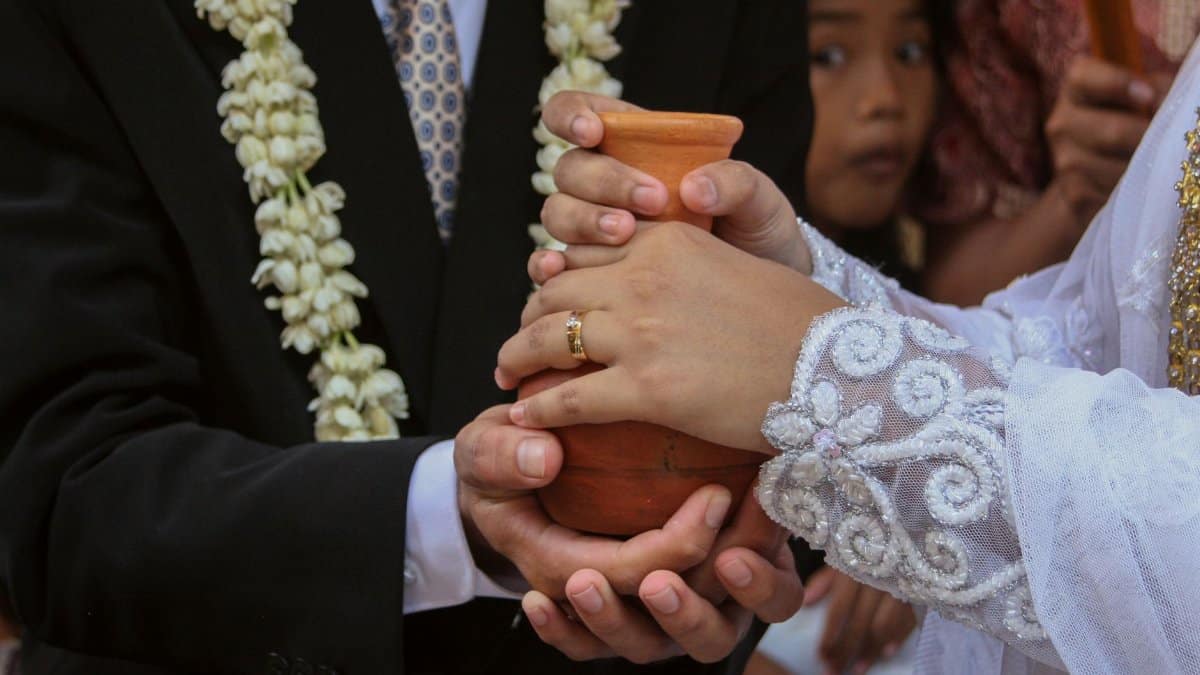
Swearing in days are among the few moments when local government looks ceremonial rather than procedural. People bring children. Pastors sometimes offer a blessing. Photographers wait for the handshake that signals a clean handoff of power. None of that happened. A court order kept the city from administering the oath to George Morgan, the challenger who had expected to take the office. The effect was immediate and visible. Staff who had prepared nameplates and briefing books were told to wait. Residents who had cleared their calendars went home without a photograph and without a clear answer about who would sign the next proclamation.
In a city of this size, the mayor is not a distant figure. The officeholder shows up at school events, storm briefings, and neighborhood meetings where people know one another by first name. When that office is frozen between two claims, ordinary business does not stop, but it loses its usual confidence. Department heads still answer phones. Contracts still need signatures. What changes is the sense that the person at the top speaks with a fresh mandate.
What the judge actually stopped

The order does not rewrite the election results on its own. It pauses the installation of a new officeholder while a lawsuit runs its course. That distinction matters. Ballots were cast. A count was announced. What the court has interrupted is the final administrative act that turns a winner into a sitting official. Until a judge says otherwise, Alix Desulme continues in the role he already holds. City attorneys must treat the status quo as the lawful condition, even if campaign workers on the other side view that condition as a delay of justice.
Judges in election disputes often prefer a temporary hold to a rushed correction. Once someone is sworn in, reversing the act becomes messier. Letterhead changes. Appointments begin. A pause, however frustrating, keeps the facts from hardening into a government that might later have to be unwound. The Miami Herald reported the blockage in its coverage of the North Miami case, a useful starting point for readers who want the originating account rather than a secondhand summary: https://www.miamiherald.com/news/local/community/miami-dade/north-miami/article318111715.html
Eighty cents and the qualifying window

The spark is almost comically small. Morgan’s qualifying check was short by eighty cents. Qualifying is the formal step that places a name on the ballot. Cities set a fee, a deadline, and a method of payment. Campaigns treat that window as sacred because missing it, even by a day or a dollar, can end a candidacy before a single vote is cast. Here the shortfall surfaced in a way that did not stop the name from appearing, which is why the aftermath feels so unsettled. Voters saw a choice. A court is now being asked whether that choice rested on a filing that never quite cleared the statutory bar.
Supporters of a strict reading say the rule is the rule. An eighty cent gap is still a gap. If clerks start rounding in favor of popular candidates, the next dispute will involve a larger sum and a weaker excuse. Supporters of a practical reading say election law exists to let eligible people run and eligible people vote, not to trap a campaign in a bank fee or a misread invoice. Both arguments can be made without insulting the other side. The court will have to decide which value controls when they collide.
The incumbent who did not leave

Desulme did not win a new term in the ordinary sense of a victory party. He remains because the door to his successor has been locked from the outside. That is an awkward political position. Incumbency usually comes with a recent endorsement from the electorate. Continuity by court order comes with questions. Can he hire? Can he break a tie on a divided council? Can he represent the city at a regional meeting without a cloud over his title? Lawyers will answer those questions in filings. Neighbors will answer them in conversation, which is often less patient.
Morgan, meanwhile, occupies the stranger role of victor in waiting. He can claim the count. He cannot yet claim the office. Campaigns are built for sprints that end on election night. They are poorly designed for weeks of legal stillness. Volunteers drift. Donors ask whether to keep paying lawyers. The human cost of a technical case is rarely the part that appears in a caption on a docket, but it is the part people in North Miami will remember.
How Florida cities police the ballot
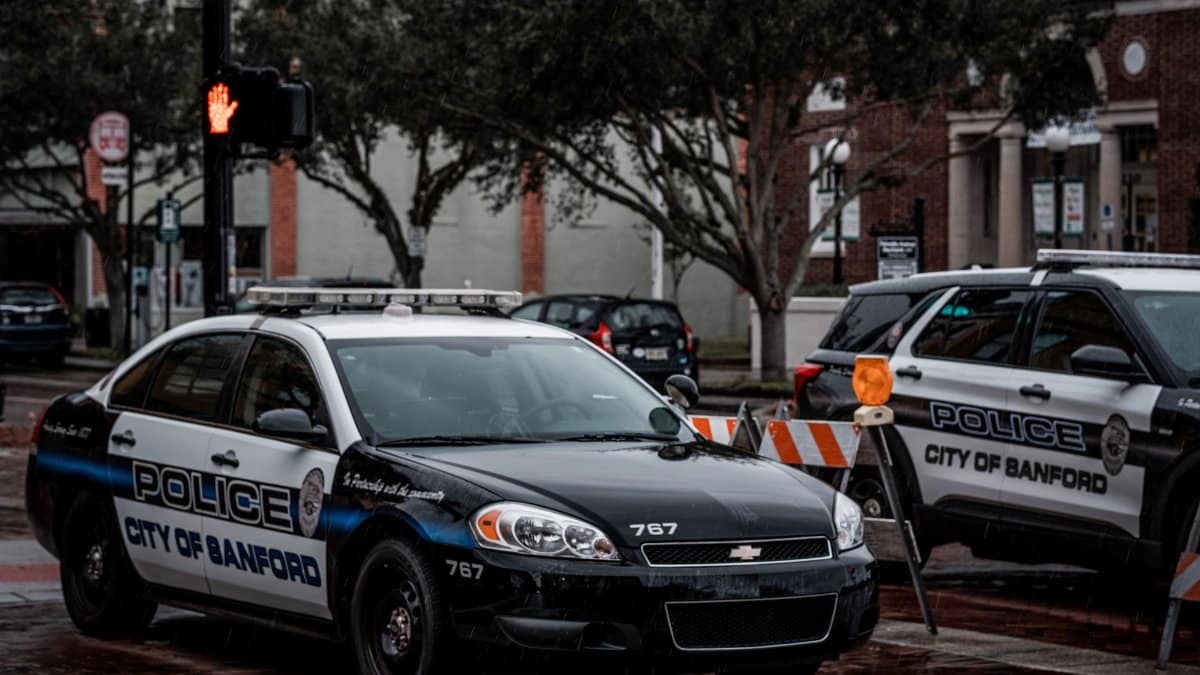
Municipal qualifying rules are descendants of a simple idea. Anyone who wants the public’s attention should meet a public standard, on time, in full. Fees discourage frivolous filings. Deadlines keep printing schedules honest. Notarized forms reduce last minute chaos. None of that machinery was designed to become the main character of an election. Yet when a payment fails, the machinery is all the court has. Judges do not get to invent a kinder statute because the dollar amount looks silly in a headline.
Clerks sit at the center of this system. They receive checks, stamp forms, and tell candidates whether the packet is complete. A later lawsuit often turns on what the clerk knew, what the candidate was told, and whether any cure was offered before the window closed. If a clerk accepted a short check without comment, one side will call that acceptance a waiver. The other side will call it a mistake that the law does not allow the clerk to make. Those are not abstract theories. They are the questions that decide who sits in the mayor’s chair.
Voters who thought the question was settled

People who stood in line did not vote on bank arithmetic. They voted on flooding, rents, policing, parks, and the tone of a city that sits between larger neighbors and a coastline that does not negotiate. Many of them will hear about eighty cents and feel mocked. That reaction is fair even if the legal outcome is not yet known. Democracy depends on a belief that the hard part is persuasion, not paperwork. When paperwork overtakes persuasion, trust thins.
Trust is not restored by telling residents to calm down. It is restored by a process they can follow. Clear orders. Public hearings. A written explanation of why a fee rule either binds or yields. The worst result is not a decision that half the city dislikes. The worst result is a decision that arrives as a shrug, with no map from the shortfall to the oath.
What the lawsuit still has to answer
Several questions remain open, and they should stay open until a court writes them down. Did the payment method itself create the eighty cent miss, or did the campaign miscalculate a published fee? Was there any chance to correct the amount before qualifying closed? Does the fact that the name reached the ballot limit what a judge may do afterward? And if the qualifying was defective, what remedy fits: a new election, a declaration that the incumbent holds over, or some narrower fix that neither camp has yet proposed in public?
Until those answers exist, speculation is cheap and often wrong. Residents should be wary of social media posts that treat a temporary order as a final moral verdict. A hold is a hold. It preserves options. It does not crown a philosophy of election law. The North Miami mayor controversy will be cited for years only if the written ruling is careful enough to teach other cities what to do when a fee and a ballot disagree.
City hall while the title is contested
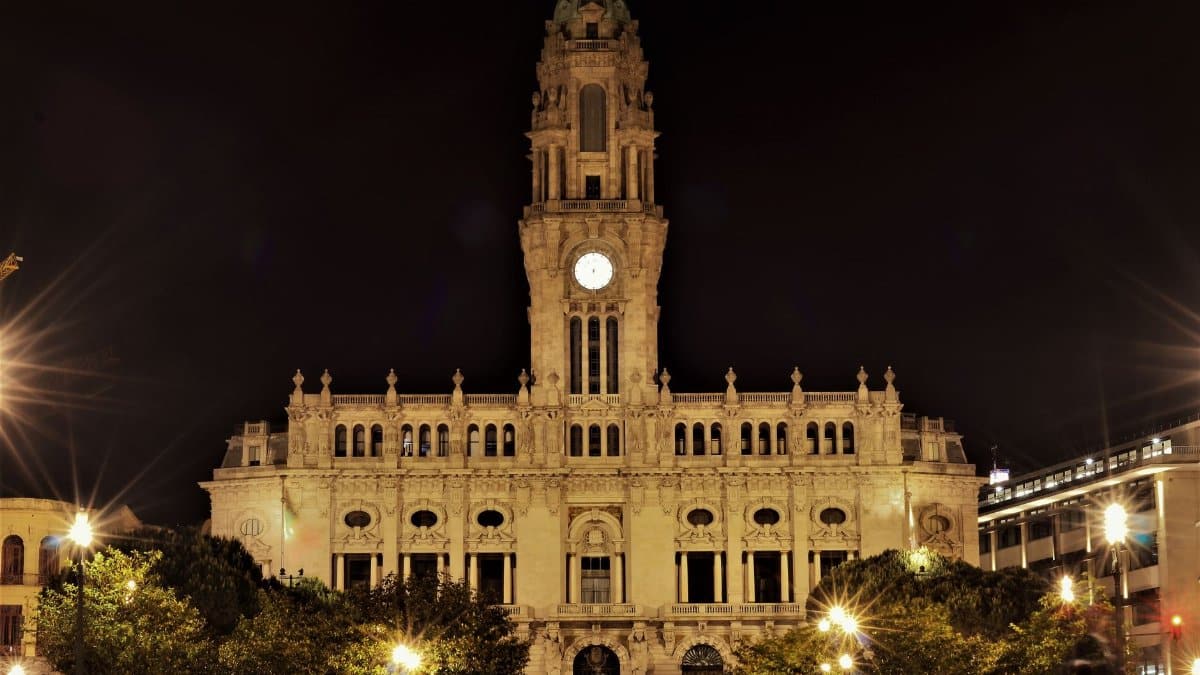
Government does not pause for symbolism. Trash routes still run. Permits still move, slowly or not. Budget memos still land on desks. The practical question for employees is whom they brief. In most charter cities the incumbent remains the lawful signatory during a contest over succession, precisely so that payroll and emergency powers do not float in midair. That legal comfort does not erase the political discomfort. A department head who briefs Desulme today may brief Morgan next month. Prudent staff will document decisions and avoid treating either camp as a permanent court.
Council colleagues face their own strain. They were elected on their own terms, yet they must work beside an executive whose mandate is under review. Alliances that formed around the campaign do not dissolve because a judge asked for more time. The mature move, rare as it is, is to keep votes on flooding pumps and housing inspections separate from votes that are really about loyalty to one claimant or the other.
Why tiny errors become large fights

American election law has a long memory for small defects. A missing signature, a late envelope, a fee that does not match the ordinance: each has, in some courtroom, decided who governs. The pattern is not sadism. It is a fear of discretion. If officials may forgive eighty cents today, a future official may forgive eight thousand dollars for a friend. Bright lines are clumsy. They are also harder to corrupt. Critics answer that bright lines without a chance to cure are how insiders weaponize clerk windows against outsiders who lack a lawyer on speed dial.
North Miami did not invent this tension. It is living it in public, with names attached. Other cities in Miami Dade County will read the outcome as a warning label on their own qualifying packets. Campaign treasurers will add a buffer to every check. Clerks will write clearer receipts. Those dull reforms are the real legacy of cases like this, whether or not they comfort the candidate who is waiting.
Faith communities and the civic pause
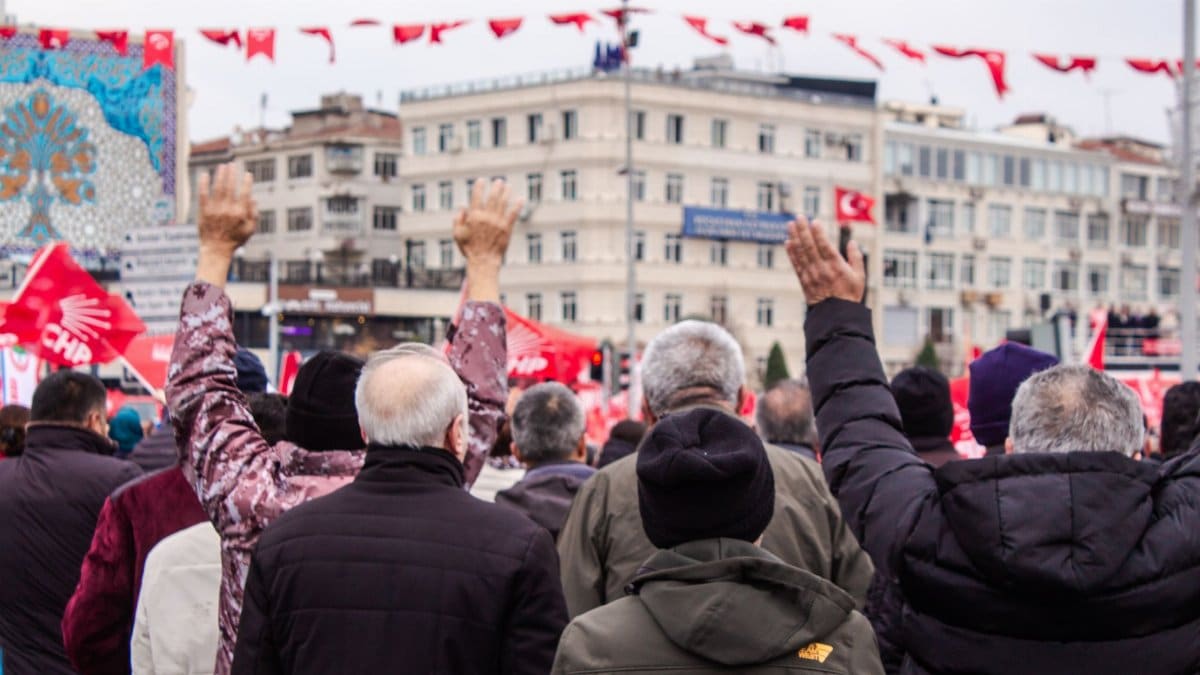
In a city where churches, mosques, and neighborhood prayer circles double as civic rooms, a blocked oath is not only a legal story. Congregations had planned blessings. Some pastors had been asked to stand near the flag. Those plans are now on hold, and the hold itself has become a subject of Sunday conversation. People who rarely follow dockets are asking what fairness requires when the amount in dispute would not buy a cup of coffee. That question has a spiritual register even when the answer must be legal. Mercy and rule keeping are old companions. They do not always agree.
No sermon settles a charter. Still, the tone religious leaders choose will shape how neighbors treat one another while the case is open. A call to patience is not the same as a call to forget the vote. A call to respect the incumbent is not the same as a call to pretend the challenger lost. The healthiest civic faith, in this moment, is the unglamorous kind: show up, read the order, refuse rumors, and keep treating both men as neighbors who will still share a city when the robes are put away.
What residents can reasonably expect next

Expect filings, not fireworks. Expect a hearing date, then a written ruling, then possibly an appeal that stretches the pause. Expect the city attorney to advise caution on any act that looks like a permanent transfer of power. Expect both campaigns to speak in the language of voters’ rights while arguing opposite remedies. None of that is cynicism. It is how contested successions actually move.
Residents can ask for three concrete things without taking a side. First, publish the court orders in plain view on the city website, not only in a legal notice that almost no one reads. Second, state in ordinary language who may sign what while the case is open. Third, keep regular council meetings focused on services, so the lawsuit does not swallow the month. Those steps do not pick Morgan or Desulme. They pick clarity.
A larger lesson in a small sum

Eighty cents will be the detail people repeat. The deeper lesson is about the last mile of an election, the unglamorous stretch between the last ballot and the first day in office. Campaigns pour money into ads and ignore the invoice that gets them on the ballot. Cities publish fees in ordinances that read like furniture assembly instructions. Voters assume that if a name is printed, the law has already blessed it. This case picks at each of those assumptions.
Whoever emerges with the title will govern a real place with real storms, real rents, and real arguments about growth. The North Miami mayor who finally takes or keeps the oath will need more than a legal win. He will need a public that believes the path to that oath was explained, not improvised. Courts can supply the explanation. They cannot supply the patience. That part belongs to the people who will live with the result long after the eighty cents have been forgotten, and long after the stacked chairs at City Hall are finally set out for a ceremony that, this time, is allowed to begin.