
In the weeks before a midterm, a registration file is supposed to be a settled thing: a name on a roll, a precinct assigned, a ballot style already chosen. Instead, local officials in North Texas were still opening stacks of records that should have moved through the state system months earlier. The Dallas Collin voter backlog put roughly 100,000 driver license registrations in front of two of the largest counties in Texas at the worst possible moment, when every hour of staff time is already spoken for and the public has little patience for explanations.
A pile of files that should have moved already

The numbers are blunt. Dallas County alone was sorting 68,104 registrations that never arrived from the state portal in the ordinary way, according to reporting by The Dallas Morning News. Collin County faced its own share of the same delayed transfer. Together the two counties were looking at about 100,000 files tied to the Texas Department of Public Safety, the agency that handles driver licenses and, under federal motor voter rules, is also a front door to the voter roll.
A backlog of that size is not a clerical curiosity. It is a test of whether a person who already did the paperwork will be findable when a poll worker searches a tablet or a paper supplement on Election Day. Counties do not get to invent names. They have to match addresses, catch duplicates, flag incomplete forms, and send the clean records into the statewide system before ballots are printed and before early voting sites open their doors.
How a driver license visit becomes a voter record
For most Texans the path is simple in theory. You renew a license or apply for one. A clerk asks whether you want to register to vote, or updates an existing registration when you move. That choice is supposed to travel from DPS to the state and then to the county that actually maintains the list. The county is the unit that assigns precincts, mails notices, and answers the phone when someone cannot find a polling place.
When that handoff stalls, the voter has done nothing wrong and the county has nothing to process. Officials in Dallas and Collin were not refusing work. They were receiving, all at once, files that the portal had not delivered on a normal schedule. The distinction matters. A late flood looks, from the outside, like local incompetence. Often it is a system designed in pieces, with a state agency on one end and a county election office on the other, and no single desk that owns the delay.
Dallas County and the 68,104 names
Dallas County is large enough that 68,104 extra records would strain any office, even in a quiet month. Before a midterm it collides with ballot proofing, poll worker training, equipment testing, and the ordinary stream of new applications that still arrive by mail and in person. Each DPS file still needs a human or a carefully checked program to confirm eligibility basics: citizenship attestation, age, a residential address inside the county, and no conflicting record already on the roll.
Staff can work nights. They cannot invent time. A form with a missing apartment number or an old address from a previous license can sit in a review queue while someone tries to reach the applicant. That is proper caution. It is also how a person who registered in good faith ends up absent from the first list a poll worker sees. The Dallas Collin voter backlog is, at bottom, a matching problem with a deadline, not a mystery about whether people wanted to vote.
Collin County under the same clock
Collin County has grown fast, and growth makes registration work harder even when the pipes are clear. New subdivisions, address changes, and people moving in from other Texas counties all produce records that must be reconciled. Add a sudden DPS transfer and the same small professional staff is doing two jobs: the planned one and the surprise one.
Suburban counties sometimes get less public attention than Dallas, but the stakes for an individual voter are identical. A teacher in Plano who updated a license in the spring has the same right to a clean record as a resident of Oak Cliff. Treating the Dallas Collin voter backlog as a Dallas story alone would miss half the map. Both counties were racing the same calendar, with different buildings and the same state source.
Why the calendar is the real constraint
Election administration is a sequence of locked dates. Voter rolls feed ballot styles. Ballot styles feed the programming of machines and the printing of paper ballots for mail and for precincts. Early voting has its own start. After a certain point, a newly accepted registration may still be legal and still be too late for the first list loaded onto equipment. Counties then rely on supplemental lists, updates pushed to electronic poll books, or instructions to offer a provisional ballot.
None of those backups is a scandal by itself. They are how the law handles a moving list. They do become a problem when tens of thousands of names arrive in a clump and the supplements grow faster than poll workers can be trained to use them. A voter who is told to cast a provisional ballot has not been turned away, but that voter also has not been given the ordinary confidence of a regular ballot. Confidence is part of the product counties are supposed to deliver.
What a late file does inside a polling place
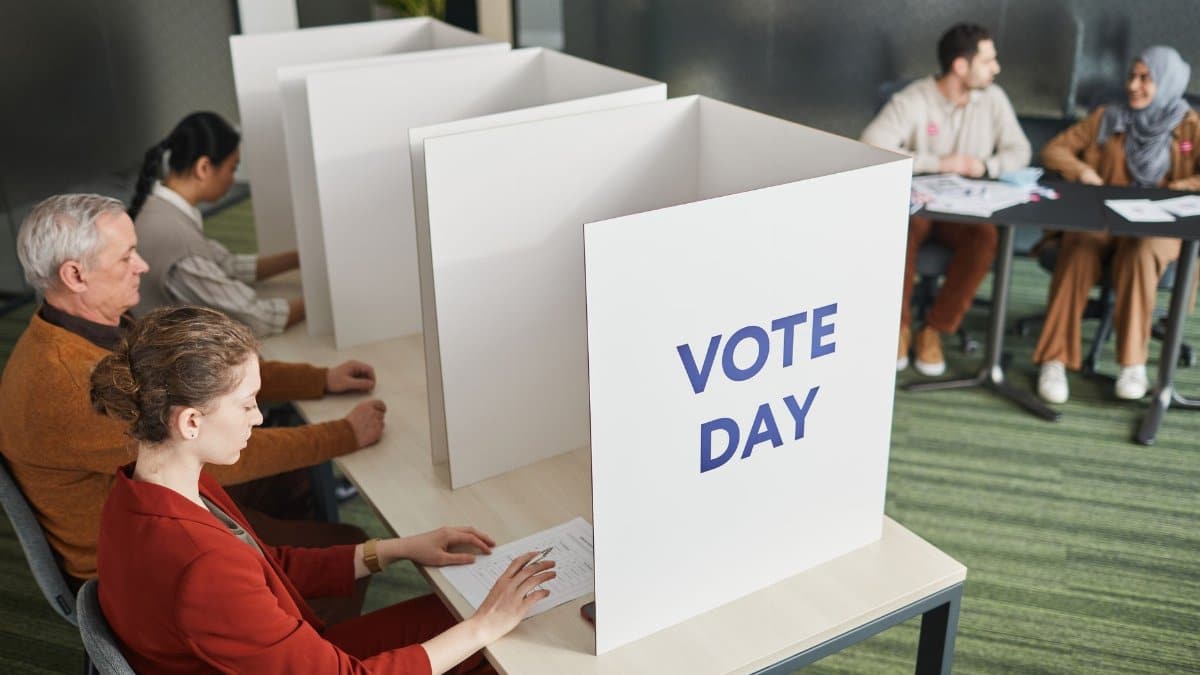
Picture a Tuesday morning in a school gym. A poll worker searches a name, does not find it, and feels the line behind the table. The worker is not a lawyer. The worker has a script: check the spelling, check a supplemental list, call a help desk, offer a provisional ballot if the person insists on voting and appears eligible. Every extra step slows the line and raises the temperature.
I have stood in enough election night rooms to know that a missing name feels, to the person at the table, like a verdict rather than a data lag. That feeling does not require anyone to have cheated. It requires only a gap between what the voter remembers doing at a license office and what the tablet shows. The Dallas Collin voter backlog is dangerous less because of any single bad form than because it multiplies those gaps across two big counties in the same cycle.
The quiet work of clerks and temporary staff
The people clearing the files are rarely on television. They are county employees and seasonal hires comparing addresses, rejecting duplicates, and entering the ones that pass. Their incentives are dull and correct: do not add a record that fails the legal tests, and do not leave a valid one in a box. Speed and accuracy pull in opposite directions, which is why a sudden 100,000 file problem cannot be solved by a press release.
Overtime helps until fatigue creates its own errors. A mistyped street can send a voter to the wrong precinct, which is its own kind of backlog, cleaned up later through provisional research or a corrected notice. Counties that publish clear status pages and answer phones with real humans reduce the damage even when the underlying transfer was late. Silence, by contrast, invites people to invent a motive for a delay that may have a boring technical cause.
Voters who already did what the state asked
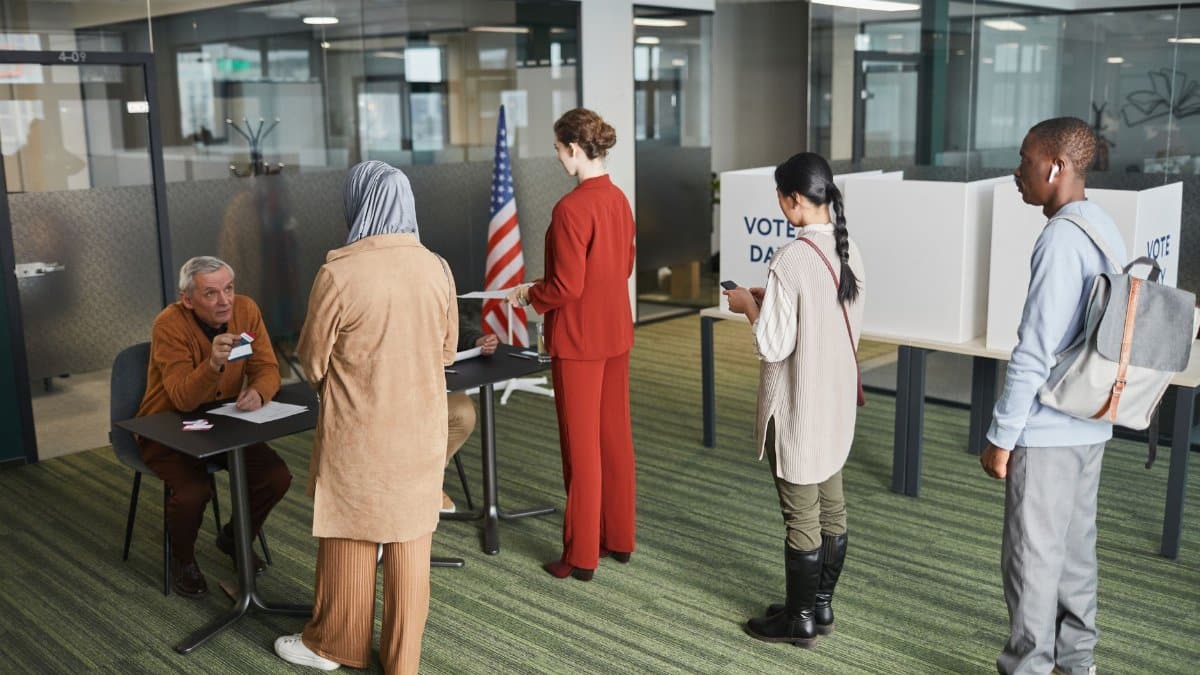
The fairest reading of these files is also the most ordinary. A person stood at a DPS counter, or completed a transaction the state itself designed, and expected the rest to happen without heroics. Motor voter exists so that registration is not a second scavenger hunt. When the second scavenger hunt appears anyway, in the form of a county calling weeks later or a poll book that shrugs, the system has broken its own promise.
That promise is not partisan. Democrats and Republicans both need accurate rolls, and both parties lose when their own supporters are the ones standing in the provisional line. The honest argument is about performance: did DPS transmit, did the state portal hold, did counties have enough trained people, and did anyone tell the public the truth about timing. Those are managerial questions. They become political only when officials treat them as someone else’s department.
Trust as a civic habit

Readers sometimes file election mechanics under politics and leave spirit to Sunday. The two meet in a simpler place. A community that asks people to accept outcomes has to give them a reason to believe the list was built in good faith. Trust here is not a mood. It is a habit of showing your work: how many files arrived, how many were accepted, how many are still in review, and what a voter should do if a name is missing.
Faith in that habit is fragile, and it does not require anyone to pretend the process is holy. It requires officials to speak in numbers and dates rather than slogans. A county that says, plainly, that thousands of DPS records landed late and are being checked before the polls open is doing something closer to public service than a county that waits for rumors to fill the gap. The spiritual cost of a sloppy roll is cynicism, and cynicism is expensive in a democracy that still counts paper.
What officials can still promise
Before the polls open, the useful promises are narrow. Counties can finish the review they control. They can push updates to electronic poll books as often as the vendor and the law allow. They can train workers to look past the first screen. They can publish a phone number that a human answers. They can tell voters to bring the notice they received, a photo identification that Texas law already requires, and a willingness to ask for a provisional ballot rather than walk away.
Voters, for their part, can check registration status on the secretary of state site before Election Day, not in the parking lot. A check that shows a problem still leaves time to call the county. A check that shows a clean record does not guarantee a perfect poll book, but it gives the voter language: I am on the state list, please look again. None of this repairs a late transfer. It keeps a late transfer from becoming a lost vote.
A test of habits, not just software
It is tempting to blame a portal, as if a better screen would have prevented the pile. Software matters. So do contracts, staffing models, and the habit of assuming that another agency will finish the job. DPS, the secretary of state, and county election offices share a pipeline that voters experience as one government. When 68,104 Dallas records and a large Collin share surface together, the public is right to ask who watched the queue.
A durable fix is dull. Regular reconciliation between DPS transactions and county receipts. Alerts when a batch sits unopened. Enough permanent staff that a midterm does not depend on a heroic October. Public counts, released on a schedule, so journalists and campaigns are not guessing. None of that is glamorous. All of it is cheaper than a week of provisional ballot research after the fact, and kinder to the poll worker who has to explain the gap.
Looking past this midterm

The immediate task is still the list in front of Dallas and Collin. Finish the match. Load the supplements. Tell people the truth about what is done and what is not. The Dallas Collin voter backlog will be remembered less for the round number 100,000 than for whether those names were findable when it counted.
After the canvass, the same counties and the same state agencies ought to publish a plain accounting: when the files left DPS, when counties received them, how many were new registrations, how many were updates, how many were rejected and why. That accounting will not thrill anyone. It will tell the next set of voters whether the promise at the license counter is real. A democracy can survive a late file. It should not have to survive the same late file twice.