
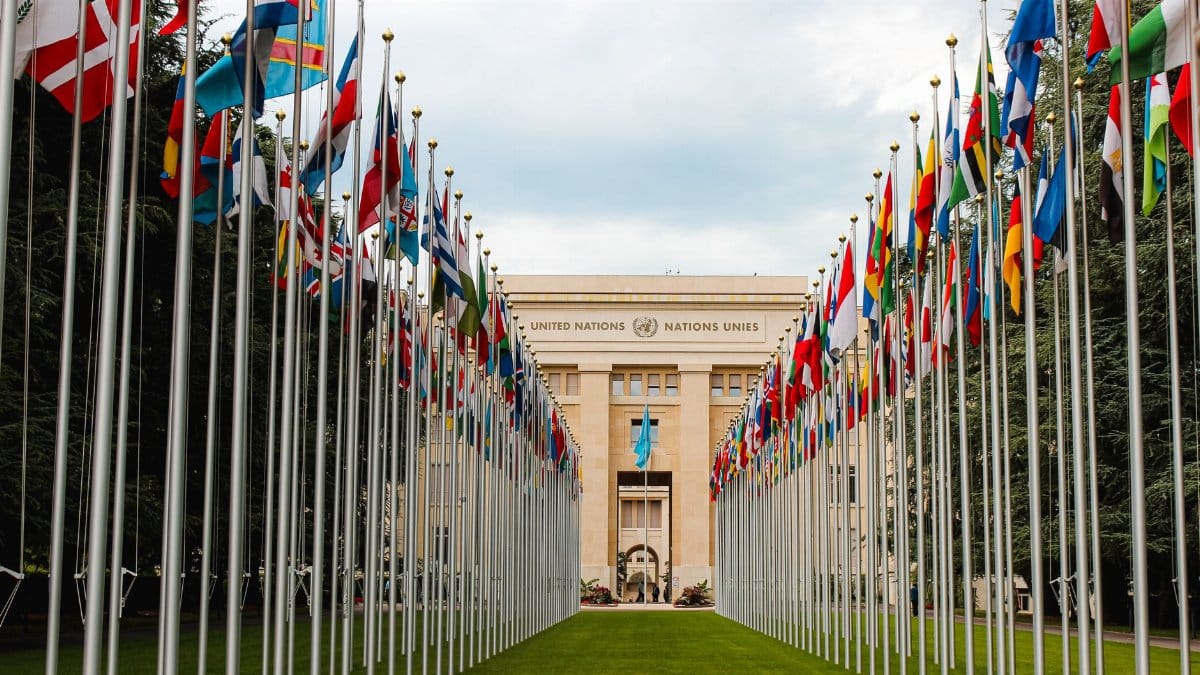
Cuba has long navigated complex international pressures, yet recent developments in global forums highlight a nuanced shift. In the latest round of discussions at the United Nations, Havana claimed a symbolic victory regarding measures imposed by Washington. This outcome unfolded amid the Cuba UN sanctions debate, drawing attention from diplomats across continents. Observers note that while the vote tally favored Cuba, underlying currents suggest fading enthusiasm from traditional backers in Latin America and Europe. The proceedings reflect broader realignments in foreign policy priorities, where economic concerns and domestic politics increasingly influence positions once taken for granted.
Background on United Nations Voting Patterns
Annual resolutions against the United States embargo have passed with large majorities for decades. This year the margin remained wide, yet abstentions rose among several influential members. Nations that previously aligned firmly now weigh their own trade interests more carefully. Analysts point to economic recovery needs following global disruptions as a key factor. Such changes do not erase the core disagreement but illustrate how alliances evolve over time.
Shifts Among Latin American Partners

Countries like Brazil and Argentina have softened their rhetoric in recent sessions. Officials cite pressing domestic challenges that demand pragmatic engagement rather than ideological solidarity. Trade data shows increased commerce with the United States in sectors ranging from agriculture to technology. These developments create quiet pressure on governments to avoid actions that could jeopardize emerging opportunities.
European Union Perspectives and Internal Divisions

Within the European Union, member states remain split between those favoring stronger human rights language and others prioritizing energy and investment ties. Spain and France have voiced measured criticism of the embargo while stopping short of full endorsement of Cuban positions. Recent policy papers emphasize conditional cooperation tied to governance reforms. This balanced approach allows European capitals to maintain dialogue without alienating Washington.
Impact on Cuban Domestic Economy
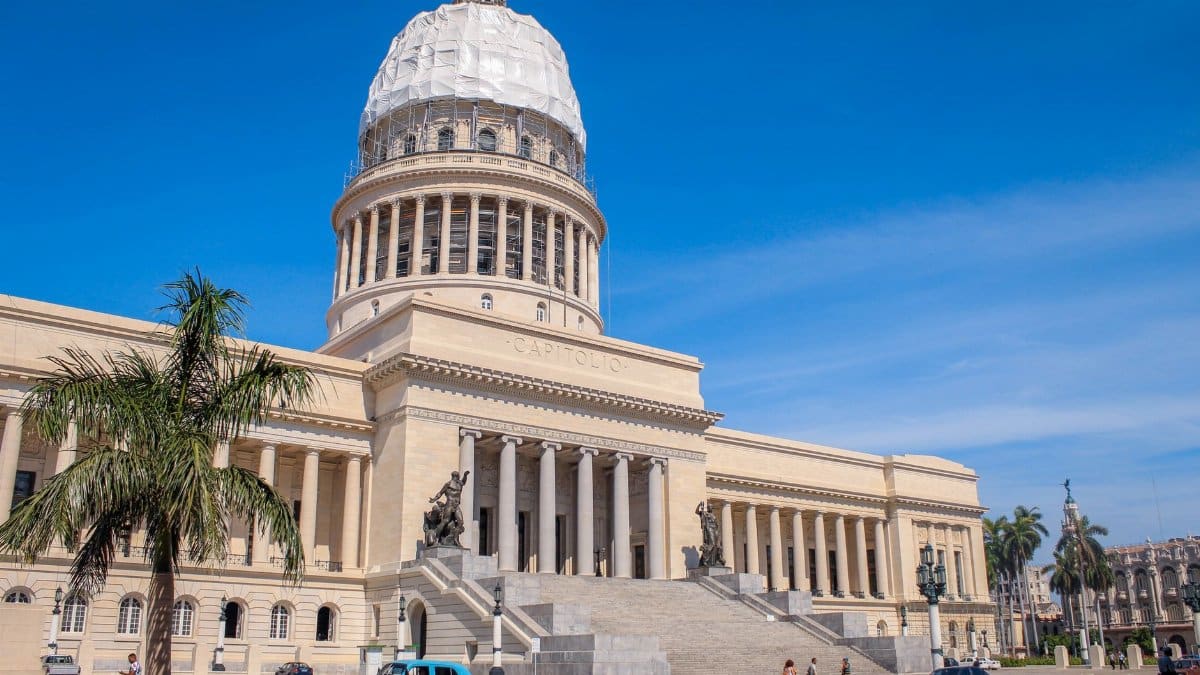
Inside Cuba, shortages of fuel, medicine, and consumer goods continue to shape daily life. Government reports attribute many difficulties to external restrictions, while independent economists highlight inefficiencies in central planning. Remittances from expatriates provide a vital lifeline yet face regulatory hurdles that fluctuate with bilateral relations. The ongoing situation fuels quiet discontent among younger generations seeking greater openness.
Role of Russia and China in Current Alignments

Moscow and Beijing have increased diplomatic and limited economic support for Havana in recent years. Joint infrastructure projects and credit lines offer alternatives to traditional Western financing. However, these partnerships carry their own conditions and have not fully offset the effects of broader isolation. Observers caution that reliance on such ties may limit Cuba maneuverability in future negotiations.
Humanitarian Concerns Raised by Aid Organizations
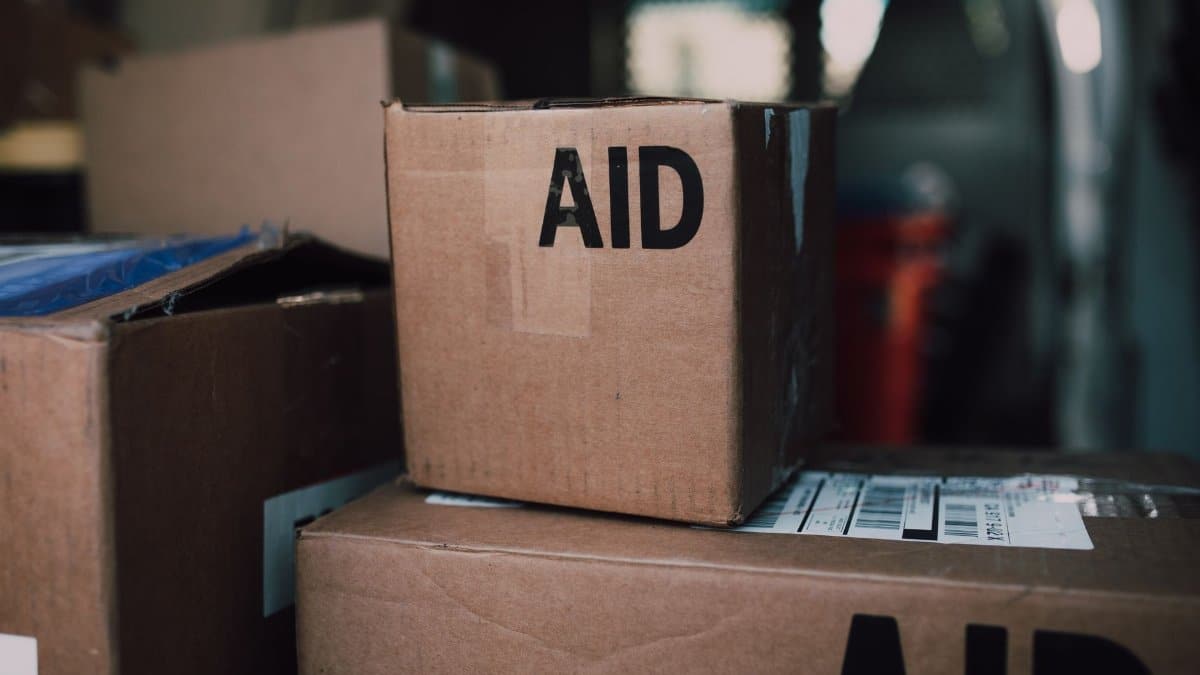
Groups delivering medical supplies and food assistance report persistent logistical barriers at ports and borders. While exemptions exist on paper, implementation often encounters delays attributed to licensing requirements. Field workers describe how these frictions affect vulnerable populations, particularly in rural areas. Calls for streamlined procedures have grown louder without producing immediate policy adjustments.
Prospects for Future Diplomatic Engagement

Looking ahead, mid level talks between technical experts from both sides continue on issues such as migration and environmental cooperation. These channels remain narrow yet functional. Success in limited areas could build confidence for wider conversations, though political calendars in Washington introduce uncertainty. Sustained momentum would require reciprocal gestures that satisfy constituencies on each side.