
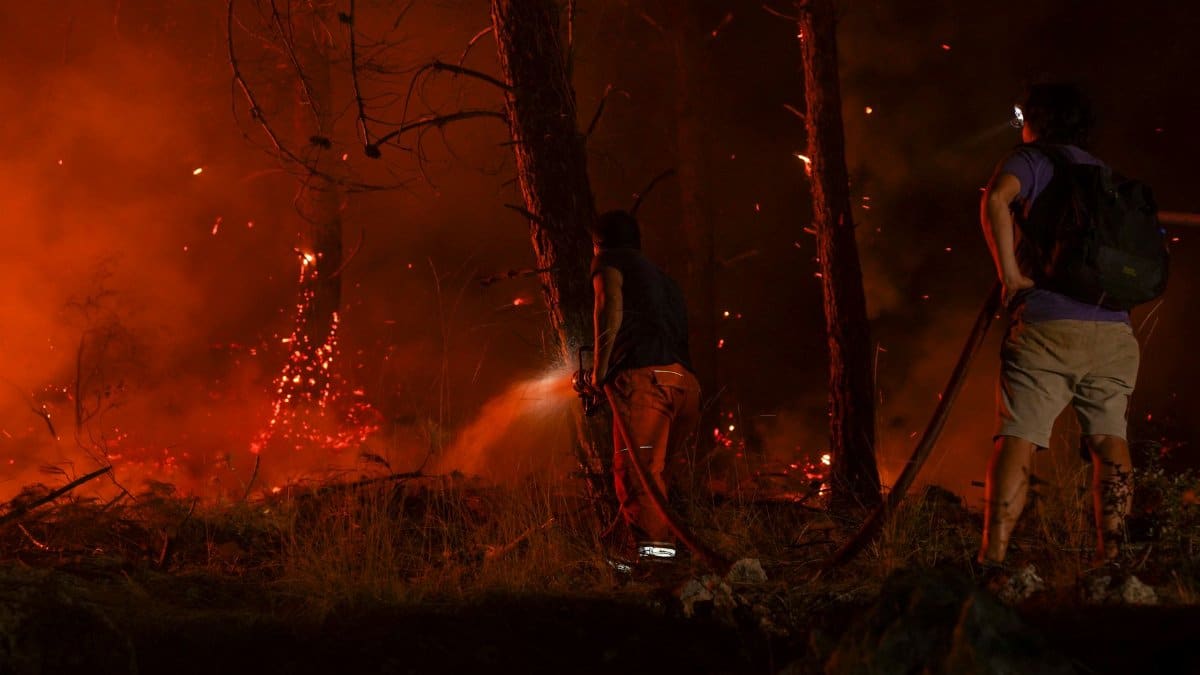
In the arid expanses of the Southwest, daily routines bend under relentless sun that turns streets into heat traps and leaves residents seeking shade at every turn. Community organizers now prepare for a major gathering in Phoenix this December to chart paths forward, centering discussions on Arizona extreme heat solutions that blend local knowledge with broader planning.
Community Organizing Efforts

Groups across the state have formed networks to share resources and coordinate responses. These coalitions draw from neighborhood associations and nonprofit teams that meet regularly to map out cooling centers and check on isolated individuals during peak summer months. Their work emphasizes collaboration over isolated actions, building trust that allows faster aid distribution when temperatures spike.
Infrastructure Adaptations Needed
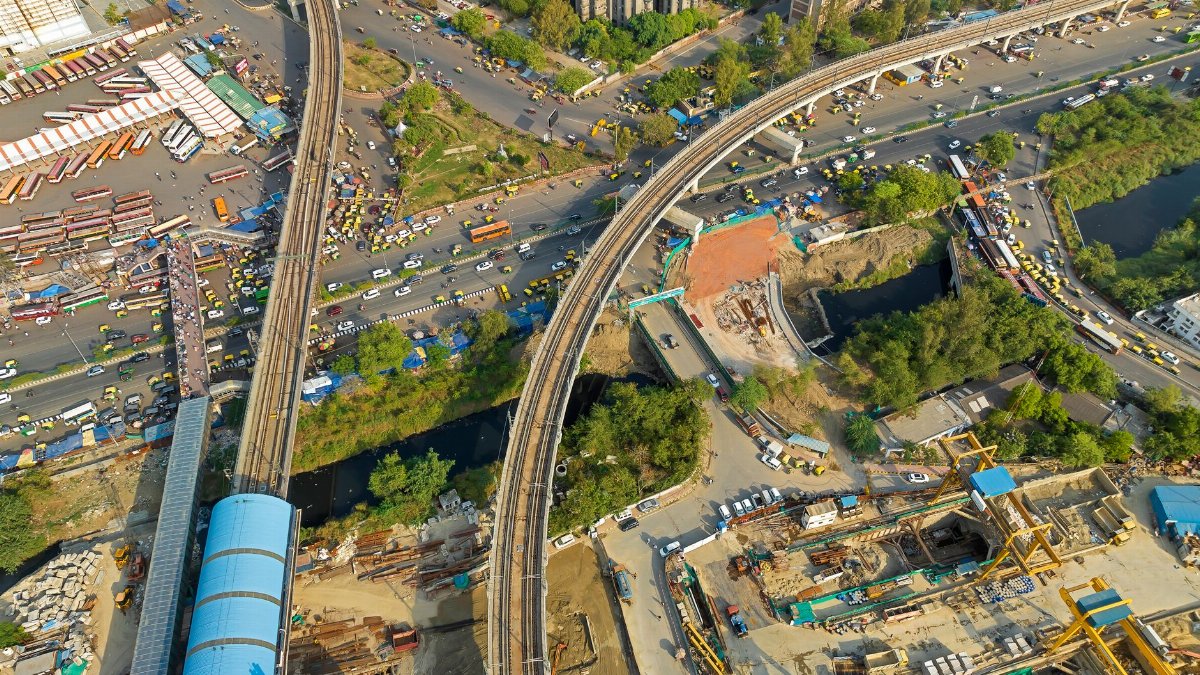
Roads and buildings require upgrades to reflect new climate realities. Reflective coatings on pavement and expanded tree canopies along sidewalks form core recommendations from engineers involved in the planning process. Such measures aim to lower surface temperatures in dense areas where concrete retains warmth long after sunset.
Health Impacts on Vulnerable Populations
Medical professionals report rising cases of heat related illness among older adults and outdoor workers. Clinics prepare additional staff and supplies each season, while outreach teams deliver water and education in multiple languages to ensure broad access. Data from recent years shows these groups bear a disproportionate share of emergency visits tied to high temperatures.
Role of Local Government Policies
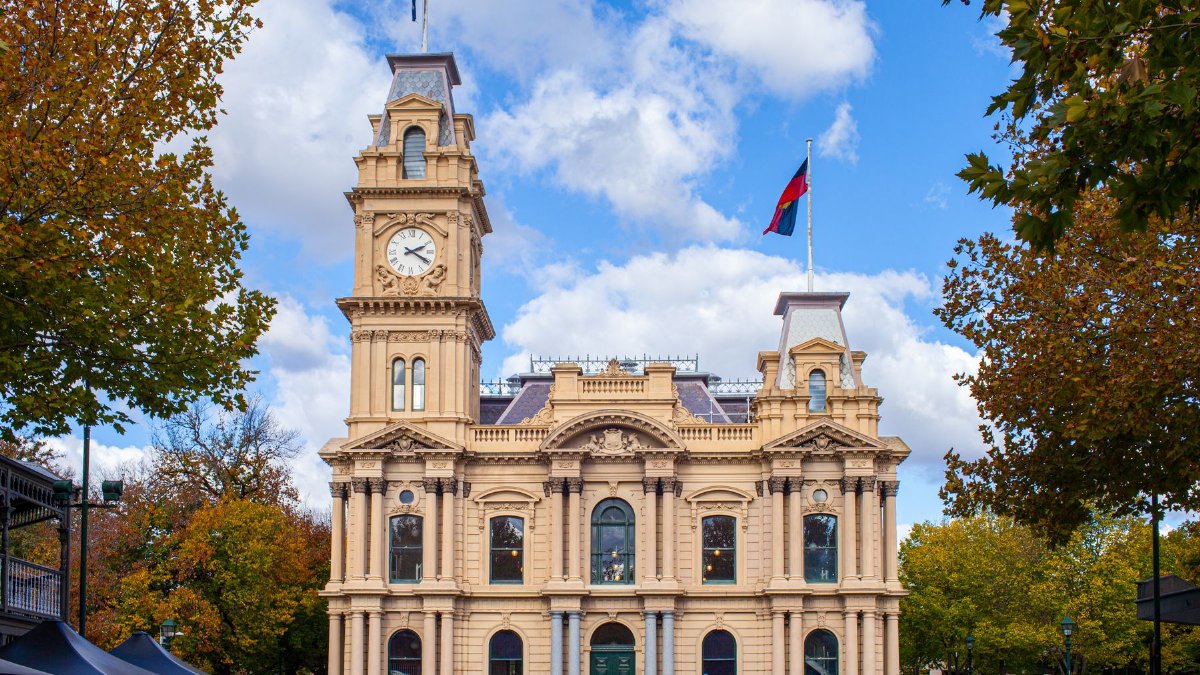
City councils review building codes and zoning rules to encourage designs that promote airflow and shade. Officials allocate funds for public parks with misting stations and extend library hours as informal cooling spots. These policy shifts reflect input from residents who attend hearings and voice practical concerns about affordability and access.
Innovative Cooling Technologies

Researchers test materials that absorb less heat and systems that use less energy for air circulation. Pilot projects in several neighborhoods demonstrate how reflective roofing and advanced ventilation can ease indoor conditions without raising utility costs for families. Partnerships with universities help refine these approaches for wider use.
Water Conservation Strategies
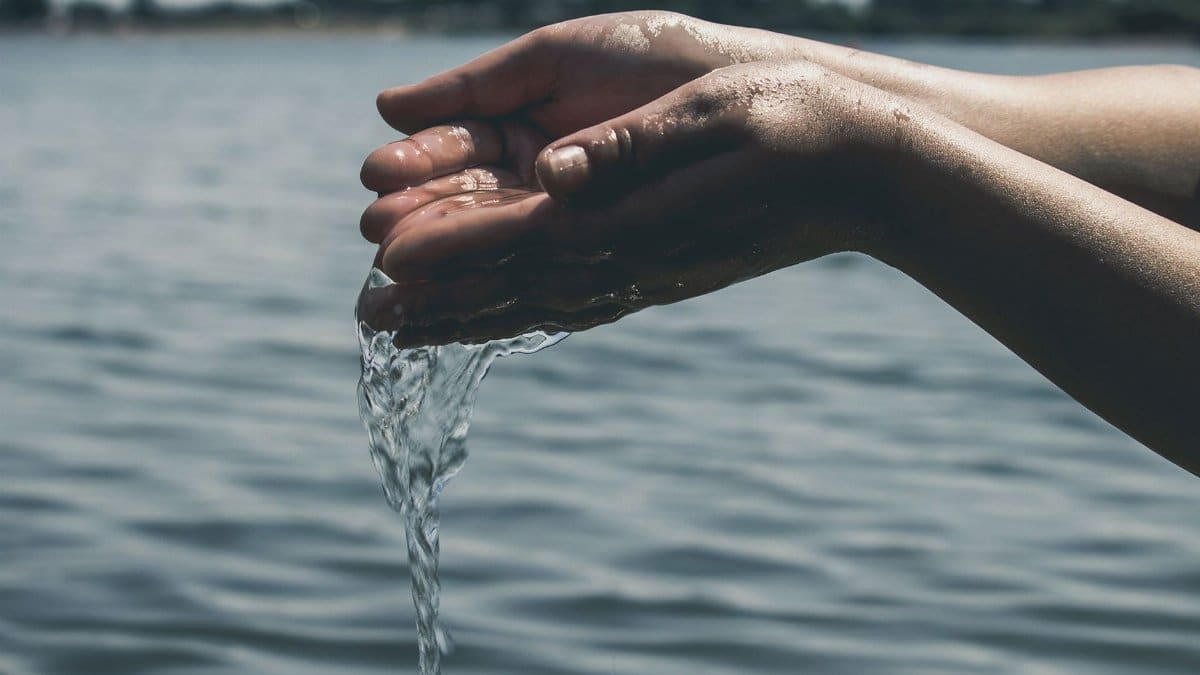
Limited supplies demand careful management alongside temperature control measures. Planners integrate drought resistant landscaping with shade structures to reduce evaporation while maintaining green spaces that cool surroundings. Workshops teach homeowners simple techniques to balance plant needs with overall resource limits.
Public Awareness Campaigns

Media outlets and schools spread information on recognizing early signs of heat stress and taking timely precautions. Simple messages about hydration and timing outdoor activities reach diverse audiences through radio spots and community events. Feedback from participants guides refinements to make guidance more actionable each year.
Future Projections and Planning

Models indicate continued rises in average temperatures that will test current systems. Conference attendees will review long term scenarios and prioritize flexible strategies that can adjust as conditions evolve. This forward focus seeks to protect both people and essential services from mounting pressures. Arizona extreme heat solutions also appear in talks about regional cooperation that extends beyond state lines. Additional mentions of Arizona extreme heat solutions surface when participants compare notes with experts from other hot climates. The phrase Arizona extreme heat solutions captures the shared goal of practical, lasting measures discussed throughout the event.