
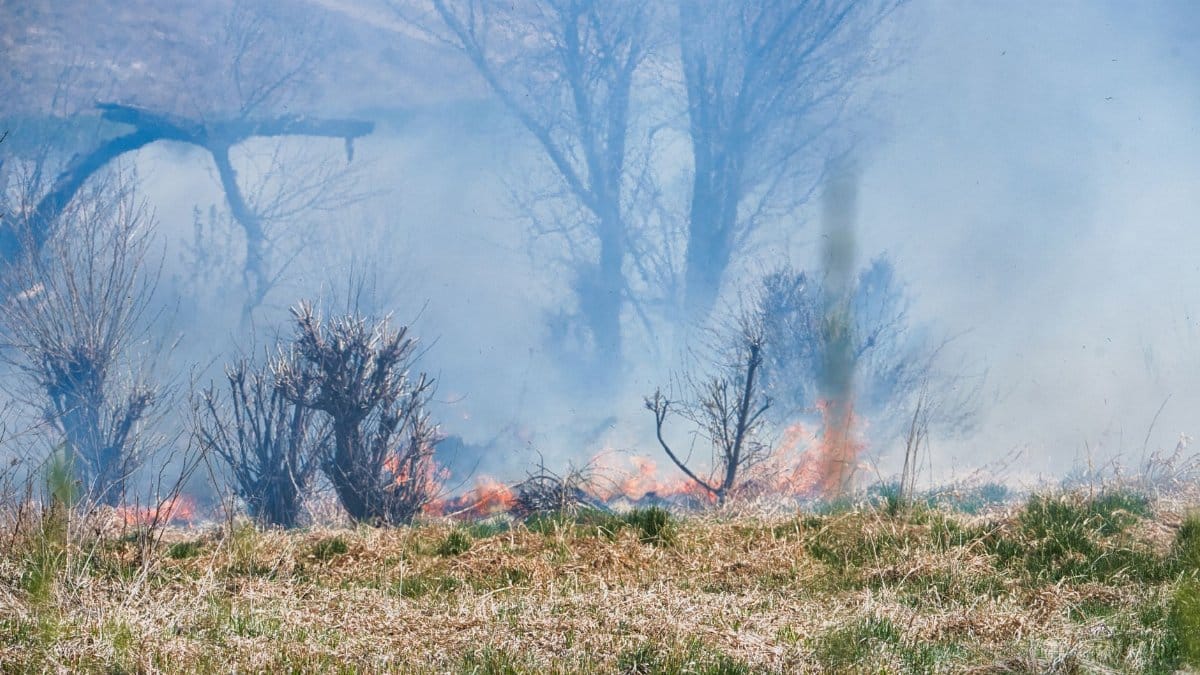
Smoke from wildfires creeping across the wetlands west of Miami prompted federal officials to relocate immigrants held at a detention site, drawing fresh attention to safety protocols at the facility. The move came amid dry conditions and shifting winds that sent plumes toward populated areas, raising questions about air quality and emergency planning for those in custody. In this instance the Krome Detention Center Brush Fires Evacuation unfolded with little public notice at first yet soon illustrated broader challenges facing immigration enforcement in South Florida.
Setting of the Incident

The facility sits on the edge of the Everglades where tall grass and scrub can ignite quickly during the winter months. Officials monitored several small blazes that began on nearby state land before flames edged closer to perimeter fencing. Air monitors recorded rising particulate levels prompting the decision to transfer residents to other centers farther east.
Sequence of the Relocation

Transfers began in the early morning hours with buses departing under police escort. Each vehicle carried a small group accompanied by medical staff to address any immediate health needs. The process continued through the afternoon until the population had been redistributed among three other sites in the region.
Conditions Inside the Facility

Detainees described limited outdoor time even on ordinary days because of the remote location. When smoke filtered through ventilation systems many reported irritated eyes and breathing discomfort. Staff distributed masks yet some units lacked enough supplies for everyone present.
Role of Local Fire Agencies

Miami Dade fire crews worked alongside state forestry teams to contain the blazes. Helicopters dropped water on hot spots while ground units created firebreaks using existing roads and canals. Officials credited the quick response with preventing direct damage to the detention compound itself.
Air Quality Concerns for Nearby Residents
Communities downwind from the fires also faced hazy skies and school outdoor activity cancellations. Environmental monitors posted alerts through the county website urging sensitive groups to remain indoors. The episode renewed calls for better coordination between federal facilities and local health departments during wildfire season.
History of the Site

Opened decades ago as a processing center the location has long served as a hub for immigration cases in the southeastern United States. Over time it has drawn scrutiny from advocacy groups over crowding and medical care. Recent upgrades included improved ventilation yet critics argue more remains to be done.
Impact on Families and Legal Cases

The sudden moves disrupted scheduled court appearances and attorney visits for some individuals. Relatives who had planned in person meetings learned of the changes only after attempting to reach the original site. Case workers scrambled to update contact information across multiple jurisdictions.
Agency Statements on Safety

Immigration and Customs Enforcement released a brief statement confirming the transfers were precautionary. Spokespeople emphasized that all moves followed established emergency guidelines. They added that no injuries occurred during the operation.
Environmental Factors at Play

Prolonged dry weather combined with invasive plant species has increased fuel loads across the region. Experts note that such conditions are likely to recur as climate patterns shift. Land managers continue prescribed burns in an effort to reduce larger uncontrolled events.
Reactions from Advocacy Groups

Organizations focused on immigrant welfare questioned whether evacuation plans adequately account for vulnerable populations including those with chronic illnesses. They requested more transparent reporting on future incidents. Several groups plan to submit formal inquiries to federal oversight offices.
Comparison With Past Events

Similar relocations have occurred at other facilities during hurricanes and flooding yet wildfire driven moves remain less common in Florida records. The recent action therefore stands out as a test of interagency communication under a different type of threat.
Future Preparedness Measures

County emergency planners have scheduled meetings with federal partners to review lessons from the episode. Proposals include additional air filtration units and pre arranged transport contracts. Discussions also cover public notification systems that could reach families more rapidly.
Broader Context of Detention Practices
The incident arrives amid ongoing national debates over detention capacity and alternatives to custody. Lawmakers in Washington have requested data on emergency procedures at all sites nationwide. Observers expect renewed legislative attention in the coming months.