

In communities from the Chesapeake Bay shores to suburban neighborhoods, families have voiced growing unease over invisible pollutants that linger in water and soil for decades. Lawmakers responded with the PFAS bill Maryland, yet observers note the measure stops short of the firm caps many had anticipated. The legislation attempts to track and reduce certain industrial compounds, but its language leaves room for continued use in key sectors. This shortfall has prompted environmental advocates to question whether the effort truly protects public health or merely creates an appearance of action. Residents who rely on local wells describe years of uncertainty, while businesses weigh compliance costs against operational needs. The discussion reveals broader tensions between regulation and economic priorities in a state balancing growth with legacy pollution concerns.
Origins of Concern Over Persistent Compounds
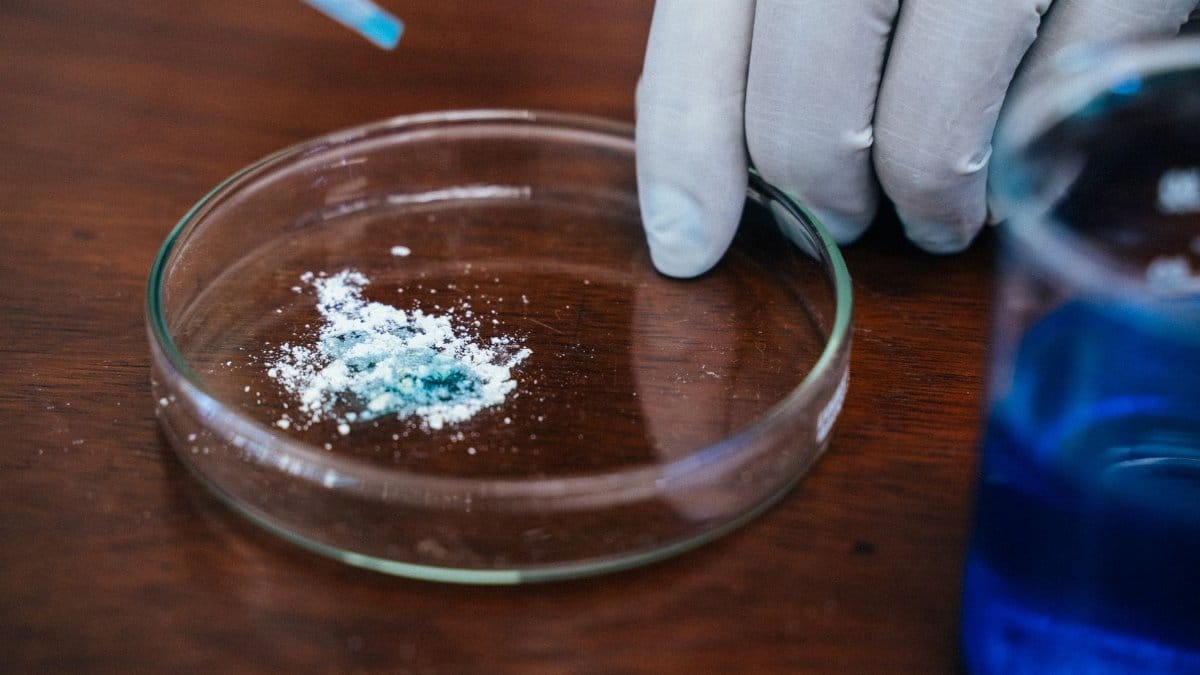
PFAS substances earned their reputation through widespread application in firefighting foams, nonstick coatings and waterproof fabrics. Their resistance to breakdown means traces appear in groundwater long after initial release. Maryland officials began monitoring these chemicals more closely after federal reports highlighted elevated levels near military sites and manufacturing zones. Early tests prompted calls for tighter oversight, setting the stage for the current proposal.
Core Provisions Within the Legislation

The measure requires manufacturers to report volumes of PFAS used in consumer goods sold statewide. It also directs agencies to develop guidance for wastewater treatment plants on handling contaminated sludge. Funding is allocated for expanded testing in public water systems, though the timeline stretches several years before full implementation. Enforcement relies on existing environmental statutes rather than new penalties specific to these compounds.
Shortcomings Highlighted by Advocacy Groups

Critics point out that the bill avoids outright bans on PFAS in most products, allowing continued importation and sale under notification rules. Without numeric thresholds for acceptable exposure, regulators lack clear benchmarks to demand reductions. Some analysts compare the approach to voluntary programs elsewhere that produced limited results. Community organizations argue this structure delays meaningful change while exposure continues.
Health Implications for Maryland Residents

Studies link prolonged contact with these compounds to immune system alterations and developmental issues in children. Rural areas with private wells face particular challenges because routine monitoring does not always include PFAS screening. Physicians in affected regions report increased patient questions about testing options, yet statewide medical guidance remains limited. Long term data collection could clarify patterns, but immediate relief measures are absent from the legislation.
Economic Pressures on Local Industries

Manufacturers of outdoor gear and electronics worry that reporting requirements will raise administrative burdens without corresponding federal standards. Small businesses lack resources to reformulate products quickly, potentially shifting market share to larger competitors. Agricultural operators using biosolids as fertilizer express uncertainty about future restrictions on land application. The bill offers technical assistance grants, yet the scale of support has drawn skepticism from trade associations.
Comparisons With Measures in Neighboring States

New York and New Jersey have advanced stricter disclosure combined with phased prohibitions on certain PFAS applications. Those frameworks include faster deadlines and dedicated enforcement staff. Maryland officials chose a more measured path, citing the need for additional research before imposing limits. This difference leaves open the possibility that contaminated goods could enter the state from jurisdictions with weaker rules.
Role of Federal Standards in State Decisions
Ongoing Environmental Protection Agency reviews of drinking water thresholds influence how aggressively states act. Maryland chose to proceed with its own reporting system while awaiting national clarity. This sequencing avoids conflict with future federal rules but also postpones decisive local action. Lawmakers have signaled willingness to revisit the statute once federal benchmarks emerge.
Community Voices and Local Testing Efforts

Volunteer groups have organized sampling events in counties near former industrial sites, sharing results through public meetings. These initiatives fill gaps left by official programs and build pressure for stronger policy. Participants describe frustration with the slow pace of legislative change relative to the persistence of the contaminants. Their data often informs advocacy campaigns aimed at amending the current bill.
Potential Pathways for Strengthening Oversight

Amendments could introduce mandatory phase outs for high risk uses such as food packaging or firefighting foams. Expanded liability provisions might encourage faster voluntary reductions by producers. Partnerships with universities could accelerate development of treatment technologies suited to Maryland watersheds. Such adjustments would require renewed legislative attention in upcoming sessions.
Outlook for Policy Refinement

Supporters of the existing framework emphasize incremental progress and the value of baseline data collection. Detractors maintain that only binding limits will drive innovation away from these compounds. The coming years will test whether reporting alone suffices or whether additional mandates become necessary to address accumulated contamination. Continued public engagement will likely shape any revisions.