
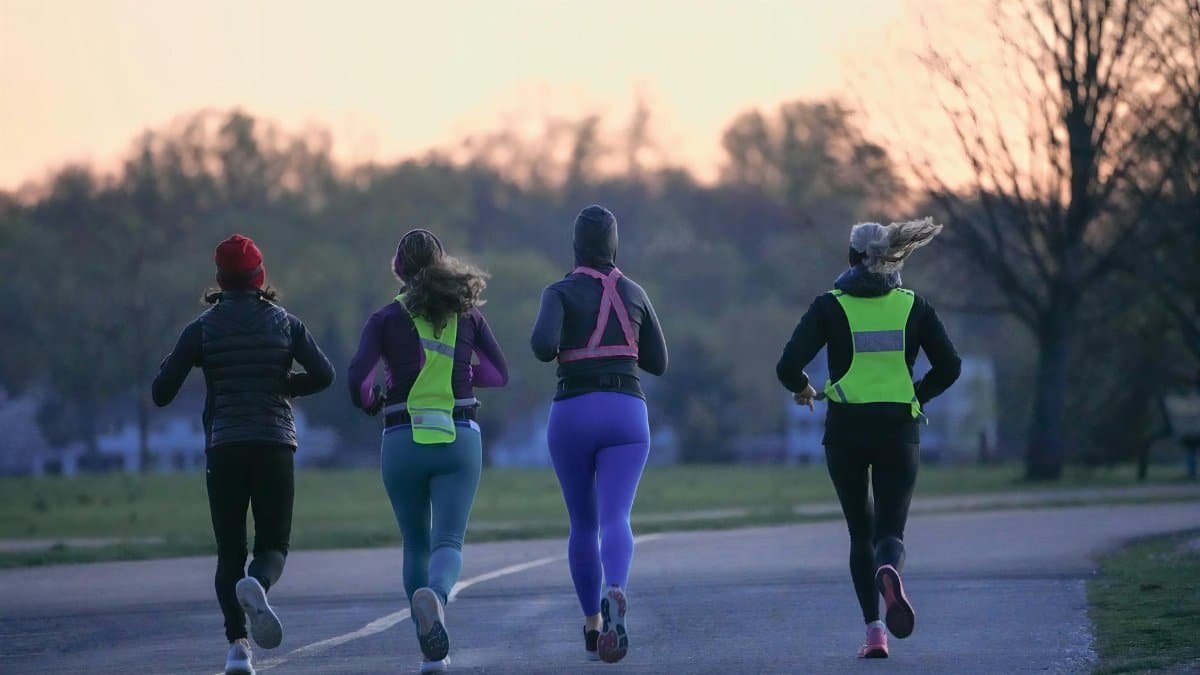
In the early light of a Minnesota dawn runners gather at the edge of Lake Harriet. They range from college students tapping away at their phones to middle aged professionals adjusting their shoes. Laughter mixes with the sound of geese overhead as they prepare for a casual group run. This is not about beating personal records or crossing finish lines first. Instead these participants seek connection and a sense of peace through movement. Such scenes are becoming increasingly common across the state illustrating the running resurgence Minnesota. Fueled by Gen Z and women this movement places emphasis on inclusion shared experience and personal wellbeing rather than intense competition.
Younger Runners Embrace a New Path
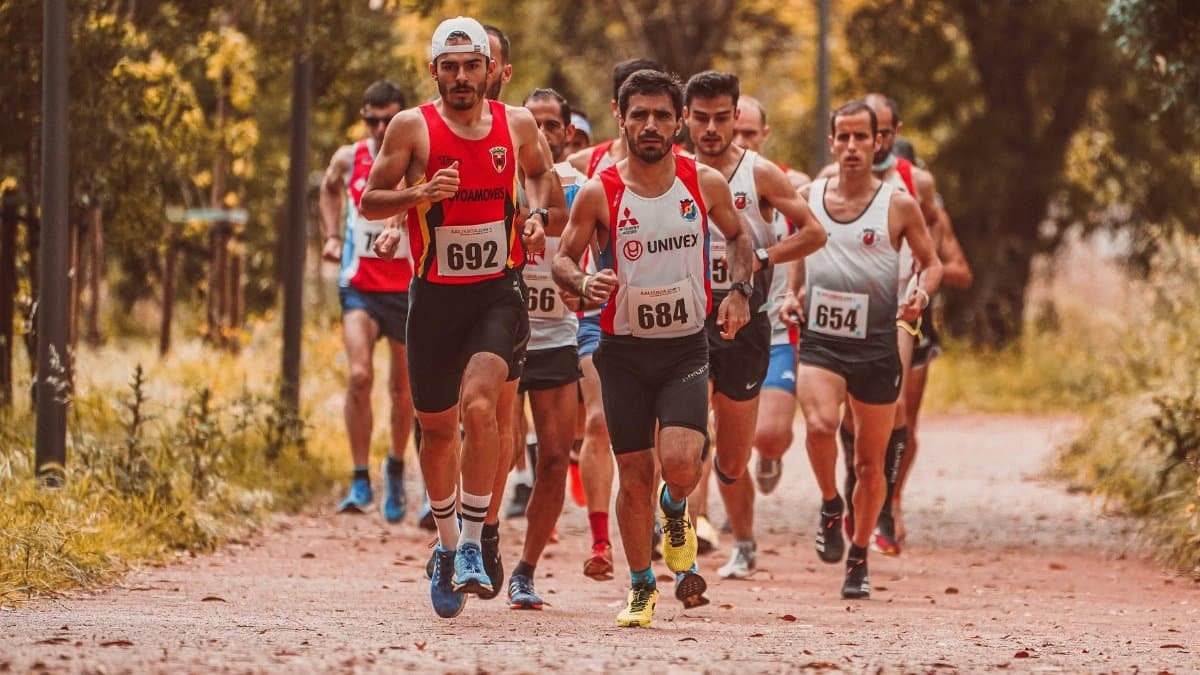
Generation Z has injected new energy into running across the state. Many in their late teens and early twenties turned to the sport after periods of isolation during the pandemic. They seek more than physical fitness. For them running offers a chance to step away from screens and reconnect with their bodies and others in real time. Local running clubs report that participation among those under twenty five has risen sharply with some groups seeing doubled attendance at weekly events.
These younger runners often blend their love of music podcasts and casual conversation into their routines. They organize themed runs that feel more like social gatherings than training sessions. This relaxed approach has drawn in people who previously felt unwelcome in traditional athletic spaces. The focus remains on consistency and enjoyment which helps sustain long term involvement.
Women Taking Charge on the Trails
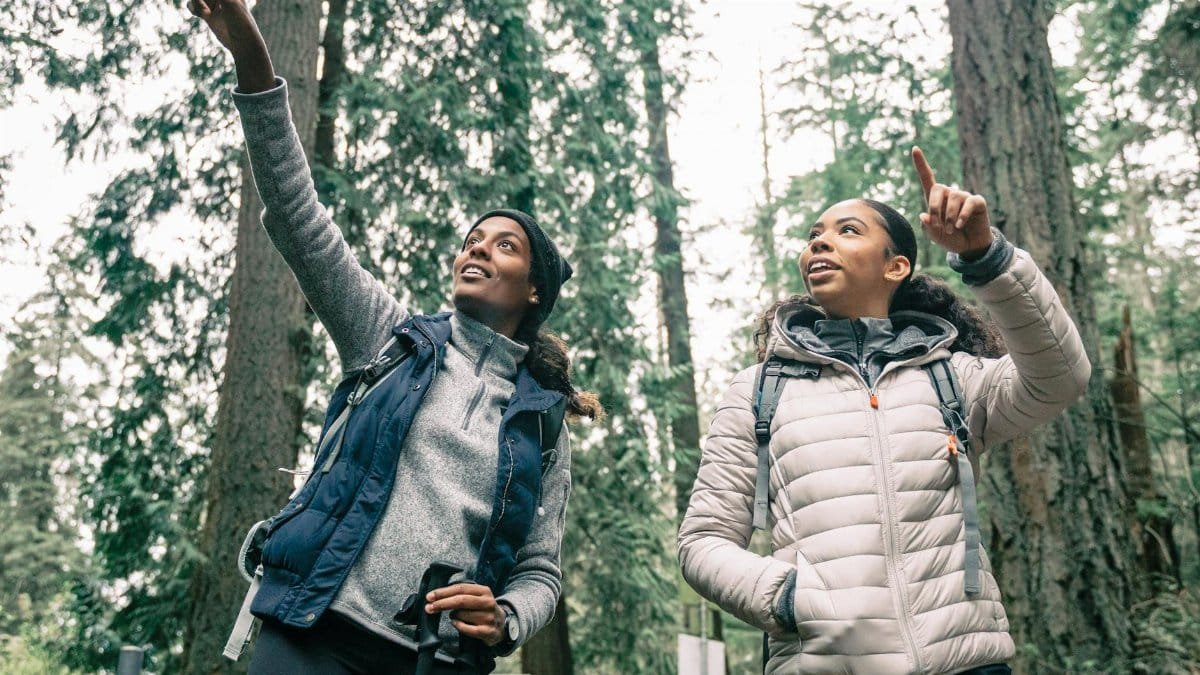
Women of all ages have become central to the running resurgence Minnesota. From busy mothers to professionals in their forties and fifties female runners now make up a growing majority in many community groups. They appreciate the freedom to move at their own pace without the pressure of competition. Many describe running as a form of self care that supports both physical health and emotional balance.
Group runs provide safety in numbers and create spaces where women feel empowered to share stories and encouragement. Some participants who began running only a few years ago now lead their own informal clubs. Their influence has shifted the culture making events more welcoming and less focused on speed. This change reflects broader desires for fitness that fits into real lives rather than demanding total devotion to performance.
A Shift from Competition to Camaraderie
The running resurgence Minnesota stands out for its move away from traditional race culture. While marathons still attract dedicated athletes many newcomers prefer relaxed group runs and virtual challenges. Organizers have responded by creating events that celebrate participation over podium finishes. These gatherings often end with coffee conversations or picnics allowing bonds to form beyond the activity itself.
This emphasis on community addresses a deep need for connection in an increasingly fragmented world. Runners report feeling less alone when they share miles with others who understand the ups and downs of maintaining an active lifestyle. The result is a more sustainable form of fitness that people return to week after week not out of obligation but because it enriches their lives.
The Unique Allure of Minnesota Landscapes

Minnesota trails and lakes provide a natural backdrop that enhances the appeal of running. Paths around the Twin Cities and through state parks offer changing scenery with each season. Runners describe how the sight of fall colors or fresh snow transforms an ordinary workout into something memorable. This connection to the outdoors adds a restorative quality that many find hard to replicate indoors.
Even suburban neighborhoods have seen an increase in foot traffic as residents discover routes close to home. The accessibility of green spaces throughout the region has helped fuel participation among those with limited time or resources. These landscapes serve as more than scenery. They become partners in the experience inviting runners to notice their surroundings and stay present.
Running as a Spiritual Practice
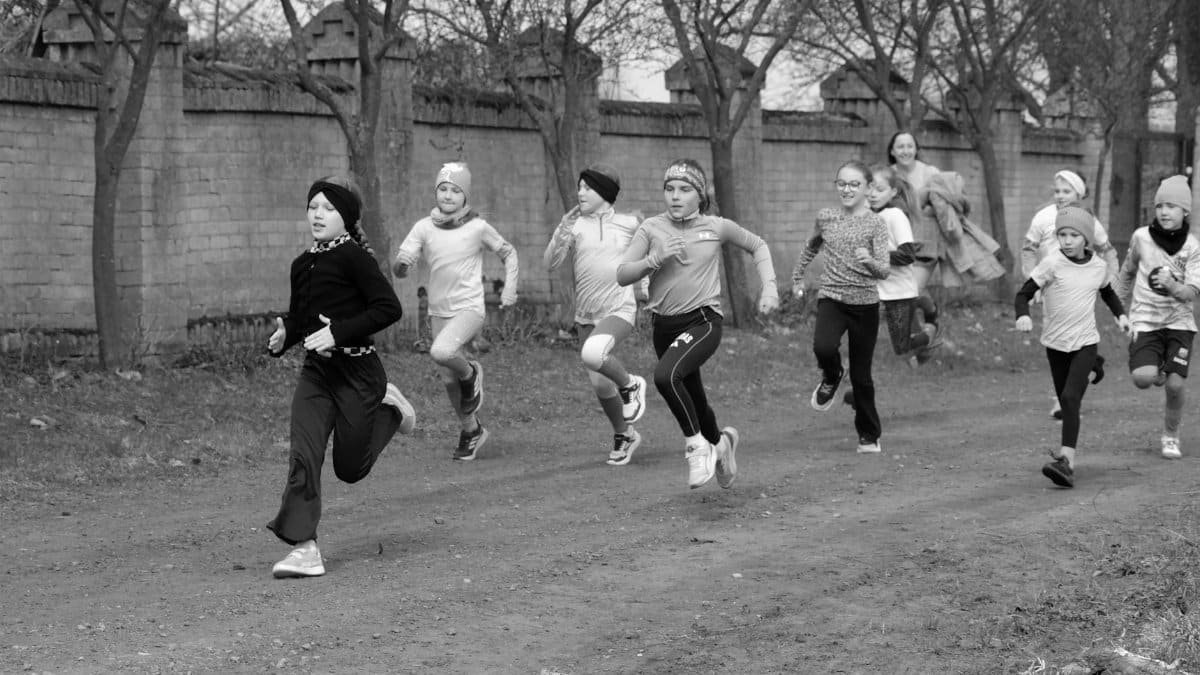
For many the simple act of putting one foot in front of the other has taken on deeper meaning. The running resurgence Minnesota includes a strong current of mindfulness and spiritual awareness. Runners speak of entering a meditative state during longer efforts where thoughts settle and clarity emerges. Some use their time on the trail for prayer reflection or simply to feel part of something larger than themselves.
This spiritual dimension resonates particularly with those seeking balance in hectic lives. Group runs sometimes incorporate moments of silence or end with brief discussions about gratitude and resilience. The combination of physical effort fresh air and community creates conditions for genuine introspection. In this way running becomes less like exercise and more like a moving form of contemplation that nourishes both body and spirit.
How Local Organizations Are Responding

Running clubs nonprofits and even some employers have taken notice of these shifts. Organizations throughout the state now offer beginner friendly programs designed specifically for women and younger adults. They focus on building confidence rather than chasing times. Several groups have partnered with mental health advocates to highlight the emotional benefits of regular running.
Events that once targeted serious competitors have broadened their scope to welcome all abilities. Coaching has evolved too with instructors learning to emphasize encouragement and injury prevention over aggressive goal setting. These adaptations have helped sustain momentum and ensure the running resurgence Minnesota remains inclusive as it grows. The Star Tribune has documented much of this evolution in its reporting on local fitness trends.
Facing the Seasons with Determination

Minnesota weather presents real tests for runners yet many view the challenges as part of the reward. Winter runs in particular build mental toughness and appreciation for warmer months. Dedicated groups meet regardless of temperature organizing safety protocols and shared transportation to trailheads. Their persistence proves that commitment can overcome even harsh conditions.
Spring thaws bring renewed excitement as paths reopen and daylight extends. Runners describe a sense of renewal that mirrors the changing seasons. This ability to adapt has strengthened the community and attracted people who value resilience. The seasonal cycle adds rhythm and anticipation to the sport keeping participants engaged year round.
Hearing Directly from Participants
Personal stories reveal the true impact of these changes. Sarah Thompson a teacher in her thirties began running with a neighborhood group two years ago. She credits the experience with improving her mood and providing friendships she had been missing. Meanwhile college student Marcus Lee says joining a Gen Z focused running collective helped him manage anxiety and feel rooted in his community.
These accounts repeat across the state. Runners consistently mention improved sleep better focus and a greater sense of belonging. Their words paint a picture of a movement that touches lives in quiet but meaningful ways. The collective testimony suggests that the running resurgence Minnesota addresses needs that go far beyond physical fitness.
What This Means for the Future of Fitness
The patterns emerging in Minnesota may signal larger changes in how Americans approach exercise. As Gen Z and women continue to shape the culture the focus on community accessibility and holistic wellbeing seems likely to expand. Traditional gyms and competitive leagues will adapt or risk losing relevance. Meanwhile running offers a low barrier entry point that welcomes diverse participants.
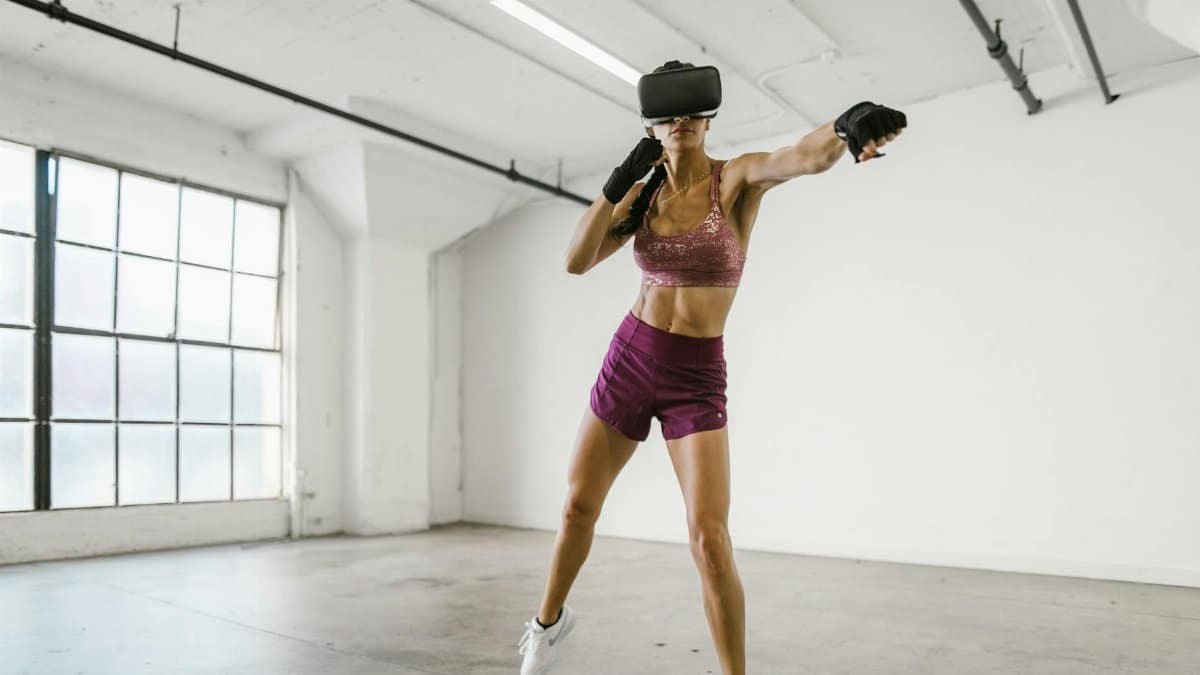
Experts anticipate further integration of technology such as apps that connect runners with similar goals or interests. Yet the heart of the movement remains human connection and time spent outdoors. If current trends continue the running resurgence Minnesota could inspire similar shifts in other regions creating networks of runners who value presence over performance. The coming years will reveal how deeply these values take root.