

In a sunlit pediatric office in suburban Chicago, a first time mother watches as the doctor plots her infant sons measurements on a familiar grid of curving lines. The conversation focuses on percentiles and trajectories rather than the contented babbling coming from the exam table. Moments like these, repeated countless times each day across the United States, have begun to reveal an unexpected consequence of routine medical monitoring. What experts now describe as growth charts anxiety can quietly take hold in parents minds, potentially laying groundwork for body image concerns that extend far beyond childhood.
The Everyday Reality of Medical Measurement

Pediatric visits have long centered on tracking height weight and head circumference. These data points offer valuable information about development yet they also transform natural variations into points of comparison. Parents receive numbers that rank their children against a standardized population sample. For many this information sparks immediate concern even when physicians insist the child falls within healthy parameters. The anxiety often stems less from actual health issues and more from the implication that deviation from the middle carries significance.
Modern parenting culture amplifies this effect. Social media feeds overflow with images of babies hitting impressive milestones while online forums buzz with discussions of percentile rankings. What begins as a simple medical tool evolves into a measuring stick for parental success. This shift happens so gradually that many families fail to notice how central these charts have become to their emotional experience of raising children.
Tracing the History of Growth Assessment Tools

Growth charts emerged in the early twentieth century as physicians sought systematic ways to monitor child development amid industrialization and changing nutrition patterns. What started as observational aids gradually transformed into rigid benchmarks that define normalcy with increasing precision. By the late twentieth century these charts had become embedded in pediatric practice worldwide.
Yet the standardization that makes these tools useful also creates artificial boundaries. Not every child follows a smooth curve. Growth often occurs in bursts followed by periods of relative stability. When parents see lines on paper that suggest their child has fallen in rank they frequently experience distress regardless of whether any medical problem exists. This pattern reveals how growth charts anxiety operates independently of actual health concerns.
When Parental Concern Crosses Into Obsession

The transition from healthy awareness to persistent worry often happens without clear warning signs. Parents may begin weighing their infants at home between medical visits or tracking measurements with smartphone applications. Feeding decisions become driven by fears of dropping percentiles rather than by the childs apparent hunger cues or satisfaction. Sleep schedules bend to accommodate demands for frequent weighing.
This hypervigilance rarely improves outcomes but it reliably increases stress within the household. The parent child relationship can become mediated through data points rather than direct emotional connection. Mealtimes lose their natural rhythm as adults fixate on caloric intake and projected growth trajectories. Children sense this tension even before they develop language to describe it.
How Early Experiences Shape Lifelong Body Perception
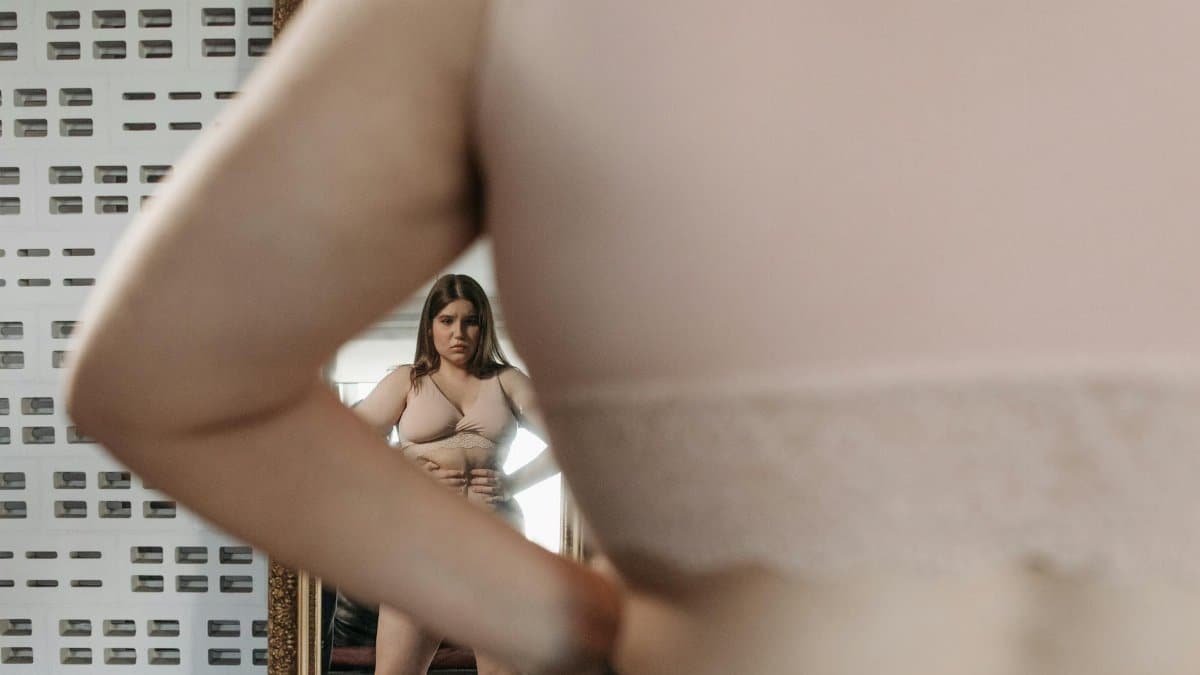
Research suggests that body image formation begins remarkably early in life. Infants absorb emotional cues from caregivers about physicality and worth. When parents display visible anxiety around weight and size children internalize messages about bodily acceptability. These impressions form templates that influence self perception for decades afterward.
Developmental psychologists have documented connections between early feeding dynamics and later eating patterns. Children who experience pressured feeding or frequent monitoring may develop conflicted relationships with food and their own bodies. The growth charts anxiety that parents feel transmits subtly through tone of voice facial expressions and the emotional climate surrounding meals and medical visits.
The Spiritual Dimension of Body Acceptance

Within spiritual traditions across cultures the body represents a sacred vessel rather than a performance metric. Many faith practices emphasize gratitude for natural diversity and trust in innate developmental wisdom. Yet contemporary parenting often pulls in the opposite direction creating conflict between spiritual values and medicalized approaches to child rearing.
Mindful parenting approaches drawn from contemplative traditions offer alternative frameworks. These methods encourage presence with the child as they are rather than as projected data points suggest they should be. Spiritual perspectives remind us that human worth transcends any charted measurement. Cultivating this awareness requires intentional effort in a culture obsessed with quantification and comparison.
Real Stories From Families Navigating These Pressures

Emily Rodriguez remembers crying in her car after a four month visit during which her daughters weight percentile had dropped. The doctor expressed no concern yet the numbers haunted her for weeks. She later realized her own history of disordered eating had colored every interaction with those charts.
Similar accounts emerge from parents across demographic groups. Fathers report feeling judged for their childrens size in ways that challenge traditional notions of providing. Single parents describe additional layers of scrutiny during medical visits. What unites these experiences is the way abstract percentiles become emotionally charged symbols that overshadow the living breathing reality of the child before them.
What Current Research Actually Reveals

Studies examining the psychological impact of growth monitoring remain limited but emerging evidence suggests cause for reflection. Investigations published in child development journals indicate that parental anxiety around these metrics correlates with increased stress levels and altered feeding practices. One analysis following families over several years found associations between early monitoring intensity and childrens later self reported body satisfaction.
Importantly the research distinguishes between necessary medical surveillance and the emotional burden that can accompany it. Growth charts anxiety appears most pronounced in communities with high access to information and low tolerance for uncertainty. This finding points toward cultural factors as much as medical ones. The solution may involve changing how information gets presented rather than abandoning useful tools entirely.
Alternative Approaches to Supporting Healthy Development

Some pediatric practices have begun experimenting with different ways of discussing growth. Instead of emphasizing percentiles they focus on individual trajectories and overall wellbeing indicators. Conversations highlight sleep quality mood feeding enjoyment and developmental milestones that resist easy quantification.
Other practitioners incorporate questions about parental anxiety directly into visits. This acknowledges the emotional dimensions of child rearing rather than pretending they do not exist. Such approaches help normalize the worry many adults feel while gently redirecting focus toward relationship based indicators of thriving.
Practical Steps for Cultivating Body Confidence

Parents can take concrete measures to mitigate growth charts anxiety while still attending to medical recommendations. First they might limit additional weighing outside scheduled medical appointments. Second they can practice describing their childrens bodies in terms of function and capability rather than size. Comments like what strong legs you have for climbing replace observations about chubbiness or thinness.
Creating regular opportunities for joyful movement unrelated to appearance builds positive associations. Meal times become occasions for connection rather than control. Perhaps most importantly adults can examine their own relationships with body image and seek support if necessary. Children learn more from observed behavior than from deliberate instruction.
Redefining What Healthy Growth Really Means

True health encompasses far more than position on a chart. It includes emotional security curiosity social connection and the mysterious unfolding of individual temperament. When society reduces children to data points something essential gets lost in translation. The spiritual traditions that have sustained human communities for millennia remind us that each person arrives with inherent dignity independent of measurements.
Pediatricians and parents together might develop more balanced approaches that honor both medical knowledge and human complexity. This would require greater tolerance for natural diversity and less emphasis on averages that rarely describe any particular child perfectly. Growth charts anxiety diminishes when adults remember that children are not projects to optimize but relationships to nurture.
The path forward involves both practical changes in medical communication and deeper cultural shifts in how society views bodies across the lifespan. By addressing these patterns early we might spare future generations some of the body related suffering that has become so common. The babies currently being measured deserve to grow up knowing their worth extends far beyond any line on a chart.