

In homes across Massachusetts, conversations about the future are taking on a new urgency. Parents who once encouraged their children to pursue advanced degrees are now confronting the reality of impending federal student loan caps. These caps, scheduled to begin in July 2026, promise to reshape the landscape of higher education in the state by limiting how much graduate students can borrow. For a commonwealth that prides itself on world class institutions, the potential fallout is significant. Experts predict that programs in medicine, law, education and public health could see sharp declines in enrollment as aspiring professionals struggle to bridge the financial gap. The policy stems from a desire to control the national student debt crisis that has surpassed 1.7 trillion dollars. Yet in practice it may close doors for many who view graduate education as essential to their career goals. For middle aged families who have invested heavily in undergraduate education the additional burden feels particularly acute.
What The New Limits Actually Mean

The forthcoming student loan caps will fundamentally alter how federal funding supports graduate education. Rather than allowing students to borrow the full cost of tuition fees and living expenses the government will impose ceilings based on program category and projected post graduation earnings. Degrees in high demand fields like nursing or engineering may retain higher limits while those in the humanities or social sciences could face severe restrictions. This tailored approach seeks to align borrowing with ability to repay.
A recent analysis suggests that such caps could reduce graduate enrollment by as much as 15 percent nationally with even higher figures in states like Massachusetts that host numerous expensive private institutions. The restrictions reflect growing frustration in Washington with unchecked student debt growth but they arrive at a moment when many mid career adults are considering returning to school to pivot into new fields.
How Massachusetts Colleges Are Preparing
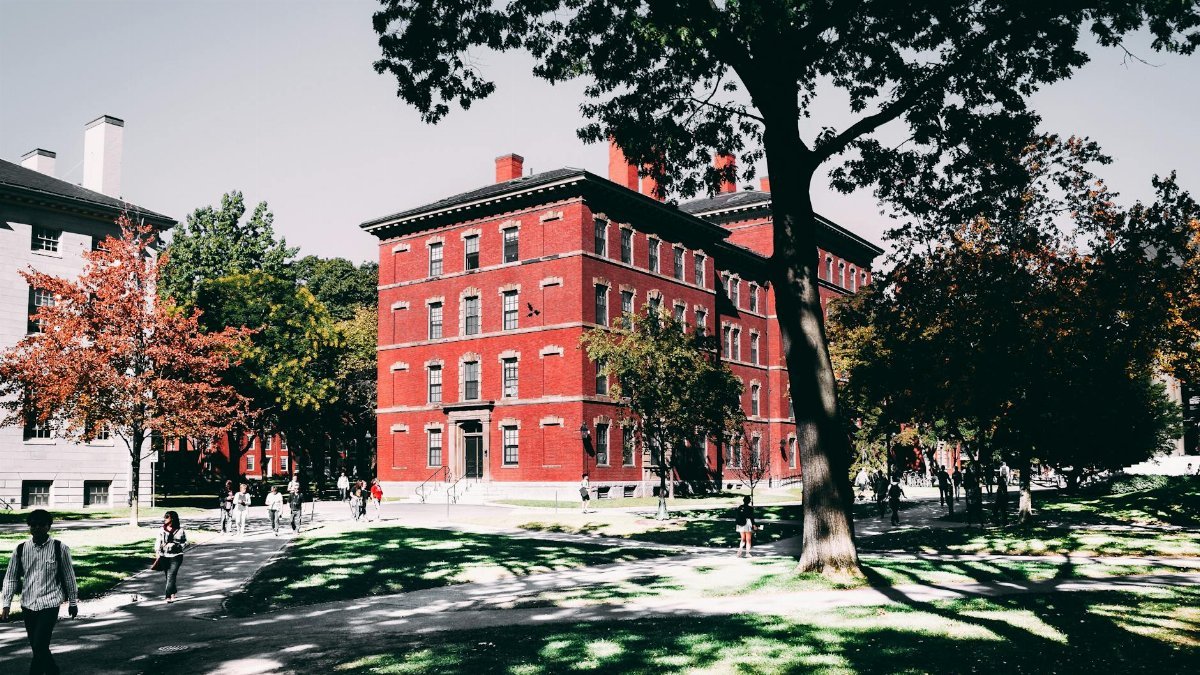
Administrators at institutions from Amherst to Worcester are scrambling to assess the impact. Some schools are considering increasing institutional aid packages though budgets are already stretched. Others are looking at shortening program durations or offering more online options to reduce costs. At the University of Massachusetts system leaders have begun discussions about partnering with employers to create sponsorship programs for graduate students.
The fear is that without swift adaptation many programs could become accessible only to the wealthy. This shift would undermine the diversity that has enriched Massachusetts campuses for decades. Private universities in Boston are particularly anxious given their reliance on full paying graduate students to subsidize other parts of their operations.
Voices Of Aspiring Graduate Students

Sarah Thompson a 28 year old public health worker in Cambridge had planned to enroll in a masters program at Boston University this fall. With the new student loan caps she now wonders if the degree remains possible. Her current salary leaves little room for savings and her family cannot cover the difference. Stories like hers are becoming common as word of the caps spreads through professional networks.
Many prospective students in their 30s and 40s who finally feel ready to invest in further education after years in the workforce find themselves stalled. They speak of frustration at a system that encourages lifelong learning on one hand while restricting the primary tool that makes it feasible on the other. For these learners the policy feels like a sudden barrier to personal growth at the very moment they seek it.
Faculty Perspectives On The Changes

Professors across Massachusetts universities express deep concern about the quality of incoming classes. With fewer students able to afford enrollment some worry that programs will shrink in size and intellectual vitality. One Harvard faculty member noted that diverse cohorts bring essential perspectives from varied economic backgrounds. Losing that range could narrow the conversations that drive research and innovation.
Others point out that fields addressing social challenges such as education equity and mental health already struggle to attract enough practitioners. Further financial obstacles may worsen existing shortages in critical professions that serve the broader public good rather than deliver high salaries.
The Economic Stakes For The State

Massachusetts economy depends heavily on its educated workforce. The concentration of universities and research hospitals has long fueled innovation in biotechnology healthcare and technology. If graduate enrollment drops the pipeline of skilled professionals could thin with consequences that extend far beyond campus gates.
Local businesses that recruit from these programs are watching developments closely. Hospital systems in particular rely on nurses with advanced training and specialists who often finance their education through federal loans. A sustained decline in graduates might force employers to look elsewhere or offer higher salaries to attract candidates from other states further driving up regional costs.
The Politics Behind The Student Loan Caps

The caps emerged from bipartisan frustration with ballooning education debt though the specific design reflects current priorities in Congress. Supporters argue that unlimited borrowing encourages institutions to raise prices knowing students can access more money. They point to data showing that some graduate programs charge high tuition with limited evidence of improved career outcomes.
Critics counter that the policy applies a blunt instrument to a complex problem. They note that Massachusetts institutions often deliver strong returns on graduate education yet the caps fail to differentiate between programs with proven value and those with less clear benefits. The debate continues in Washington even as the July 2026 implementation date approaches.
Exploring Other Funding Options

With federal support curtailed students and institutions are examining alternatives. Some universities are expanding scholarship programs funded by alumni donations though competition for those dollars remains fierce. Others are exploring income share agreements where graduates repay a portion of future earnings rather than a fixed loan amount.
State lawmakers have floated proposals for targeted grants in fields facing workforce shortages. Community colleges are also expanding partnerships with four year institutions to create more affordable pathways to graduate study. None of these options can fully replace the scale of federal loan programs but they may soften the landing for some students.
Insights From Financial Aid Counselors

Financial aid offices across the state report an uptick in anxious inquiries. Counselors advise students to research programs carefully and consider part time options that allow them to continue working. Many recommend reaching out early to admissions offices to learn about available institutional support before the caps take effect.
One counselor at Tufts University emphasized the importance of clear communication. Families need to understand that while the landscape is changing creative planning can still open doors. She encourages students to view the challenge as an opportunity to align their education choices more closely with both passion and practicality.
The Broader Impact On American Education

What happens in Massachusetts will echo nationally. As a leader in graduate education the state often sets trends that influence policy and practice elsewhere. A significant contraction here could accelerate similar changes at universities from California to New York.
The situation also raises deeper questions about the role of government in supporting education beyond the undergraduate level. For a generation that watched previous cohorts graduate with heavy debt loads the current approach seeks to prevent future crises. Whether it does so without sacrificing opportunity remains the central tension.
Reflections On Opportunity And Responsibility

Beneath the statistics and policy details lie fundamental questions about what society owes its citizens and what individuals owe in return. Education has long served as a pathway toward purposeful contribution whether through healing teaching innovating or serving communities. When financial barriers rise too high that pathway narrows for many who feel called to these vocations.
Middle aged Americans who remember a time when graduate school seemed more accessible may feel particular unease watching these shifts. The conversation about student loan caps ultimately points toward larger choices about investment in human potential. How the nation balances fiscal prudence with educational access will shape not only individual lives but the collective capacity to meet tomorrow challenges. As Massachusetts institutions adapt and students recalibrate their plans the outcomes will reveal much about our priorities in the years ahead.