
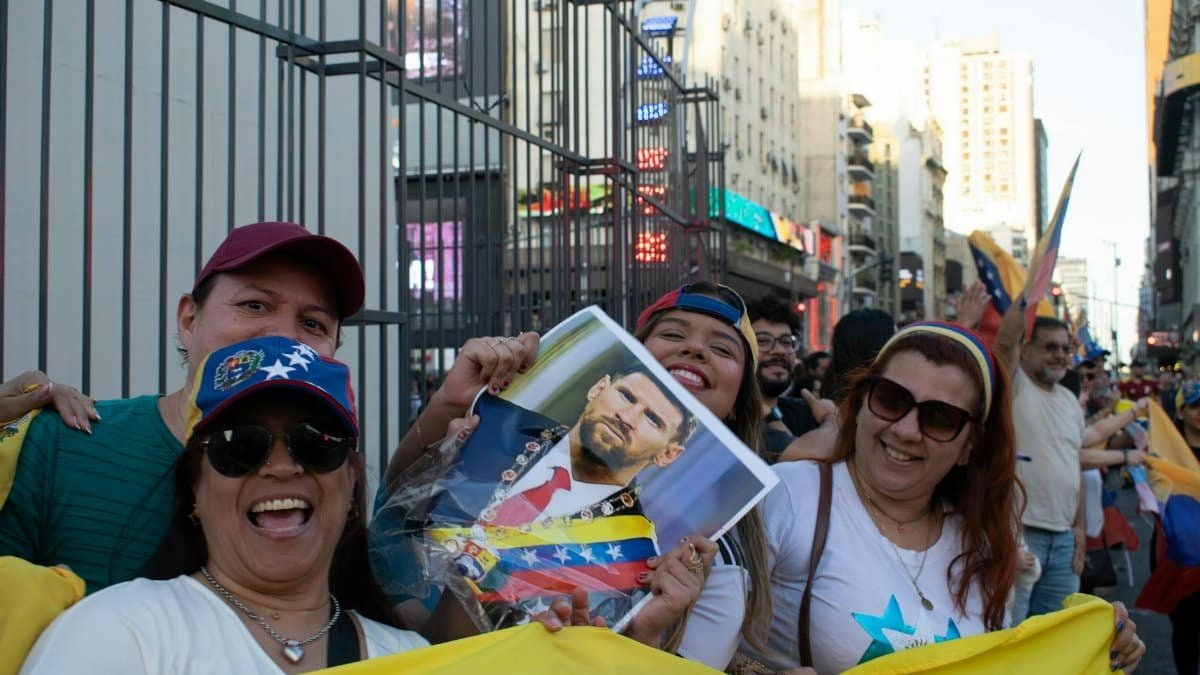
In the shadow of Mount Avila a Venezuelan mother named Ana Torres embarked on a journey that would test the very limits of human endurance. Every morning she would arrive at the gates of various detention centers clutching a picture of her son Luis a young man whose only crime appeared to be his outspoken criticism of the government. Her pleas for information were met with indifference or outright hostility. It was during this period that the reality of Venezuela concealed death slowly began to emerge as authorities had hidden the passing of her son for more than nine months while she continued her frantic search.
A Mother’s Unbreakable Bond

Ana Torres refused to surrender to the silence that enveloped her inquiries. From one government office to another she carried documents and photographs documenting her son’s disappearance. Neighbors described her as a quiet woman of deep conviction who attended Mass regularly and found solace in prayer when official channels offered nothing. Her determination reflected something larger than a single family’s grief. It spoke to the universal impulse to protect one’s children even when the state itself becomes the threat.
Those who know Ana say her faith provided the foundation for her persistence. She would often spend evenings in a small Caracas chapel lighting candles and whispering the same question. Where is my son? This personal crusade would eventually force authorities to confront the consequences of their deception.
The Arrest That Changed Everything
Luis Torres was detained in late 2023 during a routine traffic stop that quickly escalated. Witnesses reported that officers showed no warrant and offered no clear explanation for his arrest. Within hours he had vanished into the sprawling network of Venezuelan prisons known for their opacity. His family immediately began searching but received only vague assurances that he was being processed.
At 28 years old Luis had worked as a teacher while quietly participating in neighborhood discussions about democratic reform. His profile matched the pattern of many who find themselves swept up in waves of arbitrary detentions. The government has long denied targeting political opponents yet organizations tracking these cases paint a different picture. According to a report from Human Rights Watch available at hrw.org/americas/venezuela Venezuelan security forces have repeatedly used informal arrests to silence dissent.
Brutal Realities Of Venezuelan Detention
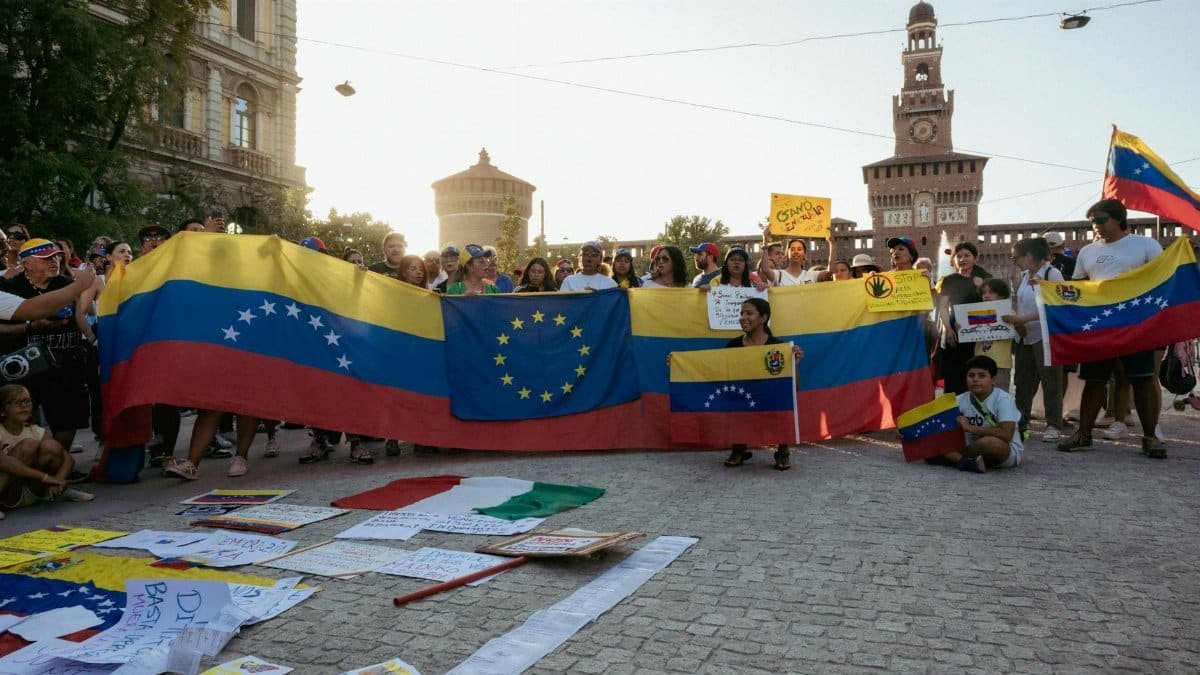
Inside facilities like the Helicoide and Tocorón prison inmates face overcrowding scarce medical care and threats of violence. Former detainees describe rooms filled beyond capacity with little access to clean water or adequate food. Medical neglect is common. Luis suffered from a chronic respiratory condition that required regular medication. Once inside he reportedly received no treatment.
These conditions have drawn repeated condemnation from international observers. Amnesty International has documented similar cases in reports accessible at amnesty.org noting that denial of healthcare often amounts to cruel treatment. For families on the outside the absence of reliable information creates a special form of torture. They are left to imagine every possible horror while officials insist everything is normal.
Months Of Agonizing Uncertainty

For more than nine months Ana navigated a maze of bureaucracy designed to exhaust those who seek answers. She filed formal complaints visited military installations and approached sympathetic insiders who risked their own safety to offer fragments of information. Each lead dissolved into further confusion. Some officials suggested Luis had been transferred to another facility. Others claimed he had been released and simply failed to contact his family.
Throughout this ordeal Ana maintained a public presence that grew increasingly uncomfortable for authorities. She joined other mothers in weekly demonstrations carrying signs that asked for the return of their loved ones. Her quiet dignity attracted attention from independent journalists and human rights workers who began to document her case. Still the state offered no acknowledgment of Luis’s fate.
The Devastating Revelation
In mid 2024 prison officials finally informed the family that Luis had died months earlier. The official cause was listed as respiratory failure but independent pathologists who later reviewed smuggled medical notes suggested complications from untreated illness compounded by possible mistreatment. The delay in notification violated both Venezuelan law and international standards for treatment of detainees.
This Venezuela concealed death was not merely an administrative error. It represented a calculated choice to withhold information while a mother searched desperately for her child. When the family finally gained access to burial records they discovered Luis had been interred in an unmarked grave without their knowledge or consent. The revelation triggered both profound grief and righteous anger.
Faith As A Source Of Strength
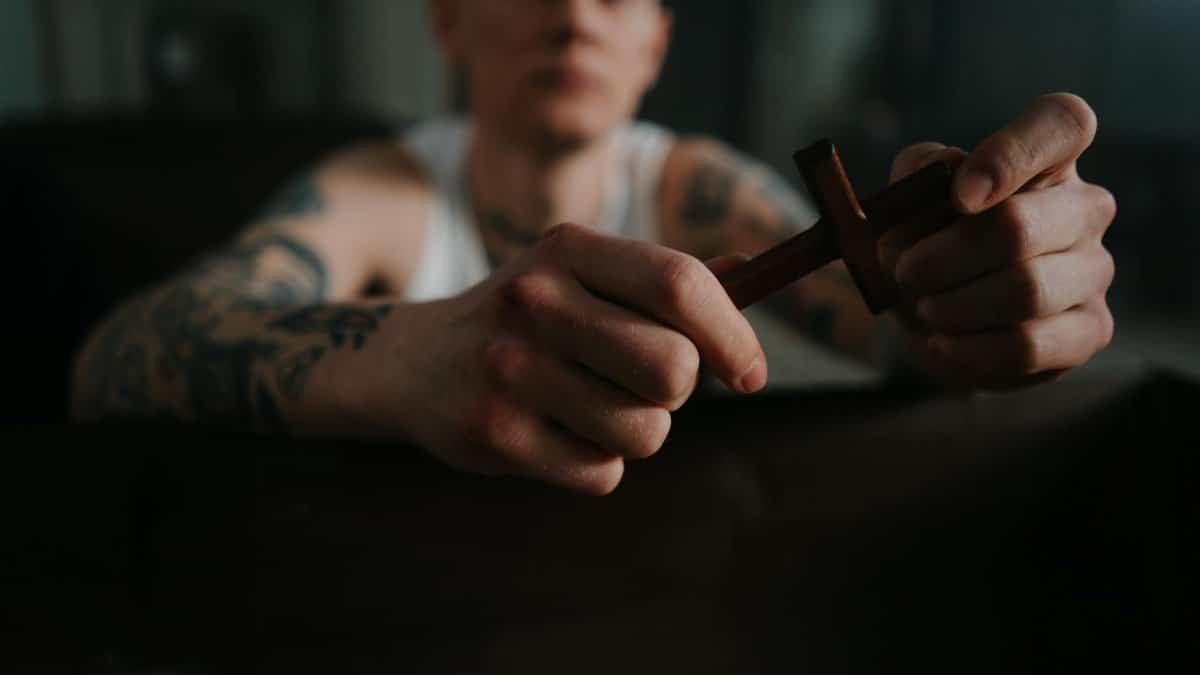
In spiritual communities across Venezuela stories like Ana’s resonate deeply. Local priests have spoken privately about the moral corrosion that occurs when a government treats human life as disposable. For Ana her Catholic faith became both shield and compass. She spoke of feeling her son’s presence during moments of prayer and expressed belief that his suffering held redemptive meaning even if justice remained elusive on earth.
Religious leaders have increasingly incorporated these human rights tragedies into their messages. Some compare the hidden deaths to the biblical lamentations of mothers like Rachel weeping for her children. This spiritual framing offers comfort while simultaneously challenging authorities who claim to govern a Christian nation. The moral contradictions are impossible to ignore.
A System Built On Impunity
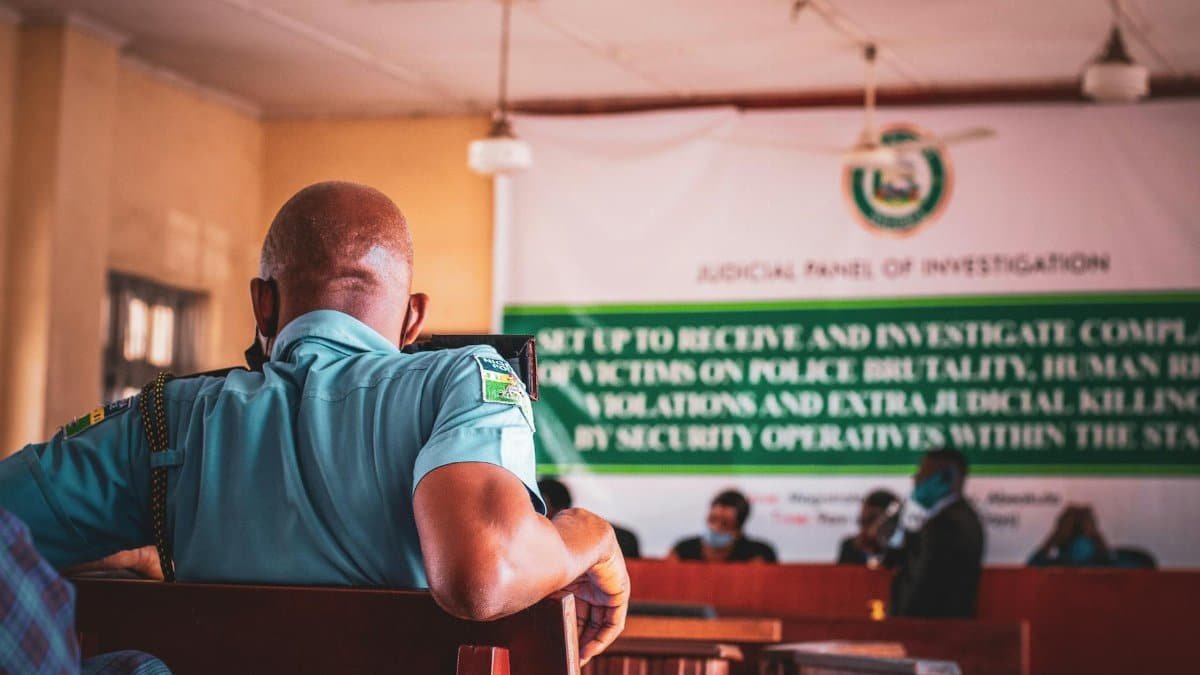
The Torres case fits a larger pattern documented by multiple organizations. The United Nations Fact Finding Mission on Venezuela previously cataloged systematic abuses including enforced disappearances and extrajudicial killings with little accountability. Their full report can be found at ohchr.org. When deaths occur in custody authorities routinely delay notification alter records and pressure families to accept official explanations without question.
This Venezuela concealed death approach serves a dual purpose. It punishes dissenters and intimidates their families while shielding the state from immediate scrutiny. Critics argue that such practices reveal a governing philosophy that values control above human dignity. The psychological toll on surviving family members often extends for years as they struggle with grief complicated by the absence of basic truths.
Global Calls For Justice

News of Luis Torres’s concealed death has drawn statements from several governments and international bodies. The European Union called for an independent investigation while members of the United States Congress highlighted the case during hearings on regional human rights. Advocacy groups have petitioned the International Criminal Court to consider these patterns in their ongoing examination of Venezuelan affairs.
Yet enforcement remains challenging. Venezuela’s government has rejected external interference and continues to characterize critics as politically motivated. For families like the Torres this global attention provides validation even as it fails to deliver immediate remedies. Ana has said she will continue speaking out not only for her son but for the many others whose stories remain buried in official silence.
The Spiritual Cost Of Oppression
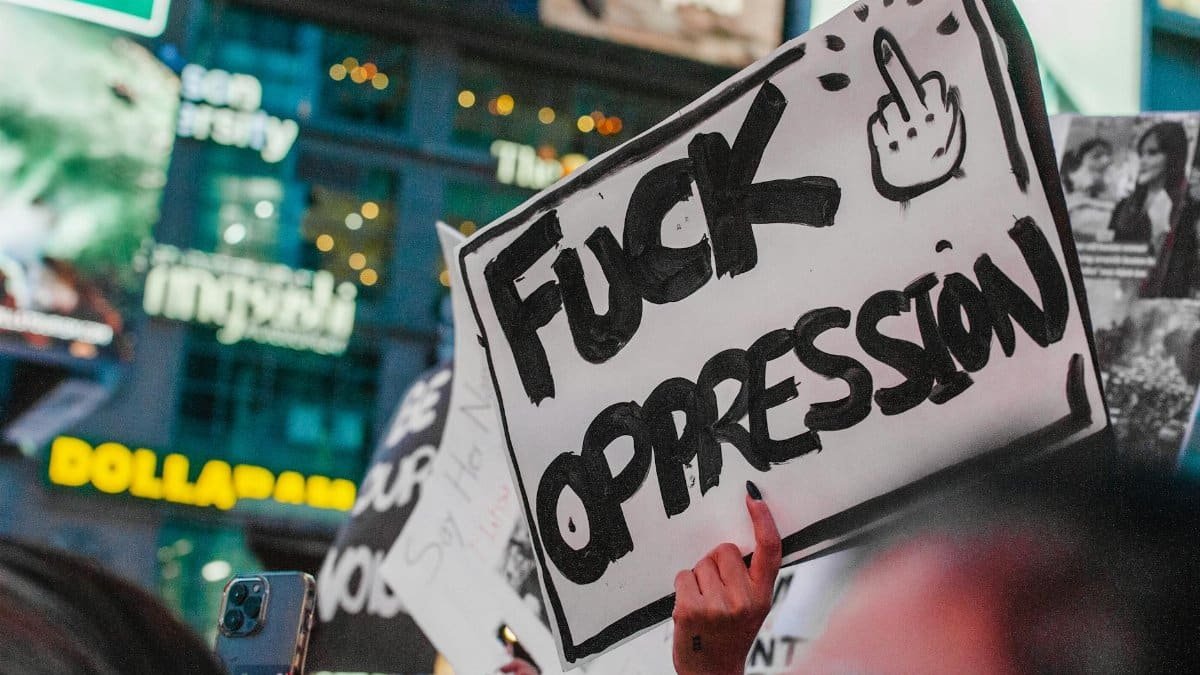
Beyond the political and legal dimensions lies a deeper spiritual crisis. When a society accepts or ignores the systematic concealment of deaths it risks losing its collective soul. Religious thinkers in Latin America have long connected social justice with spiritual health. The denial of truth to grieving families represents more than a human rights violation. It assaults the sacred bond between parent and child.
Observers note that churches and faith based networks have become primary sources of support for affected families. These communities offer practical assistance emotional care and theological reflection on suffering. Some theologians describe the current moment in Venezuela as a prolonged Via Crucis a national journey of the cross that tests the moral fiber of both rulers and citizens. Ana Torres’s steadfastness embodies this spiritual resilience in the face of institutional cruelty.
Looking Toward A Reckoning
As more cases surface the pressure for accountability grows. Independent journalists and human rights defenders continue their work despite significant personal risk. Their documentation creates a record that may one day support transitional justice efforts. For now Ana Torres carries both the pain of her loss and the quiet determination to ensure her son’s story is told.
The Venezuela concealed death exposed in this instance raises fundamental questions about the relationship between those who govern and those they claim to serve. When authorities prioritize concealment over compassion they erode the foundations of civilized society. Ana’s search though born of personal desperation now stands as a public witness to the need for truth and the enduring power of love even in the darkest circumstances.
Her voice joins a growing chorus across Venezuela and beyond demanding that no more families be forced to wander for months or years searching for answers that should never have been hidden. The path to healing whether personal or national must begin with acknowledgment of what was done and a commitment to ensure it is never repeated. In that commitment lies the only path toward spiritual and civic restoration.