

On a gray morning in downtown Chicago, county health officials gathered with a warning that sounded less like a budget briefing and more like a public health alarm. In roughly 100 days, new federal Medicaid work requirements are set to take effect, and leaders in Cook County say hundreds of thousands of residents could lose coverage if the paperwork, job rules, and reporting systems do not work as promised. The county is the largest in Illinois and home to a vast safety net of clinics, hospitals, and families who already live close to the edge of a missed shift or a lost letter. Officials did not claim that work itself is the enemy. They argued that the machinery built to prove work can strip care from people who are already working, caregiving, or too sick to navigate another form.
A warning with a calendar attached

The timeline is what gives the warning its edge. About 100 days is long enough to hold hearings and print flyers, and short enough that a broken enrollment portal or a confusing notice can still reach people too late. Cook County leaders framed the moment as a test of whether government can explain a complex rule before it begins to bite. They spoke of residents who move often, who share phones, who work hours that change by the week, and who may never see a letter that decides whether a prescription is filled.
County government does not write federal statute. It does run clinics, fund behavioral health, and sit beside hospitals that treat people regardless of the card in a wallet. When coverage lapses, the bill does not vanish. It moves, often onto emergency rooms, unpaid invoices, and families who delay care until a manageable problem becomes an expensive one.
What the rules ask people to prove

At their core, Medicaid work requirements tie continued coverage for many adults to a set number of hours in paid work, job training, school, or similar activities, along with regular reports that those hours happened. Exemptions typically exist for pregnancy, disability, serious illness, and some caregiving, but exemptions only help if people know they exist and can document them in time. The policy sounds simple in a hearing room. It is less simple at a kitchen table where a shift schedule lives on a scrap of paper and a portal asks for uploads from a phone with a cracked screen.
Supporters describe the rules as a push toward employment and personal responsibility. Critics in Cook County describe them as a second job: not the work of earning a wage, but the work of proving that a wage was earned. That distinction matters in a county where many Medicaid enrollees already hold jobs that do not come with stable hours or human resources departments ready to stamp forms.
Who stands closest to the cliff

The people most exposed are not an abstraction. They are home health aides whose schedules depend on a client staying well, restaurant workers whose hours shrink in a slow month, and parents who patch together part time shifts around school pickup. They are also adults with depression or diabetes who can work some weeks and not others, and who may not fit a clean exemption box. In a dense urban county, language, literacy, and trust in government offices shape whether a notice is understood or set aside.
County officials have stressed that loss of coverage would not be evenly spread. Neighborhoods with higher poverty, more renters, and thinner access to broadband would feel the first failures of a reporting system. Rural edges of the region, where jobs are fewer and clinics are farther, carry a different risk: a person can meet the spirit of a work rule and still miss a deadline because the nearest office is an hour away and the bus does not run late.
Lessons from earlier experiments

States have tried versions of these rules before, and the record is not a slogan. Where reporting systems were strict and outreach was thin, large numbers of people lost coverage for procedural reasons rather than because they refused to work. Many later returned to the rolls, which suggests the policy often measured paperwork more than employment. Hospitals and clinics reported more uncompensated care. Patients reported skipped medicines.
Those episodes do not prove that every future design will fail. They do show that implementation is the policy. A rule that looks modest on paper can become a coverage cut if the state cannot process exemptions quickly, if notices are unclear, or if people who are working cannot produce the right document in the right month. Cook County leaders are reading that history as a forecast, not as a distant case study.
The paperwork that decides a prescription

Administrative burden is a dry phrase for a concrete harm. A missed recertification can mean a gap in insulin, a canceled therapy appointment, or a child who loses a parent’s coverage and then loses a routine visit that would have caught an ear infection early. For county budget writers, each gap also means more demand on public clinics that already run on tight staff.
Illinois and Cook County will have to build or adapt systems that track hours, store documents, and flag exemptions without trapping people in loops of denial and appeal. That build takes money, trained workers, and time. A hundred days is a short runway for software, call centers, and community messengers to reach hundreds of thousands of households in multiple languages. Officials have been frank that good intentions at the counter will not save a person if the back office cannot keep up.
Hospitals, clinics, and the quiet shift in cost

When Medicaid drops a patient, the illness rarely drops with it. Safety net hospitals in Chicago already absorb patients who arrive late, sicker, and without a payer. County leaders warn that Medicaid work requirements could widen that pattern just as facilities face their own staffing strain. Community clinics, which often serve as the front door for primary care, would see more uninsured visits and more difficult choices about charity care.
There is also a workforce irony that local health employers understand well. Many of the people who bathe patients, cook hospital meals, and clean clinics are themselves enrolled in Medicaid or live in households that are. If reporting rules knock those workers off coverage, the same institutions that need them on the floor may see more absences from untreated illness. A policy aimed at work can, in practice, make work harder to sustain.
The argument over dignity and duty

The political fight is familiar, and it will not be settled by one county press conference. One side says public coverage should expect effort from adults who can work, and that rules can be written with humane exemptions. The other side says the evidence so far shows coverage losses, not a surge of new jobs, and that health is a precondition for work rather than a prize awarded after forms are filed. I have sat through enough of these debates to notice how quickly the word responsibility attaches to patients and how slowly it attaches to the agencies that must make the rules usable.
Cook County’s intervention is less a sermon than a logistical plea. Leaders are asking the state and federal partners for clear guidance, realistic timelines, and funding for outreach before the first eligibility month closes. They are also asking residents not to wait for a denial letter to learn whether they qualify for an exemption or how to report hours. In a county this large, silence is not neutral. It is how people fall off a list.
What residents can do before the clock runs out

Practical steps will not fix a flawed design, but they can reduce needless loss. People enrolled in Medicaid should update addresses and phone numbers, watch for official mail and portal messages, and ask a clinic or community group to explain exemptions in plain language. Those who work irregular hours should keep simple records of shifts, pay stubs, and school or training attendance, even if a final reporting form is not yet in hand. Caregivers and people with serious health limits should gather documents early rather than during a crisis.
County and city partners can meet that effort halfway. Trusted messengers in churches, libraries, and neighborhood clinics often reach households that ignore a government envelope. Legal aid groups can prepare for appeals. Hospitals can flag patients whose coverage is about to lapse and help them complete reports before a discharge becomes an uninsured bill. None of this is glamorous. All of it is how a warning becomes a plan.
A county asking to be heard in time
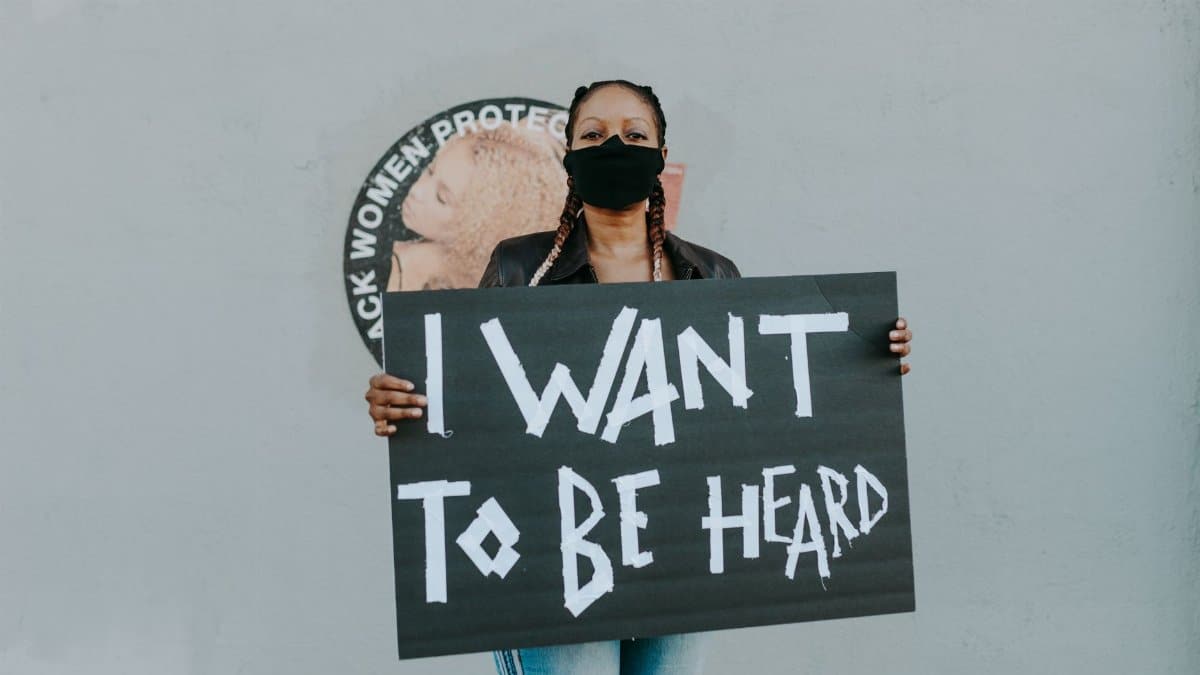
The Cook County warning is not a prediction that every enrollee will lose care, and it should not be read that way. It is a statement that hundreds of thousands could, if Medicaid work requirements begin before the systems, the explanations, and the exemptions are ready. About 100 days is both a countdown and a measure of seriousness. Policymakers who believe in the rules now have a narrow window to prove they can be run without punishing people for the shape of their lives. Residents who depend on the program have the same window to get their names, hours, and documents in order. Health coverage, in the end, is a practical thing. It either pays for the visit or it does not, and no speech on opening day will refill a prescription that a missed form took away.