
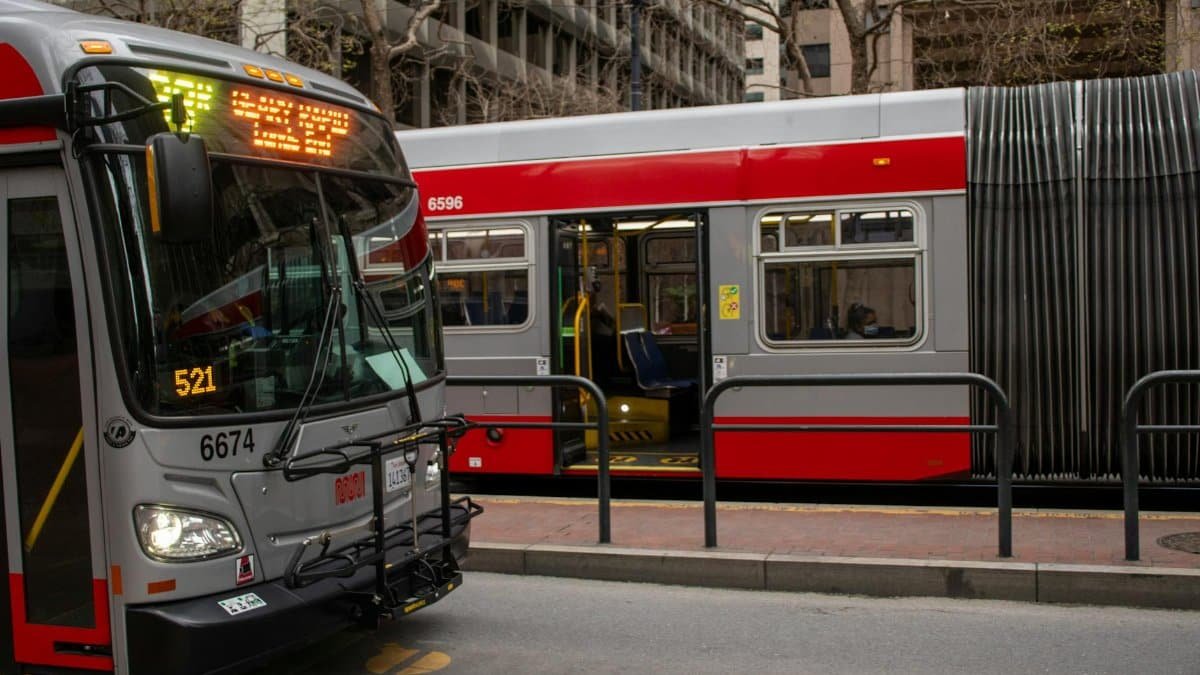
In the damp mornings of Seattle countless residents stand at bus stops along Denny Way checking their watches as precious minutes slip away. The Route Eight affectionately known as the Late Eight has earned its reputation for unreliability often leaving riders frazzled and late for work or appointments. Now Seattle Mayor Katie Wilson aims to change that by introducing dedicated red bus lanes across thirteen blocks of this vital corridor. This modest but meaningful intervention arrives at a moment when many in the city wonder how infrastructure can better support the rhythms of daily life that sustain both body and spirit.
The Persistent Challenges Of The Late Eight Bus
For years the Route Eight has stood as one of Seattles most notorious transit routes. Stretching from the central district through Capitol Hill and into lower Queen Anne the bus carries a diverse cross section of riders including essential workers students and older adults who rely on it for medical appointments. Yet traffic congestion mixed with frequent stops and left turning vehicles routinely cause delays that average twenty minutes during peak periods. Riders describe a familiar ritual of checking apps that offer little comfort when three buses finally arrive together after a long wait. These frustrations extend beyond inconvenience. When public transit fails to deliver reliability it erodes trust in the systems meant to connect us. In a city known for progressive values the Late Eight has become a quiet emblem of promises not fully kept.
Mayor Wilsons Bold Plan For Change

Mayor Katie Wilson has made transit equity a central theme of her administration. Her proposal to install red bus lanes along thirteen blocks of Denny Way represents a practical step toward fulfilling that commitment. The plan focuses on the stretch between Broadway and Dexter Avenue where delays have proven most stubborn. By painting lanes a vivid red and installing clear signage along with enforcement cameras the city hopes to reserve the space primarily for buses. Wilson has emphasized that this is not merely a traffic adjustment but an investment in the people who keep the city functioning. Her approach reflects a growing understanding that small targeted changes can yield outsized benefits for those with the fewest options.
Understanding The Purpose Of Red Bus Lanes
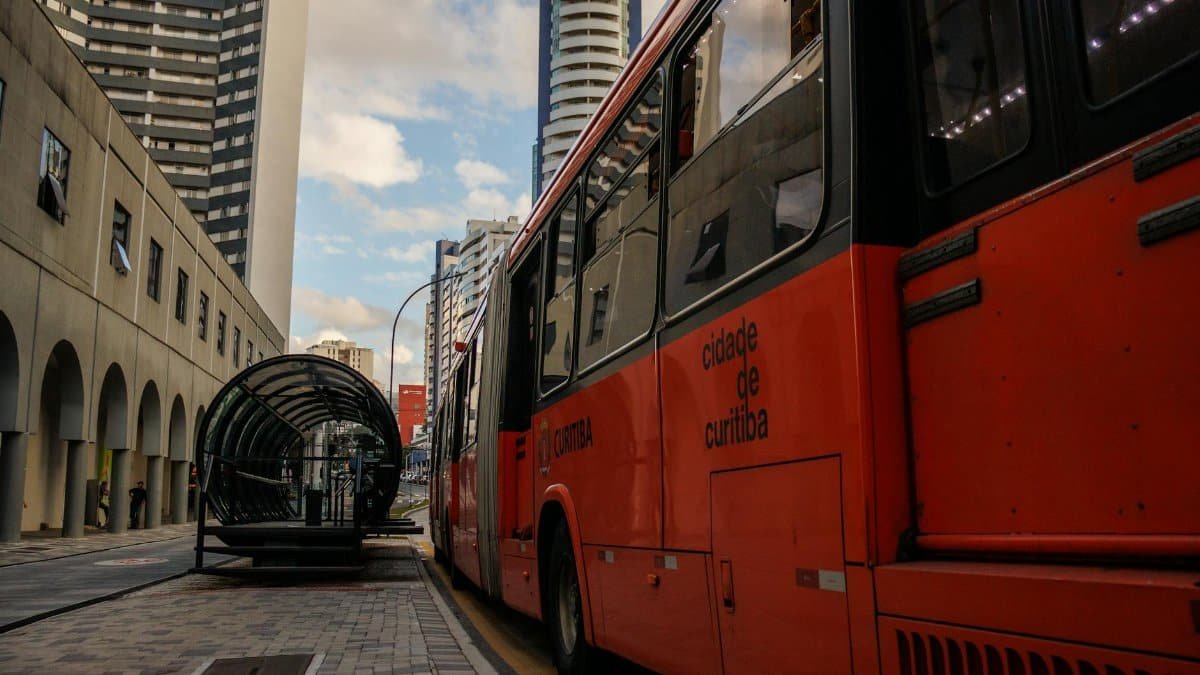
Red bus lanes serve a straightforward yet powerful function. They create dedicated corridors that prevent private vehicles from encroaching on space reserved for public transit. In practice this means buses can move more freely through congested areas maintaining schedules and reducing travel times. Seattle joins a growing list of North American cities turning to this tool after seeing success elsewhere. The color red was chosen for its high visibility which helps drivers understand the restriction at a glance. More importantly these lanes signal a priority shift. In a city where cars have long dominated the pavement red bus lanes remind everyone that moving people efficiently matters as much as moving individual vehicles.
Expected Benefits For Daily Commuters

Transit planners project that the new red bus lanes could cut travel times on the Route Eight by up to thirty percent during rush hours. For a rider traveling from Capitol Hill to South Lake Union that might mean saving ten to fifteen minutes each way. Those minutes accumulate into hours over a month freeing people to spend time with family pursue hobbies or simply rest. Beyond speed the lanes promise greater reliability. When buses run on time riders can plan their days with confidence rather than padding schedules with extra buffers. Early data from similar projects suggests ridership often grows once reliability improves. For many middle aged Seattleites balancing work caregiving and community involvement such improvements offer a quiet form of relief.
Addressing Concerns From Local Drivers

Not everyone welcomes the change. Some Denny Way drivers worry that losing a lane will worsen congestion for cars and delivery vehicles. Business owners along the corridor have voiced fears about reduced parking and potential impacts on customer access. City officials acknowledge these valid points while pointing to accompanying measures such as improved traffic signal timing and better coordination with ride share services. The goal they insist is not to punish drivers but to recognize that the current system serves no one well when everyone competes for the same limited space. Public meetings have revealed a city wrestling with competing needs as it tries to balance individual convenience against collective benefit.
Lessons From Other American Cities
Seattle can draw valuable insights from cities that embraced red bus lanes years ago. San Francisco saw notable improvements in bus speeds after installing dedicated lanes on key routes. Los Angeles reported both faster transit times and modest increases in ridership following similar projects. Even smaller cities like Madison Wisconsin have demonstrated that painted lanes combined with strict enforcement can transform unreliable routes into dependable ones. What these examples share is political courage to prioritize transit even when it requires drivers to adapt. Seattle planners have studied these cases closely adjusting the approach to fit local topography and political realities. The evidence suggests that when done thoughtfully such interventions pay dividends in both mobility and public satisfaction.
The Path To Implementation And Timeline

Construction is slated to begin next spring with completion targeted for late twenty twenty six. The project will proceed in phases to minimize disruption with temporary detours clearly marked for both buses and cars. Funding comes from a combination of federal grants state dollars and city transportation levies. Officials promise extensive community outreach during the build phase including regular updates to nearby residents and businesses. While some express impatience at the timeline others appreciate the methodical approach that aims to get the details right rather than rush an imperfect solution. The red bus lanes will be accompanied by new bus shelters and real time information displays further enhancing the rider experience.
How This Fits Into Seattles Broader Vision
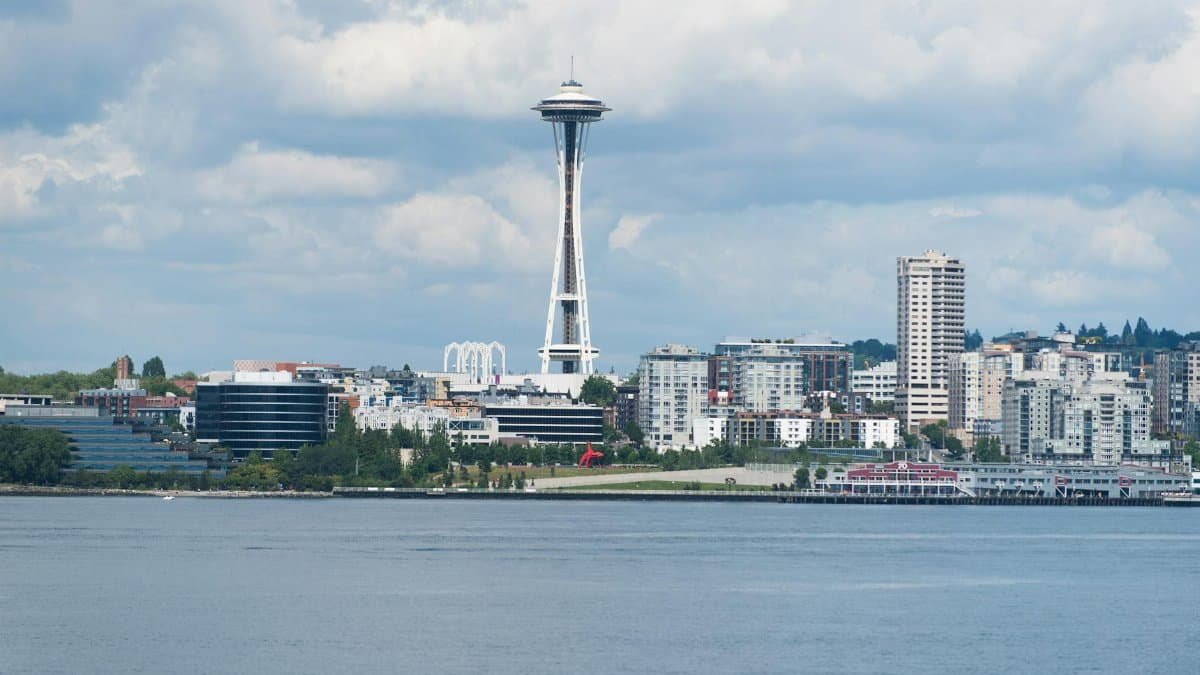
The Denny Way project represents more than an isolated fix. It aligns with Seattles long term transportation strategy that seeks to reduce dependence on single occupancy vehicles while making transit an attractive choice for more residents. By improving one of the citys most used routes officials hope to build momentum for additional projects across the region. This work connects to larger conversations about climate goals housing affordability and community health. When people can move about the city without spending excessive time stuck in traffic they gain opportunities to engage more fully with neighbors local institutions and the natural environment that first drew many to the Pacific Northwest.
Community Feedback Shapes The Project

From the beginning city planners have invited extensive public input. Town halls online surveys and targeted outreach to disability advocates and immigrant communities have helped refine the proposal. Many participants emphasized the need for safety features that protect pedestrians and cyclists sharing the corridor. Others stressed the importance of maintaining access to loading zones for small businesses. This collaborative process though time consuming has produced a design that enjoys broader support than many previous transportation initiatives. The experience offers a model for future projects where listening carefully to affected communities becomes as important as technical analysis.
The Human Impact On Neighborhood Connections

Beyond statistics about travel times the red bus lanes carry deeper significance for how people experience their city. Reliable transit strengthens the invisible threads that bind neighborhoods together. When residents can count on arriving at community meetings places of worship or family gatherings without undue stress they participate more fully in the social fabric. Middle aged riders in particular often shoulder multiple responsibilities across generations. A bus that runs on schedule can mean the difference between missing a childs recital or a parents medical appointment and being fully present for these essential moments. In this sense infrastructure decisions touch the spirit of daily life in ways that extend far beyond mere transportation.
A Step Toward More Sustainable Urban Living
The introduction of red bus lanes on Denny Way fits into a quiet revolution occurring in cities across the country. As climate concerns mount and housing costs rise more residents seek ways to live with lighter environmental footprints. Efficient public transit forms a cornerstone of that shift. Each rider who chooses the bus over a personal car contributes to cleaner air and less congested streets. Yet the true measure of success will be whether these changes make life feel more manageable and connected. Mayor Wilson and her team appear to understand that transit policy ultimately serves human needs including the need for reliability predictability and a sense of belonging within a larger community. The Late Eight may soon lose its unfortunate nickname offering instead a smoother path through the city for thousands of daily riders.
While the addition of thirteen blocks of red bus lanes may seem incremental it signals an important evolution in how Seattle thinks about movement and equity. In a region blessed with natural beauty but challenged by growth the way we design our streets reflects our values. If this project succeeds it could pave the way for similar improvements elsewhere reinforcing the idea that thoughtful infrastructure can enhance both efficiency and quality of life. For riders long accustomed to the uncertainties of the Late Eight the change cannot come soon enough.