

On warm evenings in Castaic, the air can arrive before the view does. Residents describe a rotten egg smell that settles on porches, schoolyards, and car seats, then a tightness in the chest that remains after the windows are shut. Those complaints now sit at the center of the Chiquita Canyon landfill lawsuit, a state case that accuses the operator of allowing a troubled disposal site to send gases and liquids toward a community that has spent years asking officials to take the symptoms seriously.
A community that learned to read the wind

Castaic is not a place that thinks of itself as a cautionary tale. It is a northern Los Angeles County community of commuters, horse properties, and families who chose the hills for space and quiet. Val Verde, the smaller neighborhood closest to the landfill, has an even more particular relationship with the site. People there have argued for decades that they live downwind of decisions made somewhere else.
What changed, neighbors say, is the persistence of the odor and the way ordinary afternoons began to feel medical. Headaches. Dizziness. Wheezing. Burning eyes. Nausea that arrived with a shift in the breeze. Parents kept notebooks. Some stopped using backyard grills. Others drove children to relatives when the smell grew strong enough to wake them. None of that, by itself, proves a legal claim. It does explain why a landfill dispute became, for many households, a question of whether home was still safe.
What the state says it is trying to stop

California officials have cast the case as more than a fight over nuisance smells. The complaint, as described in public statements and news reports, alleges that operations at the Chiquita Canyon landfill produced emissions and contaminated liquids capable of harming people who live nearby. State lawyers have pointed to reports of headaches, dizziness, and wheezing, and they have asked a court to impose penalties and force stronger controls.
The legal theory is familiar in environmental cases even when the facts are not. Regulators argue that a permitted facility still has a duty to obey air rules, manage waste so that it does not create a dangerous reaction, and tell the public when conditions deteriorate. A lawsuit is the blunt instrument used when inspections, notices, and negotiated orders have not, in the state’s view, produced a stable site.
Readers who want the official framing can start with the California Attorney General’s newsroom at oag.ca.gov/media/news and with ongoing coverage collected by the Los Angeles Times at latimes.com/california. Those pages are the public record. They are not a verdict.
Inside a landfill that refused to cool
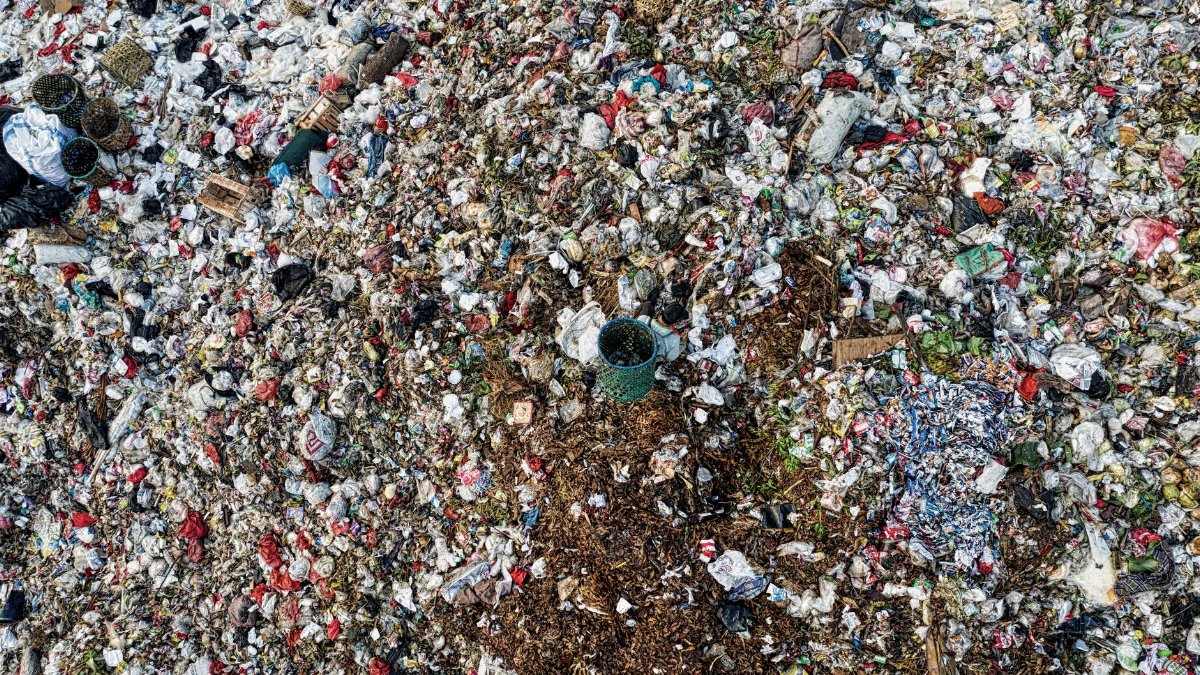
The technical story is harder to picture than a smokestack. Modern landfills are engineered hills of buried waste, liners, gas wells, and leachate systems. Under normal conditions, bacteria break down organic material and produce gas that can be collected and burned or otherwise controlled. Heat rises, but it is supposed to stay within a range that operators and regulators understand.
At Chiquita Canyon, investigators have described a subsurface reaction: a zone where temperatures climbed far beyond what a conventional landfill gas system expects. In that kind of event, the chemistry can shift. More hydrogen sulfide, the gas associated with a rotten egg odor, can form. Liquids can become harder to manage. Wells can fail. Covers can crack. A site that looked compliant on paper can start behaving like a system under stress.
South Coast Air Quality Management District has posted community updates and enforcement materials at aqmd.gov. The agency has treated the odor problem as an air quality emergency for nearby residents, not as a minor complaint about garbage trucks. That distinction matters. A bad smell can be unpleasant. A sustained release of reduced sulfur compounds, if measurements and complaints line up, can also be a health issue.
Symptoms that do not fit a single chart

Medicine is cautious where law is assertive. Headaches, dizziness, and wheezing have many causes. Allergies, wildfire smoke, viruses, anxiety, and poorly ventilated houses can produce the same list. That ambiguity is exactly why neighbors feel dismissed and why defense lawyers will press for proof that ties a particular person’s illness to a particular emission on a particular day.
Public health agencies do not need a perfect causal chain before they warn people. Acute exposure to hydrogen sulfide can irritate eyes and airways and, at higher levels, affect the nervous system. Lower, intermittent exposure is messier. It may not leave a neat biomarker. It can still make a child wheeze, send an older adult to bed at noon, or convince a teacher that the classroom air is wrong.
Los Angeles County Public Health maintains general guidance at publichealth.lacounty.gov. Residents who feel acutely ill should seek medical care rather than wait for a court calendar. A lawsuit can order fences, monitors, and penalties. It cannot replace an inhaler in the moment.
The operator’s side of a very public fight

Waste Connections, through Chiquita Canyon LLC, has not accepted the portrait of a company indifferent to its neighbors. In statements around the dispute, the company has emphasized permits, investments in gas collection, and cooperation with regulators. Operators in these cases usually argue that they inherited a complex waste mass, that they reported problems as they emerged, and that extraordinary subsurface reactions are not the same thing as ordinary negligence.
There is a real engineering debate inside that defense. Landfill reactions of this kind are rare enough that the playbook is still being written. Adding liquid, removing liquid, installing new wells, or changing cover soil can help in one zone and worsen another. Courts are poor places to design a well field, yet courts are where communities go when the well field keeps failing.
A fair article has to hold both ideas at once. A company can spend money and still be out of compliance. A community can be suffering and still face a hard burden when it asks a judge to connect every cough to a single facility. The Chiquita Canyon landfill lawsuit will turn on records: temperature logs, odor complaints, hydrogen sulfide readings, leachate volumes, and the gap between what was promised and what was done.
Regulators who were already in the room

This is not a story that began with a surprise filing. Local air regulators had been issuing notices, holding community meetings, and requiring additional controls well before the state widened the fight. County agencies have wrestled with odor complaints, school concerns, and questions about whether the landfill should keep accepting waste while the reaction continues.
Layered government is both a protection and a frustration. The air district watches emissions. The state looks at broader environmental and consumer claims. The county thinks about land use and public health. Each agency has its own statute, its own lawyers, and its own pace. Residents experience only one atmosphere. When three offices say they are working on it, the porch still smells the same.
That mismatch is why litigation has a political charge here. A complaint can consolidate facts that were scattered across inspection reports. It can also freeze conversation, because parties start speaking through counsel. Neighbors who wanted a hotline and a timetable may instead get a docket number.
Daily life between the complaint and the ruling

While lawyers draft motions, people keep living next to the hill. Some have sealed windows and bought air purifiers. Some have listed houses and then taken them off the market when buyers asked about the smell. Church basements, school boards, and informal block meetings have become places where families compare notes, not because faith or civic ritual can filter gas, but because isolation makes uncertain illness feel like a private failure.
Children are the sharpest part of the narrative, and they should be discussed without sentimentality. A wheezing student does not become evidence merely by being young. Still, repeated absences, nurse visits, and parents who refuse outdoor recess on bad air days are the kind of pattern that public agencies are supposed to notice. Teachers are not epidemiologists. They are often the first adults who see the same child struggle on the same kind of afternoon.
Older residents bring a different worry. Dizziness is dangerous on stairs. A headache that lasts for days can mask something else, or it can be the something else. People with asthma, heart disease, or limited transportation have fewer ways to leave when the odor advisory goes out. Environmental cases are often described as fights over permits. On the ground they are fights over who can afford to wait.
What a court can and cannot order

If the state prevails, remedies could include civil penalties, stricter operating limits, more monitoring, and requirements to control leachate and gas. A judge might also shape how quickly waste acceptance changes, though landfill capacity in a huge county is never only a local question. Trash has to go somewhere. That fact is used, sometimes cynically, to suggest that complainants are merely NIMBY voices. It does not erase a duty to run a permitted site without sickening the nearest streets.
If the operator prevails on key claims, the community will not suddenly trust the air. Regulatory orders already in place would still matter. So would the data. A loss in court is not a scientific finding that nobody was harmed. It may only mean the evidence did not meet a particular legal test.
Either result will be read far beyond Castaic. Other landfills are aging. Other suburbs have crept closer to sites that were once remote. Subsurface reactions, once treated as exotic, are now part of the industry’s risk conversation. The Chiquita Canyon landfill lawsuit is a local pleading with a national audience of engineers, investors, and regulators who would rather not see their own temperature logs in a complaint.
How to follow the facts without losing the people
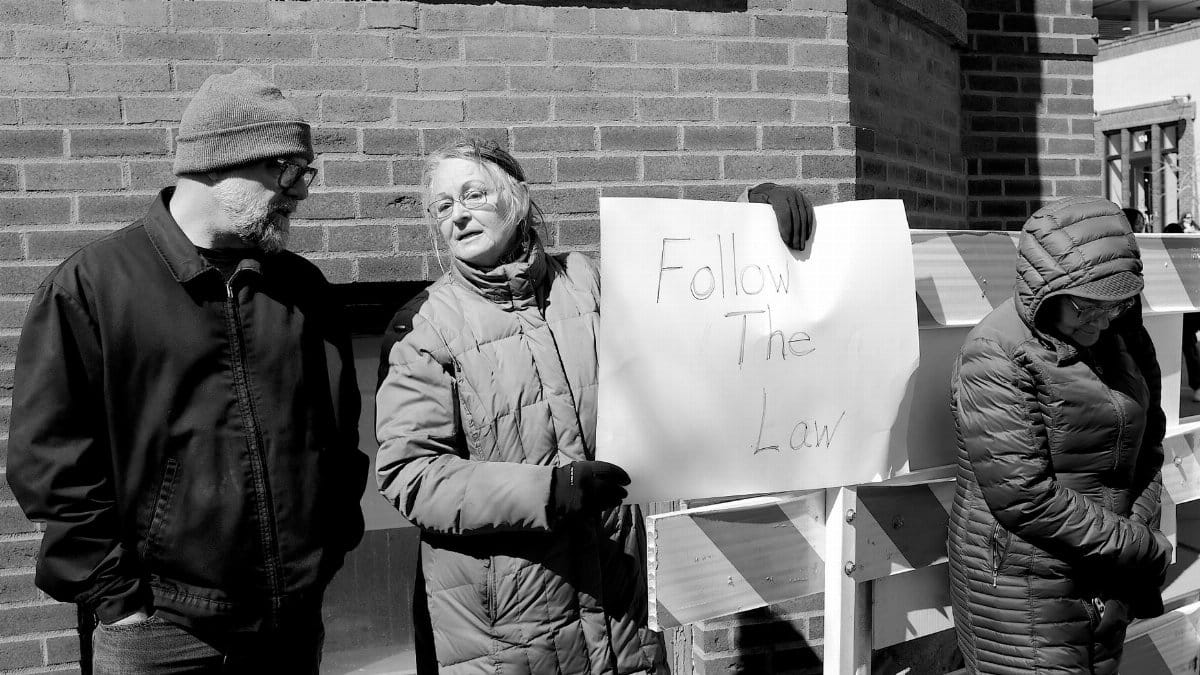
The temptation, in a story this technical, is to hide inside acronyms. SCAQMD. H2S. MSW. Leachate. Each term is useful, and each can also function as a curtain. Hydrogen sulfide is a molecule and also the reason a grandmother stops sitting outside. A notice of violation is a PDF and also the moment a neighborhood realizes that someone with authority agrees the air is wrong.
Journalists and readers can keep a simple discipline. Ask what was measured, where, and when. Ask who filed the complaint and what remedy they want. Ask what the company changed after the first elevated readings, not only what it says today. Ask which symptoms sent people to clinics, and whether those clinics saw a cluster or a coincidence. Then resist the urge to declare the cluster proven because the story would be cleaner that way.
For primary documents, the air district site, the attorney general’s releases, and county public health pages remain better starting points than social media videos, however affecting those videos are. Court filings will eventually say more than any press conference. Until they do, the honest sentence is this: residents have reported headaches, dizziness, and wheezing; the state has sued; the operator disputes the thrust of the allegations; and the landfill’s unusual heat is no longer an internal maintenance note.
A hill, a docket, and the next wind
Castaic will keep measuring its days by ordinary markers, school pickup and freeway traffic and the color of the hills after rain. It will also keep measuring them by smell. That second clock is what turned a waste site into a civic injury and then into litigation.
The Chiquita Canyon landfill lawsuit will not restore every afternoon already lost to a closed window. It may still force a clearer account of what happened under the soil, who knew, and what must change before the next warm evening. Communities living beside industrial hills rarely get poetry from a courthouse. They sometimes get monitors, penalties, and a record. In a place where people say the air arrives first, a record is not a small thing.