
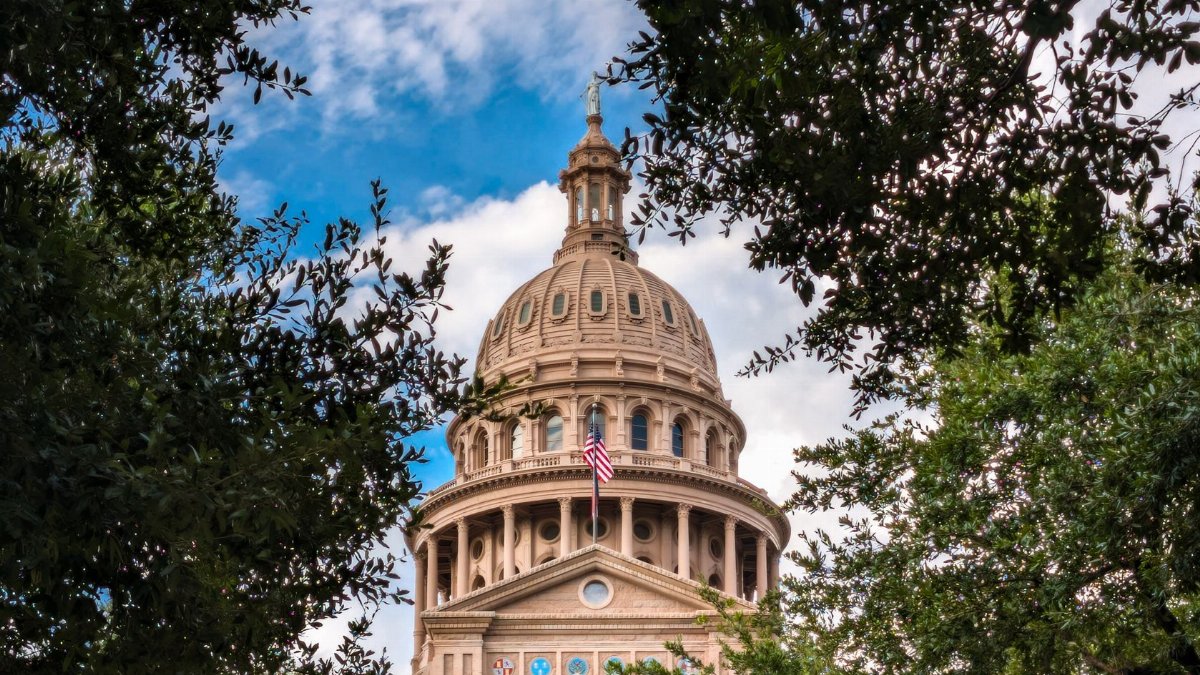
On a warm Texas evening, the applause arrived before the argument did. Supporters waved flags, local officials took their turns at the microphone, and the president returned to a state he treats as both fortress and proving ground. The phrase Trump Texas Senate captures the wager underneath the spectacle: hold every reliably Republican seat, lift Ken Paxton, and turn a friendly map into a national message before voters grow restless.
A familiar stage with a narrower purpose

Presidential travel always looks larger than the race it is meant to serve. Crowds come for the show. Campaign strategists come for the math. In Texas, those two motives met in a single stop built around Paxton, the attorney general seeking a Senate seat in a contest that Republicans cannot afford to treat as automatic.
Trump did not arrive as a distant endorser sending a social media note. He came as the central figure in a party that still organizes itself around his approval. For Paxton, that proximity is both gift and burden. It supplies energy and media attention. It also ties a state race to every national argument the president chooses to open.
Why this Senate seat still feels unsettled
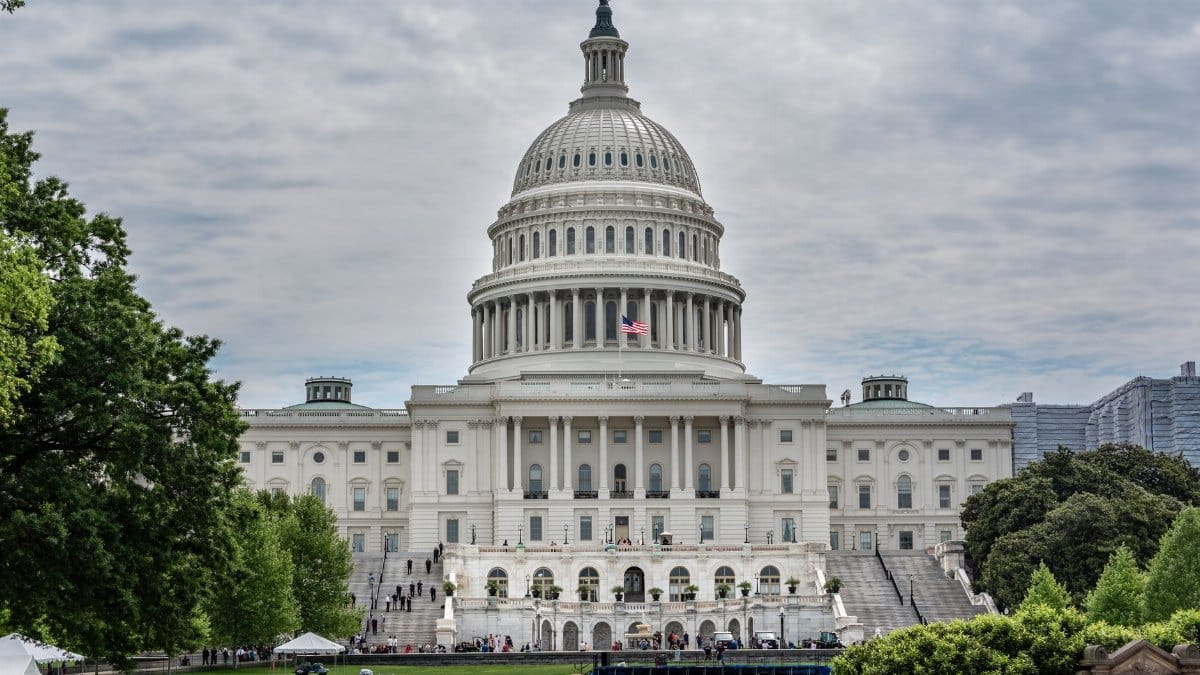
Texas has voted Republican in presidential years for a generation, yet statewide politics has grown more expensive and more closely watched. Population growth, new suburban voters, and fights inside the party have made safe assumptions less safe. A Senate primary, or a general election that follows a bruising one, can expose fractures that a presidential landslide once covered.
Party leaders talk about turnout as if it were a switch. In practice it is a series of small decisions: whether rural voters drive, whether suburban parents trust the nominee, whether donors believe the race is already won. Trump Texas Senate is the shorthand consultants use when they mean all of those decisions at once.
Ken Paxton and the loyalty test

Paxton enters the season with a record that divides even voters who share his politics. Supporters describe him as a fighter who took on the Biden administration, tech companies, and what they call an entrenched legal establishment. Critics, including some Republicans, point to years of legal controversy, an impeachment in the Texas House, and an acquittal in the state Senate that settled a proceeding without settling the argument.
Trump’s appearance functions as a loyalty test. In recent cycles, his endorsement has often decided which Republican survives a primary. It has been less reliable as a guarantee in a general election, where voters who never attend rallies still cast ballots. Paxton’s task is to convert rally enthusiasm into a coalition broad enough for a statewide Senate race.
The case he is asking Texans to accept
At the event, the president urged Texans to accept data centers, the vast facilities that power artificial intelligence and cloud computing. The pitch is economic: construction jobs, tax revenue, and a claim that Texas should lead the next industrial wave rather than watch it land in another state.
The resistance is local and concrete. Residents near proposed sites worry about water use, electricity demand, noise, and the sight of windowless buildings rising on former ranch land. County officials hear from neighbors who did not move to the countryside to live beside industrial cooling systems. A president can bless a project from a stage. A county commission still has to live with the neighbors.
When a joke becomes a headline

Trump also floated Venezuela as the 51st state, a line that traveled faster than any policy detail about server farms. Supporters heard bravado, a habit of enlarging the map until the crowd laughs. Critics heard something else: a casual treatment of sovereignty, and a reminder that rally rhetoric now moves instantly into diplomatic arguments the speaker may not intend to finish.
Campaigns have learned that unusual lines are not side notes. They become the clip. For Paxton, every such moment is a choice about whether to echo, ignore, or translate. Translation is harder on a stage built for applause.
Data centers and the politics of power bills

The data center argument deserves more than a slogan, because it sits at the intersection of growth and scarcity. Texas already knows what stressed power grids feel like. Summer peaks, winter failures, and rising demand from industry have made electricity a kitchen table subject. Adding facilities that run around the clock forces a question regulators cannot postpone: who pays for new generation and transmission, and who absorbs the risk when demand outruns supply.
Business groups argue that Texas wins when it says yes, then manages the consequences with permits and infrastructure. Environmental advocates and some rural landowners argue that yes has become a reflex. The Senate campaign will not settle utility law. It will test whether candidates can talk about growth without sounding indifferent to the people who live next to it.
Holding the map, one state at a time

National Republicans describe the Senate strategy in plain terms. Protect seats in states the party usually wins. Spend precious money on the few states that can flip. Do not let internal fights produce nominees who struggle in November. Trump Texas Senate belongs to that strategy even when the speeches sound like victory laps.
The risk is complacency. A state can be Republican in presidential preference and still produce a messy Senate year if the nominee is damaged, if Democrats recruit well, or if independent voters decide the race is about conduct rather than party. Incumbency advantages elsewhere do not automatically transfer to an open or contested Texas seat.
Faith, forgiveness, and public judgment

Texas politics still runs through churches, not only through donor lists. Many voters weigh candidates with a moral vocabulary: loyalty, repentance, strength, truth telling. Paxton’s supporters often frame his troubles as persecution and his survival as vindication. Others in the same pews draw a line between legal acquittal and moral confidence. They can favor conservative courts and still want a senator whose record does not require a long explanation.
That tension is not abstract. It shows up in Sunday conversations, in small donor decisions, and in whether a pastor will share a stage. A presidential visit does not resolve it. It asks congregations, in effect, to treat endorsement as sufficient. Some will. Some will keep their own counsel until they see a ballot.
What Democrats hear in the same speeches

Democratic strategists listen to these rallies for openings rather than for conversion. They hear a party still organized around one man, a nominee with baggage, and a set of local issues, from power demand to land use, that do not sort neatly by ideology. Their challenge is equally stark. Texas remains difficult terrain, and national Democratic brands can cost as many votes as they gain.
The more useful Democratic argument, if they can sustain it, is less about Trump as spectacle and more about governance: schools, insurance, electricity, and whether a senator will answer to Texas problems or to a national rally circuit. Voters have heard both pitches before. Familiarity cuts both ways.
Money, message, and the long primary shadow

Senate races in large states are advertising wars with a ground game attached. Texas media markets are costly. A candidate who must introduce himself to voters who know the president better than they know the attorney general’s office will spend early and often. Outside groups will fill any silence with their own ads, some helpful, some aimed at settling old scores.
Message discipline is the scarce resource. A campaign that wants to talk about border security, energy, and the courts can lose days to a remark about annexing another country or to a fresh round of questions about past investigations. Staff can write the preferred speech. They cannot control which sentence leaves the arena.
The voters who skip the rally
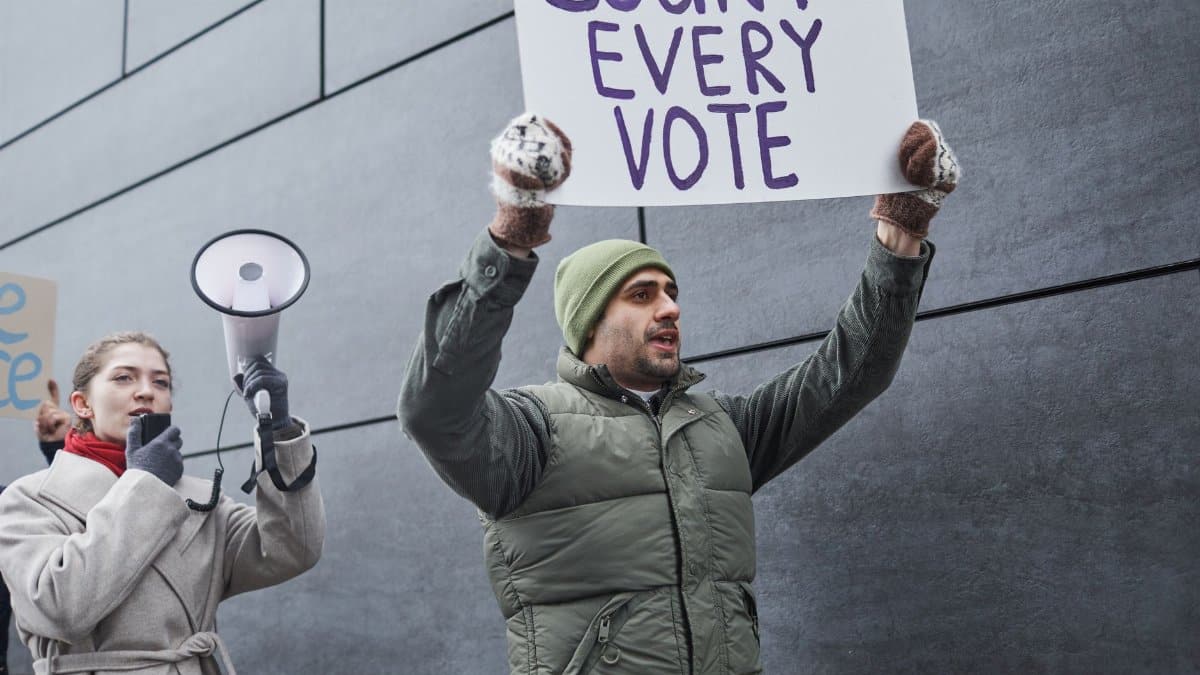
Most Texans who will decide a Senate race will never stand in that crowd. They will encounter the race through a headline, a text message, a conversation at work, or a mailer that arrives after they have already made up their minds. For them, Trump Texas Senate is not a chant. It is a sorting mechanism. Does the president’s support recommend the candidate, or does it warn that the candidate cannot stand apart?
Suburban counties around Dallas, Houston, Austin, and San Antonio remain the places where that sorting is least predictable. Rural areas supply the base. The suburbs supply the margin, or take it away. Any strategy that speaks only to the people already in the room is a strategy for a rally, not for a statewide win.
What the stop actually accomplished

Measured narrowly, the visit did what such visits do. It generated footage, rewarded a loyal ally, and told donors that the White House, or the president’s political operation, is paying attention. It also attached Paxton more tightly to a style of politics that thrills one electorate and exhausts another.
Measured more broadly, it clarified the themes Republicans expect to carry into the midterms: economic growth on their terms, cultural confrontation, and a Senate map defended seat by seat. The data center plea and the Venezuela line sat side by side, one a bid for investment, the other a bid for attention. Campaigns often need both. They rarely control which one the public remembers.
A race larger than one night

No single appearance settles a Senate contest in a state this large. Filing deadlines, debates, advertising, and the quiet work of county parties will matter more than any ovation. Still, nights like this set the terms. They tell voters who is blessed, which arguments are allowed, and how much room a candidate has to disagree with the man who filled the hall.
Trump Texas Senate will keep surfacing in headlines because the stakes are structural. Republicans want a chamber that can confirm judges, block opposing priorities, and carry a president’s agenda without constant negotiation. Democrats want at least one crack in that wall. Texas is where both sides will spend months insisting the outcome was never really in doubt, right up until the count says otherwise.