
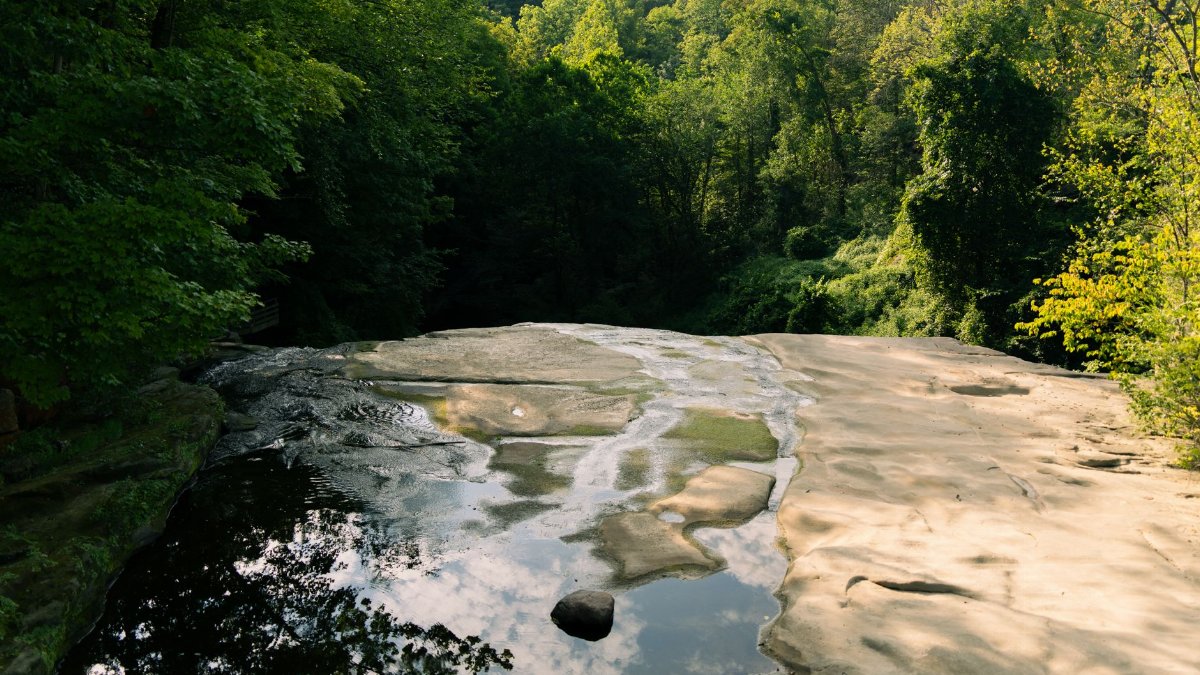
On a bright Saturday the parking lot at Banning State Park fills before the coffee in Sandstone has cooled. Cars nose into the grass, paddlers shoulder boats toward the Kettle River, and the sandstone cliffs hold a low roar that carries farther than the trail signs. That familiar crush is about to stop. State officials plan a Banning State Park closure lasting a year so crews can spend $2.5 million on upgrades after visits more than doubled since 2019. For people who treat the park as a weekly refuge, the quiet will be abrupt. For the land, it may be the only way the quiet can return.
A small river town learns to wait
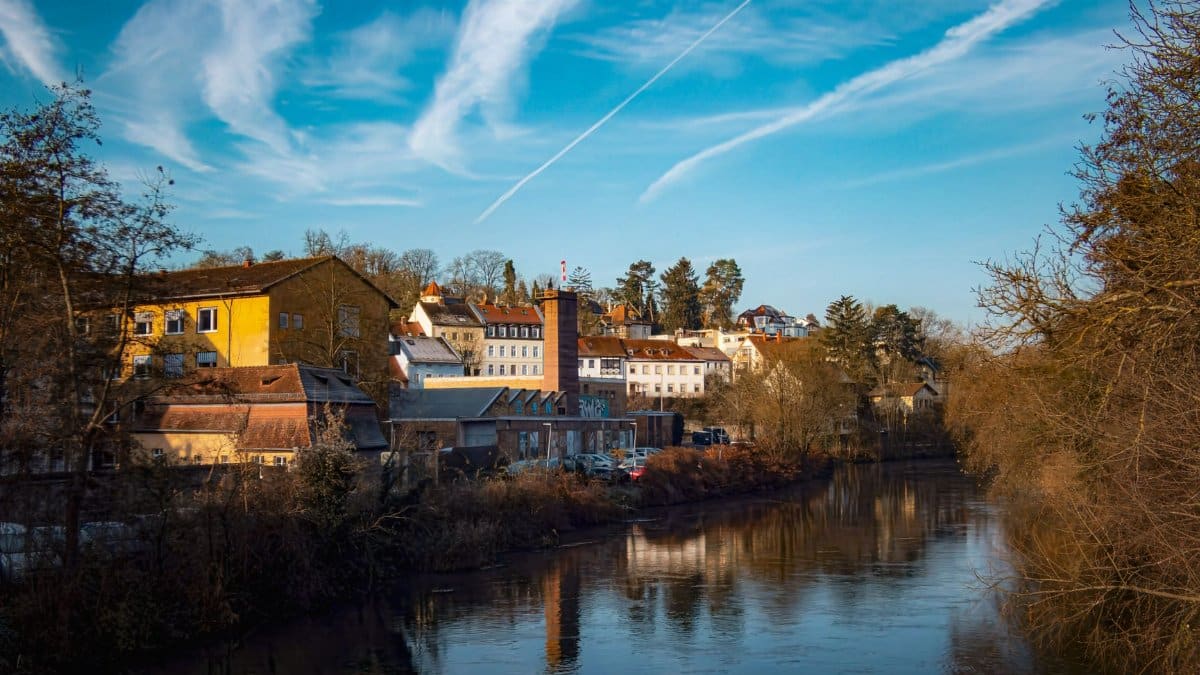
Sandstone sits in pine country east of the Twin Cities, close enough for a day trip and far enough that the drive still feels like leaving town. The park is not a backdrop. It is part of how the place introduces itself. Motel clerks point guests toward the river. Cafe conversations turn, without much prompting, to water levels and whether the rapids are running too hard for a first trip. A year with the gate shut will not erase that identity, but it will test it.
Local business owners have lived through other slow seasons, including the long stretch when pandemic rules and then a rush of new outdoor habits rearranged the calendar. What is different now is the cause. The crowds did not fade. They grew. According to reporting in the Star Tribune, visits more than doubled since 2019, and the response is not a marketing push but a planned pause funded at $2.5 million. Readers can follow that account at the paper’s story on the closure. The figure is modest beside a highway project and large beside a trail crew working with hand tools and a short construction window in a northern climate.
Why the numbers forced a decision

Doubling is an easy word until you stand in the lot it describes. Twice the cars means twice the questions at the contact station, twice the wear on paths that were never built as commuter routes, and a sharper chance that someone new to whitewater misreads the Kettle. Parks are often praised for being free in spirit even when a vehicle permit is required. They are not free of physics. Soil compacts. Roots lift. Pit toilets and picnic tables have a lifespan that crowds can shorten without anyone intending harm.
I have walked enough popular trails to know the sound of a place that is loved past its design. It is not shouting. It is the small failures: a spur path where people stepped around mud, a overlook rail polished smooth, a parking lane that exists only because drivers invented it. Managers can post signs. They can add seasonal staff. At some point the honest choice is to close, fix what the surge exposed, and reopen with a landscape that can hold the people who found it.
What an upgrade year is actually for

The public language around the project is straightforward: upgrades, a year, a set budget. The precise punch list belongs to the Department of Natural Resources and to contractors who will work inside a closure, not to rumor on a trail forum. Anyone planning a trip should treat the agency’s park page as the record that matters, not a secondhand summary. What can be said without inventing details is why such projects exist.
A year is long enough to rebuild surfaces that cannot be patched between weekends. It is long enough to move parking, repair buildings, and reset trails so that the next surge does not carve the same scars. It is also long enough to frustrate families who booked the park as the one reliable outing between school years. Both facts can be true. Stewardship is not a mood. It is a calendar, a bid, and a willingness to disappoint people in the short run so the place still functions in the long run.
Stone, water, and a park with a hard past
Banning is not a gentle meadow with a loop trail and a view of nothing in particular. The Kettle River cuts through sandstone, and the park’s history includes quarrying that once fed a town and a railroad economy. Visitors come for Wolf Creek Falls, for the gorge, and for rapids that have a reputation beyond Minnesota. That mix of industry and wild water gives the closure a particular weight. The stone was cut by people. The river is still doing its own cutting. A management decision sits between those two facts.
Places with that kind of character collect pilgrims of a practical sort. Kayakers who measure a season by a single run. Hikers who return because the light on the cliffs is never quite the same. Families who want children to hear moving water without a screen between them and the sound. None of that is sentimental decoration. It is why a closure registers as more than a construction notice. People organize private calendars around public land, then act surprised when the public agency has a calendar of its own.
The surge after 2019
The jump in visits since 2019 tracks a wider pattern that park systems across the country have described in plain terms: more people outdoors, more first visits, more pressure on sites that were already loved. Minnesota does not need a national lecture to recognize the local version. When a single park more than doubles, the interesting question is not whether nature is popular. It is which sites absorbed the popularity and which ones were built for a quieter decade.
New visitors are not a problem to be scolded. They are the point of a public park. The strain shows up when arrival outruns orientation. A person who learned the Kettle from a short video does not automatically know how cold the water is, how fast a rapid can pin a boat, or why a social trail above a cliff is a bad idea. Upgrades can add capacity. They cannot, by themselves, teach judgment. The closure year will not pause the appetite. It will only pause this entrance.
What the Banning State Park closure will feel like on the ground
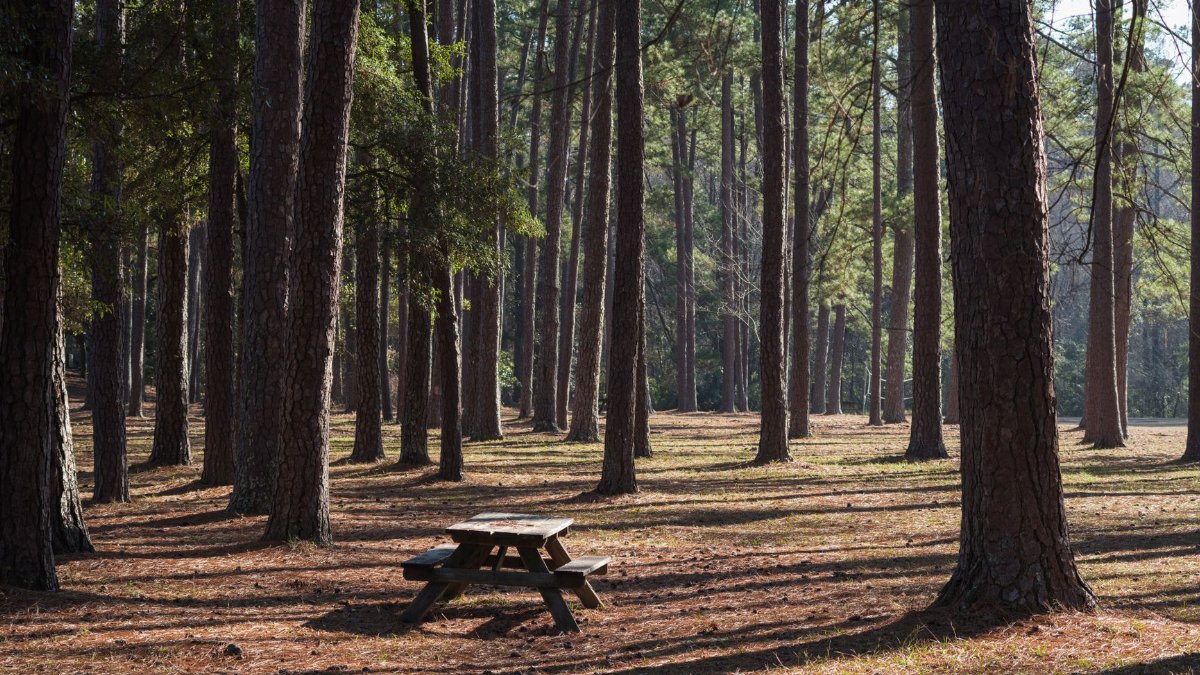
A closure is easy to reduce to a date range. On the ground it is a locked gate, a redirected sign, and a Saturday that has to be reinvented. Regulars will look for substitutes along the same river system or in nearby state parks and forests. Some will discover that the substitute is fine and never fully return. Others will treat the year as a fast. They will miss the particular bend, the particular staircase of stone, and they will be back when the gate opens, slightly territorial about a place they do not own.
That possessiveness is common and mostly harmless, until it curdles into resentment of the very crowds that proved the park matters. The Banning State Park closure is a reminder that popularity and care are the same story told at different speeds. The people who filled the lot are also the reason a legislature and an agency can justify millions for repairs. Affection that only works when no one else shows up is not a conservation ethic. It is a private preference wearing public clothes.
Rest, attention, and a landscape on sabbath
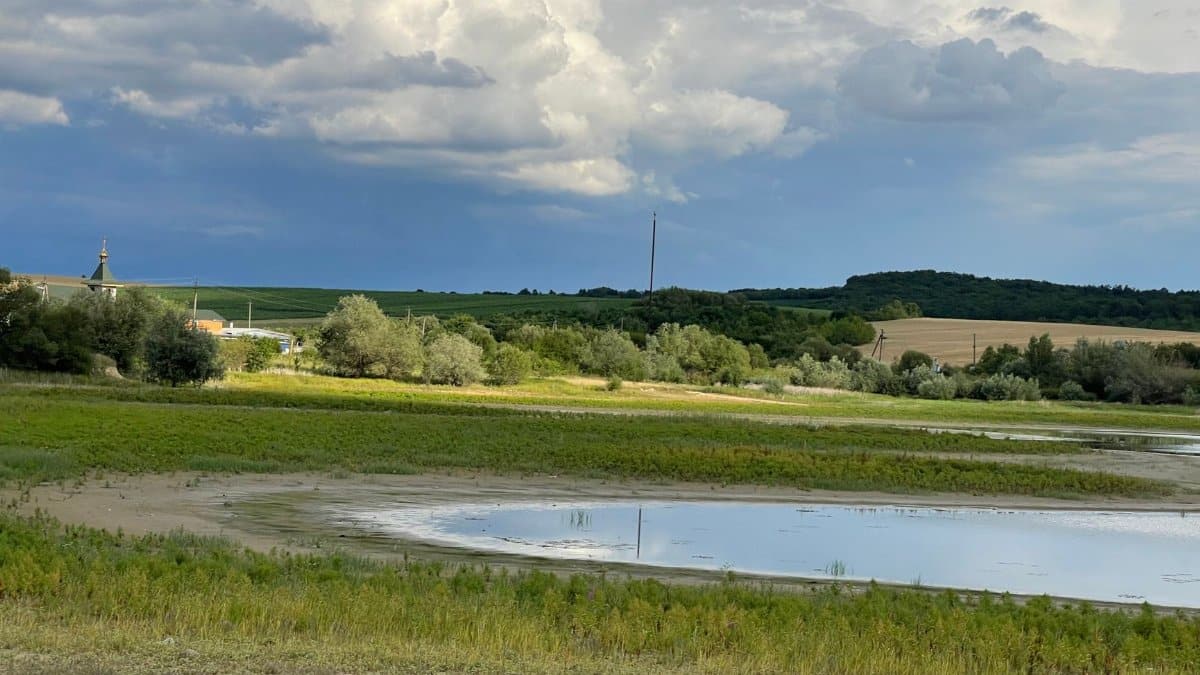
There is a spiritual habit, older than any park system, of letting a field lie fallow and calling the pause holy rather than inconvenient. I do not mean that a construction closure is a religious rite. I mean that people already use this park for something quieter than recreation statistics can capture. They come to be less reachable. They come to hear water do what water does. A year without that option will send some of them searching for the same attention elsewhere, and some of them into a thinner weekend.
Trends in spiritual life often get described as a turn inward, toward apps and private practice. The outdoor version is less discussed and just as real. Trailheads have become informal sanctuaries for people who would not use that word. When one of those places shuts, the loss is not only recreational. It is a loss of a reliable room in which a person can be unobserved. Naming that does not require mysticism. It requires noticing what people are actually doing when they drive an hour to stand beside a river.
How a town lives beside a shut gate

Sandstone and the surrounding towns will not close with the park. They will adjust. Some spending will shift to other public land. Some will simply not happen, which is the part of tourism math that rarely makes a press release. Workers who count on a busy season of rentals, meals, and last minute supplies will feel a softer year. A $2.5 million construction budget brings its own jobs, but those jobs are not the same jobs, and they do not land in the same cash registers.
The fair response is not to pretend the closure is painless, and not to treat every maintenance project as an attack on local livelihood. It is to say, out loud, that a park which more than doubled its visits cannot keep absorbing that growth on infrastructure sized for the earlier decade. Communities that depend on visitors have an interest in the repair, even when the repair includes a winter, a spring, a summer, and another winter of telling people to come back later.
Safety is part of the upgrade story

Whitewater does not become gentle because a park is beloved. The Kettle has a record, known to paddlers, of sections that punish casual confidence. Crowding raises the odds that inexperienced groups stack up at the wrong moment, or that a rescue happens far from a clear access point. Facility work will not rewrite the river. Better access, clearer approaches, and buildings that can support staff are still part of how an agency reduces stupid risk without banning the sport that draws people in.
Hikers face a different set of ordinary dangers: slick stone, unmarked edges, fatigue on a hot afternoon far from the car. None of this is an argument for fear. It is an argument for matching the welcome to the terrain. A surge in visitors is a success until the success includes more close calls. Closing for a year is a blunt tool. Sometimes blunt is what a battered site can accept.
What reopening should be asked to prove

When the park returns, the test will not be a ribbon and a photograph. It will be whether a July Saturday feels managed rather than improvised. Parking should match the demand the state has already measured. Trails should show that crews chose durable lines instead of painting over shortcuts. Visitors who arrived after 2019 should find a place that expected them, not a place still startled by them.
There is a second test, quieter. Can regulars share the reopened park without narrating themselves as the last true users? The Banning State Park closure will give them a year to practice that story in private. If they spend it only in complaint, the reopening will feel smaller than the budget. If they spend it learning where else the region holds water and pine, they may come back as guests of a public place rather than as landlords of a memory.
A year is not an erasure

Land does not pause because a gate does. The river will run. Stone will shed grit into eddies. Animals will use paths that people temporarily abandon. Some of what crews repair will be scuffed again within a season, which is not failure. It is the ordinary bargain of public land: we build, we wear, we build again. The alternative is a slow unpaid demolition by shoes and tires.
For readers who measure weekends by whether the park is open, the practical advice is simple and unglamorous. Check official notices before you drive. Spend the closure year on other public land that can hold you. Treat the $2.5 million not as a rumor of luxury but as a receipt for a doubled crowd. And when the Banning State Park closure ends, arrive as if the place were new, because in the ways that matter to soil and stone, parts of it will be.