
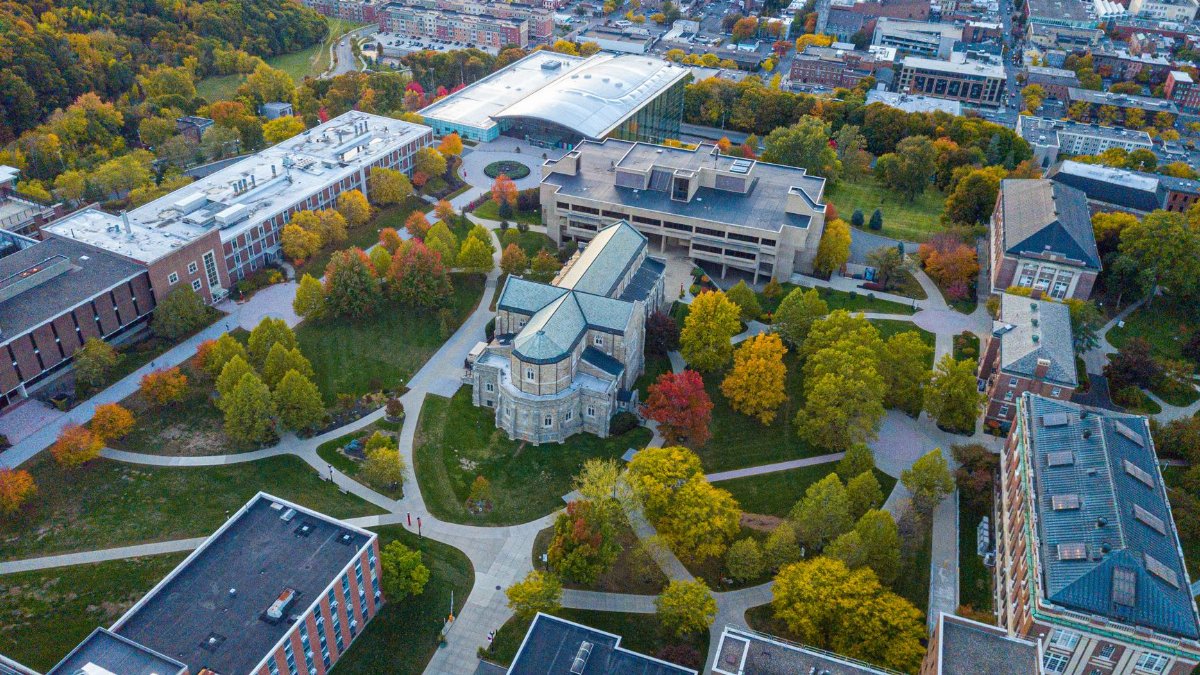
The lights are off at 1200 Davis Street, and the sign that once marked a private school has the stillness of a place waiting for a second life. In a city that argues about almost everything that touches children, a new proposal has arrived with a premise that sounds both modern and unsettling. Alpha School Evanston would put software at the center of the day and keep adults in a thinner role than most parents remember from their own classrooms. The group is reviewing the former Roycemore building, and that review has already started conversations on porches, in coffee lines, and among people who follow local schools. A closed campus is never only real estate. It is a question about what a community believes a child needs in order to grow.
A campus that still holds a name
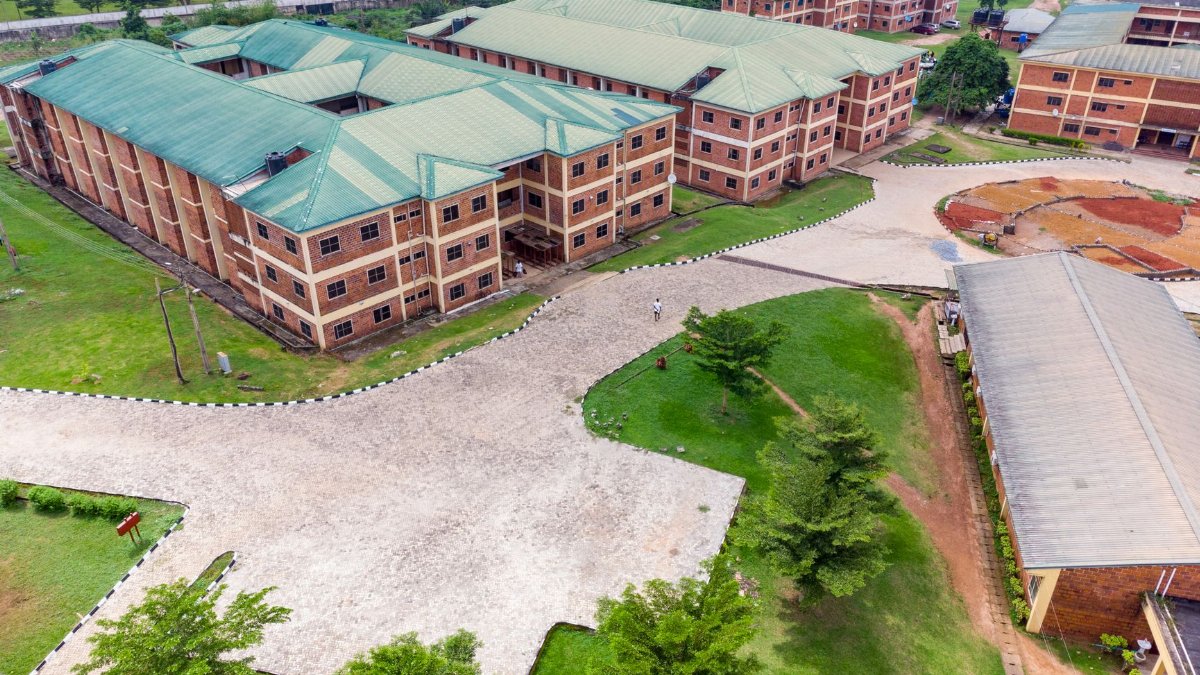
Roycemore is not a blank on the map. For years it was a private school woven into Evanston routines, the kind of place neighbors could locate without checking an address. When a school closes, the building does not lose its meaning on the day the last class ends. Parents still point to it. Alumni still measure time by it. Nearby residents still hear the ghost of dismissal bells in the afternoon traffic on Davis Street.
That memory matters because the next tenant would not be another familiar academy with the same rhythms. The pitch attached to this site is an artificial intelligence campus that leans on software for core academic work and uses fewer classroom teachers than a conventional school. Reporting has framed the interest as a review of the former Roycemore building, not a finished deal. Even so, the mere fact of a review is enough to reopen an old civic argument: who gets to define a school when the building already carries someone else’s history.
I walked past closed schoolhouses in other towns and felt the same small jolt. The windows look ordinary. The implication does not. A city can accept a new use and still grieve the old one.
What the model asks families to believe

Programs built around adaptive software tend to make a bold promise. A child can move faster in math, linger longer in reading, and skip the parts already mastered. The machine, in this telling, is patient in a way a crowded classroom cannot always be. Adults remain in the building, but their job shifts toward coaching, projects, and supervision rather than the daily work of explaining fractions to twenty five different minds at once.
Supporters describe that shift as liberation. They say children waste hours waiting for a lesson pitched to the middle of the room. They say software can notice a mistake in the moment and send the student back to the idea that failed. They say the saved time can go to writing, sport, making things, and the messy human work that does not fit on a quiz.
Critics hear a different sentence in the same brochure. If the academic core can run without a teacher at the board, then the school is selling efficiency in place of relationship. For them, the phrase school without teachers is not a slur invented by opponents. It is the logical description of a design that treats instruction as a product delivered by code.
The teacher is the argument
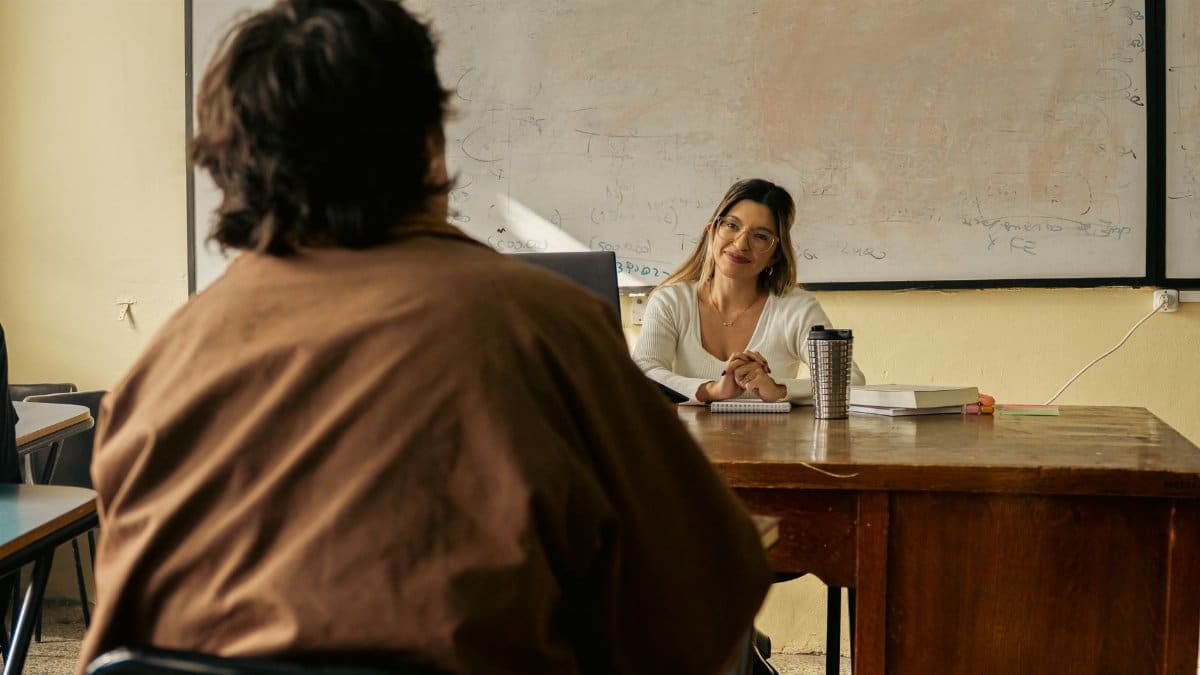
Strip away the branding and the fight is about authority. A traditional teacher is a licensed adult who plans, explains, notices boredom, and carries responsibility when a child does not learn. A guide in a software heavy campus may be warm and skilled and still not be that person. Parents trying to compare the two are often comparing job descriptions that schools have not fully translated into plain language.
There is a fair version of the new model and a careless one. The fair version is honest that software handles drills and pacing while trained adults handle judgment, ethics, and the student who is falling apart on a Tuesday. The careless version implies that expertise is optional once the platform is good enough. Evanston families, many of whom chose this city in part for its public schools and its arguments about them, are unlikely to accept vagueness on that point.
If Alpha School Evanston wants a hearing rather than a caricature, it will have to say who is in the room, what those adults are trained to do, and what happens when the software is wrong. Those are not hostile questions. They are the questions any parent asks before trusting a stranger with a child.
Speed is not the same thing as formation

Education news often treats test gains as the whole story. A spiritual reading of the same story, and this is a city that still talks about character even when it avoids church language, asks what a day does to a young person’s attention. Does the student learn to sit with a hard page, or only to clear a level? Does wonder survive a schedule built around mastery checks? Does an adult know the child’s name in a way that changes the child’s courage?
Screen time is the obvious worry, and it is not a frivolous one. American parents already negotiate phones, games, and homework portals. A school that adds hours of adaptive lessons is asking for a deeper trust: that this screen is different because it is purposeful. Some children will thrive on that clarity. Others will feel managed by a system that never gets tired and never quite sees them.
Formation is slower than optimization. A good school, public or private, teaches a child how to be with other people when the algorithm has nothing to say. Any campus on Davis Street will be judged on that older standard, whether or not its founders invite the judgment.
Access, price, and the street outside
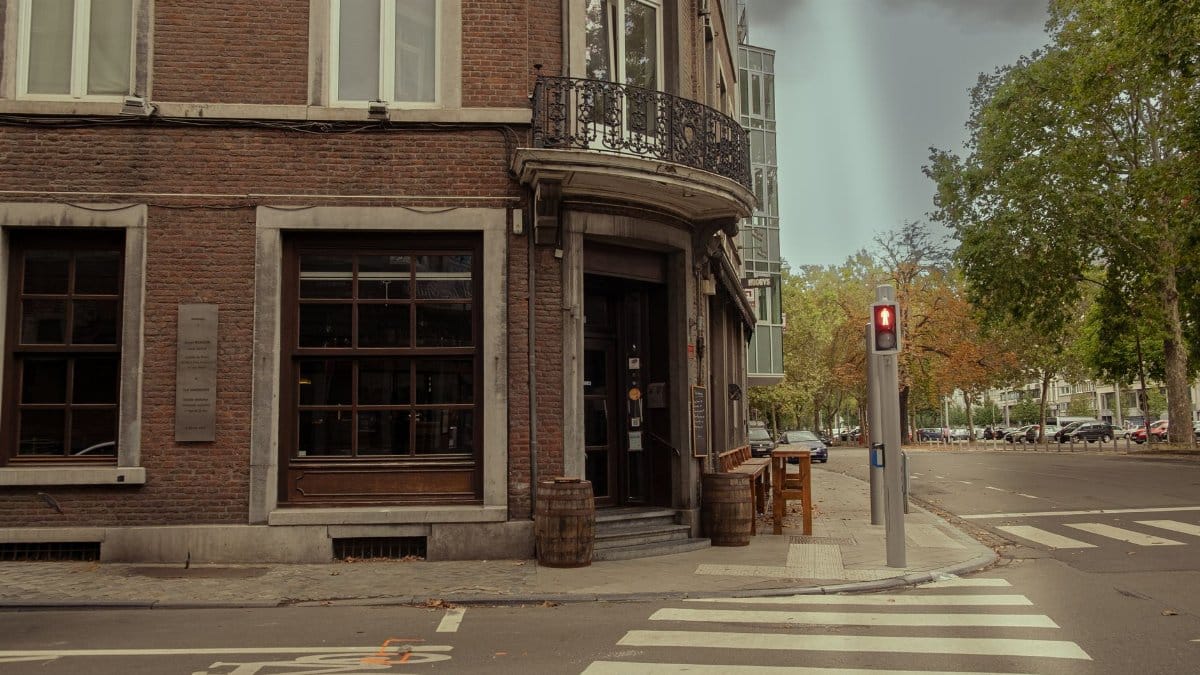
Evanston is not a cartoon of wealth, but it is a place where private options and public pride sit side by side, sometimes uneasily. A new private model in a former private building will be read through that lens. Who can pay. Who is recruited. Whether the student body reflects the city or a narrow slice of families already comfortable with experiments.
There is also the practical life of a block. Drop off lines, parking, evening events, and the feeling of a campus that is occupied again after a quiet period. Neighbors who loved Roycemore may welcome footsteps. Neighbors who fought traffic may not care what philosophy arrives with the cars. Land use arguments often pretend to be about pedagogy when they are about mornings. Both layers are real.
Equity talk can become a ritual in which every new school is guilty until it publishes a scholarship policy. Ritual is not analysis. Still, a teacher light private campus that markets acceleration will have to answer whether acceleration is a public good or a private advantage dressed up as innovation. Alpha School Evanston will not get to choose only the flattering half of that question.
What the city can decide and what it cannot

Local government is not a curriculum committee. Cities weigh zoning, safety, occupancy, and the fit of a use in a neighborhood. States and accreditors, where they apply, weigh whether a program satisfies compulsory education and whether credentials mean what they claim. Parents weigh the rest, including the ineffable sense that a place is or is not right for their child.
That division of labor is easy to blur when the proposal is novel. Opponents may ask the council to rule on educational philosophy. Supporters may treat every zoning question as fear of the future. A cleaner debate would separate the issues. Is this building allowed to house a school of this size. Are the adults qualified under the rules that actually govern them. Are families being told the truth about what the day looks like.
Journalists should be modest here. A review of a building is not a vote, a lease, or an opening day. The Chicago Tribune has put the possibility in front of readers. Possibility is not the same as arrival. Treating a review as a done deal would be its own kind of hype.
Evidence that does not settle the room
Research on education technology is broad, uneven, and easy to cherry pick. Some studies find gains when software supplements a strong teacher. Others find little benefit, or benefit that fades, when screens replace human explanation. Very little of that literature maps cleanly onto a full campus built around artificial intelligence, because that campus is newer than the studies parents wish they could cite.
The honest summary is unsatisfying. Tools can help a motivated student practice. Tools can also hide weak curriculum behind a polished interface. Outcomes depend on the child, the subject, the amount of adult attention, and the honesty of the school about what it measures. Anyone promising a revolution from a platform alone is selling ahead of the evidence. Anyone insisting that software can never teach a skill is ignoring classrooms that already use it every week.
Evanston does not need a false certainty. It needs a standard: show the work, name the limits, and let families see results that are not selected for a tour.
A city that practices disagreement
One reason this story lands with force is that Evanston already knows how to argue about schools. Public board meetings, integration efforts, neighborhood boundaries, and the status of private options have trained residents to hear education as a moral subject, not a consumer choice. A proposal that reduces the teacher will not pass through that culture quietly.
That habit of argument is a strength if it stays specific. It becomes noise if every speaker is only for or against technology in the abstract. The useful voices will be the ones who ask about a ninth grader who hates math, a third grader who cannot yet read, a child with a disability, and a family that cannot afford tuition. Those cases test a model more honestly than a slogan about the future of learning.
Community memory of Roycemore can help rather than hinder. People who loved that school know what a campus feels like when it is alive. They can tell the difference between activity and care.
Trust has to be earned in daylight

New school models often arrive with the confidence of a startup and the language of a movement. Cities like this one respond better to daylight. Publish the schedule. Explain assessment. Describe discipline. Say how student data is stored and who can see it. Invite teachers from Evanston, including skeptics, to watch a lesson that is not staged. If the academic day is short because software is efficient, show the rest of the day with equal clarity.
Trust also runs toward the people who already live with the empty building. They deserve a timeline that does not shift every week, and a distinction between interest, negotiation, and commitment. Real estate rumors grow in silence. Silence is a poor strategy on Davis Street.
None of this requires hostility to innovation. It requires the old civic demand that institutions explain themselves before they ask for children.
What a yes or a no would mean

A yes would not prove that artificial intelligence has replaced the teacher. It would prove that a set of families, a landlord, and the relevant public rules found enough alignment to try. The trial would then be watched with unusual intensity, because the building is visible and the claim is large. Success would look like children who can explain their work, adults who know those children, and a campus that does not treat the neighborhood as a backdrop.
A no would not prove that the old model is sacred. It might mean the site is wrong, the timing is wrong, or the answers were thin. Another operator could still come. The closed school would remain a prompt.
Either outcome leaves the deeper question untouched. Alpha School Evanston is a local name for a national wager: that code can carry more of the academic load, and that humans can carry what remains. Evanston is a fitting place to test that wager in public, not because the city is easy, but because it is unwilling to confuse a new tool with a finished education. The windows at 1200 Davis Street can fill with light again. What matters is whether the light falls on students who are known, challenged, and still capable of wonder when the screen goes dark.