
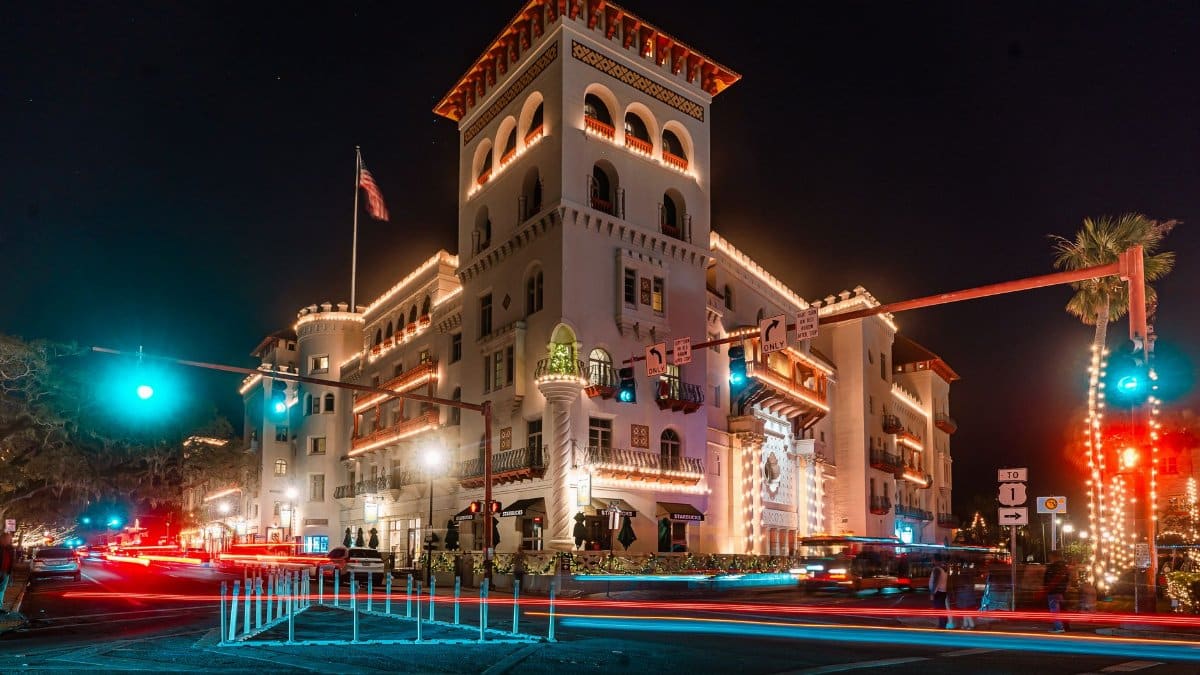
In the lively dining rooms of Lakewood where colorful performances once drew families from across the region performers now face an uncertain path toward better terms of employment. Their push centers on the Casa Bonita union contract which has lingered in talks long after earlier work stoppages ended. The situation highlights ongoing tensions between creative staff and management at one of Colorados most recognizable eateries owned by Trey Parker and Matt Stone.
History of the Iconic Restaurant
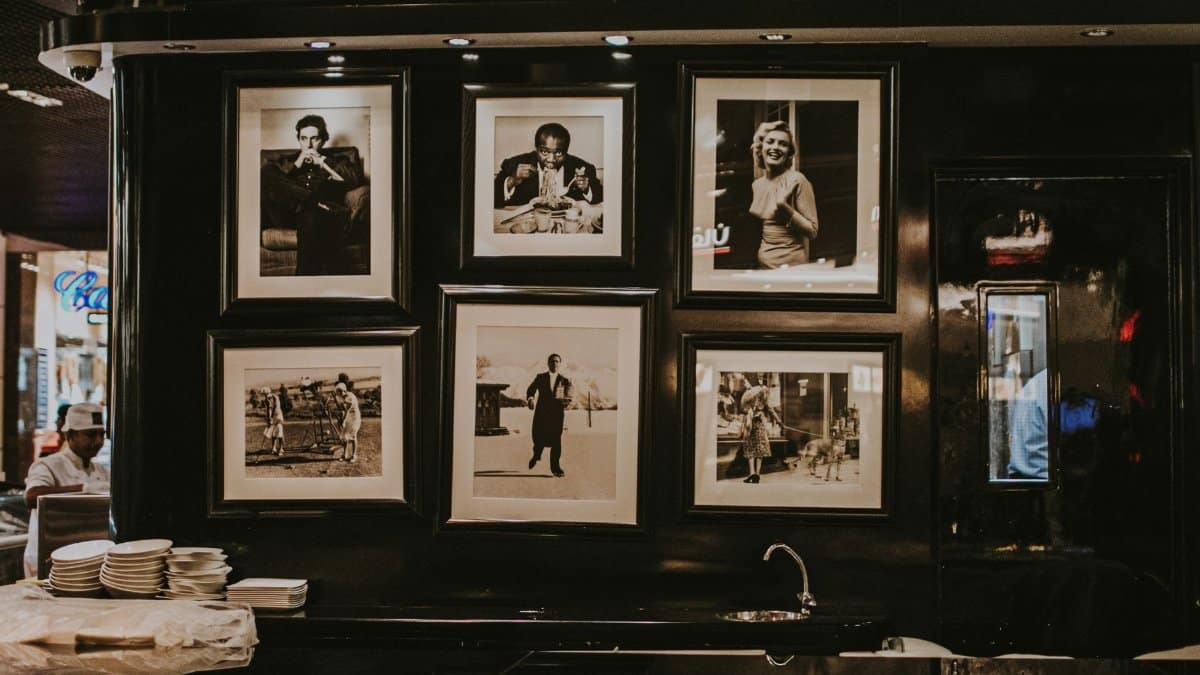
Casa Bonita opened decades ago and quickly became a local landmark known for its cliff divers mariachi bands and endless sopapillas. Over time the venue attracted visitors seeking entertainment alongside meals creating a unique blend of dining and theater. Staff members often juggled multiple roles from serving food to acting in short shows that entertained guests throughout the evening. This dual expectation shaped daily routines and set the stage for later discussions about fair compensation.
Origins of Recent Labor Actions
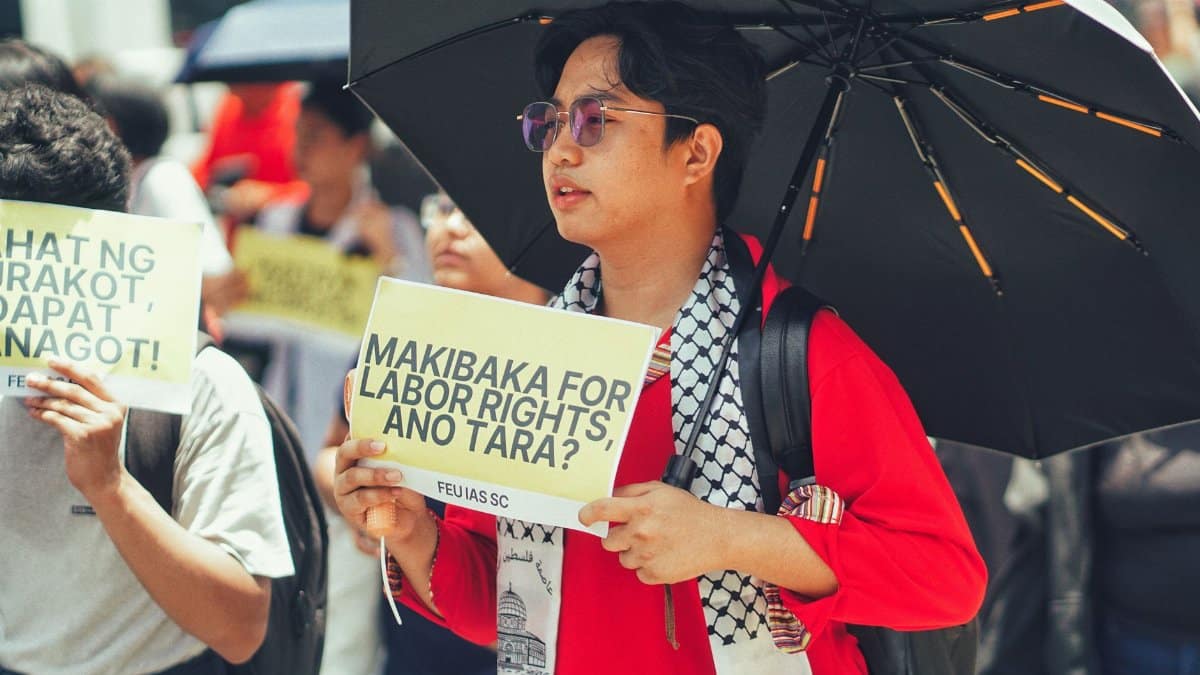
Performers began organizing after noticing stagnant pay and limited input on scheduling. Many described shifts that stretched into long hours without corresponding raises or consistent benefits. The decision to pursue collective bargaining emerged from these shared experiences as workers sought a structured way to address concerns. Early meetings revealed broad support among actors who felt their contributions to the shows deserved greater recognition.
Key Figures in Ownership

Parker and Stone acquired the property with plans to revive its appeal while maintaining its playful spirit. Their vision included updates to the facilities and renewed marketing efforts aimed at longtime patrons. Yet the transition also brought questions about how new management would handle relations with the performance team. Conversations between owners and staff initially focused on operational improvements before moving toward formal contract talks.
Core Issues in Current Talks

Wages stand out as a primary topic with actors requesting adjustments that reflect both performance demands and rising living costs in the area. Additional points include clearer guidelines on break times costume maintenance and safety measures during staged sequences. Participants emphasize the need for transparent processes that protect everyone involved in the nightly productions.
Role of Actors in Daily Operations

Each evening several performers cycle through short skits that add energy to the dining experience. These sequences require precise timing coordination with servers and quick changes between scenes. Workers note that the physical and creative aspects of the job often exceed typical restaurant duties yet compensation has not always matched those expectations. Such observations fueled interest in establishing baseline standards through negotiation.
Community Response to the Dispute
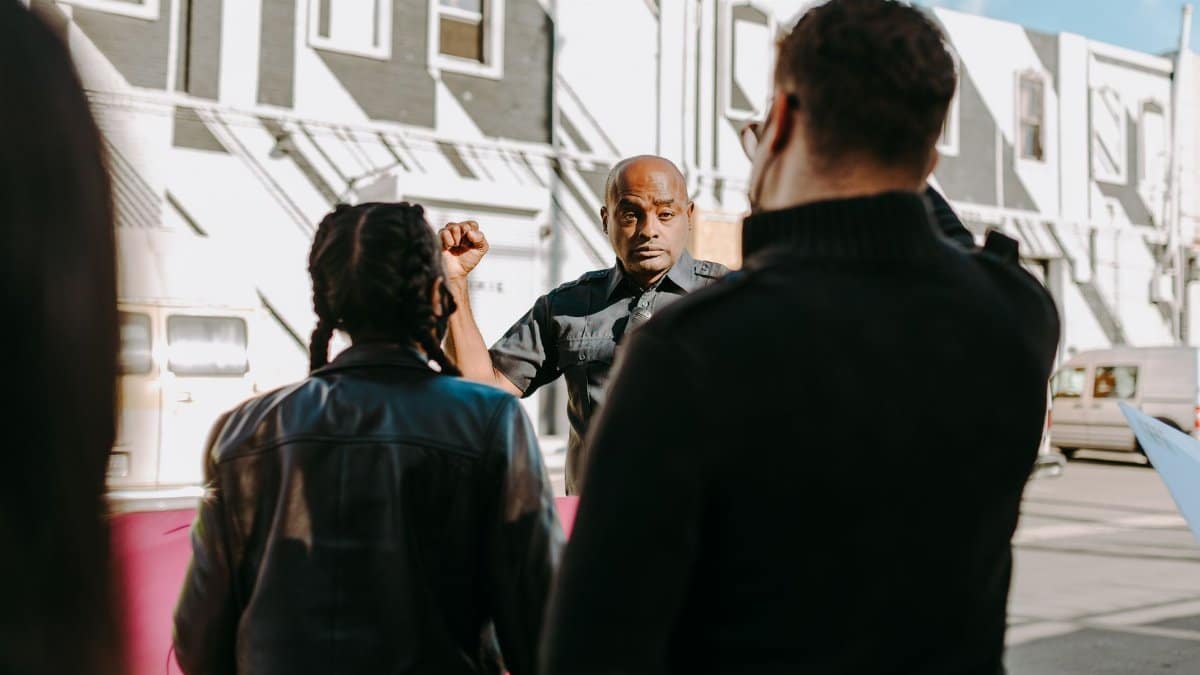
Local residents have followed developments with a mix of curiosity and support for the performers. Some former guests recall fond memories of the shows and express hope that solutions will preserve the venues charm. Others point to wider patterns in the service industry where similar groups have gained ground through organized efforts. Public comments on social platforms reflect a desire for both sides to reach common ground.
Challenges in Reaching Agreement

Progress has moved slowly due to differing priorities over contract language and implementation timelines. Management has stressed financial considerations tied to ongoing renovations while the union side highlights immediate needs for its members. Mediators have stepped in at times to facilitate dialogue yet several sticking points persist. Observers suggest that patience and continued communication will prove essential.
Broader Trends in Hospitality Labor

Across the country restaurant and entertainment workers have increasingly turned to unions to address longstanding concerns. Recent examples in major cities show gains in areas such as paid leave and input on workplace policies. The situation at this Lakewood landmark fits within those larger movements as performers seek precedents that could benefit similar venues. Analysts note that successful contracts often balance business realities with employee priorities.
Potential Outcomes for All Parties

A finalized agreement could set a model for other regional establishments facing comparable issues. For the actors it might mean steadier schedules and added protections during performances. Owners meanwhile could gain clearer expectations that support smoother operations going forward. Both perspectives underscore the value of compromise in preserving a cherished community asset.
Looking Ahead to Resolution

Negotiators continue to exchange proposals with hopes of finalizing details in the coming months. Regular updates from union representatives keep members informed while ownership evaluates options that align with their business model. The process remains a test of collaboration in an industry where creative and service roles intersect daily. Success here could influence future discussions at comparable sites nationwide.