

As the sun rises over Lake Michigan and commuters fill the trains heading downtown, paychecks for thousands of hourly workers stand on the verge of meaningful growth. This shift arrives through Chicago Minimum Wage Increase 2026, Cook County Wage Hike July 1, Illinois Minimum Wage Chicago, a change that touches restaurant servers, retail clerks and home health aides alike. City leaders have set the new floor at 17.05 dollars per hour inside Chicago limits while Cook County reaches 15.40 dollars, moves that arrive amid steady inflation and shifting labor demands. Observers note these adjustments reflect years of incremental policy work rather than sudden upheaval.
Background on Recent Wage Adjustments
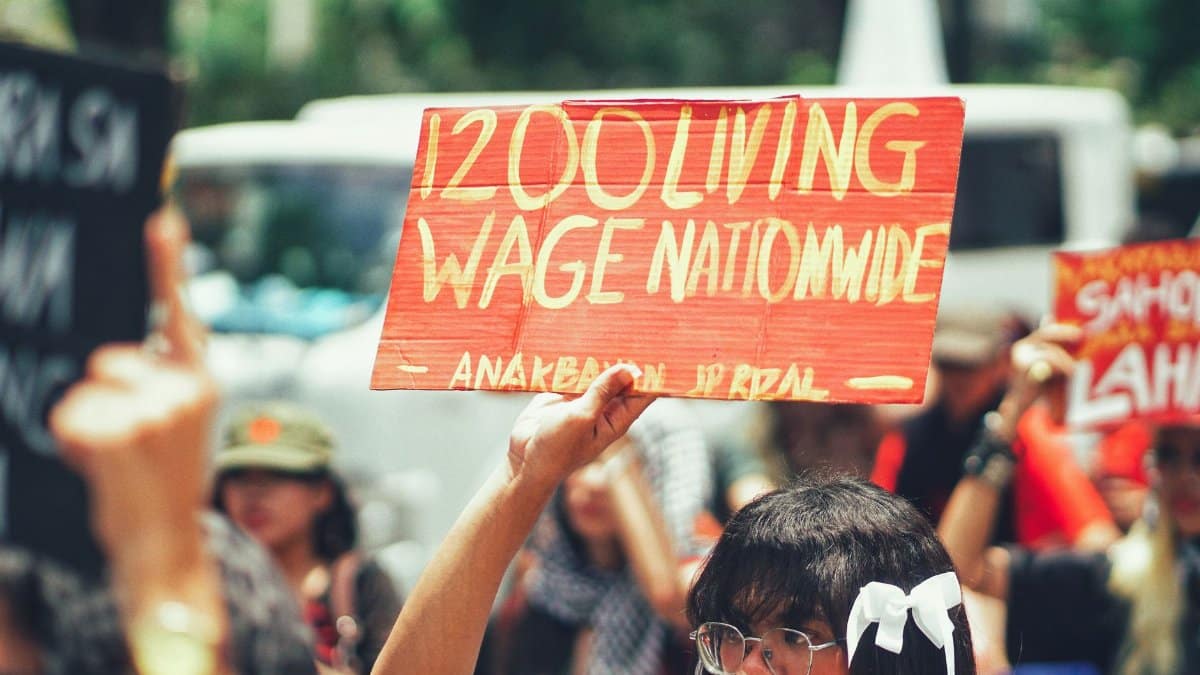
Illinois has followed a statewide schedule that raised the floor to 15 dollars last year, yet Chicago and its surrounding county have chosen faster timelines. Local ordinances allow the two jurisdictions to exceed the state level, creating a patchwork that employers must track carefully. City data shows average rents have climbed more than 20 percent since 2020, a trend that makes each extra dollar in take home pay more noticeable for families.
Effects on Restaurant Operations

Owners of small eateries report they will review menu prices and shift some staff to fewer hours rather than absorb the full increase at once. Larger chains with multiple sites inside city borders already budget for the rise and expect only modest menu adjustments. Industry groups point out that labor costs represent roughly 30 percent of expenses at many establishments, so even small hourly gains add up across a full week.
Views From Tipped Employees
Servers and bartenders remain divided. Some welcome the security of a higher base wage while others fear reduced tip income if customers assume the new floor covers everything. One longtime server at a downtown bistro described the change as welcome stability during slower winter months when tables sit empty for longer stretches.
Business Cost Concerns

Small retailers and service firms outside the restaurant sector also calculate impacts. Cleaning companies and delivery services that rely on part time staff say they may raise rates for commercial contracts to stay profitable. Economists at local universities note that prior wage increases produced only modest job losses when the economy remained strong, though results could differ if growth slows.
Political Landscape and Leadership

Mayor Brandon Johnson has championed the latest round of increases, framing them as essential support for working households. County commissioners aligned with his approach during recent budget talks. Critics in the business community argue the pace outstrips neighboring states and could discourage new investment along the city edge.
Comparison With Neighboring Areas

Suburban towns just beyond Cook County lines keep lower rates tied to the state schedule, creating an incentive for some workers to accept longer commutes. Employers near the border watch hiring patterns closely to see whether staff migrate toward higher paying zones inside the county. Early surveys suggest most employees stay put when benefits and shift reliability matter more than a single dollar difference.
Long Term Projections Through 2026

Analysts expect further bumps tied to inflation measures, potentially pushing the city rate above 18 dollars by the end of 2026. Cook County would follow at a slightly slower clip. These forecasts depend on continued economic expansion and stable tax revenue that funds city services.
Worker Experiences Across Sectors

Home health aides describe the coming increase as relief for transportation costs that have risen with fuel prices. Retail workers at big box stores inside Chicago already receive company wages above the new minimum, yet they see the policy as protection against future erosion of purchasing power. Each group tracks the July 1 start date with a mix of anticipation and caution.
Research Findings on Wage Policies
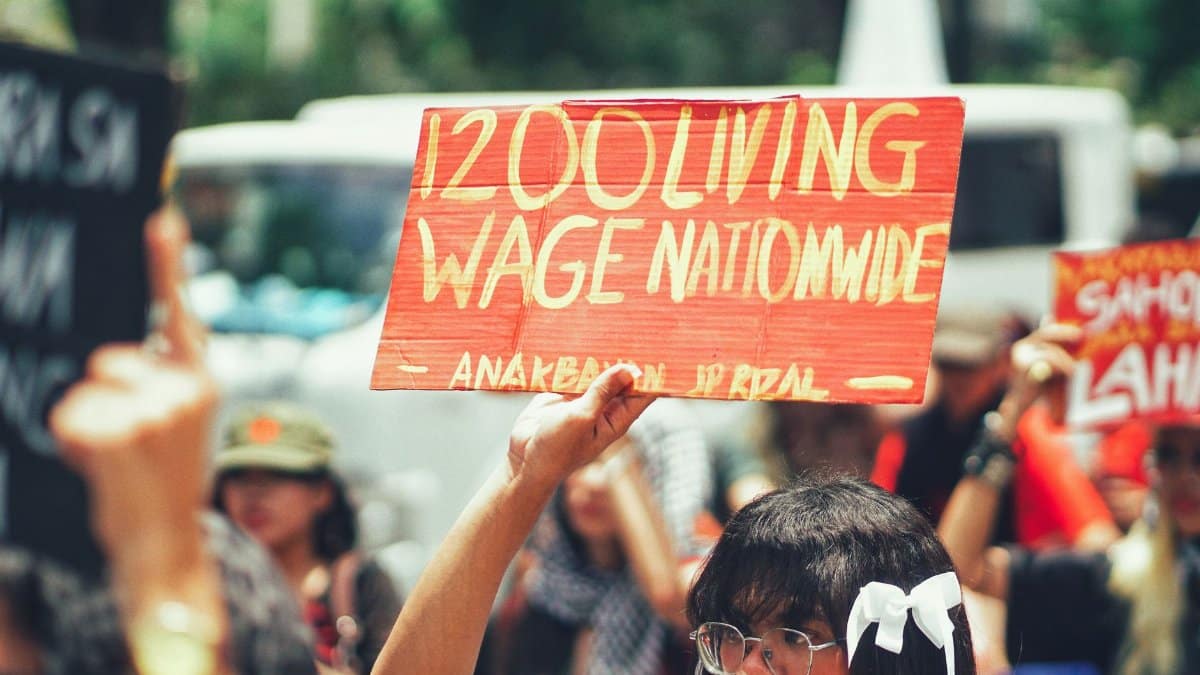
A University of Illinois study released last spring found that earlier increases correlated with stable employment levels in food service when consumer spending held firm. The report appears at https://www.chicagotribune.com/2026/06/29/minimum-wage-chicago-cook-county/. Researchers caution that results vary with overall economic conditions and enforcement strength.
Future Policy Considerations

City council members plan hearings this fall to review enforcement tools and possible exemptions for very small employers. Advocates push for clearer guidance on tip credits while business representatives request longer transition periods for the next scheduled rise. Both sides agree that predictable schedules help everyone plan ahead.