

On a gray November morning along the San Francisco waterfront, the wooden crates that usually fill with bright red crabs sat stacked and idle, and the familiar clatter of dockside sales never arrived. Families who build Thanksgiving around cracked shells and melted butter learned that the boats would stay tied up. State wildlife officials announced a Dungeness crab delay that pushes the commercial season past Thanksgiving and Christmas and into at least January, a choice made to keep endangered whales clear of fishing gear.
A holiday tradition put on hold

For generations, the opening of crab season has marked the turn from fall to winter on the California coast. Restaurants print special menus. Fish markets chalk prices on windows. In towns from Crescent City to Monterey, the first landed crabs signal that the ocean is offering its cold season bounty. This year that ritual is postponed. The delay is not a surprise to people who follow the fishery closely, but it still lands hard when the calendar reaches the week of travel, family tables, and long planned meals.
Commercial fishers had expected, as they do most years, to set pots in mid November. Instead they are waiting on surveys of whale presence and on a formal decision from the state. Recreational fishers face their own rules, which can differ by zone and by date, and shoppers who hoped to buy local crab for the holiday are being told to look elsewhere or to wait. The absence is cultural as much as economic. Crab is not only protein. It is a shared habit, a reason to gather, and a taste that many Californians associate with the end of the year.
Why the state chose to wait

The official reason is straightforward. Large whales, especially humpbacks, remain in or near fishing grounds later than the traditional opening allows. Vertical lines that connect crab pots on the seafloor to buoys at the surface can entangle those animals. An entanglement can injure or kill a whale, and it can also shut down or restrict a fishery that thousands of people depend on. Managers would rather lose weeks of fishing than risk a fatal meeting between gear and wildlife.
That calculation produced the current Dungeness crab delay. Officials have said the commercial fleet will not start until whale numbers drop to a level the state considers safer, and they have pointed to January as the earliest realistic window. The decision sits inside a broader shift in how California runs this fishery. Opening day is no longer a fixed tradition. It is a moving target shaped by animals, weather, and law.
Whales on a crowded coast
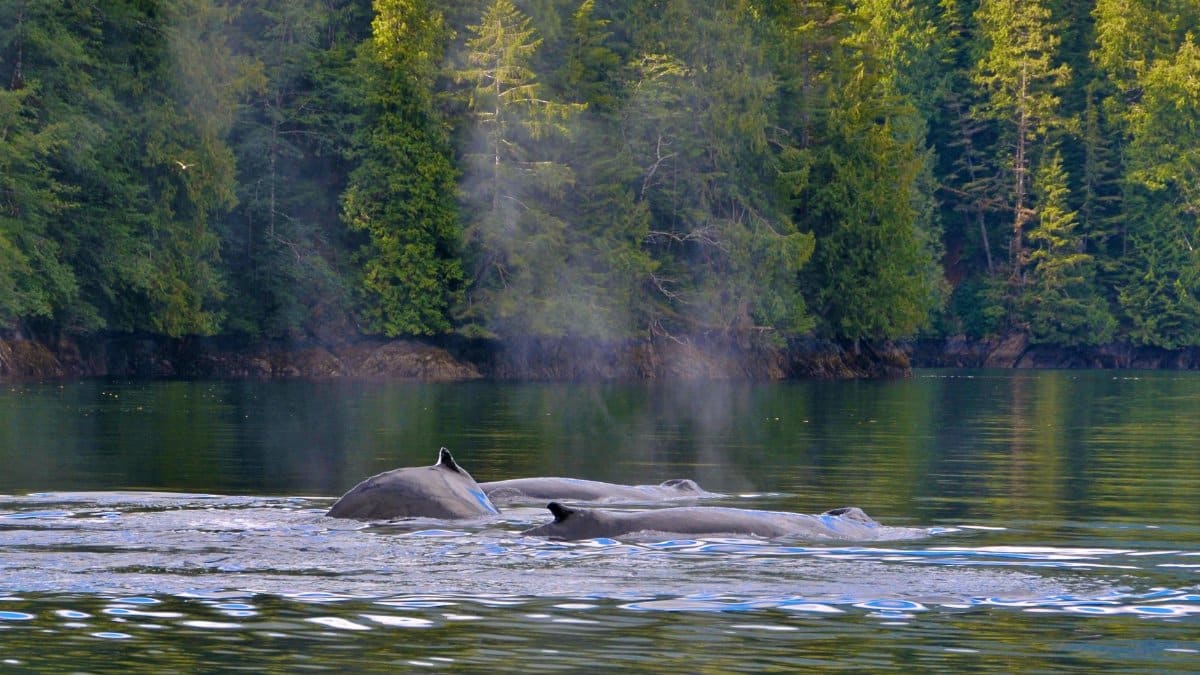
Humpback whales feed along the California Current, following krill and small fish. In recent years more of them have lingered off the central and northern coast into late fall. Blue whales and other large species also use these waters, though humpbacks account for many of the entanglement concerns that drive seasonal calls. Leatherback sea turtles, which are also protected, add another layer of caution in some areas and some years.
The coast is busy in other ways. Shipping lanes, recreational boats, and changing ocean temperatures all shape where whales go. When prey is abundant near shore, whales stay. When the prey moves, the whales follow. Fishers do not control that pattern, and neither do regulators. What regulators can control is whether thousands of lines are in the water while the whales are still there. Waiting is the bluntest tool they have, and for now it is the one they trust most.
How the calendar gets set

California runs the commercial crab fishery through a risk system built after a painful series of entanglements in the middle of the last decade. A working group of fishers, scientists, environmental advocates, and agency staff reviews aerial surveys, vessel sightings, and ocean conditions. The director of the state wildlife agency then decides whether zones can open, stay closed, or open with limits such as reduced gear or depth restrictions.
The process is public, but it is not simple. Surveys can be grounded by fog. Whales can move overnight. A zone that looks clear one week can look risky the next. Fishers often argue that the thresholds are too cautious and that closures last longer than the data justify. Conservation groups often argue the opposite, that any preventable entanglement of an endangered animal is too many. The state sits between those pressures and tries to show its work. Trust depends on whether people believe the surveys and whether the final call feels even handed.
What waiting costs the fleet

A closed season is not a quiet one for the people who fish. Crabbers maintain boats, repair pots, and watch fuel prices and interest payments whether or not they are allowed to leave the harbor. Many operate on a short, intense season. The early weeks, when demand is high and crab is freshest in the public mind, often carry a large share of annual income. Pushing that window into January means fishing in rougher weather, competing with a market that has already celebrated without local crab, and hoping the animals are still there in good condition.
The Dungeness crab delay also ripples through crews, processors, truck drivers, and bait suppliers. A deckhand who counted on November work may take another job and not come back. A small processor may struggle to keep staff. These are not abstract losses. They show up as missed mortgage payments and as harbors that feel strangely still in a month that used to roar. Fishers who support whale protection in principle still describe the delay as a direct hit on a livelihood that is already exposed to storms, market swings, and warming seas.
Restaurants and the family table

In the Bay Area and along the North Coast, holiday menus are being rewritten. Some chefs are importing crab from Oregon or Washington, where seasons can open on a different schedule, or they are featuring other local seafood. Others are telling regulars that California crab will arrive later, if it arrives in time for New Year gatherings at all. The price, when crab does appear, may reflect scarcity and the cost of bringing it from farther away.
Home cooks feel the same pinch. A Dungeness crab delay means the centerpiece many people planned is simply not in the case at the market. Some will switch to farmed shellfish or to a roast. Others will wait and treat a January crab feed as its own occasion. Grocers say customers ask, then adapt. The disappointment is real, but it is also a reminder that a wild food is not a guaranteed product. It depends on a living ocean that does not follow a grocery calendar.
Lines, pots, and the harm they can do
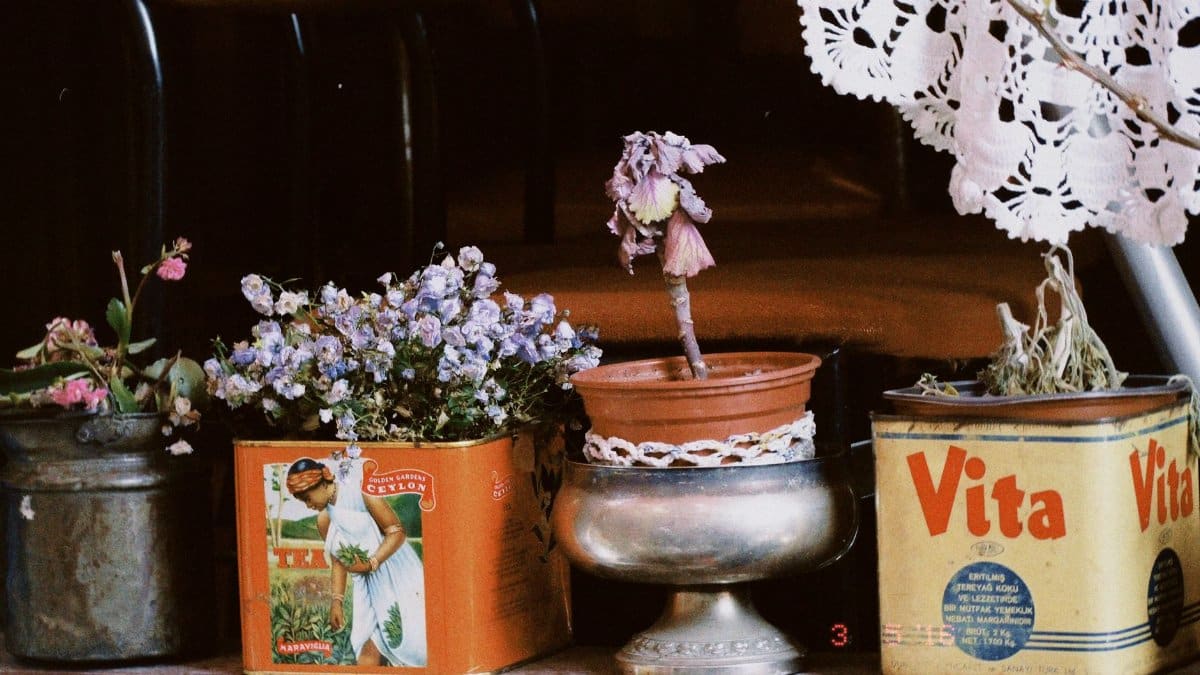
A crab pot is a simple machine. It sits on the bottom, baited, and a line runs up to a buoy so the fisher can find it and haul it. That line is the problem when a whale passes through. The animal can wrap the rope around a flipper, a tail, or its mouth. Dragging gear can exhaust a whale, cut into flesh, and make feeding impossible. Rescue teams sometimes cut gear free, but attempts are dangerous, expensive, and not always successful. Prevention is the safer path.
Managers have tried partial measures. They can close only the zones where whales are concentrated. They can limit the number of traps. They can require gear to be removed quickly if risk spikes. Each option reduces harm without always solving it. A full delay is the option that removes the lines entirely until the whales move on. It is blunt, and fishers resent the lost time, but it is also clear. There is no entanglement from gear that is still on the dock.
Safer gear and an unfinished experiment
The long argument on this coast is whether fishers can catch crab without leaving a permanent line in the water. Pop up systems, sometimes called ropeless gear, keep the line stored with the pot until the fisher signals it to rise. If that technology works at scale, a whale can swim through a fishing ground without meeting a rope. Trials are underway, and some fishers are participating. Others worry about cost, reliability, lost gear, and whether a signal based system can survive salt, depth, and winter storms.
Nobody serious pretends the switch will be quick. A fleet cannot replace thousands of pots in a single off season, and regulators have not yet made the new gear the only legal option. Still, the experiments matter. Every year that opens late adds pressure to find a method that protects whales without erasing the fishery. The delay is a stopgap. The gear question is the future, and it will decide whether Thanksgiving crab returns as a dependable custom or remains a privilege of quiet whale years.
What an opening in January could look like
If surveys in early winter show that whales have moved on, the state can lift the closure by zone. Northern ports and central ports do not always get the same date. Fishers then race to set gear, often in short daylight and heavy swell. Crab quality can still be excellent in January. The animals are cold water creatures, and a late start does not automatically mean a poor catch. What it does mean is a compressed season and a public that has already moved on from holiday buying.
There is also a chance the wait lasts longer. If whales remain, or if another risk such as elevated marine toxins appears in testing, managers can hold the fleet again. That uncertainty is now part of the job. The Dungeness crab delay announced for the holidays is a floor, not a promise that January will be the start. People who plan around this fishery, from captains to chefs, are learning to treat every date as provisional.
A coast learning to share the water
Stand on a pier in Half Moon Bay or Bodega Bay in a normal November and you can feel the season begin in the engine noise and the stack of yellow and orange buoys. This November is quieter. The quiet is a policy choice, and it is also a sign of how crowded and fragile this stretch of ocean has become. Whales need room. Fishers need a season they can survive. Diners want a food that tastes like home.
Those wants do not cancel one another, but they no longer fit inside the old calendar. California is asking a historic fishery to wait so that endangered animals can pass. The request is justified by law and by biology. It is also costly, and it will keep being costly until the fleet and the state find a way to fish that does not depend on an empty sea. Until then, the crates stay empty a little longer, and the first crab of winter arrives when the whales say it can.