

On a bright afternoon along Biscayne Bay, the glass tower that has greeted cruise passengers and convention crowds for decades looked unchanged. Inside the lobby, suitcases still rolled across polished floors and the afternoon light still fell on the water. What had changed was the ownership. The InterContinental Miami sale, reported in late October 2026, moved a landmark from one set of hands to another and reminded the city that prime hotel real estate remains a prize even when travel tastes shift.
A tower that became part of the waterfront

The InterContinental Miami has long sat at the edge of downtown, close enough to the port that guests can watch ships ease toward the channel and close enough to the business district that meetings spill into the lobby bar. For many visitors, the building is less a brand name than a fixed point on the skyline. It is where out of town relatives stay for a wedding, where a conference badge still hangs from a lanyard at breakfast, where a waterfront room feels like a small reward after a long flight.
Hotels of this kind accumulate stories that no deed can capture. A couple remembers a balcony view from a first trip. A sales team remembers a late dinner after a deal that almost failed. Staff remember holidays when every table was full and quiet weeks when the bay seemed to belong only to them. A sale does not erase those memories. It does raise a practical question that cities ask whenever a familiar property changes hands: who will care for the place next, and what will they decide it should become.
Why the timing drew notice

The transaction landed in a season when Miami was already arguing with itself about growth. Condo towers, office conversions, and new hotel flags have crowded the conversation for years. Against that noise, the sale of an established waterfront hotel carried a different message. Investors were not only chasing the next groundbreaking. They were willing to pay for a building that already had a name, a location, and a book of repeat guests.
Late October is an odd month for symbolism, neither the height of winter travel nor the crush of spring break. That may be why the news felt sober rather than splashy. It read as a business decision made by people who study occupancy, food and beverage margins, and the cost of keeping a large building competitive. Those are not romantic subjects. They are the subjects that decide whether a landmark stays polished or slowly fades behind newer rivals.
What Great real estate actually means

In coverage of the deal, the property was described with a plain phrase that stuck: Great real estate. The words sound casual, almost like something said over coffee. In hospitality they are a compressed argument. A hotel can rebrand. A restaurant concept can be replaced. A lobby can be redesigned. The parcel, the view, and the relationship to the port, the bay, and the street grid are much harder to reproduce.
Miami has no shortage of ambitious buildings. It has a shortage of sites where a guest can step outside and feel both the city and the water at once, with the infrastructure of a full service hotel already in place. That combination is what buyers mean when they talk about quality rather than novelty. The InterContinental Miami sale put that idea back in public view. Location was not a footnote. It was the asset.
How flagships differ from the newest opening

A new hotel often sells a story of arrival. A flagship sells continuity. The InterContinental name has carried expectations of international service, large meeting space, and a certain formality that boutique properties deliberately avoid. Those expectations can be a burden. They can also be a moat. Corporate travel planners know the building. Wedding coordinators know the ballrooms. Taxi drivers and ride share apps know the entrance without a second thought.
Buyers of such properties usually face a choice that sounds simple and is not. They can invest in the existing flag and treat the hotel as a long hold, refreshing rooms and restaurants while protecting the name guests already trust. Or they can imagine a different identity, a renovation deep enough to justify a new brand, a different rate strategy, and a different kind of guest. Either path costs money. Either path risks alienating people who liked the hotel as it was. The phrase great real estate does not answer that choice. It only explains why someone was willing to take it on.
The city around the lobby
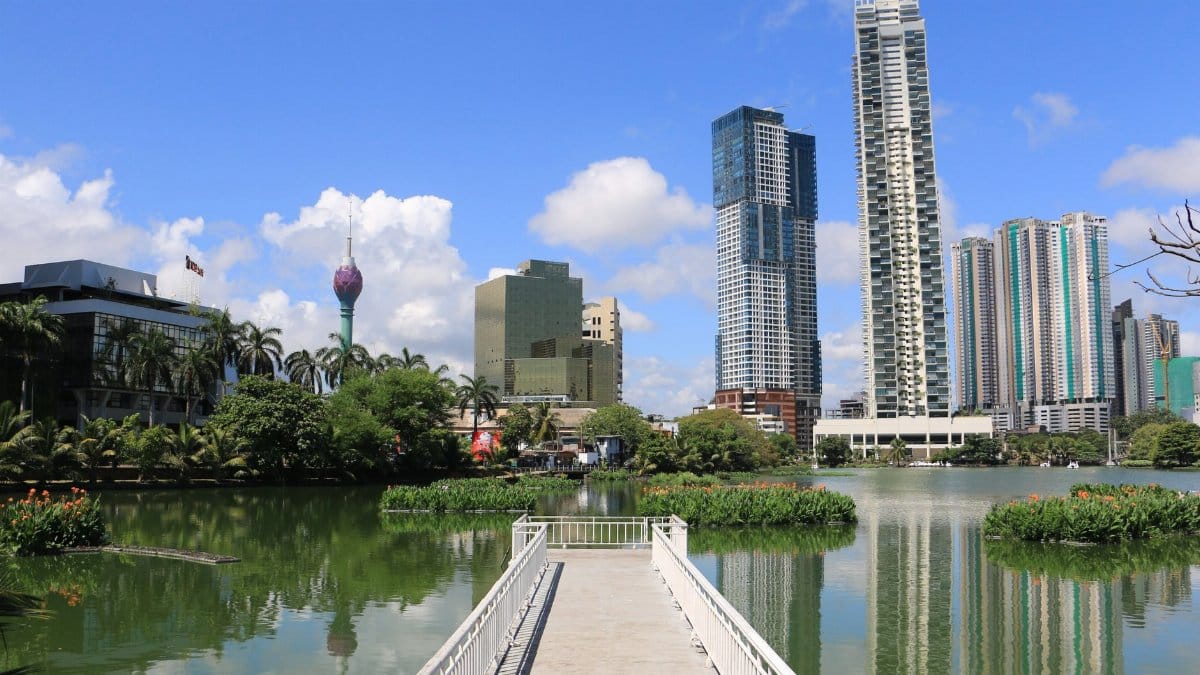
Downtown Miami is not the same district it was when many of the hotel’s longtime guests first checked in. Museums, arenas, residential towers, and a thicker calendar of festivals have pulled more evening life toward the water. Cruise traffic still shapes the neighborhood in a way few American downtowns experience. On embarkation mornings the streets feel purposeful. On quiet midweeks they can feel almost private.
A hotel at that junction lives on both calendars. It needs the big weeks, when ships, conventions, and holidays stack on top of one another. It also needs the ordinary Tuesdays, when a business traveler wants a reliable room and a clear path to a morning meeting. Owners who understand only the spectacle tend to overbuild the experience. Owners who understand only the corporate weekday tend to let the building feel tired. The better operators treat both rhythms as part of the same business.
Staff, guests, and the first months after a closing

For guests, a sale is often invisible until a small change appears: a new manager’s name on a letter, a refreshed menu, a different scent in the corridor. For employees, the change is immediate even when the uniforms stay the same. Questions about schedules, benefits, renovation timelines, and whether a restaurant will close for construction arrive faster than any press release can answer them.
South Florida’s hospitality workforce has spent years navigating high housing costs and intense seasonal demand. A responsible new owner inherits not only a building but a set of relationships with people who know which elevator stalls on humid afternoons and which ballroom sightlines photographers prefer. Those details do not appear in a brochure. They are part of why a landmark continues to function after the lawyers leave the closing table. Public reporting on the InterContinental Miami sale did not settle every operational question, and it should not have pretended to. The meaningful test comes in the first high season under new control.
A market that still rewards the water

Investors have cycled through enthusiasm and caution on Miami hotels as interest rates, insurance costs, and construction prices moved. What has not cycled away is demand for rooms with a genuine waterfront position. Visitors still pay for a view they can describe to someone at home. Meeting planners still like a property that feels central without feeling stranded. Local residents still use the restaurants and bars of big hotels when those rooms feel open to the city rather than sealed off from it.
None of that guarantees a smooth return. Insurance, storm readiness, and the sheer expense of maintaining a tower beside salt air are real constraints. A buyer who treats the purchase as a trophy without a capital plan will learn that bay light is not a maintenance program. The more interesting reading of this deal is narrower. Someone with capital looked at an established hotel and decided the site was worth owning now, not only in a boom narrative from a decade ago.
What residents should watch

Miami residents are used to hearing that a beloved place has been sold, and used to wondering whether the next version will still belong to them in any practical sense. A hotel is not a park. It is a private business. Even so, a waterfront flagship shapes the public realm: the activity on the sidewalk, the lights at night, the jobs inside, the impression a first time visitor carries back to another city.
The useful questions are concrete. Will meeting space stay available to local organizations, or will it be reserved for the highest bidder every week of the year. Will ground floor dining remain a place a neighborhood resident can enter without a room key. Will renovation work respect the bay and the streets around it, or will the block feel closed for an indefinite stretch. Those are not sentimental worries. They are the terms on which a private landmark earns public patience.
Reading the deal without the hype

It is tempting to treat every large transaction as proof that a market is either unstoppable or about to crack. The InterContinental Miami sale supports a quieter conclusion. A known hotel on a scarce site changed owners because the real estate underneath the brand still persuaded someone to buy. That is not a forecast for every property in South Florida. It is evidence that familiarity and location can outweigh the glamour of a brand new tower.
Readers who want the transaction details should look to the Miami Herald report that first laid out the news, rather than to rumor that fills the gap between a headline and a renovation. Deals of this size often unfold in stages: announcement, regulatory and branding conversations, then the slower work of capital projects that guests notice only when a floor reopens. Patience is not a thrilling conclusion. It is the accurate one.
The view that outlasts the paperwork

Stand on the bay side of downtown at dusk and the argument for the site becomes physical. The water holds the last light. Traffic moves on the bridges. The hotel rises as one of the shapes people use to explain where they are. Ownership can change in a filing. That orientation cannot. The InterContinental Miami sale matters because it attached fresh capital and fresh decisions to a place the city already knows how to find.
Whether the next chapter is a careful renewal or a sharper reinvention, the standard is the same. Great real estate still has to work as a hotel: clean rooms, competent service, a lobby that feels alive, a staff that is not treated as an afterthought. If the new owners meet that standard, the sale will fade into the building’s long history. If they do not, the view will remain, and the disappointment will be local, specific, and hard to spin. Miami has seen both outcomes. This time, the bay is watching again.