
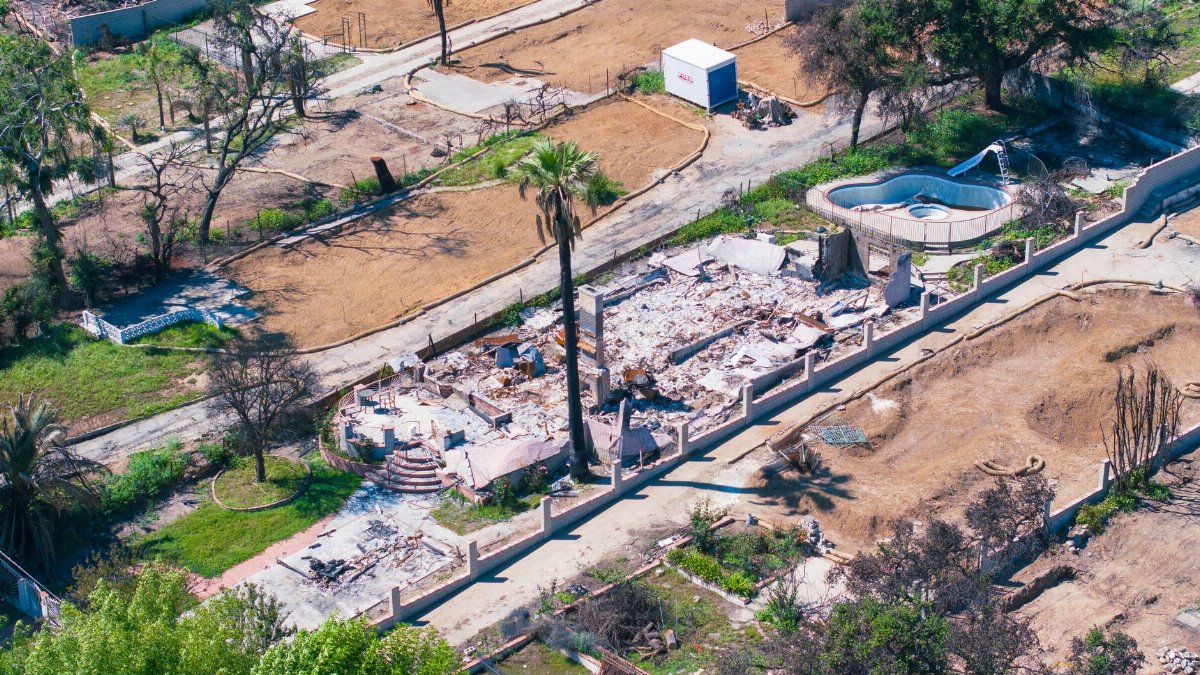
In the rolling hills of Napa Valley a storied winery confronts an uncertain future after years of recovery efforts came to an abrupt end. The original structures at this property were lost in a major blaze and the subsequent costly reconstruction left lasting financial strain. Now Signorello Estate bankruptcy has been filed leaving many observers to wonder how such a high profile comeback could unravel so quickly. Local observers note the filing marks a somber chapter for an estate once celebrated for its bold vision and community ties. The proceedings highlight broader challenges facing small producers who must balance ambitious rebuilding with the realities of rising costs and shifting markets. This development arrives just as the region seeks to stabilize after repeated climate related setbacks.
The Wildfire That Changed Everything
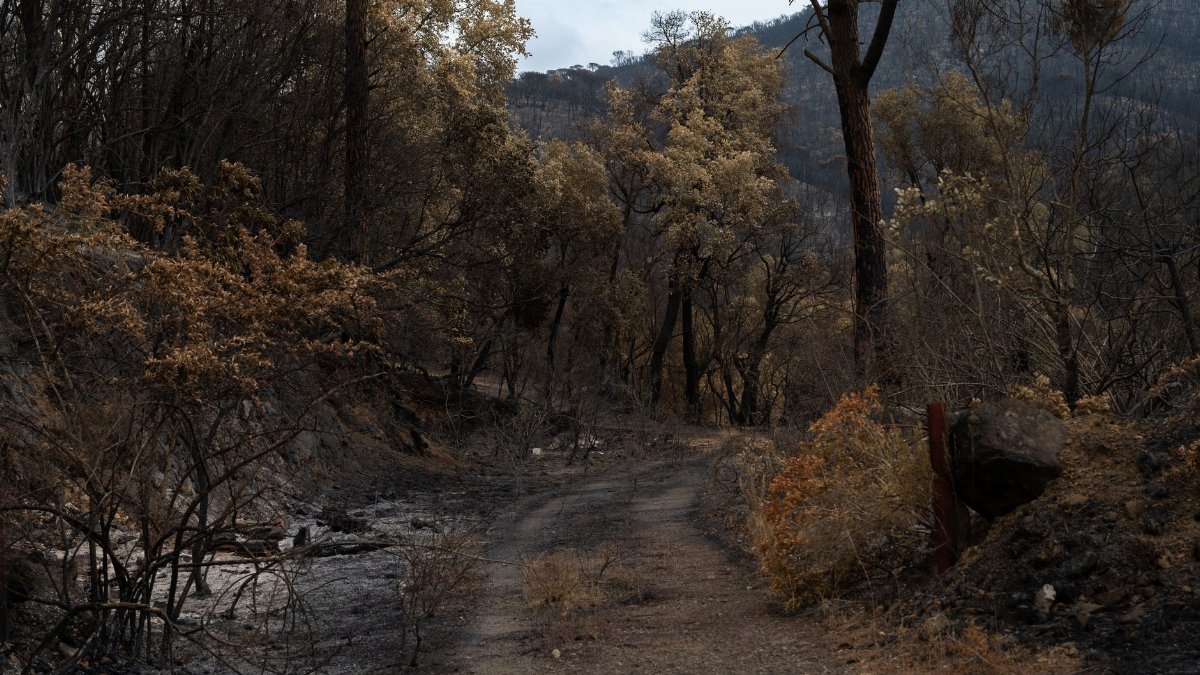
The Atlas blaze swept through the area in two thousand seventeen destroying the core facilities at the estate. Flames consumed tasting rooms production areas and much of the stored inventory in a matter of hours. Owners watched years of work vanish overnight while neighboring properties faced similar losses. Recovery began almost immediately yet the scale of destruction required extensive capital and time that few had anticipated. Insurance payouts helped but gaps remained that demanded new borrowing and creative financing arrangements.
Reconstruction and the Flashy Reopening

By two thousand twenty one the estate unveiled a modern facility designed to draw visitors back with striking architecture and expanded hospitality offerings. The project aimed to transform tragedy into opportunity through upgraded equipment and enhanced visitor experiences. Early returns suggested success as events filled calendars and wine club memberships grew. Yet the investment carried heavy debt service that depended on sustained high revenue streams. Seasonal fluctuations and evolving consumer preferences soon tested those assumptions in ways planners had not fully modeled.
Accumulating Financial Strain

Operating costs climbed steadily as supply chain disruptions and labor shortages affected every aspect of production. Marketing outlays to sustain the post reopening momentum added further pressure. Revenue from direct sales proved inconsistent amid broader economic uncertainty. Creditors grew concerned as payment schedules slipped and restructuring talks began behind closed doors. The estate explored partnerships and asset sales but none materialized at the scale needed to restore stability.
Bankruptcy Filing Details Emerge

On August twenty seven the formal petition revealed liabilities exceeding assets by a significant margin. Court documents outlined obligations to lenders suppliers and service providers accumulated during the rebuild phase. The filing seeks protection while the estate evaluates options for reorganization or orderly liquidation. Legal teams emphasize that operations may continue under supervision as the process unfolds. Observers expect hearings to clarify timelines and potential buyer interest in remaining holdings.
Impact on the Broader Napa Landscape
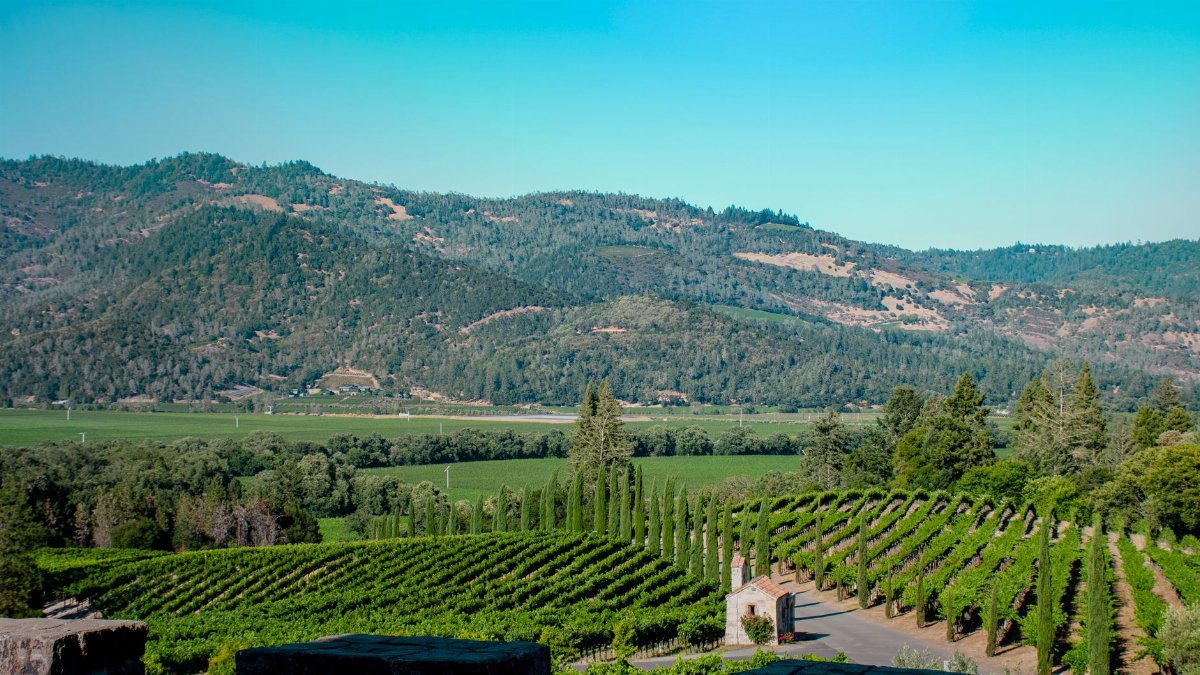
Other producers in the valley watch closely noting that one high visibility case can influence lender attitudes toward the entire sector. Smaller estates without deep reserves face heightened scrutiny when seeking capital for improvements or expansion. Industry groups have called for greater support mechanisms to cushion against future shocks whether from natural events or market shifts. The episode underscores how interconnected financial health remains across the region.
Community and Employee Perspectives

Longtime staff members express worry over job security and the legacy of a place many helped rebuild with personal dedication. Local businesses that supplied goods and services also stand to feel ripple effects. Residents recall the estate as a gathering spot for celebrations and educational events that fostered regional pride. Conversations now turn toward how the community might support a transition that preserves some of that heritage.
Questions of Resilience and Renewal

The story invites reflection on what endurance means for family owned enterprises in an era of increasing volatility. Some see parallels to spiritual traditions that emphasize perseverance through hardship and the possibility of rebirth after loss. Others focus on practical lessons around risk management and diversified revenue. Either way the narrative resonates beyond balance sheets to touch on human determination in the face of repeated adversity.
Looking Ahead for the Property

Potential outcomes range from restructured ownership to partial asset transfers that could allow limited operations to persist. Court oversight will determine the pace and any conditions attached to new arrangements. Industry analysts suggest interest may surface from larger players seeking established brands or prime vineyard land. Whatever path emerges the episode will likely inform future strategies across California wine country for years to come.