
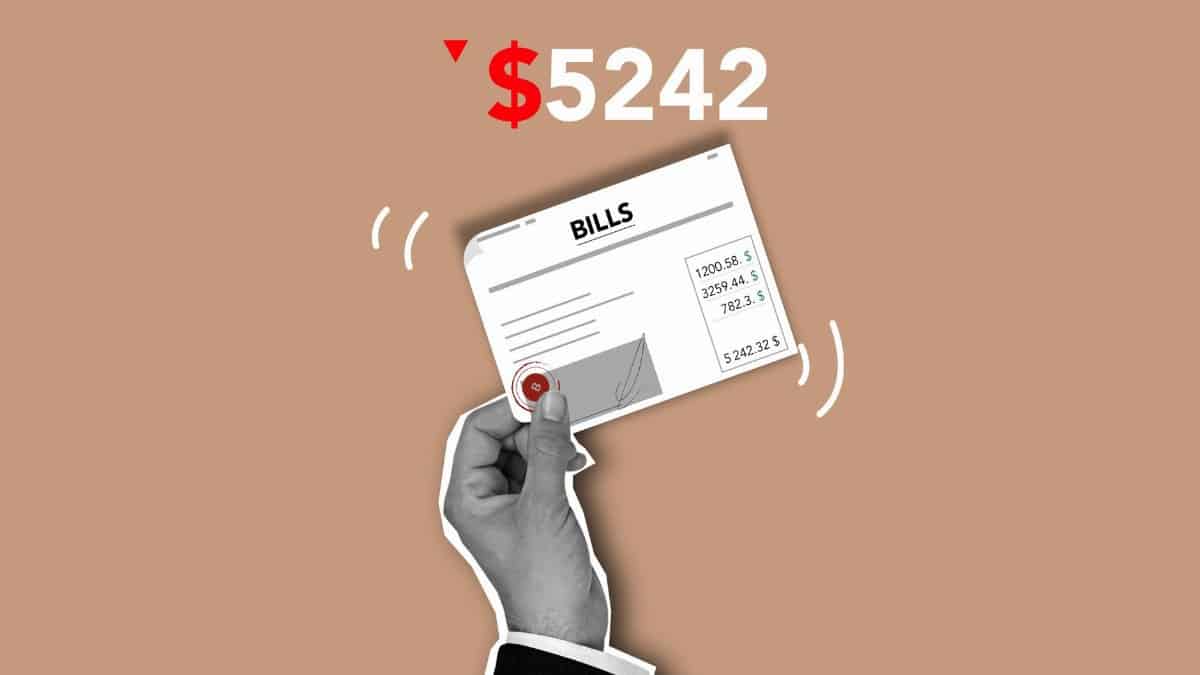
In the rolling hills and bustling neighborhoods of Northern California residents have grown accustomed to the steady rhythm of monthly utility statements that arrive with little fanfare yet carry growing weight for household budgets. Recent adjustments to longstanding state programs mean that support for energy costs is shrinking at a time when many families already juggle rising prices for groceries housing and fuel. The shift arrives amid broader efforts to reshape how utilities manage their finances and pass savings or shortfalls along to households. For PG&E customers the change translates into noticeably smaller credits on gas and electric bills this year compared with prior periods. Observers note that the reduction totals around ninety three million dollars across the service territory leaving many wondering how the new figures will affect daily decisions about heating cooling and appliance use.
Background on Recent Rebate Adjustments
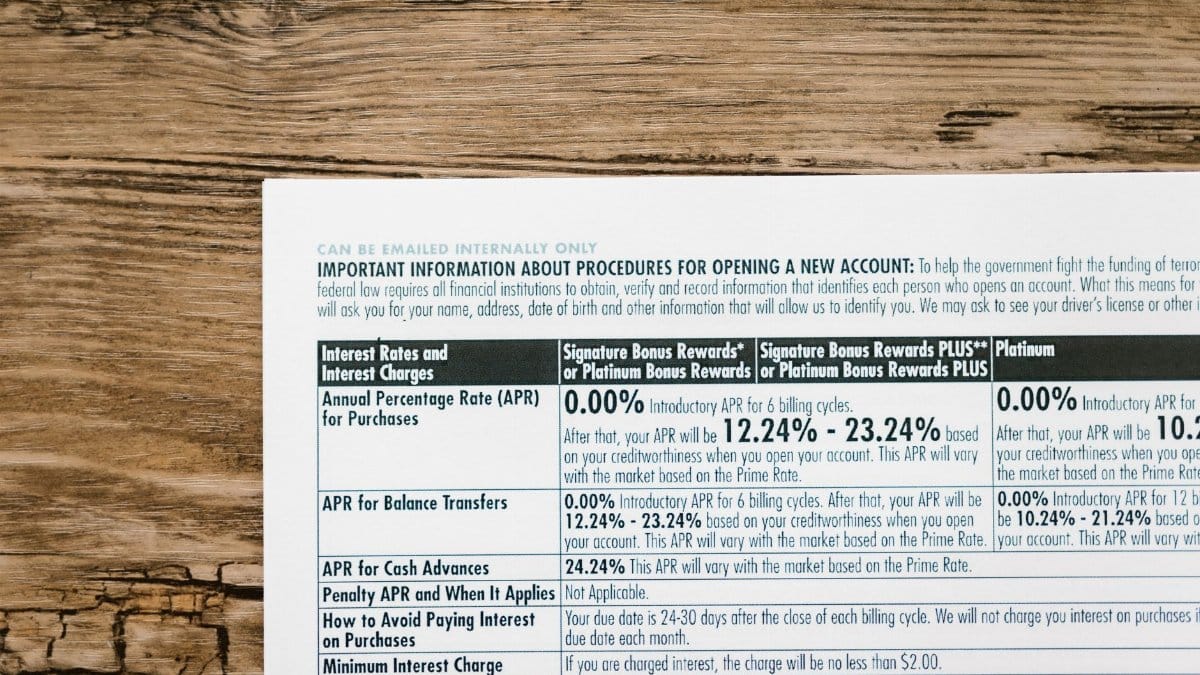
State officials have scaled back certain credits that were introduced during periods of elevated energy prices. These credits aimed to cushion residents from sharp swings in supply costs. The current reduction reflects updated calculations based on market trends and program funding levels. PG&E customers now see the effects reflected directly in their statements with the total pool of available relief smaller than before.
Regional Effects Across the Service Area

Bay Area communities from San Francisco to the East Bay and into the North Bay face varied outcomes depending on usage patterns and rate structures. Urban apartments with lower overall consumption may feel the difference less than larger suburban homes that rely more heavily on gas for heating. Rural zones served by the utility report similar patterns though some households there have fewer alternatives for energy efficiency upgrades.
Household Budget Implications

Families planning their annual expenses must now account for the reduced credits when forecasting utility outlays. This adjustment comes alongside other cost pressures that include insurance premiums and property taxes. Some residents describe rethinking discretionary spending while others explore community solar options or improved insulation to offset the gap.
Utility Company Response and Outlook
Company representatives have pointed to regulatory filings that explain the mechanics behind the lower credits. They emphasize ongoing investments in grid reliability and wildfire prevention that factor into overall rate determinations. Looking ahead further reviews are scheduled that could alter future credit levels depending on energy market conditions.
State Policy Context and Future Reviews

Lawmakers continue to debate the balance between direct relief for residents and long term infrastructure needs. Public comments gathered during recent proceedings highlight concerns from consumer advocates about affordability. Additional program evaluations are expected later in the year that may influence how relief is distributed going forward.
Advice for Managing Energy Costs
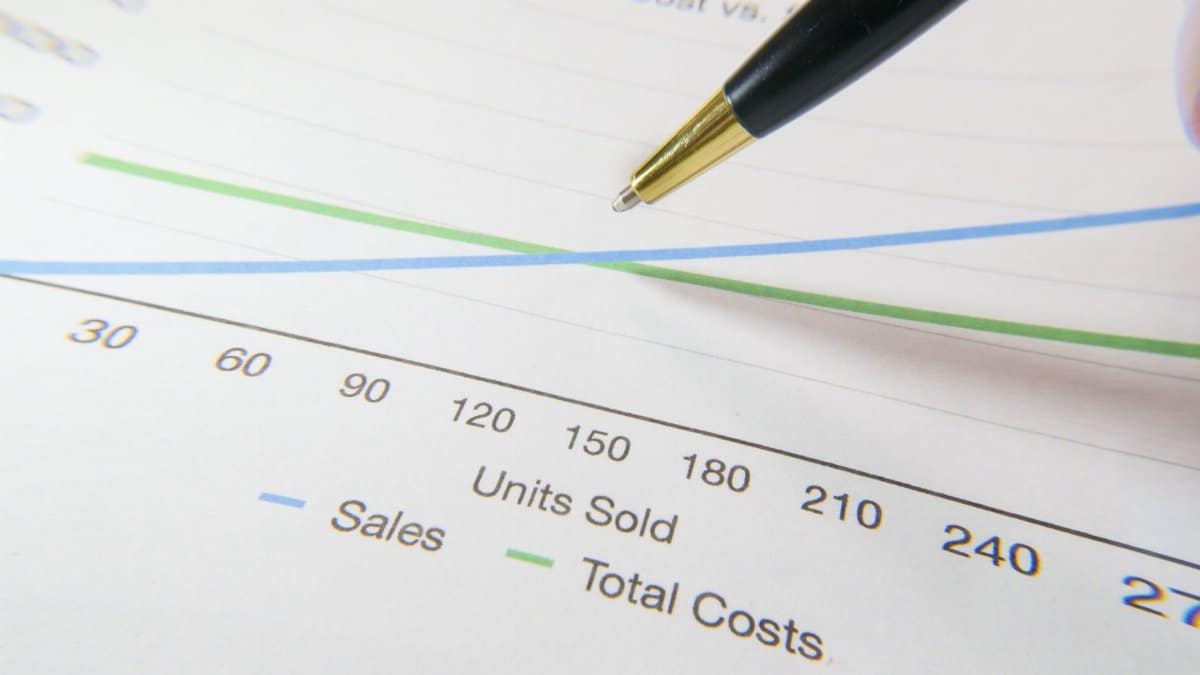
Energy specialists recommend reviewing usage reports available through online portals to identify peak consumption periods. Simple steps such as adjusting thermostat settings or upgrading to efficient lighting can yield measurable savings over time. Local workshops offered by community organizations provide guidance tailored to different home types and income levels.
Broader Trends in Energy Affordability
Similar patterns appear in other utility territories across the western states where program funding has tightened. Analysts track these developments as part of larger shifts toward renewable sources and updated pricing models. Residents in affected areas often share experiences through neighborhood forums to compare notes on effective coping strategies.
Looking Ahead for Energy Consumers

As the year progresses PG&E customers will continue to monitor statements for any additional modifications. Advocacy groups plan to track outcomes and push for refinements if the reductions prove more burdensome than anticipated. The situation underscores the ongoing challenge of aligning energy policy with the practical needs of diverse households.