
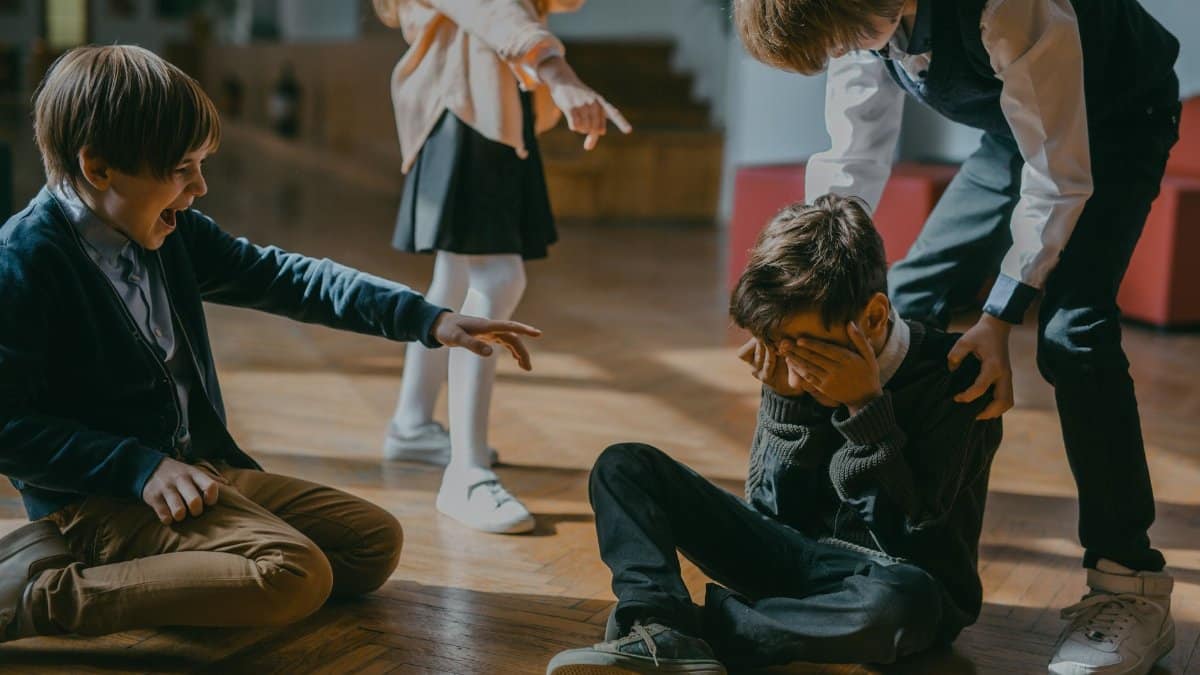
A scene unfolds in many American households where parents navigate conflicts with sharp words and firm commands. Children observe these exchanges closely. Over time such observations lead to children learning bullying as they adopt similar approaches in their own interactions with peers. Research from the Greater Good Science Center highlights how these early lessons take root and influence social patterns well into adolescence. Families often overlook these moments yet they shape how young people assert control or respond to disagreement.
Daily Family Exchanges Set Patterns

Parents hold significant influence through routine conversations at the dinner table or during car rides. When adults rely on threats or dismissive remarks to manage stress the effect registers with children who later mirror those same methods. Studies show this transmission occurs without explicit teaching simply through repeated exposure in the home environment.
Power Tactics Children Notice First

Young people quickly detect imbalances in authority around them. A parent who interrupts or belittles another adult provides a template for dominance that children may apply on the playground. This form of children learning bullying emerges from observation rather than direct instruction.
Criticism and Its Lingering Effects

Frequent negative feedback directed at siblings or partners creates an atmosphere where fault finding becomes normal. Children absorb the idea that relationships involve winners and losers. Over months and years this mindset contributes to relational aggression among classmates and friends.
Emotional Modeling Beyond Words

Tone of voice and body language convey as much as spoken content. Raised voices or crossed arms during disagreements teach lessons about intimidation that last. Caregivers who recognize these signals can adjust their responses to demonstrate calmer alternatives.
Breaking Cycles Through Conscious Effort

Adults who pause before reacting create space for different outcomes. Simple practices such as acknowledging another persons viewpoint aloud show children constructive ways to handle tension. The process requires consistency yet yields measurable shifts in household climate.
School and Community Connections
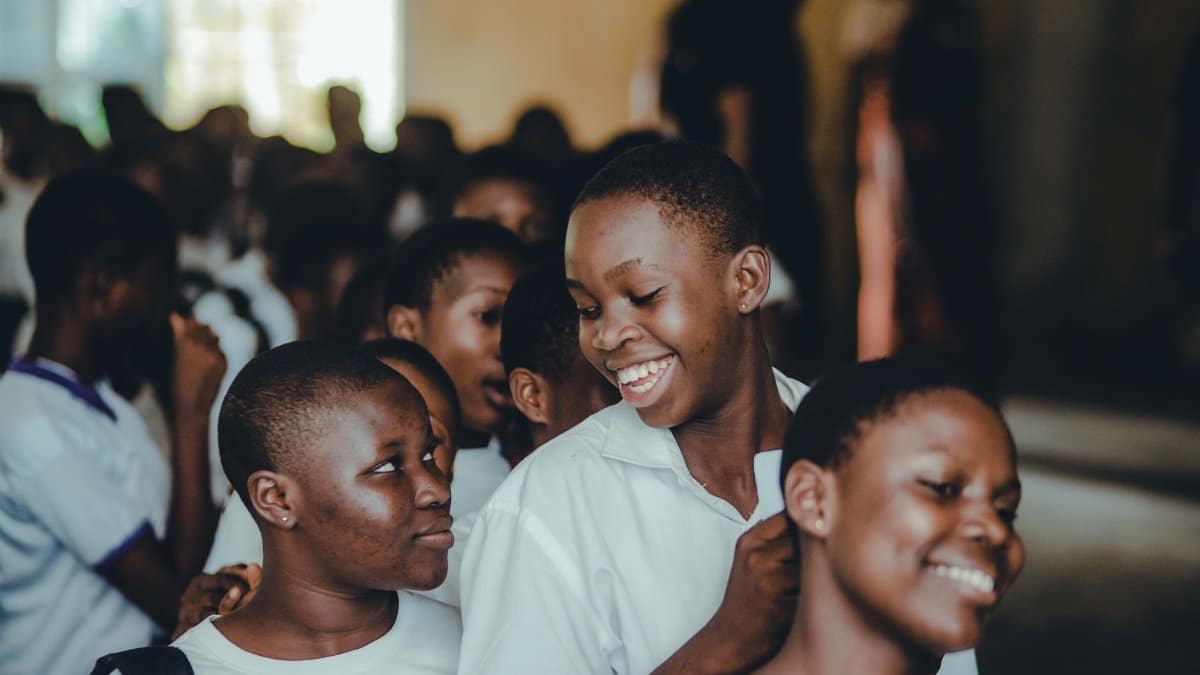
Behaviors formed at home travel into classrooms and after school activities. Teachers report that students who witness harsh power plays often struggle with cooperation in group settings. Community programs that involve parents alongside educators offer additional support for change.
Long Term Outcomes for Young People

Adults who grew up in homes marked by frequent criticism sometimes carry those habits into workplaces and partnerships. Early intervention focused on modeling respect helps interrupt that trajectory. Data from longitudinal projects confirm the value of addressing root influences early.
Practical Steps for Caregivers

Families benefit from regular discussions about respectful communication. Role playing calm responses to frustration allows children to practice new skills in a safe setting. Resources available through university extensions provide further guidance tailored to various age groups.